How Long Does a Washington Halibut Charter Trip Take?
One of the most common questions I get from folks dreaming of a Washington halibut trip is, "Just how long am I going to be out there on the water?" It's a completely fair question, because a halibut charter isn't a quick jaunt around the bay. These are serious offshore adventures, and knowing what to expect in terms of time commitment is crucial for planning, managing expectations, and making sure everyone in your party has a fantastic, comfortable experience. This guide will walk you through the typical durations for Washington halibut charters, what makes them so long, and how to prepare for a truly epic day on the Pacific.
Understanding the Standard Halibut Charter Trip Lengths
When you start researching halibut charters out of Washington ports like Westport, Ilwaco, or Neah Bay, you'll quickly notice a pattern: most of these trips are considerably longer than your average salmon or bottomfish excursion. There's a good reason for this, and it primarily boils down to where these magnificent flatfish live.
The Typical Full-Day Halibut Excursion
For the vast majority of halibut fishing opportunities off the Washington coast, you're looking at a full-day commitment. This isn't just a leisurely morning; we're talking about trips that commonly range from 8 to 12 hours from dock to dock, sometimes even pushing past that depending on conditions and fishing success. Your alarm will be going off well before the sun even thinks about peaking over the horizon, often around 4:00 AM or even earlier.
The bulk of this time isn't necessarily spent actively reeling in fish. A significant portion is dedicated to the journey itself. Halibut don't hang out right outside the harbor; they prefer deep, offshore waters, often many miles out into the Pacific. The faster charter boats can make quicker runs, but even then, it's a considerable commute. Plus, once you're on the grounds, it takes time to set up, drop lines to depths that can be hundreds of feet, and patiently wait for a bite. It's an investment of time, but for many, the potential reward of a barn-door halibut makes every single minute worth it.
Shorter (But Rare) Half-Day Options
While some charter operations might advertise shorter trips, especially during non-halibut seasons or for general bottomfishing, a true half-day halibut-focused charter is quite rare in Washington. The economics and logistics simply don't favor it for halibut specifically. The amount of travel time required to get to prime halibut grounds often eats up most of what a half-day trip would offer, leaving very little actual fishing time.
If you do see a "half-day" option that mentions halibut, it's often a combo trip where halibut might be a secondary target, or you're fishing closer, less productive grounds. It’s important to clarify with the charter operator exactly what their itinerary entails if you're considering a shorter trip. Sometimes, these might be paired with lingcod or other rockfish in more accessible areas, which can be a fun outing, but perhaps not the dedicated halibut hunt you might be picturing. Always ask for specifics to avoid disappointment.
Why Halibut Trips Are Generally Longer
There are a few key reasons why halibut trips inherently demand more time compared to other fishing excursions. First and foremost, as mentioned, it's the distance. Halibut thrive in colder, deeper waters, which means traveling considerable distances offshore. This isn't like fishing for salmon in the Puget Sound where grounds might be a short run from the marina. You're heading out into the open ocean, which means longer runs at cruising speed.
Secondly, halibut fishing is often a slower, more deliberate process. You're typically dropping heavy baits or jigs to the bottom in hundreds of feet of water. This isn't rapid-fire casting. It takes time for your gear to reach the bottom, time for the scent of your bait to spread, and time for a halibut to find and decide to bite. You might spend a good amount of time at a productive spot waiting for the bite to turn on, or drifting slowly over a vast area. Patience is truly a virtue on these trips, and that patience translates directly into longer hours on the water. It’s all part of the unique challenge and reward of targeting these impressive bottom dwellers.
Factors That Influence Your Halibut Charter's Duration
While there are standard expectations for halibut trip lengths, a few key elements can subtly (or not-so-subtly) shift the actual time you spend from dock to dock. Being aware of these can help you understand why your captain might make certain decisions on the day of your trip.
The Distance to the Fishing Grounds
This is perhaps the biggest variable. Halibut grounds can shift from year to year, and even day to day, based on where the fish are concentrating. Some years, productive spots might be a little closer to port; other times, the captain might need to make a significantly longer run to hit the most consistent bite. For instance, leaving from Westport, a boat might travel anywhere from 15 to 40 miles offshore, or even further, to find the best fishing. Each additional mile adds to the travel time, cutting into potential fishing time if the overall trip duration is fixed, or extending the day if the captain aims to maximize fishing effort.
Charters from different ports also access different areas. A trip out of Neah Bay, while equally focused on offshore fishing, might target different banks or reefs than a boat leaving from Ilwaco. The captain's intimate knowledge of these specific areas, combined with current reports and conditions, dictates the day's travel plan. This is why booking with an experienced local guide is paramount, as they know where to go and how to get there efficiently to maximize your time with lines in the water.
Weather Conditions and Ocean Swell
Ah, the weather. The eternal wildcard in any Washington fishing adventure, especially when heading offshore into the Pacific. A calm, glassy ocean means fast, comfortable travel. But if there's a significant swell or choppier conditions, the boat will have to slow down considerably for safety and passenger comfort. What might be a two-hour run in calm seas could easily become a three or four-hour journey in adverse conditions.
Beyond just slowing down travel, poor weather can also affect fishing conditions, making it harder to hold bottom, feel bites, or simply stand comfortably on deck. In severe cases, adverse weather can lead to the captain making the tough but necessary call to cancel or cut a trip short for everyone's safety. This is why communication with your charter operator in the days leading up to your trip is so important. They’ll be monitoring marine forecasts closely and can advise you on what to expect.
Catch Limits and Success Rates
Washington has very specific and often conservative catch limits for halibut, including a Halibut Possession Limit in Washington and specific season dates. While everyone hopes to hit their limit quickly, fishing is fishing, and some days are slower than others. If the bite is red-hot and everyone aboard lands their limit within a few hours of reaching the grounds, the captain might decide to head back to port early, cutting the trip shorter than anticipated. This is usually a welcome "problem" for anglers!
Conversely, if fishing is slow, an experienced captain might work hard to put you on fish, trying different spots, depths, or techniques. They might stay out longer, within safe and legal limits, to give everyone the best possible chance to catch their fish. Of course, there's always a reasonable end to the day, as captains and crew have schedules, and boats need to be prepped for the next trip. But a good captain will balance the desire to catch fish with the practicalities of the day.
Captain's Discretion and Angler Preferences
Ultimately, the captain is in charge of the vessel and the trip. Their judgment, based on years of experience, current conditions, and knowledge of the fishery, will heavily influence the day's duration. They're making calls about safety, comfort, and the best chance for success. While a charter typically has a general time frame, a captain might extend or shorten it slightly based on how things are unfolding.
Sometimes, angler preferences can play a small role, too, though safety and regulations always come first. If the entire group is feeling seasick and wants to head in early, a captain might accommodate that if it's safe to do so. Or, if everyone is having a blast and the bite is still on, they might stretch the day a little longer if feasible. It's a balance, and open communication with your captain or deckhand can often help align expectations.
What to Expect During a Full-Day Halibut Charter
Since full-day halibut charters are the norm, let's dive into what a typical day looks like. It's an experience, not just a fishing trip, and knowing the rhythm of the day can help you prepare mentally and physically for the adventure ahead.
The Early Morning Start and Travel Out
Your day will begin in the dark. Seriously, get used to that pre-dawn alarm clock! You'll meet at the dock or the charter office, usually an hour or so before "lines in" time, to handle any last-minute paperwork, grab your fishing license if you haven't already (remember to check the Washington Fishing License Guide for Nonresidents well in advance), and get briefed by the crew. There will be a mandatory safety briefing where they cover everything from life vests to emergency procedures, which is critical information, so pay close attention.
Once aboard, the boat will chug out of the harbor and begin its journey out to sea. This "run" can be a couple of hours or more, depending on the distance to the halibut grounds. This is a great time to get comfortable, enjoy the sunrise over the water (if you're lucky!), maybe grab a coffee, and get your gear ready. If you're prone to seasickness, this is when those preventative measures you took earlier in the morning really start to earn their keep.
The Fishing Experience Itself
Once you reach the fishing grounds, the real work (and fun!) begins. The captain will find a likely spot, and the crew will help get everyone set up with their heavy-duty rods, reels, and gear. You'll drop your bait or jig down, often hundreds of feet, to the seafloor. This takes some muscle and patience, as those heavy weights need time to sink.
Halibut fishing often involves a lot of waiting, punctuated by sudden, powerful bites. You'll be constantly monitoring your rod tip, feeling for the distinct thumping of a halibut taking your bait. When a fish hits, it's a battle! These are strong fish, and bringing a large one up from the deep is a true test of strength and endurance. The crew will be there to guide you, gaff the fish, and bring it aboard. This part of the day involves repeated drops, drifts, and re-drops until the desired number of fish are caught or the captain decides to move to a new spot. There's a certain cadence to it, a rhythm of anticipation and action.
The Journey Back and Fish Processing
Eventually, whether limits are met or the day simply runs out, the captain will call "lines up," and you'll begin the journey back to port. This return trip can be a great time to relax, share stories, enjoy the scenery, and maybe even take a nap! The excitement of the catch often keeps spirits high, even as fatigue starts to set in.
Upon returning to the dock, the crew will typically take care of cleaning and filleting your catch. This is a huge bonus of charter fishing, as processing a big halibut is a significant task. Be sure to confirm the specific services offered by your charter regarding fish processing, as Do Charters Clean and Package Your Fish? can vary. You'll leave with your prized halibut fillets ready for the cooler, ready to be enjoyed at home. It's a fulfilling end to a long, memorable day.
Half-Day vs. Full-Day Halibut Charters: Which is Right for You?
When it comes to planning your halibut adventure, deciding on the trip length is a big decision that impacts everything from your schedule to your enjoyment. Let's weigh the pros and cons.
Advantages of a Full-Day Trip
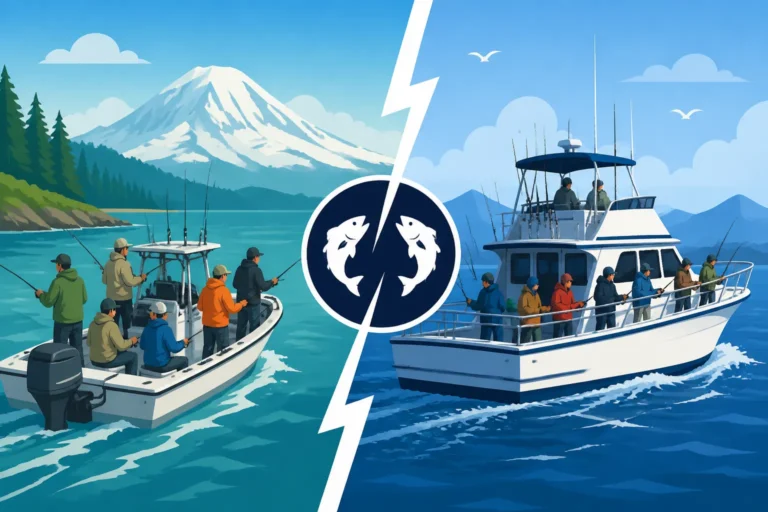
A full-day halibut charter, despite its considerable time commitment, offers the most comprehensive and often the most successful experience. The primary advantage is simply more fishing time. Those longer runs to offshore grounds mean that on a full-day trip, you're maximizing your time with lines in the water, giving you the best possible chance to encounter and catch a halibut. This extended time allows the captain to explore multiple spots if the bite is slow in one area, or to wait out a tide change that might bring the fish on.
You also get the full experience – the early start, the deep-water adventure, the camaraderie with fellow anglers, and the satisfaction of a hard day's work culminating in a prized catch. For many, the longer duration justifies the investment, as it significantly increases the likelihood of success and provides a more immersive angling experience. If you're traveling a long distance for this trip, or if catching a halibut is a top priority, the full-day option is almost always the way to go.
When a Half-Day (or Combo Trip) Might Make Sense
While dedicated half-day halibut trips are uncommon, there are scenarios where a shorter trip or a combo trip (where halibut might be a secondary target) could be a good fit. If you or someone in your party is particularly prone to seasickness, a shorter duration might be less daunting. For families with very young children or individuals with limited stamina, a less intensive outing might be more enjoyable. However, it's critical to understand that these "shorter" options rarely offer the prime halibut fishing experience.
Sometimes, charter operators will offer "combo" trips that target a mix of species, perhaps starting with some bottomfishing for lingcod or rockfish in closer areas, and then making a shorter run for a brief halibut attempt if conditions allow. These can be a great way to experience different types of fishing, but if halibut is your sole focus, ensure the trip's itinerary genuinely prioritizes it. If you're on the fence about the duration, consider the advantages of a full-day experience versus the potential compromises of a shorter one, much like considering Half-Day vs Full-Day Salmon Charters for other species.
Considering Your Physical and Mental Stamina
Halibut fishing, especially a full-day charter, is physically demanding. You'll be standing for hours on a boat that's constantly moving, often in an ocean swell. Dropping and retrieving heavy weights from deep water takes strength, and fighting a large halibut can be an intense workout. It's not a lazy day in a lawn chair; it's active fishing.
Mentally, the long hours and occasional slow periods require patience and resilience. The early wake-up, combined with the motion of the ocean and the effort of fishing, can lead to fatigue. If you know you or your companions struggle with long days, motion sickness, or physical exertion, it's wise to honestly assess if a full-day offshore trip is truly the best choice. Preparing adequately with proper clothing, food, hydration, and motion sickness remedies is key to enjoying the entire experience.
Planning Your Halibut Adventure: Booking and Preparation
Once you've wrapped your head around the commitment, it's time to start planning your epic Washington halibut charter. A little preparation goes a long way in ensuring a successful and comfortable trip.
Researching and Booking Your Charter
The first step is to find a reputable charter company with experienced captains. Look for operators that specialize in halibut fishing and have a proven track record. Word-of-mouth recommendations are excellent, but online reviews and booking platforms like FishingBooker can also be incredibly helpful. On FishingBooker, you can compare different charters, read angler feedback, and get a good sense of what each operation offers and their typical trip durations.
When you contact a charter, don't hesitate to ask specific questions about their halibut trips:
- What are the typical departure and return times?
- How far offshore do you usually go?
- What's included (gear, bait, fish processing)?
- What's their cancellation policy for weather?
- What's their policy if you catch your limit early?
Booking well in advance is highly recommended, especially for prime halibut season dates, as these trips fill up quickly.
Essential Gear and What to Bring
Preparing your personal gear thoughtfully will make a huge difference in your comfort. Think layers, even in summer, as offshore temperatures can be significantly cooler than on land, and winds can be brisk. A waterproof outer shell is non-negotiable. Here's a quick checklist of essentials, many of which are covered in more detail in guides like What to Bring on a Washington Fishing Charter:
| Item | Why It's Essential |
|---|---|
| Warm, Layered Clothing | Offshore winds and changing weather can make it chilly, even on sunny days. |
| Waterproof Outerwear | Spray from waves, rain, or fish slime will make you glad you have it. |
| Waterproof Boots | Keeps your feet dry and comfortable on a wet deck. |
| Hat and Sunglasses | Protection from sun glare, wind, and spray. |
| Sunscreen | Even on cloudy days, UV rays reflect off the water intensely. |
| Food and Drinks | Pack plenty of snacks, lunch, and non-alcoholic beverages for a long day. |
| Motion Sickness Medication | Take it before you get on the boat if you're prone to seasickness. |
| Cooler (for your catch) | Leave it in your car; you'll need it to transport your filleted fish home. |
| Fishing License & Catch Card | Absolutely mandatory! You won't fish without it. |
Remember, the charter will provide the heavy fishing gear, but personal comfort items are your responsibility.
Understanding Licensing and Regulations
Before you even step foot on the boat, you need to ensure you have the proper Washington fishing license and any necessary endorsements. For halibut, this typically means a valid saltwater fishing license. Non-residents need to pay particular attention to the specific requirements and costs, as detailed in Washington Nonresident Fishing License Cost and Resident vs Nonresident Fishing Licenses in Washington. Always check the latest regulations in the Washington Sport Fishing Regulations pamphlet or on the WDFW website. Regulations can change, sometimes even mid-season through emergency rule changes (see Emergency Rule Changes: Why Washington's Rules Shift Mid-Season), so staying informed is crucial.
You will also need a Catch Record Card if halibut fishing is open and a retention is allowed. The crew will help you understand how to properly record your catch on the card, but it's your responsibility to have it and understand its use (see The Washington Catch Record Card and What It Requires). Don't let a simple licensing oversight prevent you from enjoying your long-awaited halibut adventure.
Ultimately, a Washington halibut charter trip is a significant undertaking, usually requiring a full day of your time, effort, and patience. But for those who embrace the challenge, the reward of bringing a majestic halibut home is an experience that truly lasts a lifetime. Prepare well, go with a great crew, and get ready for an unforgettable day on the Pacific!
Disclaimer
This article is for general informational purposes only and does not constitute professional advice. Laws, prices and regulations vary by location and change over time. Consult a qualified professional for guidance on your specific situation.