Can You Split a Charter Cost Between Strangers?
It's a common dilemma for anglers: you're itching to get out on the water in Washington, dreaming of hooking into a big Chinook salmon or battling a tenacious steelhead, but the cost of a private fishing charter feels a bit steep. This guide is here to walk you through the ins and outs of splitting charter costs with strangers, often through what are known as "shared" or "open boat" trips, exploring how they work, where to find them, and what to expect when you're casting lines with folks you've never met.
The Reality of Splitting Charter Costs with Unknown Anglers
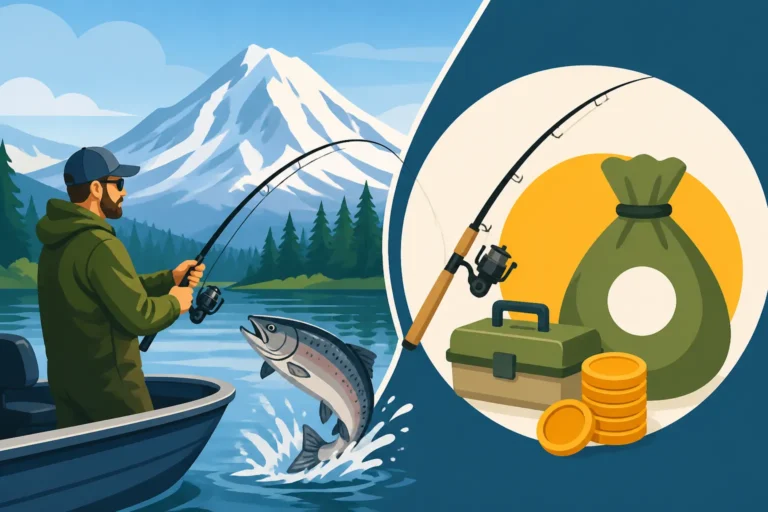
Let's face it, fishing in Washington, especially on a charter, can be an investment. The allure of having an experienced captain, top-notch gear, and local knowledge at your disposal is huge, but the price tag for a private boat can sometimes put it out of reach for a solo angler or a small party. This is where the concept of splitting costs with strangers comes into play, offering a more affordable way to experience guided fishing. It’s not just about saving money; it's about making those incredible experiences accessible.
How Shared Charters Work
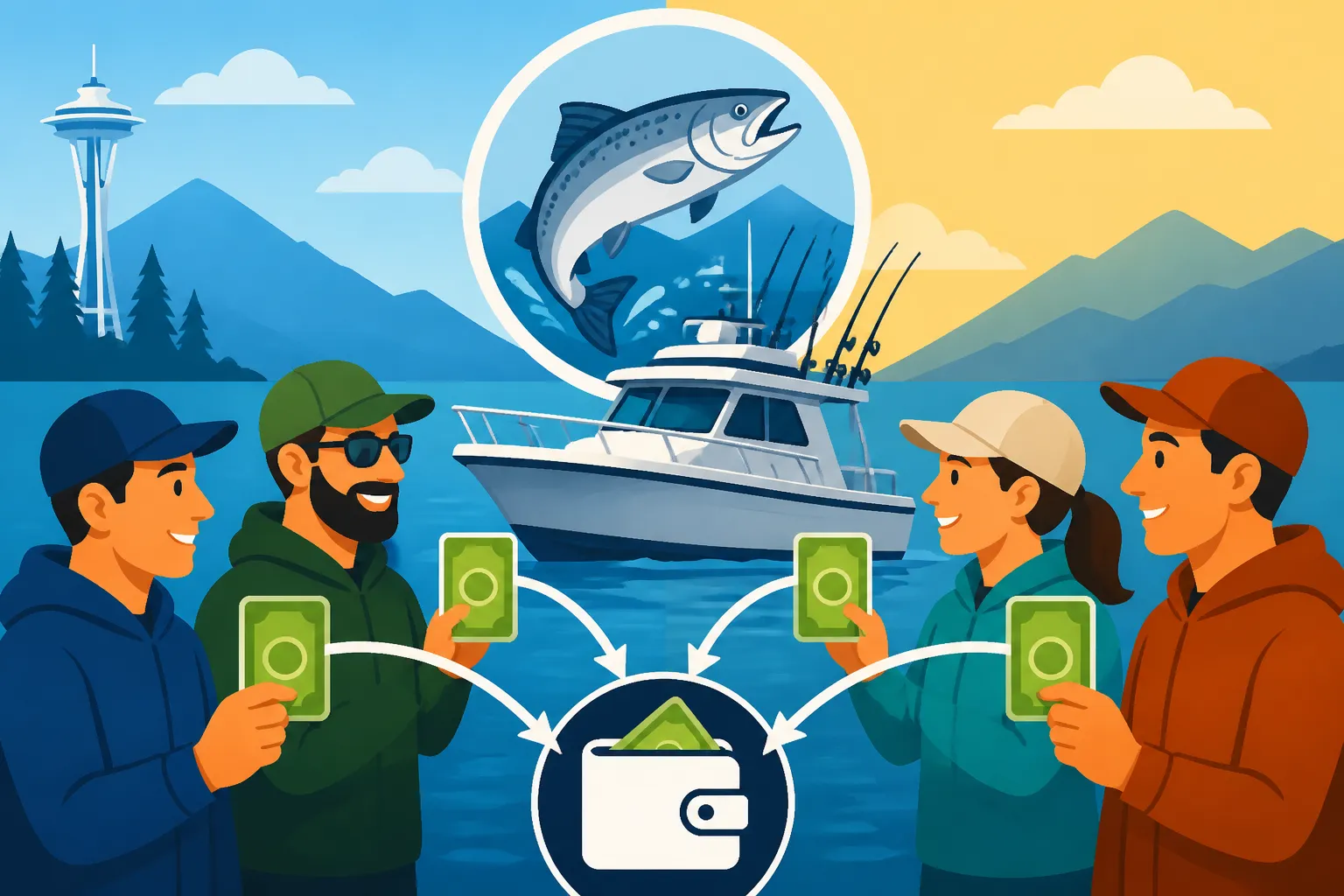
A shared charter, also often called an "open boat" trip, is essentially when a charter captain sells individual spots on their boat rather than booking the entire vessel for a private party. This means you pay a per-person rate, and the captain fills the remaining spots with other individuals or small groups looking to fish on the same day. Think of it like booking a seat on a bus rather than chartering the whole bus yourself. The captain sets the target species and general fishing plan for the day, and everyone on board participates in that shared objective.
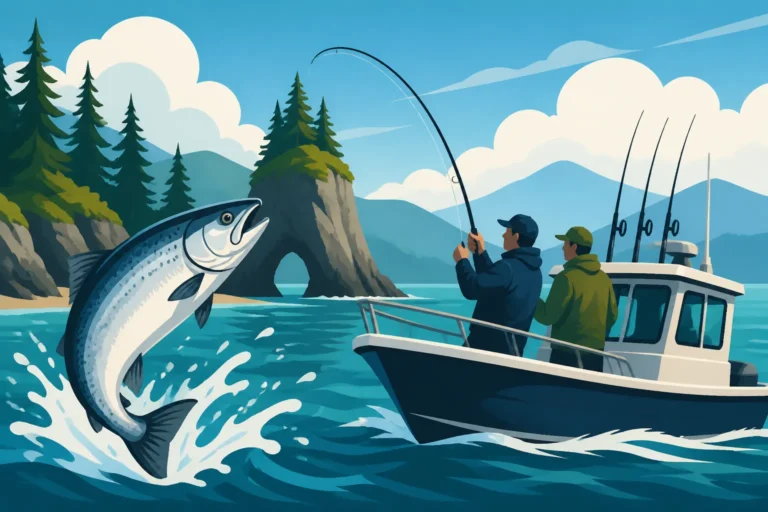
These trips are particularly popular in areas like Puget Sound for salmon, or out of coastal ports like Westport for halibut and tuna, where boats can accommodate multiple anglers comfortably. The idea is that everyone pools their resources, and the overall cost of the trip, including fuel, gear, and guide fees, is divided among all participants, making it significantly less expensive for each individual. It’s a fantastic option if you don't have a full crew of friends or family to fill a private boat, but still want the benefits of a guided experience.
The Upsides of Going with Strangers
There are some really compelling reasons to consider a shared charter, beyond just the obvious cost savings. Firstly, it's a brilliant way to meet other passionate anglers. You might strike up conversations, share tips, and even make new fishing buddies for future adventures. Many long-lasting fishing friendships have started on the deck of a shared charter boat. It's an opportunity to learn from different perspectives and hear stories from a wider range of experiences.
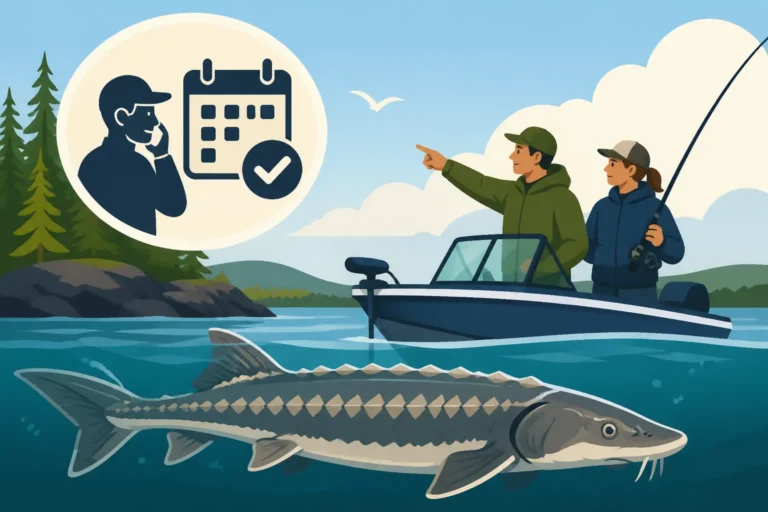
Secondly, these trips are often easier to book, especially if you're planning a trip last minute or during peak season when private charters are snatched up quickly. Captains often advertise open spots on their calendar, making it simpler to find a date that works for you. You get to leverage the captain's expertise and equipment without the full financial burden, which is a massive plus. For many, it’s the only practical way to get out on the big water for species like Pacific Halibut Fishing on the Washington Coast or to experience Washington's Puget Sound Salmon Charters: What to Expect.
Finally, shared trips can sometimes be less pressure. With a group, the focus isn't solely on your personal catch, allowing you to relax, enjoy the scenery, and simply soak in the fishing experience. It allows for a more casual atmosphere where everyone is pulling for each other, celebrating each fish brought to the boat, regardless of whose rod it was on.
Potential Downsides to Consider
While shared charters offer many benefits, it's also important to be realistic about the potential downsides. The most common concern, and a valid one, is the lack of control over the group dynamics. You're essentially spending a day in close quarters with people you don't know, and personalities can sometimes clash. There might be different expectations regarding conversation levels, personal space, or even how aggressively people fish.
Another factor is that the captain's attention will be divided among all anglers on board. While they are professionals and strive to help everyone, you won't get the one-on-one instruction or personalized attention that a private charter offers. The fishing techniques employed will also be geared towards the group, not necessarily your individual preference. If you're hoping for specific guidance on, say, advanced fly fishing techniques, an open boat might not be the ideal setting. You'll also likely be limited to the captain's chosen fishing spots and target species for the day, which might not align perfectly with your dream catch. It's a balance of compromise and opportunity.
Furthermore, if one angler in the group is slow to react to bites, tangled often, or generally needs more assistance, it can sometimes impact the overall fishing rhythm for everyone. This isn't usually a major issue, as most anglers are respectful and helpful, but it's something to keep in mind. You might also find yourself sharing a cooler, which means less personal space for your snacks and drinks.
Finding Shared Charter Opportunities in Washington
So, you've decided a shared charter sounds like a good fit for your next Washington fishing adventure. Great! Now, the crucial part is knowing where and how to find these opportunities. It requires a little bit of searching and asking the right questions, but the effort is usually well worth the reward of getting on the water.
Where to Look for Open Spots
The internet is your best friend when looking for shared charter opportunities. Many charter operations maintain websites where they list their available dates and whether they are open for "per-person" bookings or "open boat" trips. Sites like FishingBooker are excellent resources, acting as a marketplace where you can filter by location, species, and even type of trip (shared vs. private). You can often see how many spots are left on a particular date, giving you a clear picture of availability. This helps manage expectations regarding How Many People Fit on a Shared Washington Charter.
Don't underestimate the power of social media groups and online fishing forums dedicated to Washington fishing. Captains often post about open spots there, and sometimes other anglers will look to fill a boat they've booked privately. Fishing communities are generally very supportive, and you might find fellow anglers eager to join you or invite you to their existing group. Local tackle shops and marinas are also fantastic resources; they often have bulletin boards where captains advertise or can point you directly to guides who frequently run shared trips. When you're considering How to Book a Fishing Charter in Washington, these direct channels are often the most effective.
Understanding Different Charter Formats
It's helpful to know that "shared charter" isn't the only term you might hear. Some operations refer to them as "head boat" trips, particularly larger vessels that can accommodate a significant number of anglers (sometimes 20-50+). These are typically found in popular ocean fishing destinations like Westport for bottom fishing or halibut. Smaller boats, often referred to as "six-pack" charters (because they carry a maximum of six paying passengers), also offer shared spots. The experience on a six-pack boat is generally more intimate and personalized than on a large head boat.
Sometimes, a private group might have an extra spot or two they're willing to fill to help offset costs. This is less common but can happen, and it often leads to a more relaxed atmosphere since the core group already knows each other. Always clarify the maximum number of anglers on board for a shared trip, as this will impact your personal space and the level of attention you might receive from the crew. Understanding these distinctions helps you manage your expectations and select the type of trip that best suits your comfort level and fishing goals.
Important Questions to Ask Before Booking
Before you commit to a shared charter, arm yourself with a few key questions. First and foremost, confirm the target species and fishing style for the day. While most captains will advertise this, you want to make sure it aligns with what you're hoping to catch. Asking about the typical duration of the trip (e.g., Half-Day vs Full-Day Salmon Charters) is also crucial, so you know how much time you'll be spending on the water.
Inquire about what's included in the price. Does it cover bait, tackle, and licenses? Generally, you'll still need your own valid Washington fishing license and any necessary endorsements, like the Washington's Columbia River Salmon and Steelhead Endorsement, Explained. Clarify if fish cleaning and packaging are part of the service. Some charters will offer basic filleting, while others expect you to handle your catch after the trip, or they might offer it for an additional fee. Asking about the cancellation policy, especially regarding weather, is also vital, so you know what to expect if conditions turn sour.
Finally, don't be shy about asking about the general vibe or typical clientele on their shared trips. A good captain will be honest about whether their shared trips are more family-friendly, geared towards experienced anglers, or a mix. This helps set your expectations and find a boat where you'll feel comfortable.
Making the Most of a Shared Charter Experience
Okay, you're booked on a shared charter, ready to go. Now, how do you ensure you have a fantastic time, even when sharing the deck with strangers? It mostly comes down to a bit of preparation and a good attitude.
Setting Expectations for a Group Trip
The first step to a successful shared charter is managing your own expectations. Understand that it's a group effort, and the captain's primary goal is to put everyone on fish, not just one person. There will be multiple lines in the water, and sometimes tangles happen—it's part of the deal. Be patient and understand that things might move at a different pace than you're used to if you typically fish alone.
Think of it as a community fishing experience. Celebrate others' catches as much as your own. If someone else hooks up, be ready to clear your line if needed, and offer encouragement. The more positive and cooperative the atmosphere, the better everyone's day will be. Remember, while you might be aiming for a trophy Chinook Salmon: Washington's King of Fish, the captain will be working to ensure reasonable chances for all on board, often moving between spots or changing tactics to find active fish for the entire group.
Consider what you want out of the trip beyond just catching fish. Is it the experience of being on the water? Learning new techniques? Meeting people? Focusing on these broader aspects can enhance your enjoyment, even if the fishing itself is slow. This perspective helps you appreciate the overall adventure.
Navigating Group Dynamics on the Water
When you step aboard, introduce yourself to the other anglers. A simple "Hi, I'm [Your Name], glad to be fishing with you all today!" can go a long way in breaking the ice. Be mindful of personal space, especially on smaller boats. Everyone wants to cast and reel without bumping into each other. If you're unsure where to put your gear, ask the crew. This shows respect for the boat and your fellow passengers.
Offer to help when appropriate, such as netting a fish for another angler if the crew is busy. A little camaraderie can make a huge difference. On the flip side, don't be afraid to ask for help if you need it – whether it's untangling a line or re-rigging your setup. Most anglers are happy to lend a hand. When discussions about fish or techniques come up, contribute positively and listen to others' experiences. You'll often find a wealth of local knowledge among seasoned anglers on board.
Always remember that the captain and deckhand (if there is one) are in charge of the boat and the fishing operation. Listen to their instructions regarding gear, fish handling, and safety. Their experience is paramount, and following their lead ensures a smooth and safe trip for everyone.
Etiquette and Considerations for a Smooth Trip
A few points of etiquette can really make a shared charter shine. Firstly, be on time! Nothing holds up a boat more than a late angler. Arrive at the dock with plenty of time to spare, so you're ready to board when the captain gives the signal. Secondly, be prepared with What to Bring on a Washington Fishing Charter, including appropriate clothing for Washington's variable weather, snacks, drinks, and any personal medications. Don't expect the boat to have everything you need.
Tipping is also a big part of charter fishing culture. If you've had a good experience and the crew worked hard, a tip is customary and greatly appreciated. It's a direct way to show your gratitude for their efforts. For insights on this, check out Tipping Etiquette for Washington Fishing Guides.
Lastly, respect the rules and regulations. This includes bag limits, slot limits, and species identification. The captain is responsible for ensuring compliance, and everyone on board needs to do their part. If you accidentally catch a fish that needs to be released, handle it carefully and get it back in the water quickly, following the crew's instructions. A shared experience means shared responsibility for conservation and legal fishing practices.
When a Private Charter Might Be a Better Fit
While shared charters are fantastic for many situations, there are times when investing in a private charter genuinely makes more sense. It's about weighing your priorities and budget against the kind of experience you're truly seeking.
Weighing Cost vs. Customization
The primary difference, of course, is the cost. A private charter will always be more expensive upfront, as you're covering the entire boat's fee yourself (or with your chosen group). However, what you gain in return is unparalleled customization. With a private boat, you and your group get to decide the target species, the fishing locations (within reason and safety), and even the duration of your trip. If you have a specific goal, like targeting Lingcod: Washington's Toothy Bottomfish in a particular marine area, or trying Drift Fishing for Steelhead in Washington Rivers on a specific stretch of river, a private guide can cater the entire day to your preferences.
You also get the captain's undivided attention. This is invaluable for beginners who need more instruction or experienced anglers who want to delve into advanced techniques. The pace of the day can be set by your group, allowing for more relaxed breaks or intense fishing sessions, whatever suits your style. For a deep dive into comparing your options, see Choosing Between a Guide and a DIY Trip.
| Feature | Shared/Open Boat Charter | Private Charter |
|---|---|---|
| Cost | Per-person rate, significantly lower individual cost | Flat boat rate, higher individual cost (unless full group) |
| Group | Mixed group of strangers | Your chosen friends/family |
| Customization | Limited; captain sets target species/location | High; tailor trip to your preferences |
| Attention | Shared among all anglers | Dedicated to your group |
| Flexibility | Fixed schedule, target species | Flexible schedule, target species, fishing style |
| Social Aspect | Opportunity to meet new anglers | Intimate experience with known companions |
| Ideal For | Solo anglers, small parties, budget-conscious | Specific goals, beginners needing more guidance, privacy |
Ideal Scenarios for Private Bookings
There are several scenarios where a private charter truly shines. If you're planning a special occasion, like a birthday, anniversary, or a corporate outing, a private boat ensures an exclusive and personalized experience. You can relax, celebrate, and enjoy the company of your chosen guests without any outside distractions. Many captains offer special packages for such events.
For families with young children or anglers with mobility challenges, a private charter offers the flexibility and dedicated support needed to ensure a comfortable and successful day. The captain can adjust the fishing pace, take breaks as needed, and provide extra assistance, making the experience enjoyable for everyone. If you're a serious angler with a specific target in mind, perhaps wanting to chase a record-size White Sturgeon on Washington's Columbia River or spend an entire day honing a particular technique like Trolling for Salmon in Washington's Puget Sound, a private guide offers the best chance of success.
Ultimately, both shared and private charters offer incredible opportunities to experience the world-class fishing that Washington has to offer. Your choice depends on your budget, your goals for the trip, and your comfort level with the social dynamics involved. Whether you opt for a bustling shared adventure or a more exclusive private excursion, the thrill of the catch and the beauty of Washington's waters are waiting for you. For those looking to budget carefully, FishingBooker can help you compare What a Washington Guided Fishing Trip Costs across different types of trips.
Disclaimer
This article is for general informational purposes only and does not constitute professional advice. Laws, prices and regulations vary by location and change over time. Consult a qualified professional for guidance on your specific situation.