Booking a Guide for the Skagit River in Washington
The Skagit River in Washington is legendary, but for many anglers, its complex regulations, constantly shifting conditions, and the sheer challenge of finding fish can feel incredibly intimidating. You want to experience the magic of fishing this iconic river, but figuring out where to go, what to use, and even what's open to fish can quickly turn a dream trip into a headache. This guide is here to unravel those complexities, helping you understand why booking a professional fishing guide for the Skagit River isn't just a luxury, but often the best way to ensure a successful and enjoyable trip.
Why Fish the Skagit River with a Guide?
The Skagit River, flowing through the dramatic landscapes of the North Cascades before emptying into Puget Sound, holds a special place in the hearts of Washington anglers. It's a river steeped in history and reverence, particularly for its wild steelhead. However, its allure comes with a unique set of challenges that can easily overwhelm those unfamiliar with its waters. This is precisely where a skilled local guide becomes an invaluable asset, transforming potential frustration into a truly memorable experience.
Navigating Complex Regulations and Seasons
Let's be honest, Washington's fishing regulations can feel like deciphering ancient hieroglyphs sometimes, and the Skagit River is no exception – in fact, it often feels more complex than most. This river is a stronghold for wild steelhead, and as such, it's subject to some of the most stringent and frequently changing rules in the state. What was open last week might be closed today, or a specific gear restriction might apply only to a particular section of the river. It's enough to make your head spin, even for seasoned local anglers.
A good Skagit River guide lives and breathes these regulations. They know the ins and outs of Washington Fishing Regulations Every Angler Should Know better than anyone. They're constantly checking the WDFW emergency rule changes, understanding what's open, what's closed, and what specific gear or bait restrictions are in place. This isn't just about avoiding a ticket; it's about fishing legally and ethically, ensuring the conservation of the precious wild fish runs. Imagine showing up to the river with your heart set on a particular technique, only to find out it's prohibited. A guide will prevent that disappointment, having already factored in all current rules when planning your trip. They can tell you straight up if The Skagit River's Winter Steelhead Season is open for your target species and what you need to do to comply.
Targeting Specific Species and Prime Runs
While the Skagit has historically been known for its salmon runs, especially Chinook, the river's focus in recent times, particularly for guided trips, has largely shifted to its legendary wild steelhead. These powerful, elusive fish are the crown jewel of the Skagit, drawing anglers from across the globe. However, catching them requires an intimate understanding of their habits, migration patterns, and preferred holding water.
Skagit guides specialize in these specific fisheries. They know exactly when and where the steelhead are likely to be, depending on water levels, temperature, and time of year. They understand the nuances of the run, whether it's early season, mid-winter, or the tail end. Beyond just knowing where the fish are, they understand how to approach them in a wild, often finicky river system. They've spent countless hours on the water, observing, learning, and adapting their strategies. This expertise dramatically increases your chances of encountering these magnificent fish, turning what might be a frustrating blank for an unguided angler into a genuine opportunity.
Accessing Prime Fishing Spots
The Skagit River is a large, powerful system with numerous access points, but not all are created equal, especially when it comes to effectively fishing for steelhead. Many of the most productive stretches of river are best accessed by drift boat, allowing guides to cover miles of water, stopping at prime runs, riffles, and pools that are inaccessible to bank anglers. Even if you do find public bank access, without local knowledge, you might be standing in a barren stretch while the fish are holding just around the bend in a private or hard-to-reach spot.
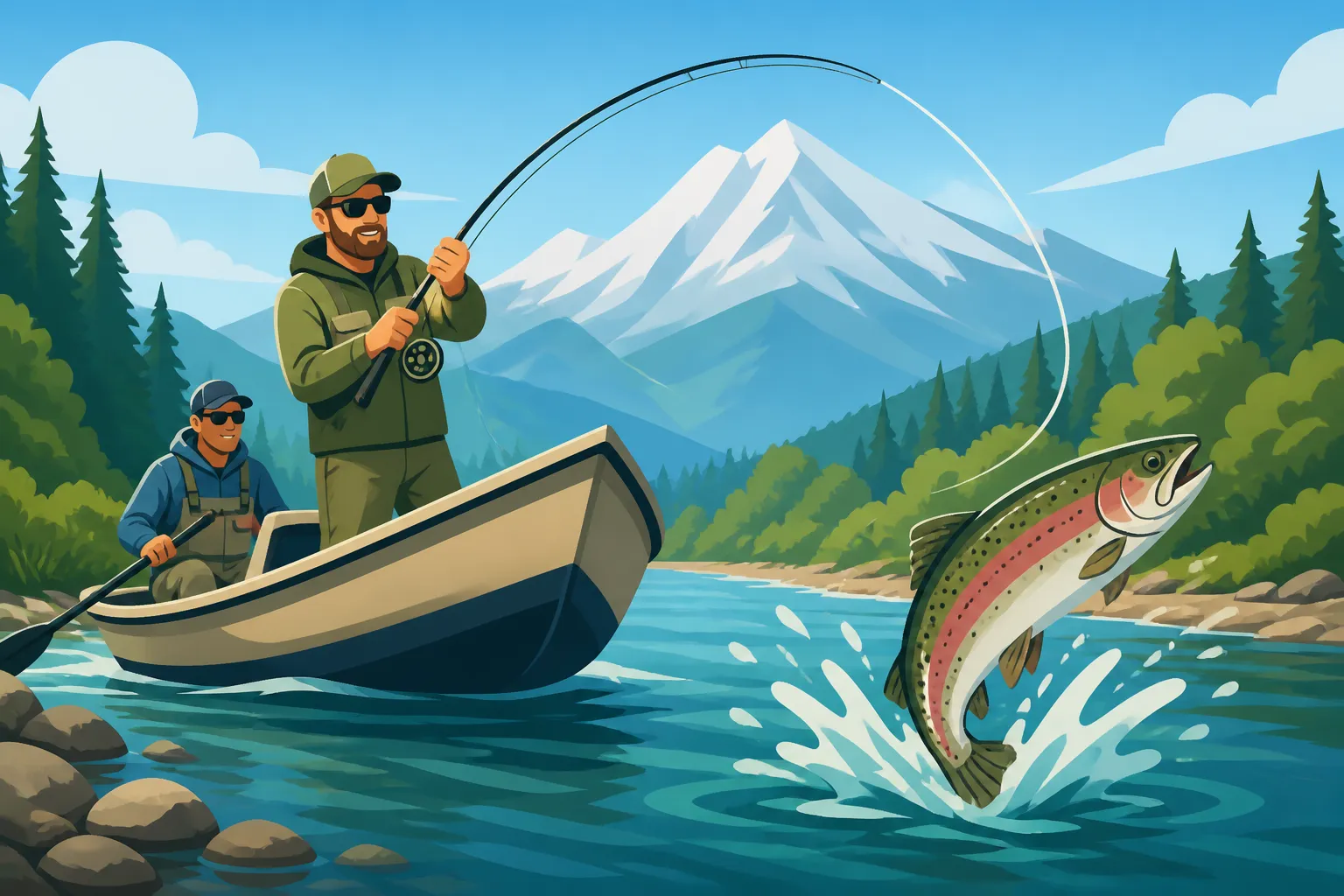
A professional guide has the equipment—a safe, comfortable drift boat—and the knowledge of where to launch, where to take out, and more importantly, the specific spots to hit in between. They know the subtle seams, the deep pockets, and the underwater structure where fish hold. They often have established relationships that grant them access to certain private lands, further expanding your fishing opportunities. This isn't just about convenience; it's about strategic advantage, putting you in the best possible position to present your flies or lures to active fish in waters you might never find on your own.
What to Look for in a Skagit River Guide
Choosing the right guide for your Skagit River adventure is paramount. It’s not just about finding someone with a boat; it’s about finding a true professional who matches your expectations, prioritizes safety, and genuinely wants you to have a great experience. A fantastic guide can turn a slow fishing day into an enjoyable learning opportunity, while a poor choice can quickly sour the entire trip.
Experience and Local Knowledge
When it comes to the Skagit River, experience is everything. You're not looking for a general Washington fishing guide; you need a Skagit specialist. This river behaves differently than, say, the Cowlitz or the Olympic Peninsula rivers. Its flows, clarity, and fish behavior are unique. An experienced Skagit guide has spent years, if not decades, learning the river's moods, its currents, and its specific holding waters during various water levels and seasons. They understand the subtle cues that indicate where fish might be lying and how they react to different conditions.
Look for a guide who focuses specifically on the Skagit (and perhaps a few other rivers in the immediate vicinity with similar characteristics). Ask about their history on the river: how long have they been guiding it? What techniques do they primarily use? Do they specialize in fly fishing, gear fishing, or both? A seasoned guide will have a deep understanding of not only the fish but also the ecosystem itself, offering insights into wildlife, geology, and the history of the river. This local insight adds immense value beyond just catching fish, enriching your entire experience. You can vet a guide by asking specific questions about How to Vet a Washington Fishing Guide before committing.
Licensing, Safety, and Insurance
Never compromise on safety and legitimacy. A reputable Washington fishing guide must hold the appropriate licenses and permits to operate. This typically includes a guide license from the Washington Department of Fish and Wildlife (WDFW), a U.S. Coast Guard (USCG) license if they're operating a motorized vessel or taking paying passengers on navigable waters (which the lower Skagit is), and proper insurance. These aren't just bureaucratic hurdles; they're protections for you as the client.
Before booking, don't hesitate to ask for proof of these credentials. A professional guide will be happy to provide them. This ensures that they operate legally, adhere to safety standards, and that you are covered in case of an unforeseen incident. A guide who cuts corners on these essentials is likely to cut corners elsewhere, potentially putting your safety and enjoyment at risk. Always confirm they have up-to-date first aid and CPR certification, and that their boat is equipped with all necessary safety gear, including life vests for everyone on board.
Communication and Trip Customization
A great guide-client relationship is built on clear communication. From the initial inquiry to the end of your trip, your guide should be responsive, informative, and willing to discuss your expectations. Are you hoping to catch a trophy fish, or are you more interested in learning new techniques? Are you a seasoned angler or a complete beginner? Your guide should be able to tailor the trip to your skill level and goals.
Before booking, discuss your preferences. Do you prefer fly fishing, or are you more comfortable with conventional gear? Are you interested in Fly Fishing Techniques for Winter Steelhead in Washington? Do you want to focus on learning casting techniques, or simply maximize your chances of a hook-up? A guide who listens and offers a personalized experience is far more valuable than one who runs a one-size-fits-all operation. Platforms like FishingBooker often allow you to read reviews and directly message guides, which can be incredibly helpful in finding someone who's a good fit for your style. They should also provide a clear outline of what's included in the trip, like tackle, bait, and fish cleaning, and what you need to bring, such as your license and appropriate clothing.
Understanding Skagit River Fisheries and Seasons
The Skagit River's fisheries are dynamic, shaped by conservation efforts, fish returns, and environmental factors. To truly appreciate a guided trip here, it helps to have a basic understanding of what makes the Skagit so special and what you can realistically expect to target. This river is known primarily for its wild fish, making every catch a profound experience.
Historical Significance and Current Status
The Skagit River once boasted incredible runs of all five species of Pacific salmon (Chinook, Coho, Sockeye, Chum, Pink) and, famously, its revered wild steelhead. However, due to various environmental pressures, habitat loss, and historical overfishing, the salmon runs, particularly Chinook, have faced significant declines. Consequently, most salmon fisheries on the Skagit are now either entirely closed or heavily restricted to protect dwindling wild stocks, often shifting to a strict catch-and-release model if open at all.
Today, the Skagit is primarily recognized as one of Washington's premier wild steelhead rivers. These incredible anadromous rainbow trout embark on epic migrations from the Pacific Ocean, returning to the Skagit system to spawn. While these wild fish are highly prized, their populations are also delicate, leading to a strong emphasis on catch-and-release practices for steelhead. It's vital to understand that a guided trip on the Skagit focuses heavily on the pursuit and careful release of these magnificent wild fish, rather than filling a cooler with salmon. This commitment to conservation is part of what makes the Skagit unique and why skilled guides are so crucial in minimizing impact and adhering to strict rules.
Best Times to Book a Guide
Given the emphasis on wild steelhead, the prime time to book a Skagit River guide is during the winter steelhead season. This typically runs from late fall through early spring, with specific dates varying year to year based on fish returns and regulatory decisions. December through March are often considered the peak months, though conditions can fluctuate significantly. These are typically the months when you'd look for Winter vs Summer Steelhead Runs in Washington, Explained in other rivers, but on the Skagit, winter is king for steelhead.
Outside of steelhead season, opportunities are extremely limited or non-existent due to conservation closures for salmon. It’s critical to consult the latest WDFW regulations and discuss current conditions with your guide. Water levels and clarity are huge factors on the Skagit; heavy rains can blow out the river, making fishing difficult or impossible, while very low, clear water presents its own challenges. Experienced guides monitor these conditions constantly and can advise you on the best windows of opportunity. Don't book too far in advance without checking with your guide about potential cancellations due to unfishable conditions.
Gear and Techniques for Skagit Fishing
When you book a guide for the Skagit River, especially for steelhead, you can expect them to provide all the necessary high-quality gear. This typically includes specialized rods, reels, lines, and an array of terminal tackle and bait/lures designed for the specific conditions and target species. For steelhead, popular techniques include drift fishing with various baits like roe or yarn, float fishing with jigs, and back-bouncing. Fly fishing is also incredibly popular on the Skagit, with guides often providing spey or switch rods and a selection of effective fly patterns.
A major advantage of a guided trip is having access to this specialized gear, which can be expensive to acquire yourself. More importantly, your guide knows how to rig it correctly and teach you to use it effectively. They'll show you how to read the water, identify prime holding lies, and execute the proper cast or drift to present your offering naturally to the fish. They understand how factors like How Water Clarity Affects Steelhead Fishing impact gear choice and presentation. This hands-on instruction is invaluable for improving your skills, whether you're a beginner or an experienced angler looking to refine your technique on this challenging river.
| Feature | DIY Skagit Trip | Guided Skagit Trip |
|---|---|---|
| Regulation Info | Requires constant, diligent WDFW checks | Guide has up-to-the-minute knowledge & interpretation |
| River Access | Limited to public bank spots, challenging by boat | Drift boat access to prime, otherwise inaccessible water |
| Species Knowledge | Relies on research & trial-and-error | Expert local knowledge of runs, habits, and holding water |
| Gear Provided | Must bring all your own specialized tackle | High-quality, specialized gear provided and rigged |
| Technique Help | Self-taught or learned from peers | Direct, hands-on instruction and refinement of skills |
| Safety | Your responsibility, potentially isolated | Guide prioritizes safety, carries necessary gear & certifications |
| Conservation | Requires self-education on best practices | Guide models and enforces ethical, legal practices |
| Overall Enjoyment | High learning curve, potential frustration | Higher chance of success & educational, low-stress experience |
Booking Your Skagit River Guide Trip
Once you've decided to embark on a guided Skagit River adventure, the next steps involve planning and booking. This process can be straightforward if you know what to expect and how to approach it, ensuring you secure the right guide at the right time.
When and How to Book
The Skagit River's winter steelhead season is highly anticipated, and consequently, good guides book up incredibly fast. If you have specific dates in mind, especially weekend dates during peak season (December to March), you should aim to book your trip several months, if not a full year, in advance. Many top guides have repeat clients who book their slots as soon as the previous season ends. Don't procrastinate, or you might find yourself out of luck for the most desirable times.
To book, you can often reach out to guides directly via their websites or social media. Another excellent option is to use online booking platforms like FishingBooker, which provides a comprehensive list of guides, their specialties, availability, and customer reviews. Using such a platform can simplify the search, allow you to compare options, and often secure your booking with a deposit. Remember that flexibility with your dates can sometimes open up more opportunities, especially if you're willing to fish on a weekday. Always confirm the guide's Cancellation Policies for Washington Charters before placing a deposit, especially with the Skagit's often unpredictable weather and river conditions.
What to Expect on Your Trip
A typical guided Skagit River trip, especially for steelhead, will start early in the morning. Your guide will arrange a meeting spot, usually a convenient boat launch or a designated meeting point near the river. After a quick briefing on safety and the day's plan, you'll either hop into a drift boat or head to a bank access point, depending on the strategy. Expect a full day on the water, typically 6-8 hours, involving a mix of drifting, stopping at prime spots, and wading.
Your guide will instruct you on casting, presentation, and fish fighting techniques. They'll also handle the boat, navigate the river, and continuously monitor conditions. Bring layers of clothing appropriate for the weather—it can change quickly in Western Washington—and waterproof gear is a must. A packed lunch, snacks, and drinks are essential, as you'll be on the river all day. Don't forget your valid Washington fishing license and any required endorsements, like the Washington's Columbia River Salmon and Steelhead Endorsement, Explained if you happen to be on a stretch of the Columbia before or after your Skagit trip. Even if not Columbia-specific, having the right license is non-negotiable for any Washington fishing adventure. Your guide will review what to bring, but reading What to Bring on a Washington Fishing Charter can give you a head start.
Costs and Tipping Etiquette
The cost of a guided Skagit River fishing trip can vary widely based on the guide's experience, the length of the trip (half-day vs. full-day), and whether it's a private or shared charter. Generally, you can expect guided trips to represent a significant investment, reflecting the guide's expertise, equipment, and the intense effort required to run a successful operation. Always clarify the total cost upfront, including any potential added fees.
Beyond the base fee, it's customary and highly appreciated to tip your guide. Tipping acknowledges their hard work, knowledge, and dedication to making your trip enjoyable and successful. Standard tipping etiquette for a fishing guide typically falls within a certain percentage of the trip's total cost, or a flat amount per person. If your guide has gone above and beyond, provided excellent instruction, worked tirelessly, and created a memorable experience, consider tipping generously. Refer to Tipping Etiquette for Washington Fishing Guides for more detailed guidance on appropriate amounts. This small gesture goes a long way in showing your appreciation for their service.
Making the Most of Your Guided Experience
A guided trip on the Skagit River is more than just a fishing outing; it's an opportunity for education, skill development, and a deeper connection with nature. To truly maximize the value of your investment and enjoy every moment, a little preparation and the right mindset go a long way.
Preparation and Mindset
Before your trip, engage with your guide. Confirm meeting times and locations, and ask any last-minute questions you might have about Reading the Washington Sport Fishing Regulations Pamphlet or what specific gear to bring. Being punctual is crucial—guides often have tight schedules, and prime fishing windows don't wait. Showing up on time with your license in hand and dressed appropriately sets a positive tone for the day.
More importantly, approach the trip with an open mind and a willingness to learn. The Skagit can be a challenging river, and while a guide significantly increases your chances, there are no guarantees when it comes to fishing. Focus on the experience: the beauty of the river, the thrill of the chase, and the knowledge you gain. A positive attitude, even when the fish aren't biting, makes the trip more enjoyable for everyone. Remember, sometimes the best memories are made during the pursuit, not just the catch.
Learning from Your Guide
One of the most valuable aspects of a guided trip is the opportunity to learn from an expert. Your guide isn't just there to put you on fish; they're a walking encyclopedia of river knowledge, fishing techniques, and local lore. Ask questions! Inquire about why they chose a particular spot, how they read the water, or what makes a certain presentation effective. Pay attention to their casting techniques, their rigging methods, and how they handle fish.
This is your chance to refine your skills and gain insights that would take years to acquire on your own. Many guides love to teach and are eager to share their passion. Take mental notes, or even ask if you can jot down some pointers. The knowledge you gain on a guided trip can empower you to become a more independent and successful angler on future outings, not just on the Skagit but on other rivers as well. Every cast, every drift, every moment on the water with an experienced professional is a lesson waiting to be absorbed.
Respecting the Resource
Fishing the Skagit River, particularly for wild steelhead, comes with a profound responsibility to protect and conserve this precious resource. A reputable guide will always emphasize ethical angling practices, especially catch-and-release techniques for wild fish. This means handling fish with care, minimizing their time out of water, using appropriate landing nets, and ensuring a strong, healthy release. Wild Steelhead Release Rules on Washington's Olympic Peninsula Rivers provides a good general overview of best practices, many of which apply universally to wild steelhead.
Your guide will demonstrate and enforce these practices, and it's essential that you follow their lead. Beyond fish handling, respecting the environment means packing out all your trash, minimizing disturbance to wildlife, and adhering strictly to all regulations. By working with your guide to uphold these principles, you contribute to the long-term health of the Skagit River's ecosystem, ensuring that future generations can continue to enjoy its unique beauty and incredible fishing opportunities. A truly rewarding trip leaves both you and the river in better shape than when you started.
Disclaimer
This article is for general informational purposes only and does not constitute professional advice. Laws, prices and regulations vary by location and change over time. Consult a qualified professional for guidance on your specific situation.