Booking a Charter for Albacore Tuna
The open ocean off Washington State calls to a certain kind of angler—one who craves the hard fight and incredible bounty of a pelagic species. If you've ever dreamt of chasing speedy Albacore tuna, you know the frustration of not knowing where to start. This guide is dedicated to walking you through everything you need to know about booking an Albacore tuna charter, ensuring your offshore adventure is as successful and prepared as possible.
The Allure of Washington Albacore Tuna
There's something truly special about heading out into the vast Pacific, leaving the coastline behind, in pursuit of Albacore tuna. It's not just a fishing trip; it's an expedition, a test of endurance, and a chance to bring home some of the finest eating fish the ocean has to offer. For many, it becomes an annual pilgrimage.
Why Anglers Chase Albacore Offshore
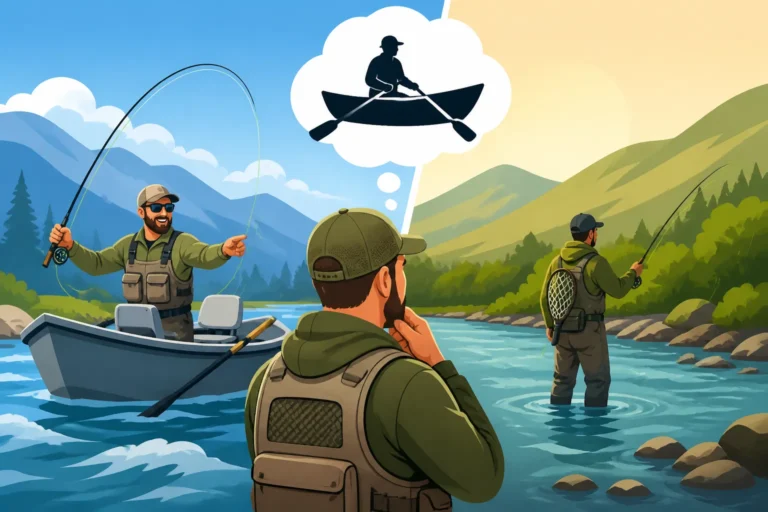
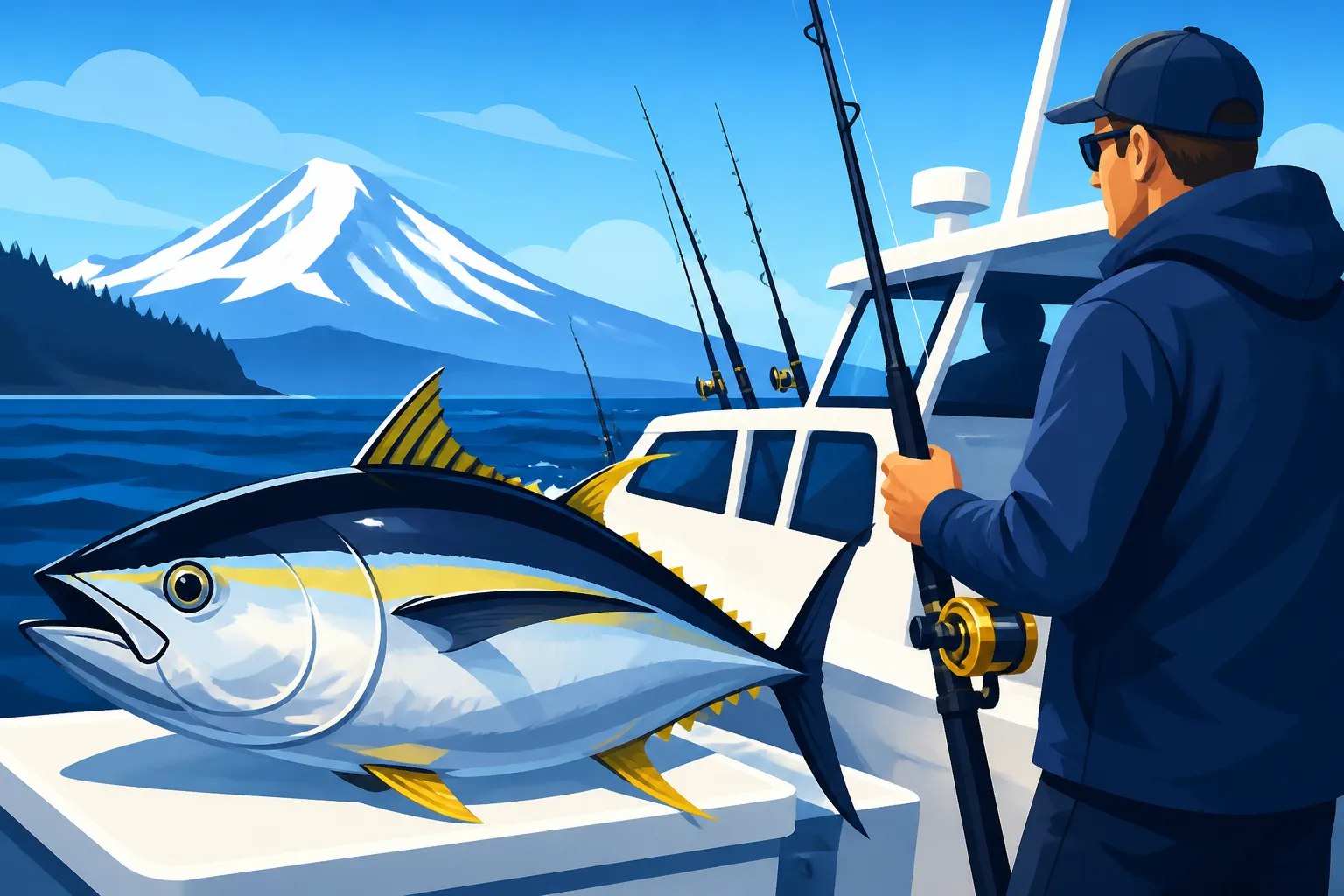
The appeal of Albacore tuna, often affectionately called "longfins" due to their distinctive long pectoral fins, is multi-faceted. First, there's the sheer thrill of the fight. These fish are powerful, fast, and relentless, offering a challenging battle that can test even seasoned anglers. When a school of Albacore lights up, it's a non-stop adrenaline rush, with multiple hook-ups often happening simultaneously. Imagine the chaos and excitement as everyone on deck is battling a hard-pulling fish, reels screaming, and the captain expertly maneuvering the boat! It’s a completely different experience than fishing a calm river for trout or even trolling for salmon in protected waters. This is deep-sea, blue-water action, and it truly gets into your blood.
Beyond the fight, there's the culinary reward. Albacore tuna is renowned for its firm, mild, white meat, which is excellent fresh, seared, grilled, or, famously, canned at home. Many anglers consider it superior to canned store-bought tuna, with a rich flavor profile that's hard to beat. Bringing home a cooler full of fresh Albacore is a trophy in itself, providing delicious meals for weeks or even months if properly processed and frozen or canned. The effort involved in catching them only makes the eventual meal taste even sweeter.
Understanding the Albacore Season in Washington
Timing is absolutely everything when it comes to Albacore tuna. These are warm-water fish, and their presence off the Washington coast is entirely dependent on favorable ocean conditions. We're talking about specific temperature breaks, current lines, and bait concentrations that draw them within reach of our coastal ports. Typically, the Albacore season in Washington kicks off in late summer, usually mid-July, and can extend through early October, sometimes even later if warm water persists. However, this isn't a hard and fast rule; Mother Nature always has the final say.
The exact start and end dates can fluctuate significantly year to year. One season might see them arrive in late June, while another might not truly get going until August. This variability makes it a fishery that requires constant monitoring of ocean conditions, water temperature charts, and reports from commercial and recreational fleets. Successful charter captains are constantly tracking these factors, using satellite imagery and local knowledge to predict where and when the tuna might show up. It’s a dynamic fishery, which adds to the adventure but also means flexibility and staying informed are key. If you're planning a trip, be prepared for the possibility that the fish might move or the bite might be slow if the conditions aren't just right.
Deciding on an Albacore Charter Trip
Once you've set your sights on Albacore, the next big decision is how you'll get out there. For most anglers, especially those new to offshore fishing, booking a charter is the best and safest option. But even then, you have choices, and understanding what an offshore trip entails is crucial for a great experience.
Private vs. Shared Charters for Tuna
When you're looking at booking a tuna trip, you'll generally find two main types of charters: private and shared (also known as "open boat" or "walk-on") trips. Both have their merits, and the best choice depends heavily on your group size, budget, and desired experience.
A private charter means you book the entire boat for your group. This is ideal if you have a larger party of friends or family, or if you simply prefer a more exclusive and customized experience. The main advantage here is flexibility. You can often dictate the departure time, decide how long you want to stay out (within reason and safety limits), and you'll have more individual attention from the crew. The boat is yours for the day, and you won't have to worry about sharing rod space or fish-fighting turns with strangers. The downside, of course, is the cost. A private charter fee is typically for the entire boat, so while it might be more economical per person for a full group, it will be significantly more expensive than a single spot on a shared trip.
Shared charters, on the other hand, allow individual anglers or small groups to book a spot on a boat with other people you may not know. This is a fantastic option for solo anglers, couples, or small groups who want to experience offshore tuna fishing without the full cost of a private boat. It's often a more budget-friendly way to get out on the water. You'll get to meet new people, share stories, and celebrate successes together. However, you'll have less control over the trip's schedule or specific fishing spots, as the captain caters to the group as a whole. You'll also be sharing rod space, and fair rotation for fighting fish is usually established. Most operations, including those listed on platforms like FishingBooker, clearly state whether a trip is private or shared.
| Feature | Private Charter | Shared Charter (Open Boat) |
|---|---|---|
| Cost | Higher overall boat cost | Lower per-person cost |
| Group Size | Ideal for larger groups (4-6+ anglers) | Great for solo anglers or small groups (1-3 anglers) |
| Flexibility | High (departure, duration, target species within limits) | Low (fixed schedule, general target) |
| Privacy | High (only your group onboard) | Low (fishing with strangers) |
| Crew Attention | More personalized | Shared among all anglers |
| Fish Sharing | Entire catch usually for your group | Catch divided among all paying anglers |
| Experience | More intimate, customized | Social, meet new people, less personal space |
What to Expect from an Offshore Tuna Charter
An Albacore tuna charter is not your typical half-day salmon trip. These are serious offshore adventures, often involving long runs and even longer days. You're heading out to the edge of the continental shelf, sometimes 30 to 60 miles or more offshore, to find those productive warm-water breaks.
A typical tuna trip will start very early, often before dawn, with a stern warning from the captain to be on time. The journey out to the fishing grounds can take anywhere from two to four hours, depending on the boat's speed and how far the fish are holding. This means a full day on the water, easily 10 to 14 hours dock-to-dock. You'll spend a significant portion of that time running to and from the fishing grounds, which can be an experience in itself as you watch the sun rise over the Pacific.
Once on the tuna grounds, the primary method is often trolling. Charters will deploy multiple lines with various lures (jigs, cedar plugs, swimbaits) designed to mimic baitfish, running them at specific speeds and depths. When a tuna strikes, it's often a sudden, violent pull, and the crew will shout "FISH ON!" or "HOOKUP!" Once hooked, the boat might slow or stop, and you'll reel in your fish. If the school is active, the captain might put the boat in neutral or idle while anglers cast live bait or artificial jigs into the frenzy, known as "run and gun" or "jigging up." This is where the real excitement of a hot bite comes in, with multiple anglers battling fish simultaneously. The crew will be busy gaffing fish, clearing lines, and re-rigging. How Far Offshore an Albacore Charter Goes explains more about the distances involved.
The boats used for offshore tuna trips are typically well-equipped, often 30 to 50 feet in length, built for open ocean conditions. They'll have a cabin for shelter, a head (bathroom), and powerful engines. Safety is paramount, with all necessary gear like life rafts, EPIRBs, and extensive communication equipment on board. While not luxury cruises, they are designed to be stable and safe in the sometimes challenging Pacific swells.
Physical Demands and Potential Challenges
Let's be realistic: an Albacore tuna trip is not for everyone. It can be physically demanding, and there are a few common challenges you need to be prepared for. The biggest one for many is seasickness. Being miles offshore, in potentially rough swells, for 12+ hours can take a toll. It’s absolutely essential to prepare if you're prone to seasickness or even if you're not sure. Over-the-counter medications like Dramamine or Bonine, or prescription patches, should be taken before you even board the boat, ideally the night before or several hours before departure. Don't wait until you feel ill; by then, it's often too late. Stay hydrated, eat a light, non-greasy breakfast, and avoid reading or focusing on your phone while underway.
Beyond seasickness, the act of fishing itself can be a workout. Fighting a strong, fast-swimming tuna for 15-20 minutes, sometimes repeatedly, can leave your arms and back sore. The long boat ride out and back means a lot of time spent standing or sitting on a moving platform. The weather offshore can change rapidly; even on a sunny day, there might be chop or wind. You'll be exposed to the elements for many hours. Anyone with significant mobility issues or health concerns should seriously consider if an offshore tuna trip is the right fit. However, for those up for the challenge, the rewards are immense!
Finding and Booking Your Albacore Tuna Charter
The Washington coast has several excellent ports that serve as launchpads for Albacore tuna charters. Knowing how to find a reputable operator and what questions to ask can make all the difference in your trip's success.
Key Factors When Choosing a Charter Operator
Not all fishing charters are created equal, and this is especially true for specialized trips like Albacore tuna. When you're entrusting your safety and fishing experience to a captain, it pays to do your homework.
First and foremost, look for operators with proven experience specifically targeting Albacore tuna. Many captains are excellent salmon or halibut guides, but tuna fishing requires different skills, equipment, and knowledge of offshore patterns. A dedicated tuna captain will have the right electronics, specialized trolling gear, and a deep understanding of oceanography to find those elusive warm-water breaks. Don't be afraid to ask about their tuna-specific track record.
Safety is paramount. Ensure the charter is properly licensed, insured, and has a strong safety record. The boat should be well-maintained, and the captain and crew should be trained in first aid and emergency procedures. Reputable charters will never cut corners on safety, especially when heading far offshore. Check for current safety equipment, like life vests, emergency beacons, and communication systems.
Equipment quality also matters. Tuna fishing puts immense strain on rods, reels, and tackle. A good charter will have well-maintained, heavy-duty gear capable of handling powerful tuna, saving you from frustrating equipment failures during a hot bite. They should also have plenty of bait and a variety of lures on hand. Finally, consider their reputation and reviews. Online reviews on sites like FishingBooker, Google, or social media can offer valuable insights into other anglers' experiences. Pay attention to comments about the crew's professionalism, helpfulness, and the overall enjoyment of the trip. A great crew can make a so-so bite still feel like a fantastic day.
The Booking Process and What to Ask
Booking your Albacore tuna charter isn't something you should leave to the last minute, especially if you're targeting the peak season. These trips are incredibly popular, and the best boats book up fast. I'd recommend starting your search and booking several months in advance, particularly if you have specific dates in mind or a larger group.
When you're ready to book, or even just making initial inquiries, here are some crucial questions to ask:
- What's included in the price? Does it cover all fishing gear, bait, fuel, and fish cleaning? Or are there extra costs?
- What about licenses? Do I need to purchase a Washington saltwater fishing license beforehand, or can I get one through them? (Hint: you'll need one! Washington Fishing License Guide for Nonresidents is a great resource).
- What's your cancellation policy, especially for weather? Offshore trips are highly weather-dependent. What happens if the captain deems it unsafe to go out? (You'll want to read about What Happens If Weather Cancels a Washington Charter).
- How many anglers will be on board? This is particularly important for shared trips to manage your expectations about space and rod time.
- What's the typical duration of the trip? Reconfirm the departure and estimated return times.
- What should I bring? Ask for a detailed list of recommended items.
- Is fish cleaning/filleting included? And how should I plan to transport my catch home?
Using platforms like FishingBooker can streamline this process significantly. They allow you to search for charters by location and species, compare different boats, read reviews, and often book directly. It provides a convenient way to see various options side-by-side and quickly identify captains specializing in Albacore. Remember, open communication with your chosen charter is key to a smooth and enjoyable trip.
Understanding Charter Pricing and Inclusions
Charter pricing for Albacore tuna trips can vary, but generally, it's one of the more expensive fishing experiences due to the distance traveled, the amount of fuel burned, and the specialized gear required. For a shared trip, expect a per-person rate. For a private charter, you'll pay a flat fee for the entire boat, regardless of how many people are in your group (up to the vessel's capacity).
When comparing prices, it's crucial to understand what's included. Most reputable charters will cover:
- Rods, reels, and tackle: High-quality gear specifically chosen for tuna.
- Bait and lures: All the necessary terminal tackle and artificials.
- Fuel: This is a major expense for offshore trips and should always be included.
- Professional guide/captain and crew: Their expertise and hard work are invaluable.
- Basic safety equipment: Life vests, first aid, etc.
Things that are typically not included, and which you'll need to budget for, are your Washington saltwater fishing license, food and drinks for the day, and most importantly, tips for the captain and deckhand. Don't forget these essential costs when planning your budget. Some charters might also offer additional services, like vacuum packing or smoking your catch, for an extra fee. Always clarify these details upfront to avoid any surprises.
Preparing for Your Washington Albacore Adventure
A successful tuna trip isn't just about showing up; it's about smart preparation. Being ready for the long day, the elements, and the action will ensure you have a much more comfortable and enjoyable experience.
Essential Gear and Clothing to Bring
The Washington coast, even in summer, can be unpredictable. You might start the day in fog, break into sunshine, and then encounter rain or a chilling breeze miles offshore. Layers are your best friend!
Here's a breakdown of what you absolutely should bring:
- Waterproof outer layer: A good quality rain jacket and pants are non-negotiable, even if the forecast looks clear. Sea spray, unexpected squalls, or even just wet decks can leave you soaked without them.
- Warm layers: Fleece, wool, or synthetic layers that can be added or removed as temperatures change.
- Non-slip footwear: Deck boots or sturdy, waterproof shoes with excellent grip are essential for safety on a wet, rocking boat. No open-toed shoes!
- Hat and sunglasses: Protection from sun glare and wind. Polarized sunglasses will also help you spot fish or structure.
- Sunscreen: Even on cloudy days, the UV reflection off the water is intense. Apply generously and reapply often.
- Seasickness medication: As discussed, take it before you need it.
- Small backpack or dry bag: To keep your personal items organized and dry.
- Camera (optional): A waterproof camera is ideal for capturing the action.
- Cooler (empty): If you plan to take fillets home, bring a large, empty cooler filled with ice in your vehicle. The charter may have a fish hold, but you’ll need your own for the journey home.
- Personal snacks and drinks: While some charters might provide basic refreshments, it's best to pack your own for a long day. Think non-perishable, easy-to-eat items.
- Valid Washington fishing license.
For more detailed packing advice, checking out a guide like What to Bring on a Washington Fishing Charter can be really helpful.
Licensing and Regulations for Albacore
Before you even step foot on a charter boat, you must have the appropriate Washington fishing license. For Albacore tuna, you will need a Washington State saltwater fishing license. There isn't a specific "Albacore endorsement" needed beyond the general saltwater license, but always double-check the current regulations just to be safe. You can purchase these online, at license vendors, or through the MyWDFW app.
It's crucial to understand that even though you're far offshore, Washington State fishing regulations still apply. This includes general rules about legal gear, and importantly, bag and possession limits. For Albacore tuna, the rules are generally quite generous compared to other species, often with no daily or possession limit set by the state. However, regulations can change, and your captain will always be the final authority on current rules for the day. Always defer to their knowledge of the most up-to-date emergency rule changes and seasons. Refer to resources like Washington Fishing Regulations Every Angler Should Know to stay informed.
Food, Hydration, and Comfort on the Water
A long day on the ocean requires proper fueling and hydration. Skipping breakfast or eating something heavy and greasy is a recipe for disaster, especially if you're prone to seasickness. Opt for a light, easily digestible meal like toast, oatmeal, or fruit before you leave.
Pack plenty of water. Dehydration can exacerbate seasickness and fatigue. Bring electrolyte drinks if you like, but water is essential. For food, think simple: sandwiches, granola bars, fruit, crackers. Avoid overly sugary or fatty foods. Many experienced offshore anglers recommend ginger chews or crackers to help settle a queasy stomach.
Comfort is also about managing your body temperature. Those layers we talked about are vital. Being cold or overheated for hours will make for a miserable trip. A good pair of gloves can also be a blessing on chilly mornings or when handling wet fish. Remember, while the captain and crew are focused on finding fish and running the boat, your personal comfort and well-being are primarily your responsibility.
Maximizing Your Tuna Trip Experience
Booking the charter and showing up prepared is half the battle. The other half is knowing how to make the most of your time on the water, working with the crew, and properly handling your prized catch.
Onboard Etiquette and Working with Your Crew
Fishing with a charter, especially on a shared boat, is a team effort. The captain and deckhand are there to put you on fish and ensure your safety, and a good working relationship makes for a better trip for everyone.
Listen to your captain and crew. They are the experts, and they know the boat, the waters, and the fish. Pay attention to safety briefings, instructions on how to use the gear, and any specific rules for the day. When they shout "Fish on!" or give instructions, respond quickly and efficiently. This isn't the time to question tactics or get in the way. They're working hard to make sure everyone has a successful and safe trip.
Be respectful of other anglers. On shared charters, this means giving everyone space, sharing turns fighting fish if the bite is hot, and being mindful of your casting and movement. Celebrate others' successes and offer help if needed. Good camaraderie makes the long day much more enjoyable.
The deckhand is your best friend. They are constantly rigging lines, untangling snags, gaffing fish, and generally making your life easier. Offer to help when appropriate, but mostly, let them do their job. They have a lot to manage, and their efficiency contributes directly to your fishing success.
Handling Your Catch: From Boat to Table
Albacore tuna are incredibly delicious, but their quality can quickly degrade if not handled properly immediately after being caught. Your charter crew will be experts at this, and it’s important to understand the process.
The moment an Albacore is landed, the crew will typically bleed it out. This involves quickly cutting a gill arch or the tail to allow the blood to drain. This process is crucial for preventing the meat from spoiling or developing a strong, "fishy" flavor. After bleeding, the fish will be immediately placed in an ice-filled slush tank or cooler on the boat. Rapid cooling is essential to maintain the firm texture and mild flavor of the tuna. You can't just throw them in a bucket; proper icing is critical for quality.
Once back at the dock, most charters offer fish cleaning and filleting services. This might be included in the charter price or available for an additional fee. Given the number of fish caught and the expertise required to efficiently fillet tuna, it's usually well worth the cost. Have your empty cooler ready in your vehicle, filled with ice, for the journey home. Your crew will package the fillets (often in large plastic bags), which you can then transfer to your cooler. For those wondering about taking their catch further, How to Ship Fish Home From Washington provides great advice on transporting fish, whether by road or air.
Tipping Your Captain and Crew
This is a frequently asked question, and it's important to get it right. Tipping your captain and deckhand is customary in the charter fishing industry and is a direct reflection of your appreciation for their hard work, expertise, and service.
Standard tipping etiquette for fishing charters is usually 15-20% of the total charter cost, divided between the captain and deckhand. If you're on a shared trip, it's 15-20% of your individual fare. If you had an exceptional day, or the crew went above and beyond (e.g., worked tirelessly in rough conditions, helped you with seasickness, or provided incredible service), consider tipping at the higher end or even a little more. Tipping Etiquette for Washington Fishing Guides offers more detailed guidance on this.
Remember, deckhands often work for a minimal daily wage and rely heavily on tips to supplement their income. They are the ones doing the grunt work – rigging, gaffing, cleaning, and assisting anglers all day long. A good tip shows your gratitude and acknowledges the demanding nature of their job. Always tip in cash if possible, directly to the deckhand or captain at the end of the trip.
Best Ports for Washington Albacore Charters
While Albacore tuna can theoretically be accessed from various points along the Washington coast, two ports stand out as the primary hubs for dedicated tuna charters due to their facilities, experienced fleets, and strategic locations.
Westport: A Hub for Offshore Adventures
When you think of offshore fishing in Washington, Westport often comes to mind first. Located on the outer coast at the entrance to Grays Harbor, Westport has a long and storied history as a commercial and sportfishing port. It is arguably the busiest and most well-equipped port for offshore adventures in the state, boasting a large fleet of charter boats ready to head out to the open ocean.
Westport's geographic location makes it an excellent jumping-off point for tuna. The offshore waters are relatively accessible from here, allowing captains to reach the productive warm-water breaks with less run time than from some northern ports. The port itself is set up to cater to anglers, with ample parking, bait and tackle shops, fish processing facilities, and a variety of lodging options. Many of the most experienced tuna captains operate out of Westport, making it a reliable choice for booking your trip. If you're looking for a vibrant fishing town atmosphere and a wide selection of charter options, Westport is an ideal choice. For more on Westport, check out Westport, Washington Halibut and Tuna Charters.
Ilwaco: Columbia River Mouth Access
Another prime location for Albacore tuna charters is Ilwaco, situated at the mouth of the mighty Columbia River, just a short distance from the Pacific Ocean. While Ilwaco is perhaps most famous for its incredible salmon fishery at Buoy 10, it also serves as a critical departure point for offshore tuna boats.
Ilwaco's proximity to the Columbia River plume and the open ocean provides a distinct advantage. The nutrient-rich waters from the Columbia can create bait concentrations and temperature breaks that attract Albacore. Charters departing from Ilwaco can often find tuna relatively quickly once they clear the river mouth, depending on where the fish are holding. The port is well-appointed with marinas, fuel docks, and services geared towards fishing vessels. Like Westport, Ilwaco offers a strong community of experienced captains who know these waters intimately. If you're coming from the southern part of Washington or from Oregon, Ilwaco is an incredibly convenient and productive option for your tuna adventure. Find more details on Ilwaco and the Columbia River Mouth Charters.
Other Potential Departure Points
While Westport and Ilwaco are the main hubs, it's worth noting that some other ports along the Washington coast occasionally offer Albacore opportunities, though typically on a more limited basis or for different reasons. Ports like La Push or Neah Bay on the Olympic Peninsula might see tuna within striking distance, especially if the warm water pushes further north. However, these ports are often more focused on salmon and halibut. If you're set on a dedicated Albacore trip, Westport and Ilwaco will give you the most consistent options and specialized charter fleets. For the best chance at landing Albacore, these two southern coastal towns are your best bet. Always check current conditions and availability with charter operators in specific areas. You can also research "Best Charter Port for Albacore Tuna" to see what other anglers are saying in any given season.
Disclaimer
This article is for general informational purposes only and does not constitute professional advice. Laws, prices and regulations vary by location and change over time. Consult a qualified professional for guidance on your specific situation.