Booking a Washington Charter During Buoy 10 Season
The Buoy 10 fishery at the mouth of the Columbia River is legendary, drawing anglers from all over for its incredible salmon runs. But trying to book a charter for this high-demand season can feel like navigating a maze blindfolded, often leaving you frustrated by full boats and skyrocketing prices. This guide is here to demystify the process, helping you understand how to secure your spot for a memorable trip during this iconic Washington fishing opportunity.
What Makes Buoy 10 Fishing So Special (and Challenging)?
Let's be real, the Buoy 10 fishery isn't just another fishing spot; it's an event. Every year, thousands of Chinook and Coho salmon stack up at the mouth of the Columbia River, preparing for their upstream migration. This convergence creates an incredible opportunity, but also some unique challenges that can make booking and fishing this area a distinct experience. It's a place of incredible potential and equally incredible competition.
The Epic Salmon Migration
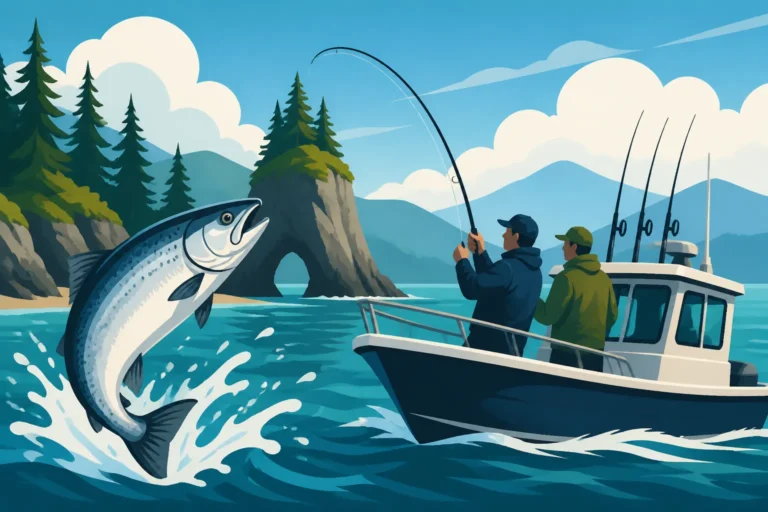
Imagine millions of salmon, after years in the vast Pacific, funneling into one relatively small area before they begin their long journey home. That's essentially what happens at Buoy 10. You're talking about huge numbers of both Chinook, often called "Kings" for their size and fighting power, and acrobatic Coho salmon. This isn't just a few fish; it's a massive, concentrated movement of prime sport fish. Anglers flock here because the sheer volume of fish means your chances of hooking into a trophy are significantly higher than in many other locations. It's a true spectacle of nature and an angler's dream, offering an unparalleled opportunity to target some of the most sought-after salmon species on the West Coast.
The migration timing is a dance with nature, influenced by water temperatures, river flows, and ocean conditions. Early in the season, typically August, you'll see a strong push of Chinook. As August progresses into September, the Coho numbers often swell, creating a mixed bag fishery that can be incredibly exciting. Understanding these general patterns is crucial, as it impacts when you'll want to fish and, consequently, when you should try to book your charter. You're essentially timing your trip to intercept a moving target, which adds to both the allure and the complexity of the Buoy 10 experience.
The Crowds and Competition
With such an epic natural event, it's no surprise that Buoy 10 becomes a bustling hub of activity. The sheer number of boats on the water can be overwhelming, especially for those accustomed to more solitary fishing experiences. You'll see everything from small private boats to large, multi-person charters, all vying for the best drifts and troll lanes. This isn't a quiet, serene river experience; it's a vibrant, sometimes chaotic, marine freeway. This level of competition means that prime fishing spots are fiercely contended, and boat etiquette becomes paramount to ensure everyone has a safe and enjoyable time.
The competition extends beyond just finding a fishing spot; it dramatically impacts charter availability. Operators in the Ilwaco and Astoria areas are in extremely high demand, with their calendars often booking up months, sometimes even a year, in advance. This is where many anglers experience that first pang of frustration: calling around only to find every boat spoken for during the dates they hoped to fish. It's not just about finding a charter; it's about finding an available charter during the short window of the season. Planning ahead isn't just a suggestion here; it's an absolute necessity if you want to be part of the action.
The Dynamic Columbia River Conditions
Fishing the mouth of the Columbia River isn't like fishing a calm lake. This is a massive, powerful waterway influenced by ocean tides, river flow, and often unpredictable coastal weather. The conditions can change rapidly, from glass-calm mornings to white-capping afternoons. Strong currents can make boat positioning and bait presentation challenging, requiring skilled boat handling and local knowledge. High winds can make for a bumpy ride and even lead to charter cancellations, which is a real bummer after all the anticipation. What Happens If Weather Cancels a Washington Charter? covers more about navigating these situations.
Understanding the interplay of tides is especially critical at Buoy 10. The incoming tide often brings in fresh waves of salmon from the ocean, while the outgoing tide helps move them upriver. Many captains will time their drifts and fishing efforts to coincide with specific tide changes, as this can dramatically affect fishing success. A good charter captain will intimately know these patterns and adjust their strategy accordingly, giving you the best chance to be on fish. Don't underestimate the power and complexity of this incredible estuary; it demands respect and expertise, which is precisely why a skilled guide is such a valuable asset here.
When to Book Your Buoy 10 Charter
If there's one piece of advice that stands above all others for Buoy 10, it's this: don't procrastinate. The window for prime fishing is relatively short, and the demand is incredibly high. Thinking you can just call up a week or two before and find a boat is a recipe for disappointment. This isn't your average trout lake outing; it's a major seasonal event.
The Early Bird Gets the Worm (and the Boat)
For the best selection of dates and captains, you really need to be thinking about booking your Buoy 10 charter many months in advance. We're talking about looking at the upcoming season as early as late fall or early winter of the previous year. Many reputable charter operations will open their books for the next Buoy 10 season shortly after the current one wraps up, and those prime weekend dates and the first few weeks of August fill up incredibly fast. It might sound excessive, but waiting until spring to book for an August trip is often too late to get your first choice, or even a second or third choice.
Think of it like booking tickets to a sold-out concert. The most popular acts (the best captains) and the most desirable dates (peak August weekends) vanish almost instantly. If you have a specific date in mind, especially if it coincides with a holiday weekend or a prime-time run, booking early is your only real guarantee. It also gives you more flexibility to choose between different charter options and ensures you're not scrambling at the last minute, settling for whatever might be left. Platforms like FishingBooker can give you a head start by showing available charters and their calendars, helping you plan well in advance.
Understanding Peak Weeks
While the entire Buoy 10 season is exciting, there are definitely "peak weeks" when the fishing is traditionally at its hottest. These usually fall in mid-August, when both Chinook and Coho are present in significant numbers, offering anglers a chance at a true mixed bag. However, these peak weeks are also when the crowds are at their absolute maximum, and charter prices might be at their highest. If your goal is to maximize your chances and you don't mind the bustling atmosphere, targeting these weeks makes sense – but be prepared to book even earlier.
Sometimes, the "shoulder" weeks, just before or after the absolute peak, can offer fantastic fishing with slightly less pressure. For example, early August can be incredible for Chinook, while early September can still produce strong Coho numbers, sometimes with fewer boats on the water. It pays to do a little research on historical run timing and discuss with potential captains what their expectations are for different parts of the season. Flexibility with your dates, even by a week or two, can sometimes unlock opportunities you might have missed by being too rigid. Keep an eye on the official WDFW forecasts and reports as the season approaches to help fine-tune your timing. Washington Fishing Seasons: A Month-by-Month Guide provides a broader overview of seasonal opportunities.
Last-Minute Openings and Flexibility
So, what if you didn't book a year in advance? Is all hope lost? Not necessarily, but you'll need to be flexible and persistent. Sometimes, cancellations happen, or a charter might have a last-minute opening due to a change in plans from another group. It’s worth calling around to captains a few weeks or even days before your desired fishing date, especially if you can go on a weekday. Weekdays generally see lighter crowds and might have more availability than the coveted weekend slots.
Being flexible also means being open to different types of trips. Maybe your first choice was a private charter, but a shared trip has an opening. Or perhaps you were set on a full day, but a half-day trip is available. Sometimes, a guide might have a cancellation on a prime day but for a single seat, so if you're a solo angler or a small group, you might luck out. Don't be afraid to ask to be put on a waiting list, and make sure your phone is charged and ready if a call comes through! You never know when opportunity might knock, especially during a dynamic fishery like Buoy 10.
Key Factors to Consider When Choosing a Buoy 10 Charter
When you're shelling out good money and investing your precious vacation time into a trip, you want to make sure you're getting the best possible experience. This is especially true for Buoy 10, where the stakes are high, and the conditions can be challenging. Not all charters are created equal, and knowing what to look for can make a huge difference in your success and enjoyment. How to Book a Fishing Charter in Washington provides a broader guide, but here we'll focus on Buoy 10 specifics.
Experience and Reputation of the Captain
This is arguably the most crucial factor for a successful Buoy 10 trip. The Columbia River mouth is a complex area, with strong currents, shifting sands, and heavy boat traffic. An experienced Buoy 10 captain knows the tides, the channels, the salmon migration patterns, and, perhaps most importantly, how to navigate safely and effectively in crowded conditions. They'll have years, if not decades, of experience specifically in this fishery, and that local knowledge is invaluable. A seasoned captain won't just put you on fish; they'll do it safely and efficiently, often adapting to changing conditions throughout the day.
Don't be shy about asking a captain about their Buoy 10 experience when you call. Look for reviews online, on platforms like FishingBooker, or ask for recommendations from fellow anglers. A captain with a strong reputation for safety, fish-finding ability, and excellent customer service is worth waiting for and potentially paying a bit more for. They'll be able to explain why Emergency Rule Changes: Why Washington's Rules Shift Mid-Season are so common and how they affect the day's plans. A less experienced captain might get overwhelmed by the crowds or misread the river, leading to a frustrating or unproductive day. You're not just paying for a boat; you're paying for their expertise.
Boat Size and Amenities
Charter boats come in a variety of sizes and configurations, and what's right for you depends on your group and preferences. Smaller, faster boats might be more agile in getting to prime spots, while larger vessels can offer more stability and comfort in choppy conditions, which can be common on the Columbia Bar. Consider the number of people in your party. A small group might prefer a more intimate experience on a "six-pack" charter (meaning it takes up to six paying passengers), while a larger group might need a bigger boat or multiple smaller boats.
Beyond size, think about amenities. Is there a heated cabin if you're fishing in cooler weather? Is there a marine head (toilet) on board, which is a big deal on a full-day trip? Does the boat have a covered area to get out of the sun or rain? While the focus is always on catching fish, being comfortable makes the entire experience much more enjoyable. Ask what kind of electronics they have – a good fish finder and radar can be vital for safety and success in this busy area.
What's Included (and What's Not)
Before you book, make sure you have a clear understanding of what your charter fee covers. This is where hidden costs can sometimes creep in, causing an unpleasant surprise at the end of the day. Most charters will include the use of quality rods, reels, and tackle, as well as bait. However, sometimes certain specialized gear or bait might be extra, so it's always good to confirm. It's rare for charters to include your fishing license, so you'll almost certainly need to purchase that in advance. What License Do You Need on a Washington Charter Boat? is a good resource for understanding this.
Beyond the fishing itself, consider post-catch services. Does the charter clean and bag your fish for you at the dock, or is that an additional service or something you're expected to do yourself? Some charters offer this as part of the package, while others might have a separate charge or send you to a local fish processor. Don't forget gratuities! Tipping your captain and deckhand is standard practice in the charter world for good service, and it's good to budget for that. Tipping Etiquette for Washington Fishing Guides offers a comprehensive guide on this. Clarifying all these details upfront ensures there are no misunderstandings and you can budget accurately for your adventure.
Group Size and Charter Type
Choosing between a private charter and a shared (or "open boat") charter is a significant decision that impacts both cost and experience. A private charter means you book the entire boat for your group, whether it's two people or six. This offers maximum flexibility, personalized attention from the captain, and the ability to dictate the pace and focus of the day. It's often the preferred choice for families or groups of friends who want an exclusive experience. However, it's also the more expensive option, as you're covering the entire boat's cost.
A shared charter, on the other hand, means you book individual spots on a boat with other anglers you may not know. This is a much more budget-friendly option, as the cost is split among all passengers. You still get the benefit of a professional captain and a well-equipped boat, but you'll be sharing the deck, and the captain's focus will be divided among the group. For solo anglers or small groups who want to experience Buoy 10 without the higher price tag of a private boat, a shared charter is a fantastic choice. Just be prepared for less flexibility in decision-making and potentially less deck space.
The Booking Process: From Inquiry to Onboard
Once you've decided that Buoy 10 is where you want to be, and you've got a handle on when you want to go, it's time to actually make that dream a reality. Navigating the booking process can feel like a mini-adventure in itself, but with a clear plan, you can secure your spot without too much hassle. This is where your preparedness truly pays off.
Researching and Contacting Charters
Your first step is to compile a list of reputable charter operators. Online searches, local fishing forums, and word-of-mouth recommendations are all great starting points. Many charters have their own websites where you can view their offerings, check availability, and sometimes even book directly. However, don't overlook dedicated booking platforms like FishingBooker. These sites consolidate many charters in one place, allowing you to compare options, read reviews, and often see real-time availability. Using a platform like this can save you a lot of time by letting you filter by location, date, and even target species.
When you contact a charter, whether by phone or email, be prepared with your desired dates, the number of people in your party, and any specific questions you have. Remember, these captains are busy, especially during peak season, so being clear and concise helps everyone. Don't be discouraged if your first few calls don't yield results; keep working down your list. Sometimes, simply stating you're flexible on dates can open up opportunities. It's a bit of a numbers game, but persistence will pay off.
Questions to Ask Before Committing
Before you put down a deposit, have a checklist of questions ready. Beyond the basics of price and what's included, ask about their specific Buoy 10 experience. How many years have they been guiding this particular fishery? What's their typical strategy for targeting Chinook Salmon: Washington's King of Fish versus Coho Salmon Fishing in Washington during your chosen dates? Ask about the maximum number of anglers they take on board, even for a shared trip, to gauge how crowded it might feel.
It’s also smart to ask about contingencies. What happens if the weather turns foul? What if the bite is slow? A good captain will be upfront about the realities of fishing and won't make unrealistic promises. For instance, you might want to ask: "What's your policy if we hit our limits quickly? Do we head back to the dock, or is there an option to try for other species or continue catch-and-release if regulations allow?" How to Check for Emergency Rule Changes in Washington is a resource you should be familiar with, and a good captain will be up to date. These types of questions not only help you manage expectations but also give you insight into the captain's professionalism and customer service.
Deposits, Cancellations, and Weather Policies
Almost all charters will require a deposit to secure your booking, especially for a high-demand fishery like Buoy 10. Make sure you understand the amount, how to pay it, and if it's refundable under any circumstances. Review the charter's cancellation policy thoroughly. What's the deadline for you to cancel without losing your deposit? What happens if the charter cancels due to mechanical issues or an unforeseen event? These details can vary significantly between operators.
Crucially, understand their weather policy. Buoy 10 fishing can be impacted by strong winds, rough seas, or dangerous bar conditions. Most reputable captains will cancel or postpone a trip if they deem conditions unsafe, prioritizing passenger safety. If this happens, what are your options? Is it a full refund, or can you reschedule? Having a clear understanding of these policies upfront prevents any unpleasant surprises if Mother Nature decides to throw a wrench in your plans. Cancellation Policies for Washington Charters delves into this topic more broadly.
Preparing for Your Buoy 10 Adventure
So, you've booked your charter, and the date is drawing near. The excitement is building! Now it's time to make sure you're properly prepared for your Buoy 10 fishing adventure. Being ready not only enhances your personal comfort but also contributes to a smoother, more enjoyable trip for everyone on board.
Essential Gear and Clothing
The weather at the mouth of the Columbia can be incredibly fickle, even in summer. It can start out foggy and cold, turn sunny and warm, and then windy and rainy, all in the same day. Layers are your best friend! Think moisture-wicking base layers, a warm fleece or puffy jacket, and then a waterproof and windproof outer shell. Even if the forecast is sunny, bring rain gear – it's better to have it and not need it than to be soaked and miserable. Rain Gear You Need for Winter Steelheading has some good advice applicable to coastal conditions too.
Footwear is also critical. Choose waterproof, non-slip boots or deck shoes. You'll be on a wet, potentially rocky, and moving surface, so good traction is essential for safety. Don't forget a hat (wide-brimmed for sun, warm for cold), sunglasses to reduce glare, and sunscreen. Even on cloudy days, UV rays reflect off the water, and a sunburn can quickly ruin your trip. A good pair of gloves can also be handy for handling fish or cold lines.
Food, Drinks, and Comfort Items
A full day of fishing, especially in the Buoy 10 environment, can be physically demanding. Make sure you pack plenty of food and drinks to stay hydrated and energized. Sandwiches, snacks, fruit, and plenty of water are always a good idea. Avoid anything too messy or that requires extensive preparation. Most charters have cooler space, but it's wise to bring your own small cooler with your personal provisions.
If you're prone to seasickness, this is not the time to test your limits. The bar area can get rough, and while most captains try to avoid the worst conditions, a choppy ride is always a possibility. Consider taking motion sickness medication like Dramamine or Bonine before you even board the boat, following the package directions. Ginger candies or wristbands can also offer some relief. It's far better to be prepared than to spend your entire trip feeling nauseous. Bring any personal medications you might need, and make sure to let the captain know if you have any medical conditions or allergies they should be aware of.
Understanding Regulations and Your Catch Record Card
Washington fishing regulations, especially for salmon, can be incredibly complex and often change mid-season due to emergency rule adjustments. Before your trip, take some time to review the current rules for the Columbia River, particularly for the Buoy 10 area. Pay close attention to daily bag limits, size restrictions, and any specific gear requirements like barbless hooks. Your captain will be up to date on the rules, but it's always good for you to have a basic understanding as well. Reading the Washington Sport Fishing Regulations Pamphlet can help you interpret the specifics.
You will also need a Washington fishing license that covers salmon and saltwater (or a combination license if you plan to fish other waters). Crucially, you'll need a The Washington Catch Record Card and What It Requires if you plan to keep any salmon or steelhead. Make sure you have it in your possession and understand how to properly fill it out immediately upon retaining a fish. Failure to correctly record your catch can lead to fines and penalties. While your guide will assist, the ultimate responsibility for your catch card lies with you.
Buoy 10 Charter Considerations
To help you visualize some of the key trade-offs and decisions you'll face when planning your Buoy 10 trip, here's a quick comparison.
| Feature | Early Season (Early-Mid August) | Late Season (Late August – Early September) |
|---|---|---|
| Primary Target | Strong Chinook (King Salmon) run | Strong Coho (Silver Salmon) run, some lingering Chinook |
| Crowd Levels | Very high, especially weekends | Slightly less intense than peak Chinook, but still busy |
| Booking Window | Needs to be booked 6-12 months in advance for best dates | Can sometimes find openings closer to season, still best to book early |
| Weather Tendency | Can be hot and sunny, but coastal fog and wind are common | More likelihood of cooler, windier, or rainy days |
| Tidal Influence | Extremely important for positioning in river mouth | Still critical, but fish may be spreading further upriver |
| Typical Cost | Generally at peak rates due to demand for larger Chinook | May be slightly lower or similar, depending on Coho run strength |
| Fish Size Potential | Higher average size for Chinook | Coho are typically smaller but fight hard and are great eating |
| Overall Experience | High energy, often intense fishing, good chance at large fish | Still excellent fishing, often very active Coho, slightly more relaxed |
Disclaimer
This article is for general informational purposes only and does not constitute professional advice. Laws, prices and regulations vary by location and change over time. Consult a qualified professional for guidance on your specific situation.