How to Book a Guide for Sekiu
Trying to navigate the incredible fishing opportunities around Sekiu, Washington, can feel a bit overwhelming, especially if you're new to these waters or just want to maximize your precious time on the Strait of Juan de Fuca. This guide is designed to cut through that confusion, helping you understand exactly what to look for and how to confidently book the perfect fishing guide for an unforgettable Sekiu adventure.
Why Sekiu Calls to Anglers and Why a Guide Helps
Sekiu, a small, charming community nestled on the northern Olympic Peninsula, holds a legendary status among Washington anglers. It's a gateway to some of the most productive and diverse fishing grounds in the Pacific Northwest. But with such bounty comes complexity, and that's precisely why a good guide can turn a good trip into a truly spectacular one.
The Unique Appeal of Sekiu Waters
Sekiu isn't just another pretty spot on the map; it's strategically positioned to offer incredible access to the rich marine environment of the Strait of Juan de Fuca. This means proximity to excellent salmon runs, thriving bottomfish habitat, and even migratory halibut. The protected waters of the Strait often provide a more comfortable fishing experience than the open ocean, making it appealing to a wider range of anglers, from seasoned veterans to families with young adventurers. You've got the rugged beauty of the Olympic Mountains to the south and the vast expanse of the Strait to the north, often teeming with wildlife like whales, porpoises, and seabirds. For those new to the area, just figuring out where to launch, where the fish are holding, and what the current regulations even permit can be a huge headache, threatening to eat up valuable fishing time.
The Unbeatable Edge of a Local Guide
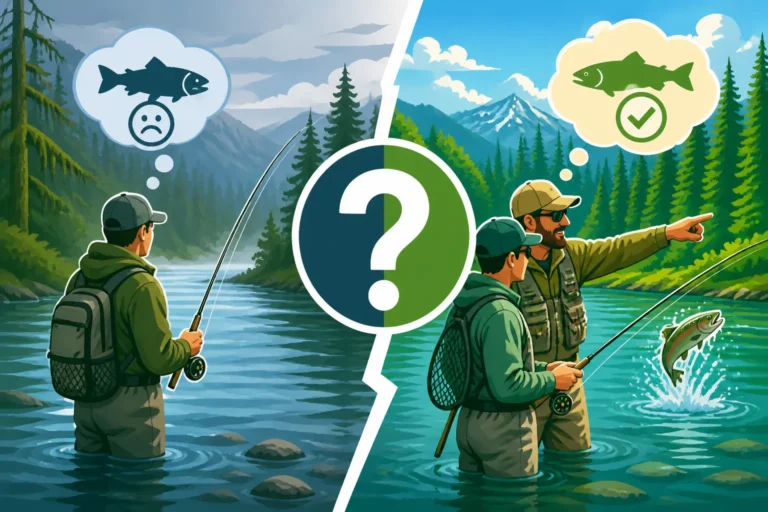
Imagine showing up to a new fishing destination with a perfectly maintained boat, all the right gear already rigged, and a seasoned veteran who knows every rock, current, and fish-holding depth like the back of their hand. That's the advantage a local Sekiu guide brings to the table. They spend hundreds of days a year on these specific waters, constantly tracking baitfish movements, salmon migrations, and emergency regulation changes. They know when to be where, what techniques are working best on a given day, and how to safely navigate the currents and occasional rough patches. Beyond just finding fish, a guide ensures your trip is as productive and stress-free as possible, handling all the logistical heavy lifting so you can focus purely on the thrill of the catch. They are your personal expert, saving you years of trial and error and significantly increasing your chances of success.
Planning Your Sekiu Guided Trip: Key Considerations
Before you even start looking at specific guides, it's wise to have a clear idea of what kind of trip you're hoping for. A little pre-planning goes a long way in ensuring you find a guide who can deliver exactly the experience you're dreaming of.
Timing Your Adventure: Seasons and Species
The waters around Sekiu are dynamic, with different fish species peaking at various times of the year. If you have a particular target in mind, like a trophy Chinook salmon or a delicious halibut, timing is everything. Generally, Chinook (King Salmon) tend to be strong in the summer months, while Coho (Silver Salmon) often pick up in late summer and early fall. Halibut fishing has a much shorter, more specific season, typically in the spring and early summer, governed by strict quotas and specific fishing days. Bottomfish like lingcod and various rockfish are often available for longer stretches. If you're flexible, you might find a guide can offer a combo trip, but knowing your priority species will help narrow down the available dates and the type of guide best suited for your goals. It's really important to check the Washington Sport Fishing Seasons and Emergency Closures for the most current information. You might be targeting Chinook but find that When Chinook Salmon Run in Washington's Puget Sound is slightly different than the Sekiu area, or that When Coho Salmon Run in Washington aligns perfectly with your vacation dates. Similarly, if halibut is your goal, understanding When Washington's Halibut Season Opens is paramount.
Understanding Guide Offerings and Trip Types
Not all guided trips are created equal, and understanding the different options will help you choose wisely. You'll typically encounter:
- Half-Day vs. Full-Day Trips: As the names suggest, half-day trips are shorter, usually 4-5 hours, while full-day trips can run 8 hours or more. Half-day trips are great for beginners, families with younger kids, or if you're combining fishing with other activities. Full-day trips offer more time to move between spots, adapt to changing conditions, and significantly increase your chances of finding and catching fish. The difference in cost can be substantial, so it's a good idea to consider your stamina and goals. You can read more about the differences in Half-Day vs Full-Day Salmon Charters.
- Private vs. Shared Charters: A private charter means you book the entire boat for your group, whether it's two people or six. This offers maximum flexibility in terms of target species, fishing spots, and start times. Shared charters, also known as "open boat" trips, mean you pay per person and join other anglers. Shared trips are often more budget-friendly but mean less control over the trip's specifics. Many guides who run larger boats will offer both options. To weigh your options, consider Shared vs Private Fishing Charters in Washington.
- What's Included (and What's Not): Most Sekiu guides will provide all the necessary fishing gear (rods, reels, tackle, bait), and many will clean and bag your catch at the end of the day. However, it's rare for your fishing license or a The Washington Catch Record Card and What It Requires to be included. You'll also typically need to bring your own food, drinks, and a cooler for your fillets. Always clarify these details upfront to avoid surprises.
Budgeting for Your Sekiu Fishing Experience
Let's be real: guided fishing trips are an investment, but they're an investment in a high-quality experience and a significantly better chance of success. The cost of a Sekiu fishing guide will vary based on several factors:
- Trip Length: As mentioned, full-day trips are more expensive than half-day trips.
- Boat Size and Type: Larger, more comfortable boats with advanced electronics often come with a higher price tag.
- Target Species: Some species, like halibut, might involve more specialized gear or longer runs, influencing the price.
- Private vs. Shared: Private charters will naturally cost more total, but can be very economical per person if you have a full group. Shared trips are a set price per person.
- Peak Season vs. Off-Season: Prices might be higher during prime fishing seasons when demand is at its peak.
While I can't give you exact figures, expect guided trips to range from a few hundred dollars for a shared half-day to over a thousand for a private full-day, depending on these factors. Always check the guide's website or contact them directly for current pricing. Remember, while it might seem like a lot, you're paying for expertise, equipment, and a memorable day on the water. For a general understanding, you can look at articles like Washington Guided Fishing Trip Costs, but always confirm Sekiu-specific rates directly.
Finding and Vetting the Right Sekiu Guide
Once you have a good idea of what you want to fish for and when, the next step is finding a guide who can make it happen. This involves some research and asking the right questions.
Where to Start Your Search for Guides
The internet is your best friend here, but don't stop there.
- Online Search: A simple Google search for "Sekiu fishing guide" or "Sekiu fishing charter" will yield a number of results. Look for guides with professional websites, clear contact information, and plenty of photos of successful trips.
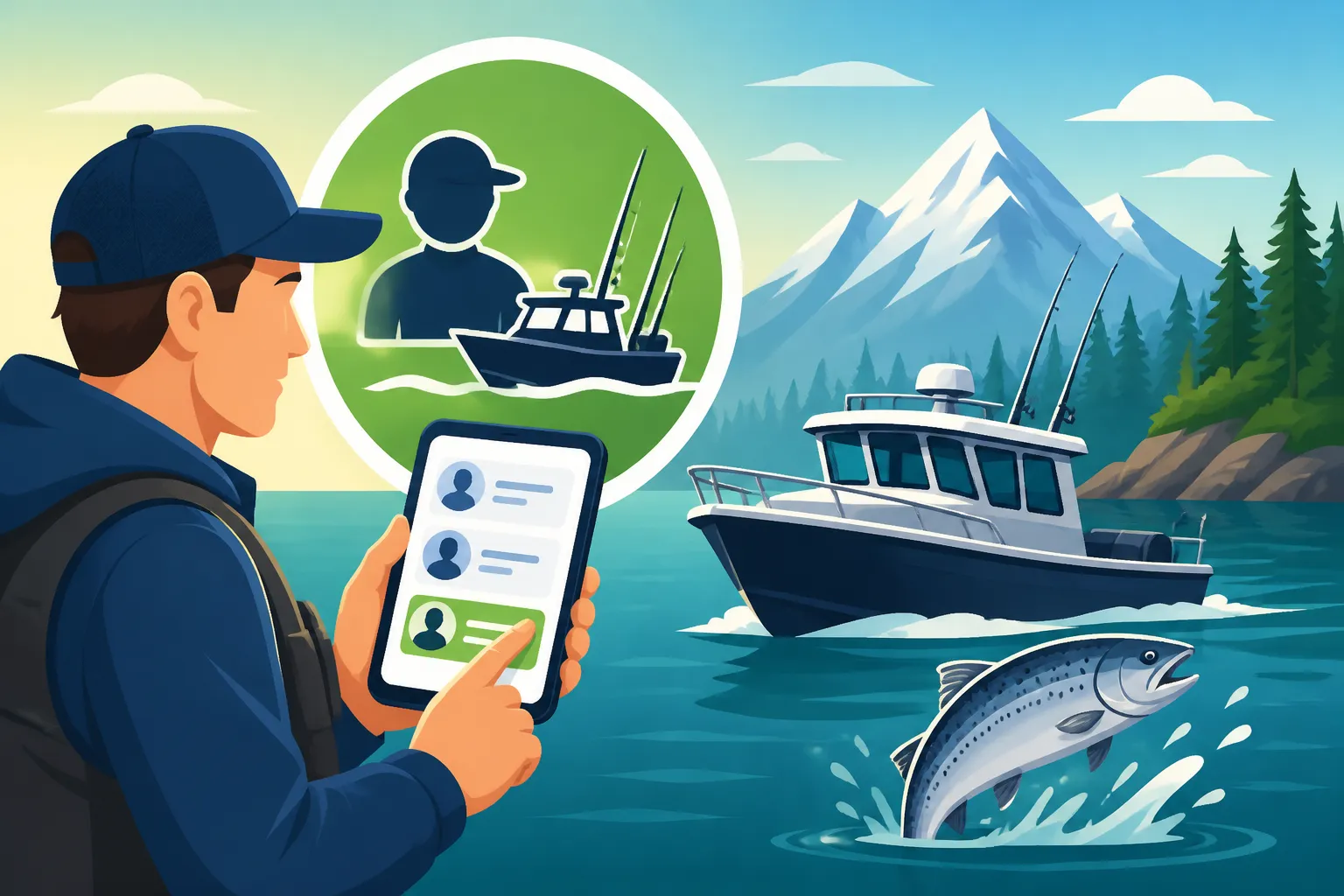
- Online Booking Platforms: Websites like FishingBooker are excellent resources. They allow you to browse multiple Sekiu guides, compare their offerings, read reviews from past clients, and often book directly. Using such a platform can simplify the search significantly, providing a one-stop shop for finding reputable operators.
- Local Word-of-Mouth: If you know anyone who has fished Sekiu before, ask them for recommendations. Local tackle shops in Port Angeles or even Sekiu itself are also great places to inquire; they often know the guides personally.
- Reading Reviews: Pay close attention to online reviews, whether on Google, Facebook, or booking platforms. Look for consistent positive feedback about the guide's professionalism, fishing success, boat condition, and communication. Don't be immediately turned off by one or two less-than-stellar reviews; rather, look for patterns. You can also get general tips on How to Book a Fishing Charter in Washington.
Key Questions to Ask Prospective Guides
Once you've identified a few potential guides, it's time to reach out and ask some specific questions. This isn't just about price; it's about finding someone you'll be comfortable spending a day with and who aligns with your fishing style.
| Category | Key Questions to Ask | Why It Matters |
|---|---|---|
| Experience | How long have you been guiding in Sekiu? | Ensures they have deep local knowledge and consistent success. |
| What are your specialty species? | Confirms alignment with your target fish. | |
| Boat & Gear | What kind of boat do you run, and how many people does it accommodate? | Comfort, safety, and suitability for your group size. |
| Is all fishing gear provided, or should I bring my own? | Avoids surprises, ensures you have the right equipment. | |
| Is bait included? | Standard for most, but always good to confirm. | |
| Logistics | What time do we typically start and end? | Helps with planning your day, travel, and accommodation. |
| What's your cancellation policy, especially for weather? | Crucial for Washington's unpredictable weather. See Cancellation Policies for Washington Charters. | |
| Do you clean and bag the fish, and what's the process? | Ensures you know what to expect with your catch. Refer to Do Charters Clean and Package Your Fish?. | |
| What to Bring | What should I bring for food, drinks, and personal items? | Prepares you for the trip, prevents discomfort. For a full list, check What to Bring on a Washington Fishing Charter. |
| Do I need a cooler for my fish after the trip? | Essential for transporting your fillets home. | |
| Safety & Licensing | Are you USCG licensed and insured? | Non-negotiable for your safety and peace of mind. Discussed in How to Know a Washington Guide Is Licensed. |
| What safety equipment is on board? | Reassures you that safety is a priority. |
Don't be shy about asking these questions. A professional guide will be happy to answer them thoroughly.
Confirming Credentials and Trustworthiness
This is a critical step. Unfortunately, not everyone operating a boat is legally or properly equipped.
- Licensing: In Washington, fishing guides operating for hire must be licensed by the U.S. Coast Guard (USCG) and often have specific state endorsements. Don't hesitate to ask for their USCG captain's license number. A reputable guide will have this readily available. This is important for both your safety and their legality.
- Insurance: A legitimate guide will carry liability insurance. While you hope to never need it, it's a vital layer of protection.
- Reputation: Beyond online reviews, consistency in reputation is key. If a guide has been operating in Sekiu for many years and is consistently recommended by locals or other anglers, that speaks volumes. Platforms like FishingBooker often vet their listed captains, adding an extra layer of confidence.
Booking Your Trip and Preparing for Success
You've done your research, found your ideal guide, and now it's time to make it official! The final steps ensure your trip goes off without a hitch.
The Booking Process and Deposit
Most guides will require a deposit to secure your date, especially during peak seasons. This is standard practice and protects both you and the guide.
- Deposit Amount: Deposits can vary, but often range from 25-50% of the total trip cost.
- Payment Methods: Guides typically accept credit cards, bank transfers, or checks for deposits. Final payment is often due on the day of the trip, usually in cash, but confirm their preferred method.
- Written Confirmation: Always get a written confirmation of your booking, including the date, time, cost, deposit paid, and cancellation policy. This can be an email or a formal booking confirmation if you're using a platform like FishingBooker, which provides secure booking and clear terms.
Essential Gear and Personal Items to Bring
Even though your guide provides much of the fishing gear, there are several crucial items you'll need to bring yourself to ensure a comfortable and productive day on the water. Washington weather, especially on the coast, can change in an instant, so layers are your best friend!
- Washington Fishing License: This is non-negotiable. You MUST have a valid Washington State fishing license for the appropriate waters (saltwater, or a combination if fishing freshwater tributaries) and a Catch Record Card if targeting salmon or steelhead. You can often purchase these online from the WDFW website or at local license vendors. Make sure it's valid for the date of your trip. Remember to understand the specifics of a Washington Fishing License Guide for Nonresidents if you're visiting.
- Warm, Layered Clothing: Even on sunny days, it can be chilly on the water, especially in the morning or if the wind picks up. Think breathable base layers, a fleece or sweater, and a waterproof/windproof outer shell. Consider What to Wear on a Washington Puget Sound Charter.
- Rain Gear: It’s Washington. Always expect rain, even if the forecast looks clear. Good quality rain pants and a jacket are essential.
- Non-Slip Footwear: You'll be on a boat deck, which can get wet and slippery. Boots or deck shoes with good traction are a must.
- Food and Drinks: Pack snacks, sandwiches, and plenty of water or other beverages. Your guide won't usually provide these.
- Sun Protection: Sunglasses, sunscreen, and a wide-brimmed hat are vital, even on cloudy days, due to UV reflection off the water.
- Camera: To capture those memorable moments (and big fish!).
- Cooler: Bring an empty cooler in your vehicle to transport your cleaned fish home.
- Seasickness Medication: If you're prone to motion sickness, take appropriate medication well before the trip starts.
- Gratuity: Have cash on hand for your guide's tip. This is a big one, which we'll cover next.
Maximizing Your Guided Experience
You've invested your time and money, so make the most of it!
- Listen to Your Guide: They are the expert. Pay attention to their instructions on casting, rigging, and fighting fish. Their advice is based on years of experience.
- Be Prepared: Show up on time with all your personal gear. A smooth start to the day sets a positive tone.
- Communicate: If you have questions or concerns, speak up. If you're feeling seasick or need a break, let your guide know.
- Manage Expectations: Fishing is fishing; there are no guarantees. While a good guide will put you in the best position for success, sometimes the fish just aren't biting. Enjoy the experience, the scenery, and the company regardless.
- Tip Appropriately: Tipping is customary and greatly appreciated in the guiding industry. A typical gratuity for a good experience is 15-20% of the trip cost. This acknowledges their hard work, expertise, and service. You can learn more about Tipping Etiquette for Washington Fishing Guides.
By following these steps, you'll be well on your way to booking a fantastic guided fishing trip out of Sekiu, creating memories that will last long after the last fillet is in the freezer.
Disclaimer
This article is for general informational purposes only and does not constitute professional advice. Laws, prices and regulations vary by location and change over time. Consult a qualified professional for guidance on your specific situation.