What to Wear on a Washington Puget Sound Charter
One of the trickiest parts about gearing up for a Washington Puget Sound fishing charter isn't just picking the right rod or lure, it's figuring out what to actually wear. The weather here is famously fickle, and a sunny morning can turn into a blustery, rainy afternoon faster than you can say "fish on!" This guide will walk you through exactly what clothing you need to stay comfortable, dry, and ready for action, no matter what the Sound throws your way.
Understanding Puget Sound Weather: Expect the Unexpected
Before we even talk about specific garments, let's get real about the weather you're likely to encounter on Puget Sound. It’s not always the glorious postcard sunshine you see in brochures, especially if you're out chasing salmon in the cooler months or just hitting the water on a typical grey Washington day. Being prepared for anything is your best strategy.
The Microclimates of Puget Sound
Puget Sound is a vast, complex body of water, and the weather can genuinely vary from one marine area to another. You might depart from Seattle under clear skies, but by the time you reach the fishing grounds near Everett or out towards the San Juan Islands, conditions could be completely different. The Olympic Mountains to the west and the Cascades to the east create distinct weather patterns, often leading to localized rain showers or strong winds that seem to appear out of nowhere. It’s not uncommon for one side of the Sound to be soaked while the other is merely overcast. Always check the forecast for your specific departure point and the general fishing area, but understand that even the best forecast is just a guideline in this region. This variability is precisely why layering is so critical.
Wind, Rain, and Spray: The Constant Companions
Even on a "nice" day, you'll be dealing with wind and boat spray. The boat moving, especially at speed, creates its own wind chill, and even small chop can send refreshing (read: soaking) splashes over the bow. When it actually rains, it can come down hard and relentlessly. Prolonged exposure to wind and wet can quickly lead to hypothermia, even if the air temperature isn't freezing. It's a common frustration for newcomers who underestimate how much colder it feels on the water compared to land, or how quickly damp clothing can chill you to the bone. Your outer layers absolutely must be windproof and waterproof to protect you from these omnipresent elements. Don't rely on a flimsy rain jacket you'd use for a quick jog; you need robust protection.
Temperature Swings
Another characteristic of Puget Sound weather is its dramatic temperature swings. A morning charter starting at dawn might see temperatures in the low 40s or 50s, requiring warm insulation. By midday, if the sun breaks through, it could climb into the 60s or even 70s, making you want to shed those layers. Then, as the afternoon wears on or clouds roll in, the chill can return just as quickly. This constant ebb and flow of temperature means you need clothing that can be easily added or removed. Being able to adjust your comfort level on the fly will make a huge difference in your enjoyment of the trip. Thinking about Best Time to Fish for Chinook in Washington's Puget Sound also means considering the seasonal temperature variations.
Essential Layers: Your Best Defense Against the Elements
The key to comfortable fishing on Puget Sound, or anywhere with unpredictable weather, is a well-thought-out layering system. Forget trying to wear one big, heavy coat; you need multiple, thinner layers that work together to trap heat, wick moisture, and repel external wetness.
The Base Layer: Moisture-Wicking Magic
Your base layer is the first line of defense against both cold and sweat. This is the layer directly against your skin, and its primary job is to wick moisture away from your body. Why is this so important? Because if sweat stays on your skin, it cools rapidly and makes you feel much colder.
- Material Matters: Absolutely, positively avoid cotton for your base layer. Cotton absorbs moisture and holds it, losing all its insulating properties once wet. Instead, opt for materials like merino wool or synthetic fabrics (polyester, polypropylene). Merino wool is fantastic because it's naturally odor-resistant and provides excellent warmth even when damp. Synthetics are often more affordable and dry very quickly.
- Fit: Your base layer should be snug but not restrictive, allowing it to efficiently move moisture. Long sleeves and long pants are generally recommended, even if it feels a bit warm at the start, as they provide continuous coverage and can be rolled up if needed.
- Real-Life Scenario: Imagine you're reeling in a feisty coho salmon. You're working up a sweat, your heart is pumping. If you're wearing a cotton t-shirt, that sweat will quickly turn cold as you stop exerting yourself, leaving you shivering. With a good merino wool base layer, that moisture gets pulled away, keeping your core temperature stable. This is a small detail that makes a huge difference over a multi-hour trip.
The Mid-Layer: Insulation for Warmth
Once your base layer is managing moisture, your mid-layer steps in to provide insulation and trap body heat. This is where you add the bulk of your warmth.
- Material Matters: Good options include fleece jackets or vests, down or synthetic puff jackets, or even heavier wool sweaters. Fleece is a popular choice because it's lightweight, breathable, and still insulates when damp. Puff jackets offer excellent warmth-to-weight ratio but can lose insulating power if they get soaking wet, which is why your outer layer is so crucial.
- Versatility: This layer is often the one you'll add or remove throughout the day as temperatures fluctuate. Having a couple of different mid-layer options – perhaps a lighter fleece and a heavier insulated vest – allows you to fine-tune your warmth.
- Layering Up: On a truly cold day, you might even wear two mid-layers, like a thin fleece over your base layer, and then a puff jacket over the fleece. This combination creates multiple air pockets, enhancing insulation. Remember to leave enough room under your outer shell to accommodate these layers without feeling squeezed.
The Outer Layer: Waterproof and Windproof Protection
This is your armor against the elements, and it's arguably the most important layer for a comfortable day on Puget Sound. Your outer layer needs to be completely waterproof and windproof to protect your inner layers from getting wet and losing their insulating power.
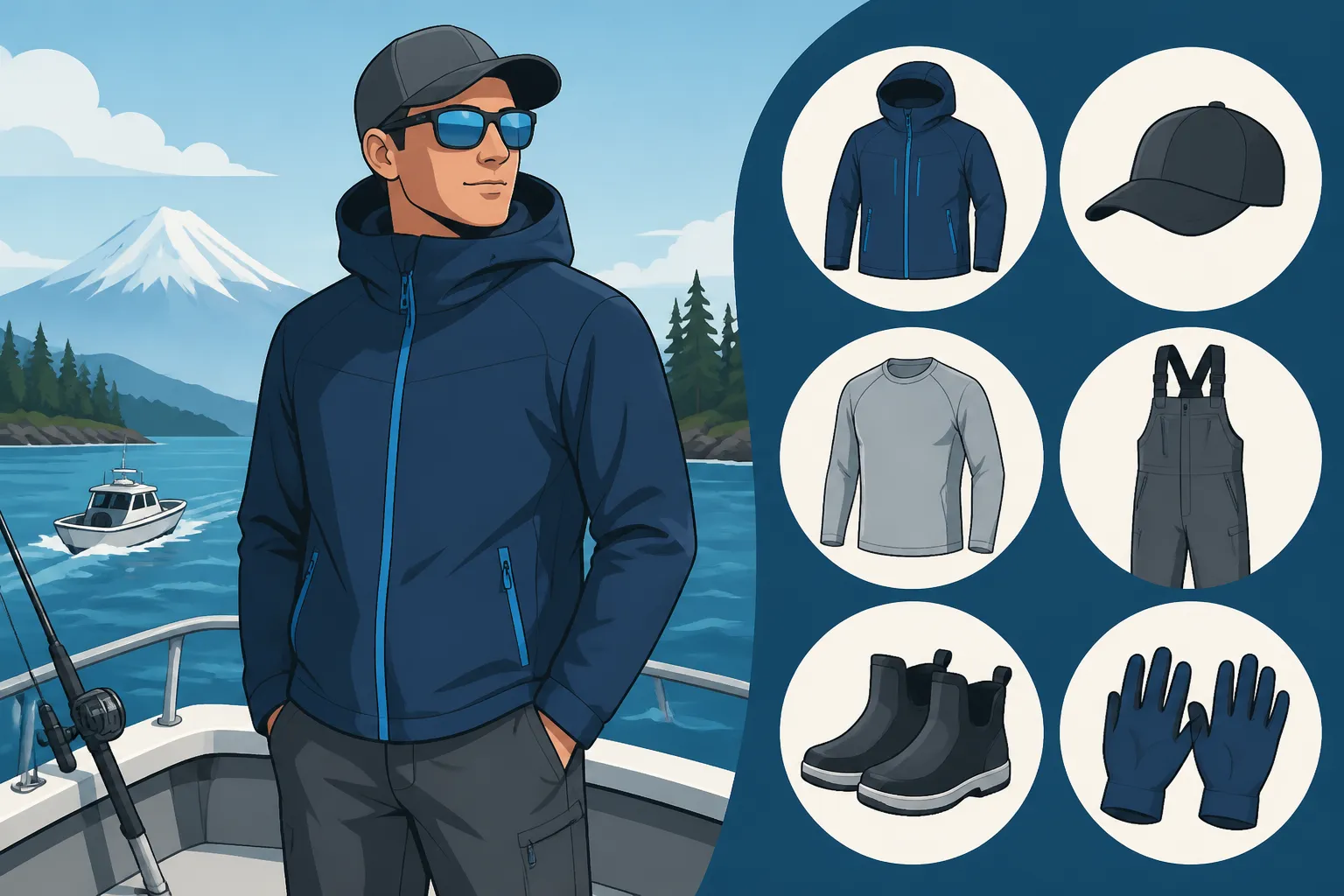
- Jacket and Pants (or Bibs): You need both a waterproof jacket and waterproof pants. Many experienced anglers opt for fishing bibs (overall-style pants) paired with a waterproof jacket. Bibs provide extra coverage and prevent water from seeping in where your jacket and pants meet, especially when bending, sitting, or kneeling.
- Material Matters: Look for high-performance breathable waterproof fabrics like Gore-Tex or proprietary equivalents from outdoor brands. These materials allow sweat vapor to escape while blocking external water, preventing that clammy feeling. Look for sealed seams and waterproof zippers.
- Features: A good outer shell will have an adjustable hood that can cinch down tight, adjustable cuffs, and a high collar to protect your neck and face from wind and spray. Pockets with waterproof zippers are also a plus for securing small items.
- Investment: If there's one area to invest a bit more, it's your outer layer. A cheap rain jacket will eventually wet out, leaving you cold and miserable. High-quality rain gear, like those designed for serious offshore fishing, can literally be a game-changer. Think of it as investing in your enjoyment and safety on the water. When you’re planning your trip through platforms like FishingBooker, you might even find charters that offer rental rain gear if you don't own your own. You can learn more about specific foul weather gear in Rain Gear You Need for Winter Steelheading.
| Layer Type | Purpose | Recommended Materials | Avoid | Key Features |
|---|---|---|---|---|
| Base | Wicks moisture away from skin | Merino wool, synthetic blends | Cotton | Snug fit, long sleeves/pants |
| Mid | Insulates, traps body heat | Fleece, synthetic/down puff | Heavy cotton | Easily removable, zippered for ventilation |
| Outer | Waterproof, windproof shield | Gore-Tex, high-performance nylon | Ponchos, light rain jackets | Sealed seams, adjustable hood/cuffs, bibs recommended |
Footwear, Headwear, and Handwear: Don't Forget the Details
It's easy to focus on your torso and legs, but your extremities are often the first to get cold or wet, and they can make or break your comfort level.
Waterproof Boots: Keeping Your Feet Dry and Stable
Cold, wet feet are a fast track to misery on any fishing trip. Protecting your feet is paramount.
- Rubber Boots are King: Full-height rubber fishing boots (often called Xtratufs or similar brands) are the gold standard for good reason. They are completely waterproof, provide excellent traction on a wet, slippery boat deck, and offer good ankle support. Calf-high is a good minimum, but knee-high is even better for maximum protection from spray and occasional puddles on deck.
- Non-Slip Soles: This isn't just about comfort; it's about safety. Boat decks can be incredibly slick, especially with fish slime, water, and bait. Your boots need aggressive, non-slip soles to prevent falls.
- Warm Socks: Don't forget what goes inside the boots. Wear warm, moisture-wicking socks made of wool or synthetic blends. Again, avoid cotton socks, which will leave your feet cold and clammy the moment they get damp. Bringing an extra pair to change into halfway through the trip is always a smart move.
Hats and Headwear: Blocking Sun and Retaining Heat
Your head is a major source of heat loss, and also susceptible to sun exposure and windburn.
- Cold Weather: A warm beanie or wool hat is essential for retaining heat. Even if you think it's not that cold, the constant wind on the water will chill you surprisingly quickly.
- Sun Protection: If it's a sunny day, a wide-brimmed hat or a baseball cap can protect your face and neck from the sun's UV rays, which are amplified by the reflection off the water. Consider wearing both: a beanie under a baseball cap, or having both options handy to switch as needed.
- Neck Gaiter/Buff: A neck gaiter or buff is a versatile piece of gear that can protect your neck from sun, wind, and cold. It can also be pulled up over your nose and ears for added warmth.
Gloves: For Warmth and Grip
Your hands are constantly exposed and active, making them prone to cold and wetness. Gloves can provide warmth, protection, and improved grip.
- Waterproof Gloves: For colder or wetter conditions, waterproof gloves are a must. They can be invaluable when handling wet lines, bait, or fish. Look for gloves with good dexterity so you can still tie knots or operate your reel effectively.
- Fingerless Gloves: Some anglers prefer fingerless gloves for better feel and dexterity, especially if the weather isn't too severe. These are great for maintaining grip on a slippery rod.
- Layering Gloves: On truly cold days, you might wear a thin, wicking liner glove under a thicker, waterproof outer glove. Having a spare pair is always a good idea. You never know when one might get soaked.
What NOT to Wear (And Why): Common Mistakes to Avoid
Just as important as knowing what to wear is knowing what not to wear. These common mistakes can quickly ruin an otherwise fantastic day on the water.
The Cotton Curse
We touched on this already, but it bears repeating: avoid cotton at all costs. Jeans, cotton sweatshirts, cotton t-shirts, cotton socks – these are your enemies on the water. When cotton gets wet, it loses all its insulating properties and stays wet for a long time, drawing heat away from your body. You'll feel cold, clammy, and miserable. Save your favorite denim for land-based activities.
Restrictive Clothing
While layering is important, you don't want to feel like the Michelin Man. Avoid overly bulky or tight clothing that restricts your movement. Fishing involves casting, reeling, bending, and sometimes scrambling around the boat. Your clothing needs to allow for a full range of motion. Opt for athletic cuts or clothing with some stretch. You don't want your clothes to hinder your ability to fight a big salmon or quickly react to a bite. Comfort is key to enjoying your time, especially on longer trips. When booking through a service like FishingBooker, you can sometimes ask guides if they recommend any specific clothing, which can provide extra peace of mind.
Expensive, Non-Fishing Attire
Leave your fancy designer clothes at home. Fishing is a dirty business. You'll be dealing with fish slime, blood, bait, chum, and maybe even a bit of diesel fuel. Your clothes are going to get stained and possibly torn. Wear clothes that you don't mind getting messy, or ideally, gear specifically designed for fishing that can withstand the rigors of the marine environment and clean up easily. This isn't the time to break out your new white sneakers or cashmere sweater. Focus on functionality and durability over fashion.
By thinking through these layers and choosing the right materials, you'll be well-prepared for whatever the beautiful, yet unpredictable, Puget Sound decides to throw at your charter trip. Staying warm and dry means you can focus on the fishing, and isn't that why you're out there? Remember, even a quick Half-Day vs Full-Day Salmon Charters can expose you to the full range of Washington weather, so always be ready!
Disclaimer
This article is for general informational purposes only and does not constitute professional advice. Laws, prices and regulations vary by location and change over time. Consult a qualified professional for guidance on your specific situation.