Best Time to Fish for Chinook in Washington’s Puget Sound
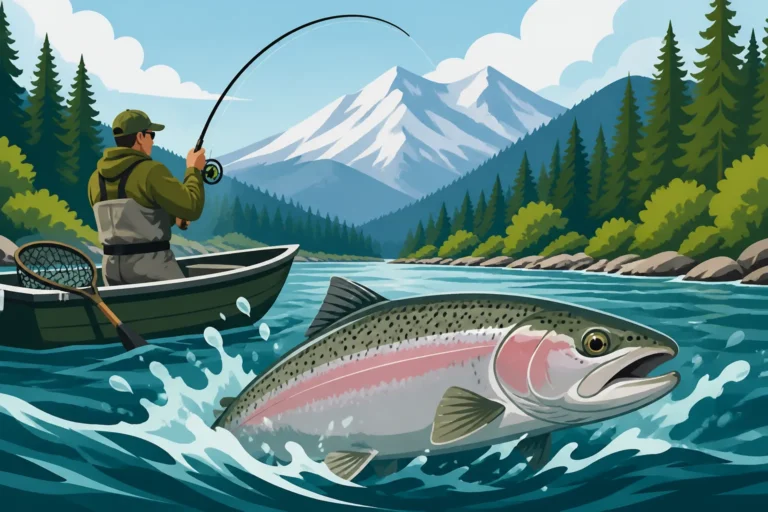
There's nothing quite like the thrill of a Chinook salmon hitting your line in Washington's Puget Sound. These magnificent fish, often called "Kings," are legendary for their size and fighting spirit. But let's be honest, figuring out when and where to intercept them can feel like solving a complex puzzle. With varying runs, intricate marine area regulations, and fish that seem to have a mind of their own, it's easy to get discouraged. This guide is here to untangle that complexity, giving you a clear picture of the best times to fish for Chinook in Puget Sound, ensuring your efforts are rewarded.
Understanding Puget Sound Chinook: Resident Blackmouth vs. Migratory Kings
Before we dive into specific times, it's really important to understand that when we talk about Chinook salmon in Puget Sound, we're actually talking about two distinct groups with different behaviors and seasons: the resident "blackmouth" and the migratory "kings" or mature adults returning to spawn. Missing this distinction is where many anglers get confused and can lead to frustration.
The Year-Round Appeal of Blackmouth Chinook
Blackmouth are essentially immature Chinook salmon that have decided to take up residence in Puget Sound, spending their entire juvenile lives (and sometimes a few years) feeding within its nutrient-rich waters rather than migrating out to the open ocean. These fish are available in varying degrees throughout the year, offering a more consistent, albeit often smaller, target for dedicated anglers. They are typically found patrolling baitfish schools in areas with good current and structure, such as ledges, points, and humps.
Think of them as the local diners who never leave town. They're here all the time, just moving between their favorite feeding spots. While they don't reach the immense sizes of their ocean-going cousins, a 5 to 15-pound blackmouth is a fantastic fight and excellent eating. You can learn more about "How to Identify a Washington Chinook Salmon" to properly distinguish them from other species you might encounter.
The Grand Return: Migratory Adult Chinook
These are the big boys and girls – the mature Chinook salmon that have spent years out in the Pacific Ocean, growing large and strong, and are now returning to their natal rivers within the Puget Sound basin to spawn. Their arrival is what many anglers eagerly anticipate each summer and fall. These fish are on a mission, driven by instinct, and their presence in the Sound is more concentrated and seasonal.
The timing of these migratory runs is dictated by the specific river systems they are heading to, such as the Skagit, Snohomish, Nisqually, and Green rivers, among many others. Because of this, what might be "prime time" in one marine area might be completely dead in another, even just a few miles away. These are the fish that truly earn Chinook the nickname "King Salmon," often tipping the scales into the 20s, 30s, or even 40s of pounds. Their powerful runs and deep dives are unforgettable.
Navigating the Calendar: Best Times for Puget Sound Chinook by Marine Area
Pinpointing the "best time" is really about knowing which type of Chinook you're targeting and which specific Marine Area you plan to fish, because Washington's regulations for Puget Sound are highly localized and change frequently. The Washington Department of Fish and Wildlife (WDFW) divides Puget Sound into several Marine Areas (MAs), each with its own specific opening and closing dates, daily limits, and sometimes even gear restrictions. This is why always checking the latest WDFW regulations is absolutely paramount before heading out.
Winter Blackmouth Season (November – April)
This is prime time for those dedicated resident Chinook. As the weather cools and the boat traffic lessens, the blackmouth fishing can really heat up in certain areas.
- Marine Area 9 (Admiralty Inlet): This area, encompassing places like Point No Point and Midchannel Bank, is a perennial favorite for winter blackmouth. The strong currents here concentrate baitfish, which in turn holds the blackmouth. Opens typically in late fall or early winter and can run through early spring.
- Marine Area 10 (Seattle/Bremerton Area): Spots like Kingston, Jefferson Head, and the shipping lanes off Seattle can hold good numbers of blackmouth during the winter months. These areas are easily accessible for many anglers.
- Marine Area 11 (Tacoma/South Sound): The waters off Point Defiance, Clay Banks, and Dash Point often offer good winter blackmouth opportunities. This can be a more sheltered option when the rest of the Sound is rough.
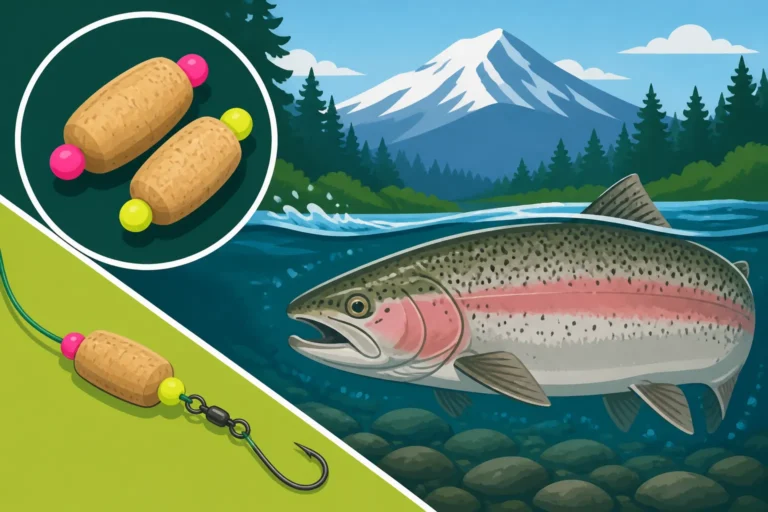
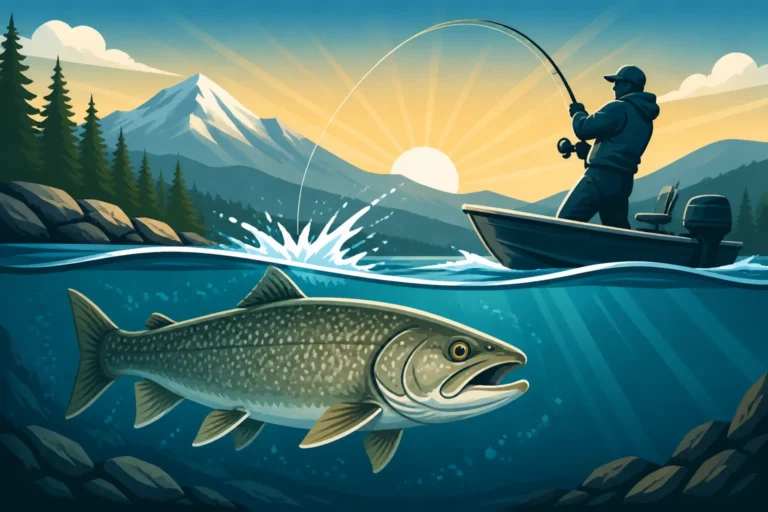
During the winter, trolling is the most common and effective technique, often involving downriggers to get your gear down to the fish that are typically holding deep. Popular lures include spoons, plugs, and hootchies behind flashers. You'll often find anglers slowly trolling along ledges and drop-offs where baitfish are abundant. A good depth sounder is your best friend during these months, helping you find those deep holding patterns. If you need new downrigger weights or a selection of quality flashers, you can usually find great deals on Amazon, getting them delivered right to your door before your next trip.
Summer and Fall Migratory King Salmon Season (July – October)
This is the season for the big ocean-run Chinook, and it's often more constrained by specific opening and closing dates driven by conservation goals for various wild and hatchery stocks. These fish are typically larger and more aggressive, making for an epic fight.
- Marine Area 5 & 6 (Strait of Juan de Fuca): These areas are the gateway to Puget Sound. Early in the summer, especially July, these waters can be fantastic for staging Chinook before they push further into the Sound. Places like Sekiu and Neah Bay offer incredible fishing for these fresh-from-the-ocean kings.
- Marine Area 9 (Admiralty Inlet): Again, Area 9 is critical. As the summer progresses, large schools of Chinook destined for rivers further south and east will stage and pass through Admiralty Inlet. Late July and August can be spectacular here, offering some of the best chances for large fish. Keep an eye on the "Puget Sound Salmon Closures: What Washington Anglers Need to Know" to ensure you're fishing legally.
- Marine Area 10 (Seattle Area): While not as consistently red-hot as Area 9 for large numbers, good pushes of Chinook move through Area 10, especially closer to river mouths like the Edmonds area and Elliott Bay, often in August and early September.
- Marine Area 11 (South Puget Sound): The South Sound sees its run later in the summer and into early fall, usually peaking from mid-August through September, as Chinook head for rivers like the Nisqually and Puyallup.
For these migratory fish, trolling is still dominant, but often with heavier gear and bigger baits or lures to attract larger, more aggressive fish. Mooching with whole or cut-plug herring is also a highly effective technique, especially when you find concentrated schools of fish. Knowing "When Chinook Salmon Run in Washington's Puget Sound" in general terms is a great start, but the specific Marine Area rules are the ultimate guide.
Here's a simplified overview of typical Chinook opportunities in key Puget Sound Marine Areas. Please remember, these are general trends, and specific seasons change annually and often mid-season due to emergency rules. Always check the WDFW regulations before you go!
| Marine Area | Primary Chinook Target | Typical Peak Season | Common Techniques | Notes |
|---|---|---|---|---|
| MA 5 & 6 | Migratory Chinook | July – Early Aug | Trolling, Mooching | Western entry point, often earliest big fish. |
| MA 9 | Blackmouth, Migratory Chinook | Winter/Early Spring (Blackmouth), Late July – Aug (Migratory) | Trolling, Mooching | Critical staging area, strong currents. |
| MA 10 | Blackmouth, Migratory Chinook | Winter/Early Spring (Blackmouth), Aug – Early Sept (Migratory) | Trolling, Mooching, Jigging | More accessible from Seattle, good urban fishing. |
| MA 11 | Blackmouth, Migratory Chinook | Winter/Early Spring (Blackmouth), Aug – Sept (Migratory) | Trolling, Mooching | South Sound focus, often hatchery-driven opportunities. |
Strategies for Success: Key Factors Beyond the Calendar
While knowing the general seasons is crucial, successful Chinook fishing in Puget Sound often comes down to understanding the nuances of the environment and staying on top of the latest information.
The Ever-Changing Rules: Your First Priority
I cannot stress this enough: Washington's fishing regulations, especially for salmon in Puget Sound, are incredibly dynamic. Seasons can open and close with very little notice, sometimes due to unforeseen shifts in fish returns or conservation concerns. Always, always check the WDFW's official emergency rule change notices before every single trip. You can find these on the WDFW website or through their Fish Washington app. Trust me, it's far better to spend five minutes checking online than to face a hefty fine or, worse, unknowingly contribute to an overharvest of a struggling stock. You’ll want to be familiar with "Emergency Rule Changes: Why Washington's Rules Shift Mid-Season" as they happen frequently.
Tides and Currents: The Angler's Compass
Puget Sound is a tidal environment, and the movement of water plays an immense role in Chinook behavior. Strong tidal exchanges create current, which concentrates baitfish and acts like a highway for migrating salmon.
- Slack Tide: This is often a slower period. Chinook might disperse or become less active in their feeding.
- Moving Tide (Incoming or Outgoing): This is typically when the fishing picks up. Chinook use the current to conserve energy while moving, or they position themselves to ambush baitfish that are swept past them. Fishing the first few hours of a strong incoming or outgoing tide can be exceptionally productive.
- Tidal Swings: Areas with larger tidal exchanges, like Admiralty Inlet (MA 9), tend to have stronger currents and can be incredible fishing grounds, but they also demand more attention to boat control and presentation. Familiarizing yourself with "Best Tides for Puget Sound Salmon Fishing in Washington" will certainly give you an edge.
Baitfish and Water Temperature: Following the Food
Chinook salmon are predators, and they go where the food is. Keeping an eye on local baitfish reports (herring, candlefish, anchovies) is key. If you find the bait, you're likely to find the Chinook nearby. Similarly, water temperature plays a role. Chinook generally prefer cooler water, so during warmer summer months, they might hold deeper or in areas with upwelling currents. During winter, they'll seek out comfortable temperature bands.
Local Knowledge and Gear Prep
Chatting with staff at local tackle shops (like Sportco in Fife or Outdoor Emporium in Seattle) or reading online fishing forums can provide invaluable, up-to-the-minute information on where the bite is hot. These local experts live and breathe Puget Sound fishing and often have the best insights into current patterns.
And speaking of gear, having the right setup is half the battle. Whether you're trolling with downriggers, mooching with herring, or jigging, ensure your rods, reels, line, and terminal tackle are in top condition. Investing in quality gear, from reliable braided line to sharp hooks, is always worth it. If you need to restock on essential terminal tackle like leader material, swivels, or weights, Amazon is a convenient place to buy them. Having a variety of lures and bait options can make a big difference, especially when the fish are finicky. Our guide on "Gear You Need for Washington Puget Sound Salmon" can provide more detailed recommendations.
Beyond the Bite: Common Challenges and Conservation for Chinook Anglers
Fishing for Chinook in Puget Sound isn't just about catching fish; it's also about being a responsible angler and understanding the broader context of this amazing fishery.
The "Wild vs. Hatchery" Challenge
Many Puget Sound Chinook runs have both wild and hatchery components. Wild populations are often protected, meaning strict regulations are in place to ensure their survival. This typically manifests as "mark-selective" fisheries, where only hatchery-origin fish (identified by a missing adipose fin, also known as a "clipped fin") can be retained. This means careful identification is essential. Misidentifying a wild fish and retaining it can lead to serious penalties and harms conservation efforts. This is a common practice you'll see with salmon and steelhead throughout the state, as discussed in "Wild Steelhead vs Hatchery Steelhead in Washington".
Weather and Water Conditions
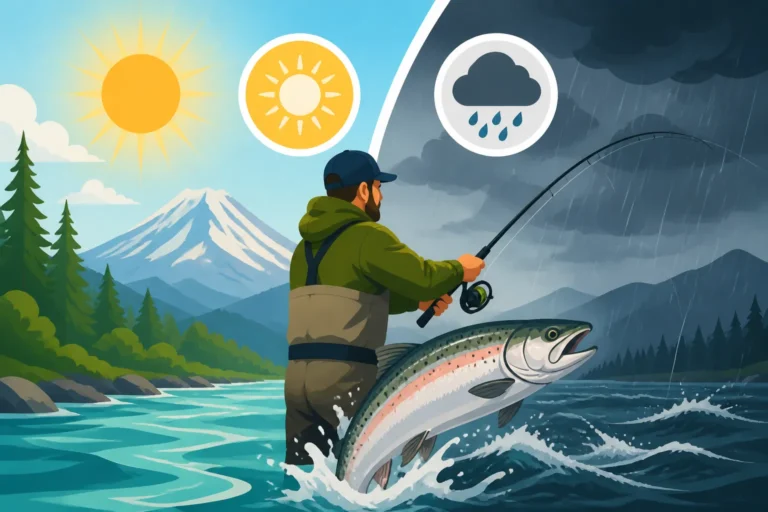
Puget Sound can be beautiful and serene, but it can also turn nasty very quickly. Winter blackmouth fishing often means contending with cold, wet, and windy conditions. Even summer can bring unexpected chop and squalls. Always check the marine weather forecast before you go, dress appropriately in layers, and ensure your boat is equipped for the conditions. A sudden change in weather can make an otherwise perfect day miserable or even dangerous.
Conservation and Ethical Angling
Chinook salmon are a precious resource, and their populations face numerous challenges. As anglers, we have a responsibility to be part of the solution. This means:
- Adhering to all regulations: Limits, seasons, gear restrictions – they are there for a reason.
- Proper catch-and-release practices: If you're releasing a fish (especially a wild one), do so quickly and carefully to maximize its chances of survival.
- Respecting other anglers: Puget Sound can get crowded, especially during peak seasons. Be courteous, give other boats space, and don't cut lines.
- Reporting violations: If you see illegal activity, report it to WDFW enforcement. Protecting the fishery is everyone's job.
By understanding the unique life cycles of blackmouth and migratory kings, diligently checking regulations, paying attention to environmental factors, and practicing ethical angling, you'll significantly increase your chances of finding that dream Chinook in Washington's beautiful Puget Sound.
Disclaimer
Fishing regulations are subject to change without notice. Always consult the latest Washington Department of Fish and Wildlife (WDFW) regulations before planning any fishing trip to ensure compliance. This guide is for informational purposes only and does not constitute legal advice.