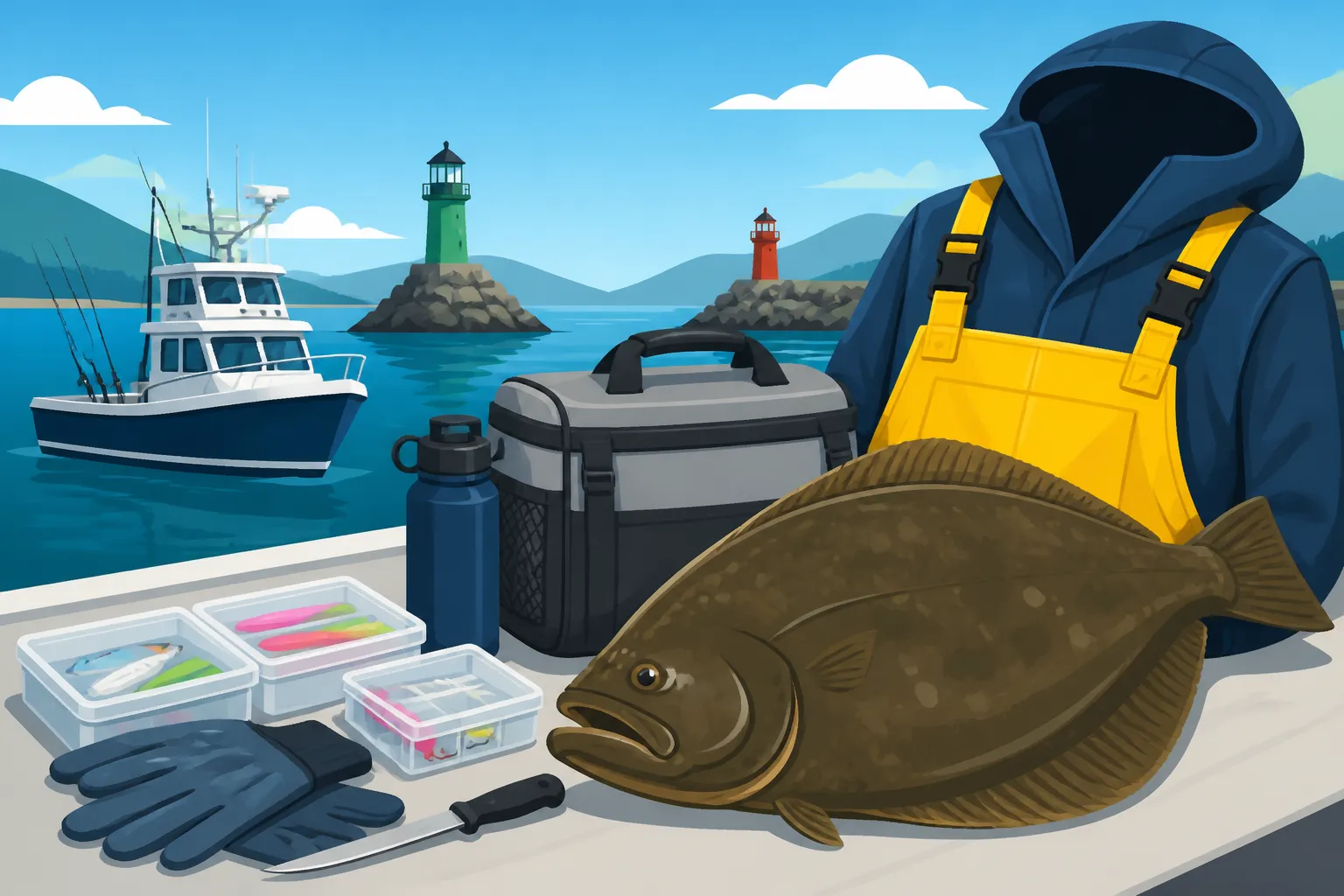
What to Bring on a Westport Halibut Trip
There’s nothing quite like the thrill of planning an offshore halibut trip out of Westport, Washington. The anticipation of battling one of the ocean's most formidable bottom dwellers is truly unmatched! But the excitement can quickly turn to anxiety when you start wondering, "What exactly do I need to bring to make this trip a success and, more importantly, comfortable?" Many anglers, myself included, have stood by their tackle box, staring blankly, wondering if they've forgotten that one crucial item. This guide is here to banish that uncertainty, offering a comprehensive checklist and practical advice to ensure you're fully prepared for your Westport halibut adventure, from essential documents to the best way to keep your prized catch fresh.
Essential Documents and Licenses
Before you even think about rods and reels, the absolute first thing you need to sort out for any fishing trip in Washington is your paperwork. Being caught without the proper documentation isn't just a hassle; it can lead to fines and spoil your entire day on the water.
Your Washington Fishing License
This might sound obvious, but you’d be surprised how many folks, in their excitement, overlook confirming their license status. For a Westport halibut trip, you absolutely need a valid Washington fishing license that includes a saltwater endorsement. This isn't just a suggestion; it's a legal requirement. Whether you're a seasoned local or visiting from out of state, this license is your ticket to legally fish these abundant waters. If you're coming from afar, make sure you understand the differences between resident and nonresident licenses. You can find a complete rundown in our Washington Fishing License Guide for Nonresidents.
Think about how long you plan to fish throughout the year. If you're only coming for a single halibut trip, a short-term license might be more economical than an annual one. However, if you anticipate multiple adventures, perhaps a combination license could be more cost-effective in the long run. Always double-check the expiration date of your license before you head out. There’s nothing worse than getting to the dock at 4 AM, ready to go, only to find your license expired yesterday. You want to focus on catching fish, not on bureaucracy.
As for carrying your license, Washington offers a lot of flexibility these days. While a physical paper copy is always a good idea, you can often display your license on your smartphone through the official MyWDFW app. Just make sure your phone is charged and protected from the elements. Losing service offshore isn't uncommon, so having a downloaded copy or a screenshot is a smart backup. Having your license readily available for inspection by a Washington Department of Fish and Wildlife (WDFW) officer is paramount. They often check licenses at the dock or even on the water, so be prepared to present it promptly.
Catch Record Card Requirements
Beyond your general fishing license, a catch record card is a non-negotiable item when targeting certain species, and Pacific Halibut is definitely one of them. This card is how WDFW monitors catch data, which is vital for managing fish populations and setting future seasons. You'll need to accurately fill out your card immediately after you've retained a halibut. This isn't something you can put off until you get back to the dock; the rules are pretty clear about real-time recording.
Failing to have a catch record card, or not filling it out correctly and immediately, is a common violation that can lead to penalties. It's not just a piece of paper; it's a critical component of conservation and responsible angling. Make sure you understand how to mark the date, location, and species correctly. These cards are usually available where you purchase your fishing license, so grab one at the same time.
In our increasingly digital world, Washington is also making it easier to comply with reporting requirements. You might be able to use an electronic catch record card through the Fish Washington App, but always confirm the latest regulations regarding electronic reporting for halibut, as rules can sometimes vary by species or marine area. For a deeper dive into the digital options, check out Electronic Catch Record Cards and the Fish Washington App. Having both a paper and digital option prepared can save you a lot of headaches, especially if technology decides to act up offshore.
Identification and Payment Methods
While your fishing license is tied to your identity, it's always a good idea to bring a secondary form of identification, such as your driver's license or state ID. This is particularly useful if there's any discrepancy with your fishing license information or in the unlikely event of an emergency. It just adds an extra layer of peace of mind.
For payment, while many charter operations accept credit cards for the trip itself, having cash on hand is highly recommended. This is primarily for tipping your deckhand and captain, which is customary and greatly appreciated for their hard work and expertise. Beyond tips, cash can also be useful for last-minute snacks, drinks, or bait purchases at the dock. Some fish processors at the harbor might also prefer cash or have minimums for card transactions.
Think about any other incidental expenses you might encounter. Perhaps you want to buy some souvenirs, or maybe grab a celebratory meal after a successful day. Having a mix of payment options ensures you’re ready for anything. It’s better to have a little extra in your wallet than to be caught short when you need it most. Many anglers also factor in potential fish processing costs if they plan to have their catch filleted, vacuum-sealed, or even shipped.
Clothing and Personal Comfort Items
The open ocean off Westport is a magnificent place, but it's also a dynamic environment. Weather can change rapidly, and what starts as a calm, sunny morning can quickly become a blustery, damp afternoon. Dressing appropriately is crucial for both comfort and safety on a long halibut trip.
Layering for Offshore Weather
The golden rule for dressing on the ocean is layering. Even if the forecast calls for sunshine, you're going to want options. The mornings can be surprisingly chilly as the boat speeds out to the fishing grounds, and the air temperature over the water is often significantly cooler than on land. Start with a moisture-wicking base layer – think synthetic long underwear or a performance t-shirt that pulls sweat away from your skin. This is key for staying dry, and a dry angler is a warm angler.
Next, add a good insulating mid-layer. Fleece jackets, wool sweaters, or puffy vests are excellent choices. They provide warmth without excessive bulk and are easy to shed if the sun comes out strong. Remember, you'll be sitting, standing, and actively reeling in fish, so you want freedom of movement. Avoid cotton close to your skin, as it absorbs moisture and stays wet, chilling you to the bone when the temperature drops or the spray flies.
Finally, an outer shell that is both waterproof and windproof is non-negotiable. This is your primary defense against ocean spray, unexpected rain squalls, and the constant wind you'll encounter offshore. A good quality rain suit, including both a jacket and pants, will make an immense difference in your overall comfort and enjoyment. Even on a completely dry day, the spray from the boat's movement can soak you quickly if you're not protected. Prioritize durability and good seals around the cuffs and neck. We delve more into suitable attire in What to Wear on a Washington Puget Sound Charter, and the principles apply perfectly to Westport as well.
Footwear and Hand Protection
Your feet are going to take a beating on deck, so proper footwear is absolutely critical. You need waterproof boots with good, non-slip soles. Deck surfaces can be wet and slippery from fish slime, bait, and ocean spray, and a slip can ruin your day – or worse. Rubber fishing boots are often the ideal choice, as they provide excellent waterproofing and traction. Make sure they are comfortable enough for standing for long periods. You don't want blisters or sore feet distracting you from the bite.
Beyond your feet, your hands are also exposed to the elements and a lot of work. Bring a couple of pairs of gloves. Thin, fingerless fishing gloves can protect your hands from sun and provide better grip on your rod without sacrificing dexterity. For colder or wetter conditions, consider a pair of waterproof, insulated gloves. These are invaluable when the spray is flying, or you're handling cold, wet fish. They can keep your hands warm and functional, allowing you to focus on the task at hand rather than numb fingers.
Having gloves also offers a degree of protection from hooks, fish fins, and the general roughness of working on a fishing boat. Even if you don't think you'll need them, throwing a couple of options in your bag is a smart move. You can always take them off, but you can't conjure them up out of thin air if you suddenly find your hands freezing or getting chafed.
Sun, Wind, and Spray Protection
The sun's UV rays are incredibly intense on the water, even on overcast days. The reflection off the water amplifies their effect, leading to sunburns much faster than on land. High-SPF sunscreen is a must, and reapply it throughout the day, especially after handling fish or wiping your face. Don't forget often-missed spots like the tops of your ears and the back of your neck. Lip balm with SPF is also highly recommended to prevent chapped lips from sun and wind exposure.
A good hat is another essential. A wide-brimmed hat offers excellent protection for your face and neck, while a baseball cap can shield your eyes. Regardless of the style, make sure it has a chin strap or a clip to attach it to your collar, as the wind offshore can easily snatch an unsecured hat and send it flying into the waves. Losing your hat early in the trip is a common, and frustrating, occurrence.
Finally, polarized sunglasses are crucial. They cut the glare off the water, allowing you to see better and reducing eye strain. More importantly, they protect your eyes from stray hooks or other debris that might fly through the air. You're constantly moving, rigging, and handling tackle, so eye protection is not just a comfort item, but a safety one. Choose a pair that fits securely and won't easily fall off with boat movement or during a fish fight.
Food, Drinks, and Keeping Your Catch Fresh
A day of halibut fishing can be physically demanding and often stretches for many hours. You'll need to keep your energy up and stay hydrated to perform your best and enjoy the experience. Plus, if you're lucky enough to land a halibut, you'll want to ensure it stays in prime condition for the ride home.
Sustenance for a Long Day
Halibut charters typically leave early in the morning and can be out on the water for 8 to 12 hours, sometimes even longer. That's a lot of time to get hungry and thirsty! Pack a generous amount of food. Think about easy-to-eat items like sandwiches, wraps, energy bars, fruit (apples, oranges, bananas), and jerky. These items are quick to consume, provide sustained energy, and don't require much fuss. Avoid overly greasy or heavy foods, as they can sometimes contribute to seasickness.
Hydration is equally important. Bring plenty of water. It's easy to get dehydrated when you're focusing intensely on fishing, even in cooler weather. Electrolyte drinks can be beneficial, especially if it's warm or you're prone to sweating. A thermos with hot coffee or tea can be a lifesaver on a chilly morning, providing both warmth and a familiar comfort. Pack everything in a small, easily accessible cooler or insulated bag. While some charters might have a galley, it's always best to be self-sufficient with your food and drink.
Remember that you'll be sharing space with others, so avoid anything with a strong, lingering odor that might bother fellow passengers. And, of course, anything that can withstand a bit of jostling on the boat. A crumpled bag of chips might be less appealing than a sturdy sandwich.
Managing Seasickness
Seasickness can turn a dream trip into a nightmare, but for many, it's preventable with proper planning. If you're prone to seasickness, or even if you're not sure, it's always wise to take preventative measures before you even step foot on the boat. Over-the-counter medications like Dramamine or Bonine, or prescription patches, can be very effective. The key is to take them as directed, which often means taking them the night before or at least an hour before departure, allowing them time to work. Don't wait until you feel queasy on the boat; by then, it's often too late.
During the trip, try to stay on deck in the fresh air and keep your eyes focused on the horizon. Avoid going down into the cabin if possible, as the confined space and lack of a visible horizon can exacerbate symptoms. Small, frequent sips of water or ginger ale can sometimes help settle your stomach, as can ginger chews. Avoid reading or looking at your phone for extended periods, as this can confuse your inner ear. For a thorough guide on avoiding discomfort, our article How to Avoid Seasickness on a Halibut Trip has even more tips. Most importantly, communicate with your crew if you start to feel unwell; they are experienced and can offer advice or assistance.
Preparing for Your Catch
Let’s talk about the best-case scenario: you land a magnificent halibut! Now, how do you get that prime fish home in tip-top shape? Most Westport charters will have large fish holds on board where they keep the day's catch on ice. This is usually sufficient for the duration of the trip. However, for the ride home, especially if you have a long drive, you'll want your own cooler.
Bring a large, quality cooler, preferably one that can hold a significant amount of ice and potentially a large fish or several fillets. When packing for the trip to the dock, load it with plenty of ice. You can never have too much ice when it comes to preserving fresh fish. Once your fish is processed (some charters offer this service, others will direct you to local fish processors at the dock), immediately transfer it to your well-iced cooler. Maintaining a cold temperature is essential for quality and safety.
Before you go, confirm with your specific charter if they offer fish cleaning and filleting services, and whether this is included in the price or an extra fee. It's also worth checking local Westport businesses that specialize in fish processing, vacuum sealing, and even shipping if you plan to send your catch home or further afield. Always be mindful of the Halibut Possession Limit in Washington and other regulations, which are strictly enforced. Knowing these limits beforehand will prevent any disappointment or legal issues.
Optional Gear for a Better Experience
While the essentials cover your legal requirements and basic comfort, there are a few other items that can really enhance your Westport halibut trip, turning a good day into a truly great one.
Personal Fishing Gear (if allowed/preferred)
Most reputable halibut charters in Westport will provide all the necessary rods, reels, and terminal tackle. This gear is typically heavy-duty, specifically designed to handle the deep-water conditions and powerful fight of a Pacific halibut. For many anglers, using the provided gear is perfectly fine and often the most convenient option. However, if you have a favorite heavy-duty setup or simply prefer to use your own equipment, always check with the charter company in advance. Space on deck can be limited, and they might have restrictions on personal gear to ensure safety and efficiency.
If you do bring your own gear, make sure it’s appropriate for the task. You'll need a stout rod (often rated for 50-80 lb line or more) and a powerful conventional reel spooled with heavy braided line, capable of holding hundreds of yards. Halibut fishing often involves heavy lead weights (up to 2 lbs or more) to get your bait to the bottom in deep water and strong currents, along with large hooks. Bringing a handful of your preferred heavy jigs or bait rigs can also be a nice touch, assuming the charter allows it and it fits their fishing style. Familiarize yourself with common Halibut Fishing Techniques for the Washington Coast to ensure your gear aligns with typical methods.
Photography and Entertainment
You're about to embark on an incredible adventure, and you'll want to capture those memories! A camera is highly recommended, but consider bringing one that is rugged or waterproof, or at least a good waterproof case for your smartphone. Ocean spray, fish slime, and even a dropped phone can quickly turn a photo op into a disaster. Make sure you have plenty of storage space on your camera or phone, and consider bringing an extra battery or a portable power bank, as a full day of picture-taking can drain your devices.
While fishing is the main event, there can be periods of downtime, especially during transit to and from the fishing grounds. A good book, an e-reader, or even a podcast can help pass the time. However, be mindful of seasickness if you plan to read, as looking down can often bring on nausea. If you're bringing electronics, ensure they are securely stored in a waterproof bag when not in use. The ocean is not forgiving to delicate gadgets!
Other Useful Items
A small personal first-aid kit can be incredibly handy. While the boat will have a safety kit, having your own supply of band-aids, antiseptic wipes, pain relievers, and any personal medications (like allergy meds or motion sickness remedies) can address minor issues quickly. A small container of hand sanitizer or wet wipes is also great for cleaning up quickly after handling bait or fish, especially before eating.
Don't forget a small personal trash bag. While charter boats typically provide trash receptacles, having a small bag for your wrappers, tissues, or other personal refuse can help keep your immediate area tidy. A small, quick-drying towel can also be surprisingly useful for wiping hands, glasses, or just generally staying dry. Finally, for those who love to learn on the go, consider downloading a tide chart or marine weather app for the Westport area to check conditions and enhance your understanding of the fishing environment. You can often find guides and resources on platforms like FishingBooker that help you prepare even further, sometimes even with links to local weather or tide information.
Disclaimer
This article is for general informational purposes only and does not constitute professional advice. Laws, prices and regulations vary by location and change over time. Consult a qualified professional for guidance on your specific situation.