How Many People Fit on a Shared Washington Charter
One of the most common questions I hear from anglers considering a guided trip in Washington is about shared charters. It’s easy to feel a bit overwhelmed wondering what exactly "shared" means for your experience on the water – will you be elbow-to-elbow, or will there be enough room to actually fish? This guide will dive deep into how many people typically fit on a shared Washington fishing charter, what factors influence that number, and what it means for your day chasing salmon, steelhead, or halibut.
Understanding Shared Fishing Charters in Washington
Booking a fishing charter can feel like a big decision, especially if you're not going with a full crew of your own friends or family. Shared charters offer a fantastic alternative, but knowing what you're getting into is key to a great day.
What Exactly is a Shared Charter?
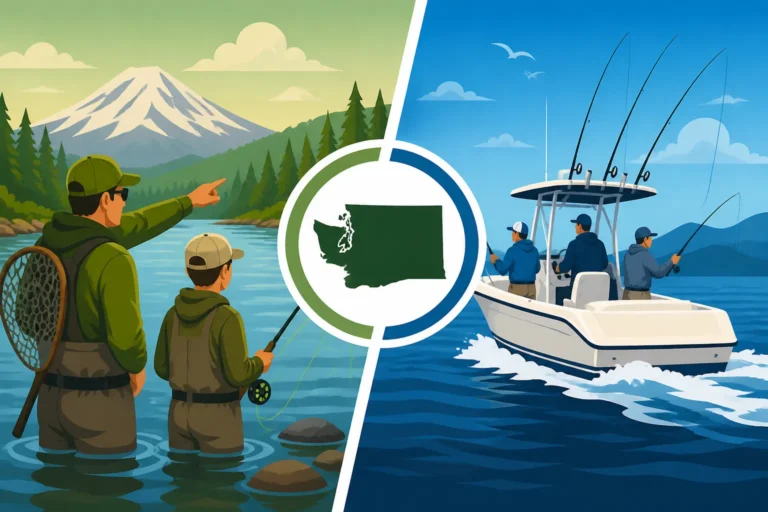
At its heart, a shared charter is a fishing trip where multiple individual anglers, or small groups of anglers, book spots on the same boat for a single outing. Instead of paying the full price for the entire boat, you're just paying for your individual seat or seats. It's like carpooling for fishing! This model is hugely popular across Washington, from the bustling docks of Westport to the serene rivers of the Olympic Peninsula, because it makes guided fishing accessible to more people.
Think about it: if you're a solo angler, or perhaps a pair of buddies looking to chase Puget Sound salmon, chartering a private boat just for yourselves can be a significant expense. A private charter typically means you're paying for the boat and the guide's time, regardless of how many people are on board (up to the boat's capacity). With a shared charter, that cost is spread out among everyone. You might share the deck with strangers who quickly become fishing companions, all aiming for the same goal: landing some fantastic Washington fish. It's an efficient and often more budget-friendly way to experience the thrill of a guided trip without the financial commitment of a private booking.
Why Anglers Choose the Shared Option
There are several compelling reasons why a shared charter might be the perfect fit for your next Washington fishing adventure. For many, the biggest draw is undoubtedly the cost-effectiveness. Guided trips provide invaluable expertise, equipment, and access to prime fishing grounds, but that comes with a price. Splitting that cost among several anglers dramatically reduces the per-person expense, opening up opportunities for more people to enjoy these incredible experiences. This is especially true for those wanting to fish for specific species or in locations that might otherwise be out of reach.
Beyond the financial aspect, shared charters offer a unique social dimension. You get to meet fellow fishing enthusiasts, swap stories, and learn from others on board, including your experienced guide. It can be a fantastic way to broaden your fishing network and pick up new tips and tricks. For solo anglers, it completely removes the pressure of needing to find a group to fill a boat, or paying for empty seats. You simply book your spot and show up, ready to fish. Plus, the shared excitement when a rod goes down or a big fish is landed is contagious, creating a lively and memorable atmosphere that's different from a more private setting.
Typical Capacity of Shared Charters by Fishing Type
The "how many people" question isn't a one-size-fits-all answer in Washington, as it largely depends on the type of fishing, the boat, and the specific regulations. Different fisheries demand different boat setups and, consequently, different capacities for an enjoyable and safe trip.
Puget Sound Salmon Charters
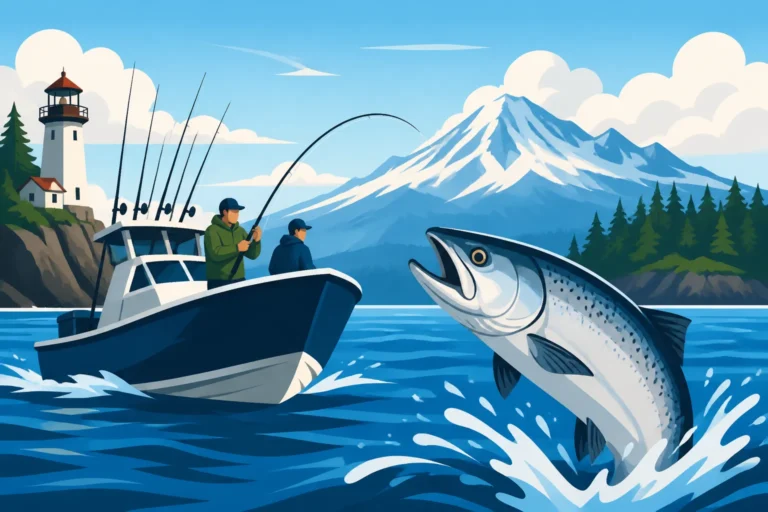
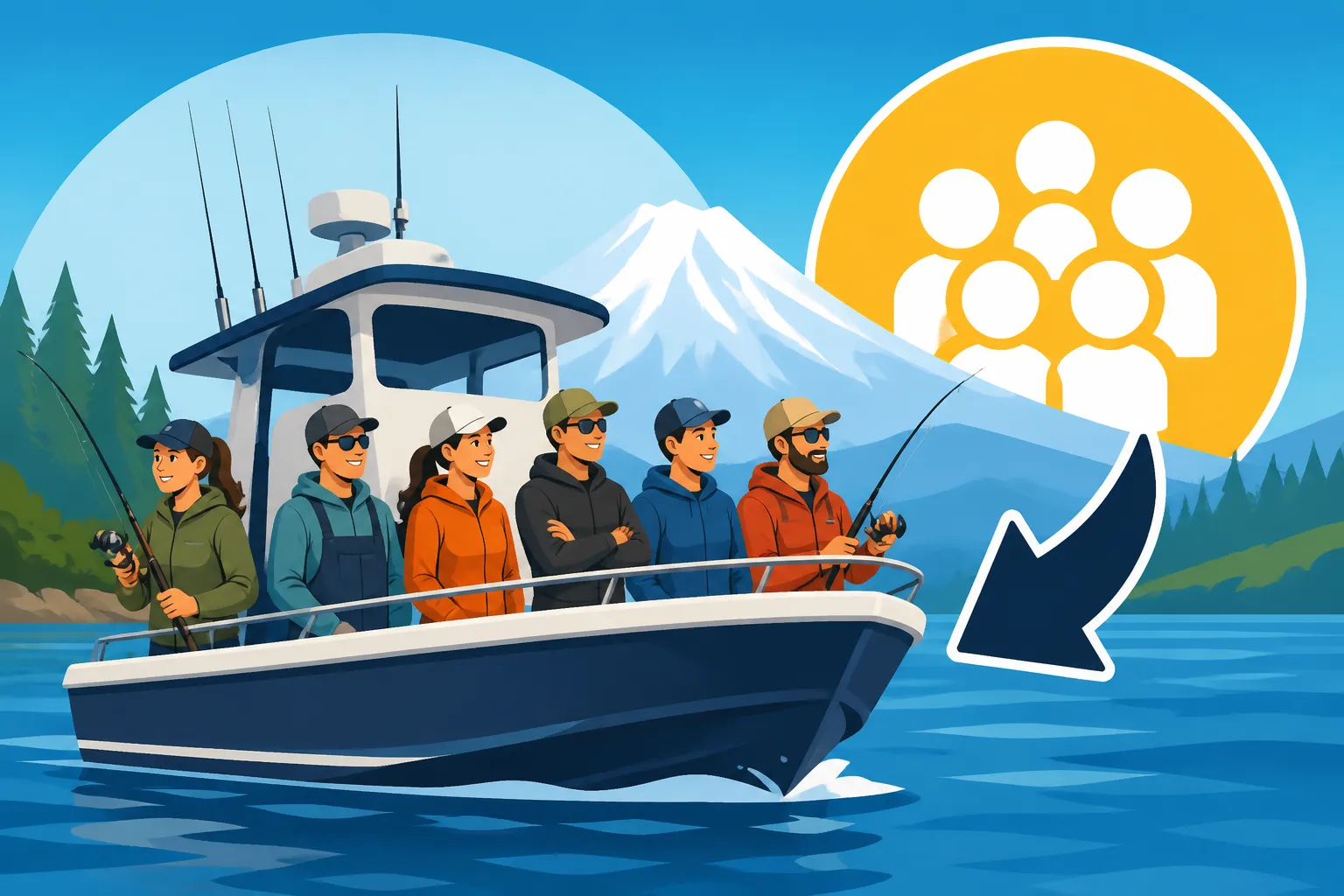
When you're looking to troll for Chinook or mooch for Coho in the vast waters of Puget Sound, most shared charters operate on what's known as a "six-pack" model. This means the boat is certified to carry up to six paying passengers, plus the captain and crew. These vessels are typically comfortable, 25-35 foot boats, designed to handle the Puget Sound's conditions. Six anglers allows for good deck space for everyone to manage their rods, reel in fish, and move around without constant tangles.
While six is a common maximum, some Puget Sound guides might choose to take fewer passengers, perhaps four or five, especially if they prioritize a more spacious feel or more individualized attention. It’s always worth checking with the specific charter operator or through booking platforms like FishingBooker to confirm their exact policy. The fishing style, too, influences the comfort level. Trolling often involves multiple rods out at once, and a six-pack boat typically has enough rod holders and space for lines to be staggered effectively. If you're looking for an intimate salmon experience, you might prefer a charter that consistently runs with fewer than six anglers, even if their boat can technically hold that many. Puget Sound Salmon Charters: What to Expect offers more insight into what to expect on these trips.
Washington Coastal Halibut and Tuna Charters
Venturing out to the Pacific Ocean from ports like Westport or Ilwaco for halibut or albacore tuna generally means larger, more robust boats. The open ocean demands vessels built to withstand bigger swells and longer runs offshore. While many still operate under the "six-pack" rule, you'll also find larger "head boats" or "party boats" that are federally inspected and can carry many more passengers – sometimes 20, 30, or even more.
For halibut, a six-pack charter might take 4-6 anglers. On these boats, everyone usually has a designated spot along the rail to drop their lines. The captains are experts at keeping lines from tangling, even with big fish on. For tuna, where the action can be fast and furious, a six-pack boat provides ample space for anglers to fight powerful fish without getting in each other's way. On the larger head boats, while there are more anglers, the boats themselves are designed with significant deck space, a larger fishing rail, and often multiple crew members to assist. This allows for a higher capacity while still providing a viable fishing experience, though personal space will naturally be more limited than on a smaller, six-pack vessel.
River Guides for Salmon and Steelhead
When it comes to fishing Washington's rivers for species like salmon and steelhead, the scale of operations changes dramatically. River guides typically use specialized boats like drift boats or jet sleds, which are much smaller and designed for navigating currents, rapids, and shallower waters. Because of their size and the nature of river fishing (often involving casting, back-bouncing, or drift fishing through specific runs), shared river charters usually have a much lower capacity.
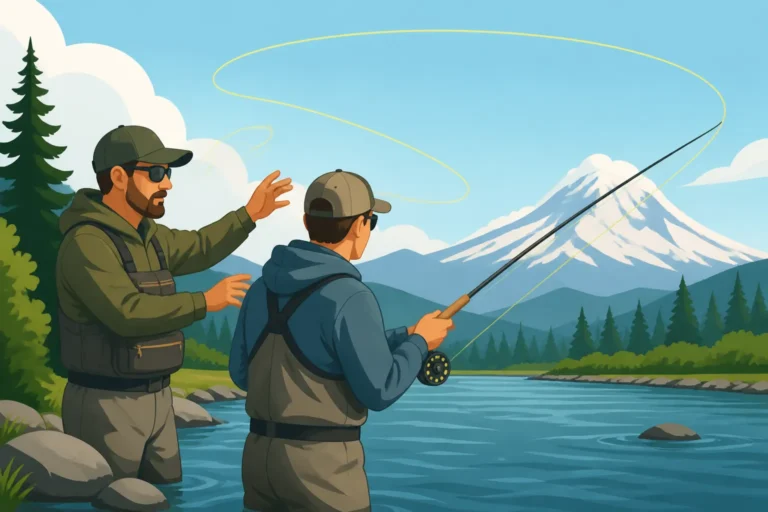
A common setup for a drift boat might be 2-3 anglers plus the guide, especially for fly fishing or certain gear fishing techniques where space for casting is crucial. Jet sleds, used on larger rivers like the Columbia or Cowlitz, might comfortably accommodate 3-4 anglers. This smaller number ensures everyone has enough room to cast, effectively work their lures or baits, and receive personalized instruction from the guide. On these smaller, more intimate trips, you get a much higher degree of individual attention, which can be invaluable for learning new techniques or improving your skills. Whether you're targeting spring Chinook on the Columbia or pursuing wild steelhead on Olympic Peninsula rivers, expect a cozy, focused experience with fewer fellow anglers. For those interested in river adventures, Columbia River Guided Salmon and Steelhead Trips in Washington and Washington's Olympic Peninsula Steelhead Guides are excellent resources.
Factors Influencing Charter Capacity and Your Experience
The number of people on a shared charter isn't just a random choice; it's a careful balance influenced by safety regulations, the type of fishing, and the desired angler experience. Understanding these factors can help you choose the right trip for your expectations.
US Coast Guard Regulations and Boat Type
The most significant factor determining a charter's capacity is often the vessel's certification by the U.S. Coast Guard. Most small charter boats you'll encounter in Washington fall under what's commonly known as the "six-pack" rule. This means they are uninspected passenger vessels (UPVs) that can carry no more than six paying passengers. This regulation is primarily for safety, ensuring that boats are equipped and crewed appropriately for the number of people on board. These boats are typically less than 100 gross tons and are common for salmon, halibut, and even some tuna charters.
On the other hand, larger "head boats" or "party boats," particularly those found on the coast for bottom fishing or during peak halibut seasons, are federally inspected vessels. These boats undergo more stringent inspections and can be certified to carry many more passengers, sometimes upwards of 20, 30, or even 50 people. The type of boat and its Coast Guard certification dictates its absolute maximum capacity, but guides often choose to run with fewer anglers than the legal maximum to enhance the fishing experience, as we'll discuss next.
Target Species and Fishing Methods
The type of fish you're targeting and the method used to catch them play a crucial role in practical capacity. For example, if you're trolling for salmon in Puget Sound, each angler needs space to manage their rod, and often multiple rods are deployed from the boat. If too many people are on board, lines can get tangled, and the overall experience becomes frustrating. A six-pack boat with six anglers trolling is often comfortable, but adding a seventh would likely create chaos.
Similarly, fly fishing for steelhead on a river requires significant casting room. A guide in a drift boat might only take two anglers to ensure they both have ample space to make their casts without interference. Contrast this with jigging for rockfish offshore, where anglers might drop lines straight down, requiring less lateral space. Even within the same species, different techniques can alter ideal capacity. Back-bouncing for salmon on a river, for instance, might allow for one more person than a casting-intensive technique. Guides know their boats and fishing styles intimately, and they typically set their shared charter capacities to maximize both safety and fishing success for everyone on board.
Comfort, Space, and Guide Attention
Beyond regulations and fishing techniques, the charter operator's philosophy on angler comfort and service heavily influences shared trip capacity. A guide might have a boat certified for six but consistently choose to book only four or five anglers for shared trips. Why? Because they want to ensure a more comfortable experience, provide more individual attention, and minimize potential tangles or crowded conditions.
On a shared trip with fewer people, you'll generally have more elbow room, more space for your personal gear (cooler, rain jacket, etc.), and more direct one-on-one time with your guide. This can be especially beneficial for beginners who might need extra help with casting, rigging, or fighting a fish. A crowded boat, even if within legal limits, can sometimes lead to reduced enjoyment, less personalized instruction, and a higher chance of lines crossing. When choosing a shared charter, it’s worth considering if a slightly higher price for fewer anglers might translate into a significantly better overall experience for you.
| Charter Type | Typical Max Anglers (Shared) | Common Boat Type | Primary Fishing Method | Potential Trade-off |
|---|---|---|---|---|
| Puget Sound Salmon | 4-6 | 25-35 ft Powerboat | Trolling, Mooching | More anglers = less personal space |
| Coastal Halibut/Tuna (6-pack) | 4-6 | 28-40 ft Offshore Powerboat | Bottom fishing, Trolling | Limited individual casting room |
| Coastal Halibut (Head Boat) | 10-50+ | 40-65 ft Inspected Vessel | Bottom fishing | Less guide attention, more crowded |
| River Salmon/Steelhead (Drift) | 2-3 | Drift Boat | Drift fishing, Fly fishing | Very intimate, limited space for gear |
| River Salmon/Steelhead (Jet Sled) | 3-4 | Jet Sled | Back-bouncing, Trolling | Less mobility on deck |
How to Determine a Charter's Capacity Before Booking
Nobody wants to show up for a fishing trip and find themselves squished onto a boat like sardines. Thankfully, finding out a charter's typical shared capacity is usually straightforward if you know where to look and what to ask. Being proactive ensures your expectations align with the reality of your fishing adventure.
Checking Online Listings and Websites
The first and often easiest place to check a charter's capacity is on their official website or through online booking platforms. Reputable charter operations understand that this is a common question, and they generally make this information readily available. Look for sections titled "Our Boat," "Services," or "FAQs." They often specify whether they run "six-pack" charters and the maximum number of anglers they will take on a shared trip.
Many popular online platforms, like FishingBooker, also list charter details, including their maximum passenger capacity for both private and shared trips. These sites often allow you to filter results based on boat size or group size, which can be incredibly helpful when planning. Pay close attention to descriptions that mention "per person" rates for shared trips versus "entire boat" rates for private bookings, as this context will often indicate the number of anglers they typically accommodate. If the information isn't immediately obvious, don't hesitate to move on to the next step.
Asking Direct Questions When Booking
Sometimes, the most reliable way to get the specific details you need is simply to ask. Don't be shy about contacting the charter operator directly via phone or email before you finalize your booking. This is especially important if you have particular concerns about space or personalized attention. Asking direct questions not only clarifies their capacity but also gives you a sense of their customer service and willingness to accommodate requests.
Here are a few questions you might consider asking:
- "What is the maximum number of anglers you typically take on a shared fishing trip?"
- "How many people will be on the boat for the shared trip I'm interested in?"
- "Will there be enough room for everyone to comfortably cast and fight fish?"
- "Do children count towards the maximum angler capacity?" (They almost always do, but it's good to confirm.)
A professional and transparent guide will be happy to answer these questions and put your mind at ease. This direct communication also allows you to discuss any specific needs, like if you're bringing a lot of gear or have any mobility concerns. Being clear upfront about your expectations and understanding their policies will ensure a smooth and enjoyable experience on the water. For more advice on this, check out How to Book a Fishing Charter in Washington.
Disclaimer
This article is for general informational purposes only and does not constitute professional advice. Laws, prices and regulations vary by location and change over time. Consult a qualified professional for guidance on your specific situation.