How to Book a Fishing Charter in Washington
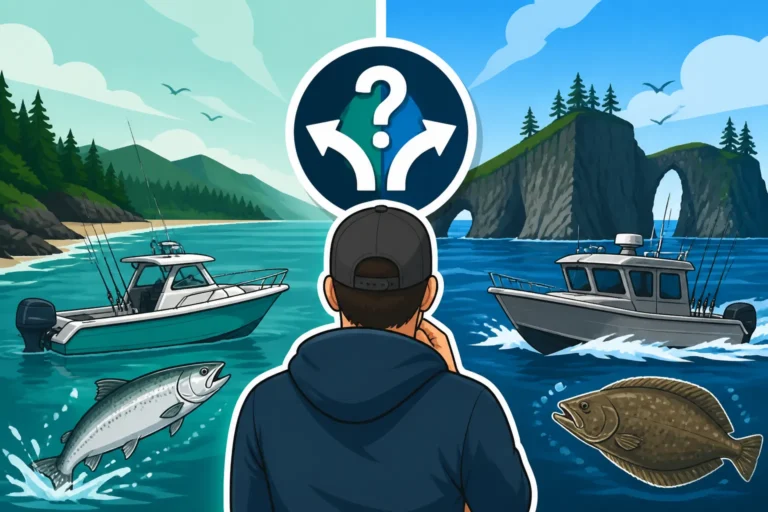
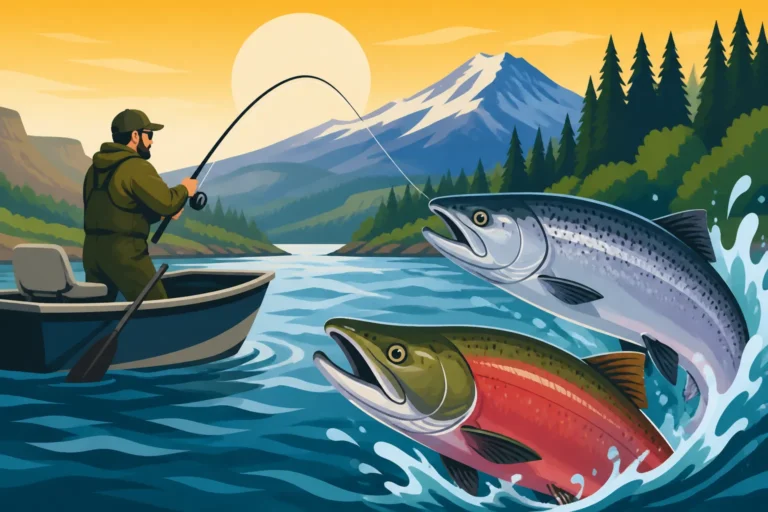
When you dream of reeling in a trophy Chinook salmon or battling a powerful Puget Sound halibut, the reality of navigating Washington's vast and often complex fishing landscape can feel a bit overwhelming. From deciphering ever-changing regulations to knowing exactly where the fish are biting on any given day, it’s easy to feel lost before you even cast a line. This comprehensive guide is here to walk you through the ins and outs of booking a fishing charter in Washington, helping you turn those fishing dreams into a memorable, successful reality, whether you're a seasoned angler or a complete novice.
Why Consider a Fishing Charter in Washington?
For many anglers, the idea of hiring a guide or charter can feel like a luxury, but in a state as diverse and dynamic as Washington, it's often the smartest move you can make. It's about much more than just catching fish; it's about gaining local knowledge, saving time, and ensuring a safe, legal, and truly enjoyable experience. The Puget Sound, the vast Columbia River, the rugged Pacific Coast, and countless rivers and lakes offer incredible opportunities, but each presents its own unique challenges that a professional guide is perfectly equipped to handle.
Navigating Complex Regulations
Washington's fishing regulations can feel like a labyrinth, even for residents who've been fishing here for decades. Between permanent rules, in-season emergency closures, and area-specific restrictions, it's a full-time job just keeping up. Imagine spending hours planning a trip, only to arrive and find your target species is closed, or you're using the wrong gear for that specific stretch of river. It's frustrating, to say the least.
A seasoned charter captain or guide lives and breathes these regulations. They receive real-time updates from the Washington Department of Fish and Wildlife (WDFW) and often participate in discussions that shape these rules. They know which marine areas are open for salmon, the specific barbless hook requirements for certain rivers, and exactly what the Washington's Columbia River Salmon and Steelhead Endorsement, Explained means for your trip. This expertise means you can relax and focus on fishing, confident that you're always fishing legally and ethically. They'll even make sure your The Washington Catch Record Card and What It Requires is filled out correctly for any salmon or steelhead you keep.
Accessing Prime Fishing Grounds
Let's be honest: without local knowledge or your own specialized boat, many of Washington's best fishing spots are simply inaccessible. You might spend days scouting, launching, and motoring around, only to find yourself in unproductive water. A charter, however, provides instant access to the prime fishing grounds. These captains spend hundreds of days a year on the water, tracking fish movements, understanding migration patterns, and knowing exactly where the bite has been hot.
Whether it's a secret lingcod reef off the coast of Westport, a deep salmon hole in the main stem of the Columbia, or a hidden steelhead run on an Olympic Peninsula river, your guide knows the way. They have the GPS coordinates, the specialized sonar, and the years of experience to put you right on top of the fish. This isn't just about convenience; it's about drastically increasing your chances of success and experiencing areas you might never discover on your own.
Learning from the Pros
One of the most underrated benefits of booking a charter is the invaluable learning opportunity it presents. Think of it as a hands-on fishing masterclass. Charter captains and guides are not just boat drivers; they are passionate educators who love sharing their knowledge. They'll teach you about fish behavior, optimal tide windows, specific rigging techniques, and how to properly fight a fish once it's on the line.
Perhaps you've always wanted to learn how to effectively troll for salmon in Puget Sound, or master the nuances of drift fishing for steelhead on a fast-moving river. Your guide will patiently demonstrate, offer tips, and help you refine your skills. This direct, personalized instruction can accelerate your learning curve exponentially, making you a more competent and confident angler for all your future fishing adventures. It’s an investment in your fishing future, far beyond just one trip.
Understanding Different Types of Charters in Washington
Washington's diverse fisheries mean there's a charter experience for almost every angler and every preference. From vast saltwater expanses to intimate freshwater rivers, knowing the type of trip you're looking for will help narrow down your options significantly. Each offers a unique adventure, targeting different species with distinct methods.
Puget Sound Salmon and Bottomfish Charters
The Puget Sound, with its intricate network of marine areas, is a prime destination for salmon and bottomfish. Charters operating here typically run out of ports like Seattle, Edmonds, Everett, and Olympia, among many others. These boats are generally larger, comfortable vessels designed for saltwater trolling or mooching. You’ll often be targeting Chinook (King) salmon, Coho (Silver) salmon, and sometimes Pink or Chum salmon depending on the season and specific marine area.
Beyond salmon, many Puget Sound charters also offer bottomfishing trips for species like lingcod and various rockfish. These trips involve jigging or bait fishing over rocky structures. The beauty of Puget Sound charters is their accessibility to major population centers, making them a popular choice for a day trip. However, be mindful of Puget Sound Salmon Closures: What Washington Anglers Need to Know as these change frequently.
Coastal Halibut and Tuna Charters (Westport, Ilwaco, Neah Bay)
If you're looking for a big ocean adventure, Washington's Pacific Coast is where you'll find it. Towns like Westport, Ilwaco (at the mouth of the Columbia River), and Neah Bay offer charters specializing in halibut, albacore tuna, and sometimes offshore salmon. These are typically larger, more robust ocean-going vessels built to handle the open Pacific.
Halibut trips often involve long runs offshore to deep water, anchoring, and using heavy bait rigs. Tuna trips, popular in late summer, can be an exhilarating experience, chasing schools of fast-moving albacore miles offshore. These trips are generally full-day excursions, sometimes even multi-day, and require anglers to be prepared for potentially rougher seas. If you're serious about battling a barn-door halibut, booking well in advance is crucial, as Is It Hard to Book a Washington Halibut Charter in Season? can be very challenging due to limited seasons and high demand.
River Guides for Steelhead and Salmon (Columbia, Cowlitz, Skagit)
For those who prefer the tranquility of freshwater rivers, Washington offers an incredible array of guided trips for steelhead and salmon. Rivers like the Columbia, Cowlitz, Skagit, Kalama, and many of the Olympic Peninsula rivers are world-renowned. Guides here often use drift boats or McKenzie-style sleds, allowing them to navigate shallow waters and access prime fishing runs that are inaccessible by foot or larger boats.
These trips can involve techniques like drift fishing with bait or beads, plunking, back-bouncing, or even fly fishing, depending on the river and target species. Washington's Olympic Peninsula Steelhead Guides are particularly popular for targeting wild winter steelhead. These trips offer a more intimate experience, often with smaller group sizes, and are perfect for learning specific river techniques. The pace can be slower, allowing for more personalized instruction and connection with nature.
Specialty Trips (Crabbing, Fly Fishing)
Beyond the main categories, Washington also has a vibrant market for specialty fishing and harvesting trips. You might find charters offering guided crabbing trips in Puget Sound, where you learn how to set and pull crab pots for Dungeness or Red Rock crab. These are often family-friendly adventures and can be combined with bottomfishing.
For fly fishing enthusiasts, numerous guides specialize in targeting trout on rivers like the Yakima or even sea-run cutthroat in Puget Sound estuaries. These guides are experts in specific fly patterns, casting techniques, and reading river currents. When searching for any of these unique experiences, platforms like FishingBooker can be a great starting point to find guides advertising these specific types of trips.
| Charter Type | Primary Target Species | Typical Location | Common Techniques | Group Size (Avg.) | Key Considerations |
|---|---|---|---|---|---|
| Puget Sound Charter | Chinook, Coho, Pink Salmon, Lingcod, Rockfish | Seattle, Everett, Olympia, San Juans | Trolling, Mooching, Jigging | 4-6 anglers | Accessibility, Salmon seasons vary by Marine Area |
| Coastal Charter | Halibut, Albacore Tuna, Offshore Salmon | Westport, Ilwaco, Neah Bay | Anchoring, Trolling (Tuna) | 4-8 anglers | Ocean conditions, Longer trips, Book well in advance |
| River Guide (Steelhead) | Winter/Summer Steelhead | Cowlitz, Skagit, Olympic Peninsula Rivers | Drift fishing, Back-bouncing, Fly Fishing | 1-3 anglers | Drift boat required, Water levels, Weather dependent |
| River Guide (Salmon) | Chinook, Coho, Chum Salmon | Columbia, Kalama, Lewis Rivers | Plunking, Back-trolling, Bobber & Jig | 1-3 anglers | Run timing, Specific gear restrictions |
| Crabbing Charter | Dungeness, Red Rock Crab | Puget Sound, Hood Canal | Pot setting/pulling | 4-8 participants | Recreational seasons, Family-friendly |
Key Factors to Consider When Choosing a Charter
With so many options, choosing the right charter can feel daunting. It's not just about finding an available date; it's about matching the trip to your expectations, skill level, and budget. Thinking through these factors before you start calling guides will make the selection process much smoother and ensure you book the trip that's perfect for you.
Boat Type and Group Size
The type of boat often dictates the experience. Larger, multi-passenger vessels (often called "head boats" or "party boats") are common for Puget Sound or coastal bottomfishing trips. They offer a more communal experience, are typically more affordable per person, and can be great for beginners or larger groups. However, you'll share the deck with other anglers, and personalized attention might be limited.
Smaller, private charters, especially river guides using drift boats or smaller ocean vessels ("six-packs"), offer a more intimate experience. These are ideal for families, small groups of friends, or serious anglers seeking focused attention. The guide can tailor the trip more closely to your preferences, and you'll often have more room to move around. Consider the number of people in your party and what kind of atmosphere you prefer. Are you looking for a lively social outing or a focused, instructional day on the water?
Target Species and Seasonality
Washington's fishing opportunities are highly seasonal. What you can fish for in April is very different from what's available in August. Before you even look for a charter, decide what species you're most interested in catching. Do you dream of a huge King salmon, a tenacious steelhead, or a table-filling halibut? Once you know your target, you can align your trip with the peak seasons for that species.
For example, winter steelhead runs are a different beast entirely from summer salmon fisheries. Halibut seasons are often very short and specific, requiring precise timing. A good starting point is to look at Washington Sport Fishing Seasons and Emergency Closures to get a general idea of when different species are available. Then, speak with potential guides about their success rates for your target species during the time you plan to visit. Their expertise on local run timing is invaluable.
Guide Experience and Reputation
This is arguably the most crucial factor. A good guide can make or break your trip. Look for guides with years of experience on the specific waters you plan to fish. Experience translates into knowledge of productive spots, understanding fish behavior, and adaptability to changing conditions. A quick search on platforms like FishingBooker can give you access to a wealth of reviews and ratings from past clients, offering genuine insights into a guide's professionalism, fishing prowess, and demeanor.
Don't be afraid to ask potential guides about their background: How long have they been guiding? What's their specialty? What kind of tackle do they use? A reputable guide will be happy to answer these questions and put your mind at ease. Also, ensure they are properly licensed and insured, which is a standard requirement for all commercial fishing guides in Washington.
Cost and What's Included
Charter prices in Washington can vary widely based on the type of trip, duration, target species, and the number of anglers. It’s important to understand What a Washington Guided Fishing Trip Costs upfront and what exactly is included in that price. Most charters will provide all the necessary fishing gear (rods, reels, tackle, bait), fuel, and the guide's expertise.
However, some things are almost always extra:
- Fishing Licenses and Endorsements: You are typically responsible for purchasing your own Washington Fishing License Guide for Nonresidents (if applicable) and any required endorsements, like the Columbia River Salmon and Steelhead Endorsement.
- Food and Drinks: While some guides might offer water, you usually need to bring your own snacks and beverages.
- Fish Processing: Some guides will clean and fillet your catch as part of the service, while others may charge an additional fee, or direct you to a local processor.
- Gratuity: Tipping your guide is customary and expected, much like in other service industries. We'll dive into Tipping Etiquette for Washington Fishing Guides later.
Always get a clear understanding of the total cost and what you're paying for to avoid any surprises on the day of your trip.
The Booking Process: Step-by-Step
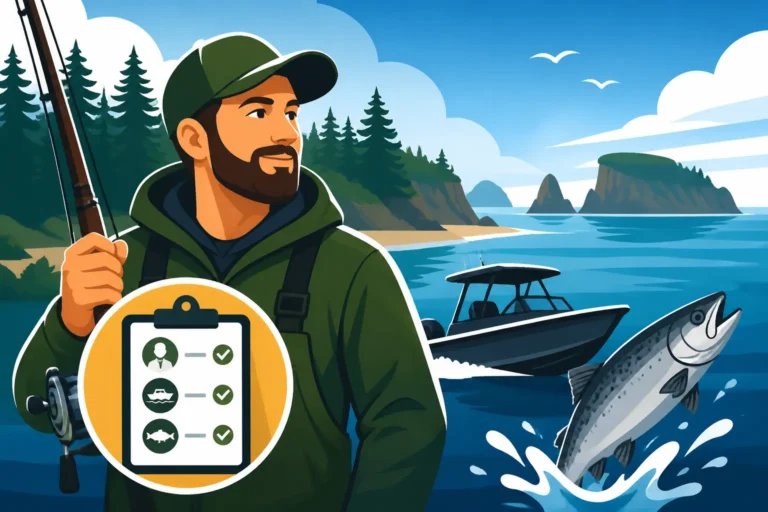
Once you've considered the type of trip you want and what factors are important to you, it's time to actually book your charter. This process is fairly straightforward, but paying attention to the details can prevent headaches down the road.
Research and Initial Contact
Start your research by looking at online directories, local tourism websites, and specialized booking platforms. As mentioned, sites like FishingBooker are excellent resources, allowing you to filter by location, target species, and even guide reviews. Pay close attention to recent reviews – they often give the best indication of current success and client satisfaction. Once you've identified a few potential guides, reach out to them.
An initial phone call or email is best. Be prepared to discuss:
- Your preferred dates: Have a few options ready, especially for popular seasons.
- Your target species: Be clear about what you hope to catch.
- Your group size: This will determine boat availability and pricing.
- Your experience level: Let the guide know if you're a complete beginner or a seasoned angler. This helps them tailor the trip.
- Any special needs: Mobility issues, young children, or specific dietary concerns should be mentioned.
Don't hesitate to ask questions about their success rates, what kind of gear they provide, and what a typical day looks like on their boat. This conversation helps you gauge their personality and ensure it’s a good fit.
Confirming Dates and Deposits
Once you've found a guide and agreed on a date and trip details, they will typically require a deposit to secure your booking. This is standard practice in the charter industry. The deposit amount can vary, but it's usually a percentage of the total trip cost or a flat fee. Make sure you understand the payment methods accepted and when the remaining balance is due.
Many guides will send a booking confirmation via email detailing all the specifics: date, time, meeting location, total cost, deposit paid, and remaining balance. Keep this information handy, as it will be your reference for the trip.
Understanding Cancellation Policies
Life happens, and sometimes plans change. Before you commit and pay a deposit, make sure you thoroughly understand the guide's cancellation policy. This is critically important. Most guides have clear policies regarding:
- Client cancellations: What happens if you need to cancel? Is the deposit refundable? If so, what's the timeframe for a full refund?
- Weather cancellations: What if the weather makes the trip unsafe or unproductive? Most reputable guides will offer to reschedule or provide a full refund in these situations, as safety is paramount.
- Mechanical issues: While rare, boat breakdowns can occur. Understand how the guide handles such unforeseen circumstances.
Don't assume anything; ask for the policy in writing or confirm it verbally during your booking call. This transparency protects both you and the guide.
What to Expect Pre-Trip Communication
A good guide will typically initiate communication a few days before your scheduled trip. This might be a call or text message to:
- Confirm the meeting time and location.
- Provide an updated weather forecast.
- Offer last-minute advice on what to wear or bring.
- Inform you of any recent changes in fishing conditions or regulations.
This pre-trip communication is your opportunity to ask any final questions or address any concerns. It also helps build rapport with your guide and ensures everyone is on the same page for a smooth start to your adventure.
Preparing for Your Washington Fishing Charter
Once your charter is booked, the anticipation builds! But before you head out, a little preparation goes a long way in ensuring you have a comfortable, successful, and stress-free trip. Don't leave these details to the last minute.
Licenses and Endorsements
This is non-negotiable: you absolutely need the correct fishing license before you step on the boat. Do You Need a License Before a Washington Charter Trip? Yes! Your guide cannot provide you with one, nor can they allow you to fish without it. Even if you're just assisting, or if you're a child (depending on age, see Do Kids Need a Fishing License in Washington?), a license may be required.
For most charter trips, you'll need a Washington State fishing license. This could be a freshwater, saltwater, or combination license, depending on where and what you'll be fishing for. You might also need specific endorsements, such as the Columbia River Salmon and Steelhead Endorsement if fishing certain parts of the Columbia. It's best to buy your license online through the WDFW website or at a local sporting goods store well in advance. Print it out or have it readily available on your phone via the MyWDFW App, as wardens do check.
What to Wear and Bring
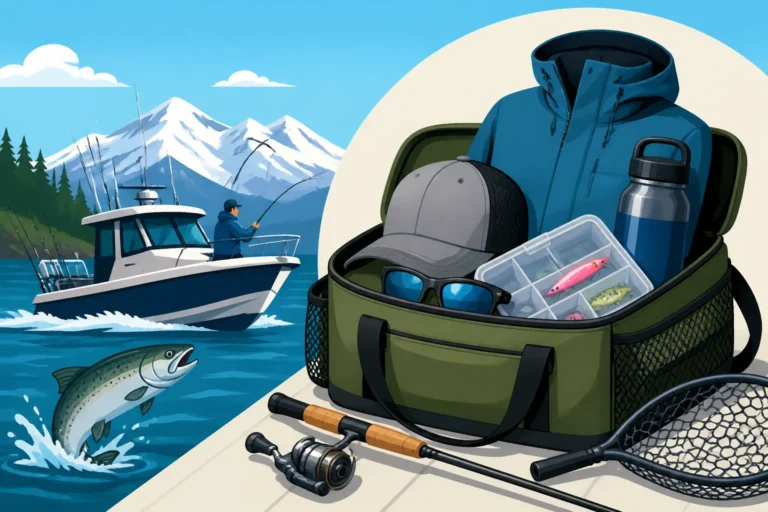
The weather in Washington can be unpredictable, especially on the water. Layering is key! Even on a sunny summer day, it can be chilly on the water in the morning or evening.
- Dress in layers: Start with a base layer, add a fleece or wool mid-layer, and finish with a waterproof and windproof outer shell (jacket and pants).
- Waterproof footwear: Boots or deck shoes with good grip are essential.
- Hat and sunglasses: For sun protection, even on cloudy days, and to reduce glare on the water.
- Gloves: Can be helpful for warmth or handling fish.
Beyond clothing, What to Bring on a Washington Fishing Charter might include:
- Snacks and drinks: Pack enough for the duration of the trip.
- Sunscreen: Even on cloudy days, UV rays reflect off the water.
- Small cooler: To take your cleaned catch home (check with the guide if they have space onboard).
- Camera: To capture those memorable moments.
- Medications: Any personal prescriptions you might need.
Dealing with Seasickness
If you're heading out on the open ocean or even in choppier parts of Puget Sound, seasickness can be a real concern. Don't let it ruin your trip!
- Over-the-counter remedies: Medications like Dramamine or Bonine can be very effective, but read the labels carefully and consider taking them the night before or at least an hour before departure.
- Pressure bands: Acupressure wristbands are a non-medication option that works for some.
- Ginger: Ginger chews, candy, or even fresh ginger can help settle stomachs.
- Stay on deck, look at the horizon: Avoid going below deck or focusing intently on small objects. Fresh air and a steady horizon line can often alleviate symptoms.
- Light, bland food: Avoid heavy, greasy meals before your trip.
It's always better to be prepared, even if you don't think you're prone to seasickness. A little prevention can save your entire day.
Tipping Etiquette
Tipping your fishing guide is standard practice and greatly appreciated, as it constitutes a significant portion of their income. While there's no hard and fast rule, generally, a tip of 15-20% of the total trip cost is customary for a good effort and a successful trip.
Consider the guide's hard work, their knowledge, their effort in putting you on fish, their assistance, and how well they cleaned your catch. Even if the fishing is slow (which can happen, it's fishing after all!), if the guide worked hard, was professional, and tried their best, a tip is still warranted. Present your tip discreetly and directly to the captain or lead guide at the end of the trip.
Maximizing Your Charter Experience
You've booked the trip, you're prepared, now let's make sure you get the absolute most out of your time on the water. A successful charter isn't just about catching fish; it's about the entire experience, and your attitude plays a big part.
Communicating with Your Guide
Your guide is your partner for the day. Be open and communicative.
- Listen actively: Pay attention to their instructions regarding rigging, casting, or how to fight a fish. They're telling you this for a reason!
- Ask questions: If you don't understand something, speak up. This is your learning opportunity.
- Provide feedback: Let them know if you're cold, need a break, or have a specific question about a technique.
- Be realistic: Understand that fishing is unpredictable. Even the best guides can't guarantee a full limit every time. Enjoy the process, the scenery, and the company.
Remember, your guide wants you to have a great time and catch fish just as much as you do. Good communication fosters a positive environment for everyone.
Respecting Marine Environment and Regulations
Being a responsible angler is crucial, and your guide will be a staunch advocate for ethical practices.
- Follow bag and size limits: Your guide will ensure you stay within legal limits. Understand How Bag and Possession Limits Work in Washington and abide by them.
- Handle fish carefully: If you're releasing fish (especially wild steelhead, where Wild Steelhead Release Rules on Washington's Olympic Peninsula Rivers are very strict, or fish caught during a Catch-and-Release Rules During Wild Steelhead Closures), handle them gently, keep them in the water as much as possible, and release them quickly.
- Dispose of waste properly: Pack out everything you pack in, and leave no trace.
- Respect wildlife: Enjoy observing marine mammals and birds from a distance.
Your guide is also a steward of the environment. By following their lead, you contribute to the sustainability of Washington's fisheries for future generations.
Handling Your Catch After the Trip
So, you've landed some beautiful fish! Now what? Most charters will at least gut and bleed your fish, and many will fillet them for you as well.
- Confirm processing services: Before your trip, clarify with your guide what level of fish processing is included or if there's an additional charge.
- Bring a cooler: Have a cooler filled with ice in your vehicle to transport your cleaned fish home. This is vital to keep your catch fresh.
- Packaging for travel: If you're traveling a long distance, ask your guide about local fish processing services that can vacuum-pack and freeze your catch. Some larger coastal ports might even have facilities that can ship fish. How to Ship Fish Home From Washington is a common question, and your guide might have great local recommendations.
Proper handling of your catch ensures that the delicious fish you worked hard for makes it to your dinner plate in prime condition.
Common Questions and Misconceptions
There are always questions that pop up, especially for those new to booking charters. Let's address some of the most frequent ones to help demystify the process.
Is a Guide Worth the Cost?
This is a question many anglers grapple with. The answer largely depends on your goals and experience level. For an informational perspective, consider Choosing Between a Guide and a DIY Trip. While the upfront cost of a charter might seem high, consider what you're getting:
- Access to prime spots: Without a guide, you might spend days (or even years) trying to find productive water.
- Specialized gear: High-quality rods, reels, tackle, and boat equipment are provided, which would cost a fortune to buy yourself.
- Expert knowledge: Real-time updates on fishing conditions, regulations, and fish behavior.
- Safety: Guides are trained in marine safety, first aid, and are experienced in navigating potentially dangerous waters.
- Learning experience: Invaluable instruction that can elevate your own fishing skills.
For many, especially those visiting a new area or targeting a challenging species, a guide dramatically increases the chances of success and provides an educational experience that's well worth the investment.
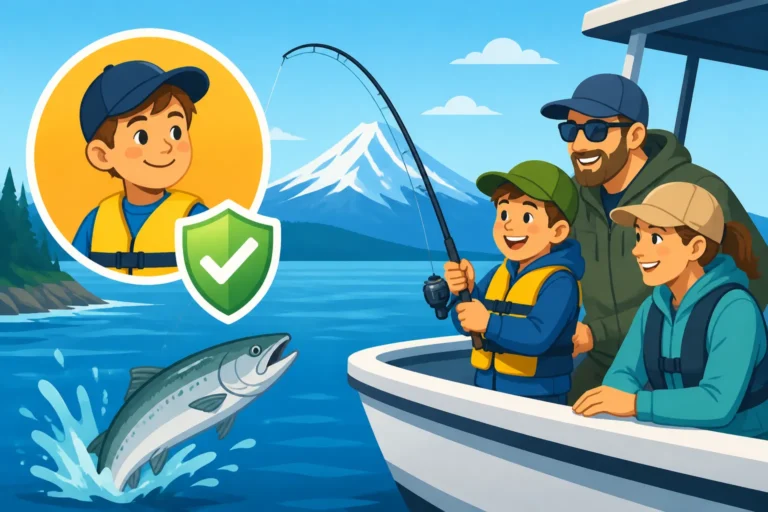
Can Kids Go on Charters?
Absolutely! Many Washington fishing charters are very family-friendly and love introducing young anglers to the sport. However, it's essential to communicate with the guide beforehand:
- Minimum age: Some charters might have a minimum age, especially for offshore trips that can be rougher. Always confirm this.
- Duration: Consider a shorter, half-day trip for younger children, as their attention spans and endurance might be limited.
- Species: Crabbing or bottomfishing trips are often great for kids, as the action can be more consistent.
- Facilities: Ask if the boat has a restroom or if there are any special accommodations for children.
A well-chosen charter can create lifelong memories for a family. Just be upfront with the guide about your children's ages and comfort levels.
What if the Fish Aren't Biting?
This is the age-old angler's lament. It's important to remember that fishing is inherently unpredictable. Even the best guides cannot control the fish or the weather. What they can control is their effort, their knowledge, and their professionalism.
- Effort: A good guide will continuously work to put you on fish, trying different spots, techniques, and baits.
- Adaptability: They'll adapt to changing conditions, tides, and fish behavior.
- Communication: They'll explain why the fishing might be slow and what they're doing to try and improve your chances.
While it's disappointing when the fish aren't cooperating, try to enjoy the other aspects of the trip: the beautiful scenery, the fresh air, the camaraderie, and the learning experience. You're still out on the water, making memories, and that's often worth the price of admission itself. Focus on the experience, and the fish will eventually come.
Disclaimer
This article is for general informational purposes only and does not constitute professional advice. Laws, prices and regulations vary by location and change over time. Consult a qualified professional for guidance on your specific situation.