Guided Trips Out of Sekiu, Washington
Picture this: you've heard the whispers, seen the photos of monster salmon and massive halibut, and now you're dreaming of a fishing adventure in Washington's iconic Sekiu. But maybe you don't have a boat, or the right gear, or the local knowledge to navigate those waters successfully. This guide is here to unravel all the mysteries of booking a fantastic guided fishing trip out of Sekiu, making your dream trip a reality without the stress.
Why Sekiu is a Prime Destination for Guided Fishing Trips
Sekiu, nestled on the northern Olympic Peninsula, isn't just a dot on the map; it's a gateway to some of Washington's most vibrant marine fisheries. For anglers, especially those seeking salmon, halibut, or lingcod, it's a legendary jumping-off point.
The Unique Marine Environment of Sekiu
What makes Sekiu truly special is its incredible location right on the Strait of Juan de Fuca. This isn't the wide-open, often rough Pacific Ocean, but rather a partially protected inland sea that connects Puget Sound to the big blue. The Strait acts like a superhighway for migrating salmon heading into Puget Sound and up various rivers, concentrating them right in Sekiu's backyard. The currents and depth changes here create perfect feeding grounds and holding areas for a diverse range of species. It means less travel time to productive fishing grounds and often calmer waters than the exposed coast, which is a huge plus for anyone prone to seasickness or newer to ocean fishing. You'll find rocky reefs that provide structure for bottomfish and vast stretches of open water where salmon patrol. Sekiu gives you access to the rich bounty of both the Strait and nearby open coastal areas, making it a very versatile spot for a guided trip. Washington's Puget Sound Fishing Spots for Salmon and Bottomfish provides a broader look at the region, but Sekiu truly shines as a launch point.
The Advantages of Fishing with a Local Guide
Trying to navigate new waters, especially complex marine environments like the Strait of Juan de Fuca, can be incredibly daunting. This is where a local fishing guide from Sekiu becomes your absolute best friend. These folks live and breathe these waters. They know the tides like the back of their hand, understand how currents affect fish movement, and have countless "secret" spots that would take you years to discover on your own. More than just finding fish, a guide provides all the specialized gear and bait, often top-of-the-line equipment that would cost a small fortune to buy yourself. They handle the boat, the navigation, and, crucially, they are masters of the ever-changing Washington fishing regulations. One of the biggest advantages is safety; guides are professionals with safety equipment and knowledge to handle unexpected situations. They are licensed and insured, giving you peace of mind. Ultimately, a guide maximizes your fishing time and increases your chances of success, turning a potentially frustrating day into a memorable adventure.
Top Species to Target with a Sekiu Fishing Guide
Sekiu is renowned for its diverse fishery, offering exciting opportunities for several highly sought-after species. Your guide will know exactly what's biting best during your visit.
Chasing Chinook (King) Salmon
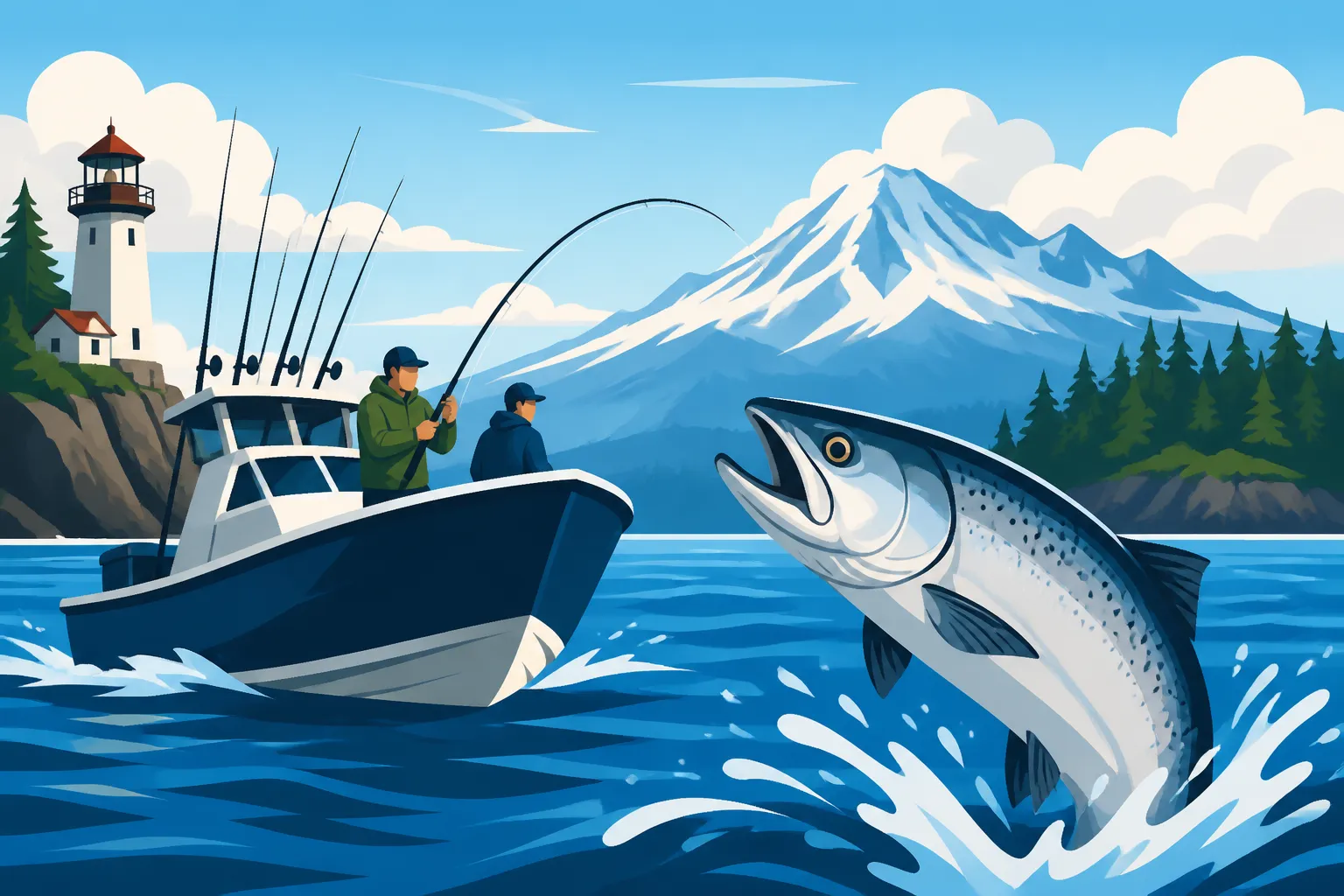
When anglers talk about "the big one" in Washington, they're often talking about Chinook salmon, affectionately known as Kings. These powerful fish are the largest and most prized of the Pacific salmon species, and the waters off Sekiu are a prime hunting ground during their migration. Chinook typically make their presence known in the Sekiu area from late spring through the summer months, with peak season often landing in July and August. Guides here are experts at trolling with downriggers, presenting baitfish like herring or anchovies, or various artificial lures at precise depths where these big Kings are feeding. The thrill of a big Chinook strike, followed by its powerful, head-shaking runs, is an experience every angler should have. It's a true test of strength and skill, and landing one of these chrome beauties is a moment you won't soon forget.
Hooking Into Coho (Silver) Salmon
While Chinook are kings, Coho salmon, or Silvers, are acrobatic fighters that provide non-stop action, making them a favorite among many Sekiu regulars. Coho generally arrive in significant numbers later in the summer and continue strong into the fall. They are incredibly aggressive feeders and known for their spectacular aerial displays once hooked. Guides often target Coho by trolling faster than for Chinook, using smaller baitfish, spoons, or hoochies. Mooching, a technique involving drifting with bait, can also be very effective when Coho are concentrated in certain areas. Their abundance and willingness to bite often mean more consistent action, making them a fantastic target for both seasoned anglers and newcomers. Plus, Coho are excellent table fare, firm and flavorful.
Bottomfishing for Halibut and Lingcod
Beyond salmon, Sekiu offers incredible opportunities for bottomfish, particularly Pacific halibut and lingcod. Halibut seasons are typically short and highly regulated, often occurring in spring and early summer, making guided trips essential to hit the limited openings. These flatfish are giants, capable of growing to impressive sizes, and fighting them up from the deep can be quite a workout. Guides use heavy gear, dropping large jigs or baited rigs (often with octopus or large chunks of fish) to the seafloor, sometimes hundreds of feet down. Lingcod, on the other hand, are toothy predators that hide among rocky structures and are available for a longer season, usually from spring through fall. They hit jigs or live bait with ferocious aggression. Both halibut and lingcod offer a unique fishing challenge compared to salmon, and they are exceptionally good eating. Many guides offer combination trips that target salmon in the morning and then switch to bottomfishing for the remainder of the day, giving you a chance at a true mixed bag.
What to Expect When Booking a Sekiu Guided Trip
Booking a guided trip in Sekiu is more than just showing up with your wallet. Understanding the logistics, what's included, and the financial aspects will help you plan a smooth and enjoyable experience.
Understanding Charter Durations and Group Sizes
When you look into Sekiu fishing guides, you'll generally find two main trip durations: half-day and full-day charters. Half-day trips are typically around 4-5 hours, perfect for a quick outing, focusing on a specific target, or for those with limited time or who are new to fishing. Full-day trips, usually 8 hours or more, give you much more time on the water, allowing for travel to more distant spots, trying multiple techniques, and targeting a wider variety of species.
Regarding group sizes, most charters in Sekiu operate on what's known as a "six-pack" model. This means the boat is licensed to carry a maximum of six paying passengers plus the captain and deckhand (if applicable). You can either book a "shared" trip where you pay per person and share the boat with other anglers, or you can book a "private" trip, where you reserve the entire boat for your group, regardless of how many people you bring (up to the six-passenger limit). Private charters offer more flexibility, personalized attention, and often a better chance to tailor the trip to your group's specific desires.
What Your Guide Typically Provides (and What You Need)
One of the biggest perks of a guided trip is not having to worry about gear. A good Sekiu guide will provide the boat, fuel, all the necessary rods, reels, tackle, and bait. They'll also have safety equipment like life vests and first-aid supplies. Most guides will also clean and often bag your catch at the end of the day, which is a huge convenience.
However, there are crucial items you'll need to bring yourself. First and foremost, you absolutely must have a valid Washington State fishing license and any required endorsements, such as the Washington's Columbia River Salmon and Steelhead Endorsement, Explained if you're venturing into certain areas, though less common directly out of Sekiu for many trips. You'll also need a The Washington Catch Record Card and What It Requires for salmon and steelhead. These are your responsibility, and you won't be allowed to fish without them. Beyond that, consider bringing:
- Food and drinks: Pack a lunch, snacks, and plenty of water or other beverages.
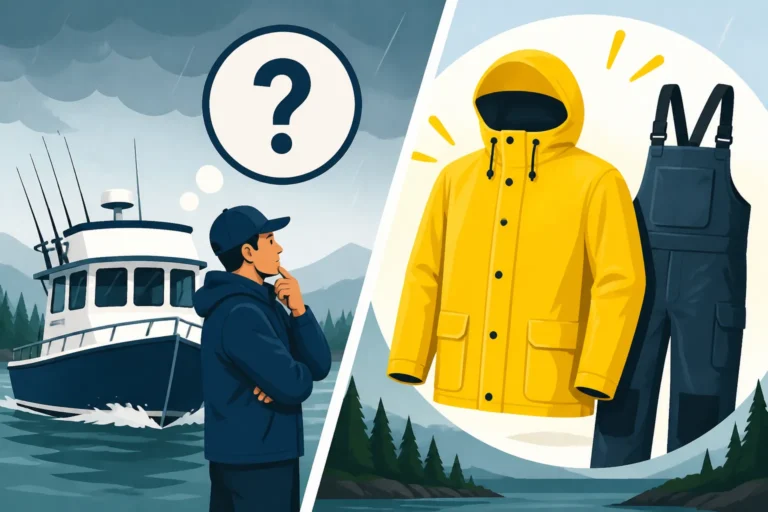
- Weather-appropriate clothing: Dress in layers, as weather on the Strait can change rapidly. Waterproof outer layers are a must, even on sunny days, due to spray.
- Sun protection: Sunscreen, a wide-brimmed hat, and sunglasses are vital.
- Cooler with ice: For transporting your fillets home after the trip.
- Camera: To capture those memorable moments!
Your guide will usually confirm these details when you book, but it's always good to be prepared. What to Bring on a Washington Fishing Charter offers a more general checklist that can be very helpful.
Navigating Costs and Tipping Etiquette
The cost of a guided fishing trip out of Sekiu can vary significantly. Factors influencing the price include the duration of the trip (half-day versus full-day), the target species (halibut trips, for instance, often command a higher price due to fuel costs and specialized gear), and whether you opt for a shared or private charter. Shared trips are priced per person, making them more budget-friendly for individuals or small groups. Private charters cost a flat rate for the boat, which can be more economical if you have a full group of five or six anglers. Always confirm the exact pricing structure and what's included before you book. Remember that the price typically doesn't include your fishing license, food, or gratuity for the guide.
Tipping your fishing guide is customary and highly encouraged in the charter fishing industry. These guides work incredibly hard, often starting long before dawn to prepare bait and boats, putting in long hours on the water, and then cleaning fish and gear afterward. A good rule of thumb is to tip around 15-20% of the total charter cost if you had a good experience and the guide worked hard for you, regardless of whether you caught your limit. If the guide went above and beyond, or if you had a truly exceptional day, feel free to give more. It's a direct way to show your appreciation for their expertise, effort, and service. How Much to Tip a Washington Charter Captain provides more insights into this important aspect of your trip.
How to Choose the Right Sekiu Fishing Guide for You
Finding the perfect guide can make or break your fishing trip. It's not just about who has an open date; it's about finding a guide whose style, expertise, and boat fit your expectations.
Researching Reputable Operators and Boats
The first step in choosing a guide is thorough research. Start by looking for Sekiu-based charter operators online. Reputable guides will have professional websites, clear contact information, and often a gallery of past catches. Pay close attention to online reviews on platforms like Google, social media, and dedicated fishing forums. These reviews offer invaluable insights into a guide's personality, their boat's condition, their success rates, and their overall customer service. You'll want to look for patterns in reviews – do people consistently praise a guide for being patient with beginners, or for their ability to find specific species?
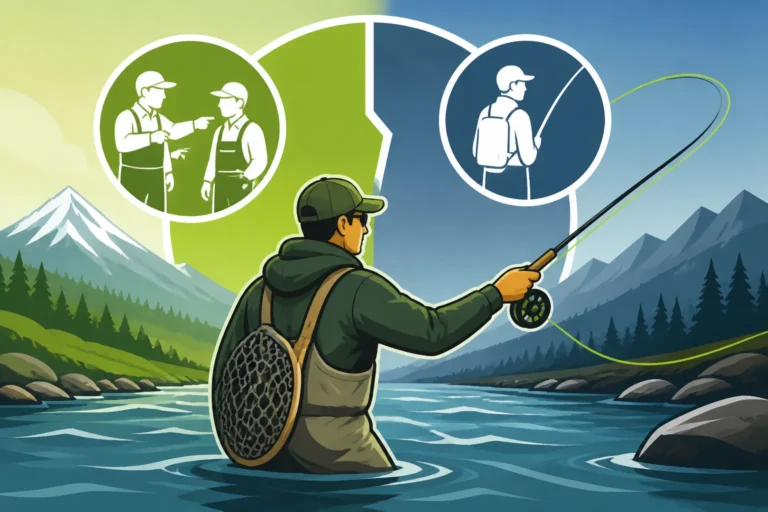
Consider what kind of trip you're looking for. Are you dead-set on a trophy Chinook, or do you want consistent action with Coho? Do you prefer a guide who is chatty and teaches you techniques, or one who focuses quietly on finding fish? Some guides specialize more in salmon, others in bottomfishing, and some offer a great mix. You can often find a good selection of guides and their offerings, complete with reviews from past clients, on platforms like FishingBooker, which can help you compare options easily and find a fit for your needs.
Key Questions to Ask Before Booking
Once you've narrowed down your choices, don't hesitate to pick up the phone and chat with the guide directly. This is your opportunity to ask specific questions and get a feel for their personality. Here are some essential questions to ask:
- What's included in the price? (e.g., bait, tackle, fish cleaning, bottled water)
- What should I bring? (e.g., license, food, drinks, rain gear, cooler)
- What's the current fishing like? (Which species are biting best, recent success, and realistic expectations for your trip date)
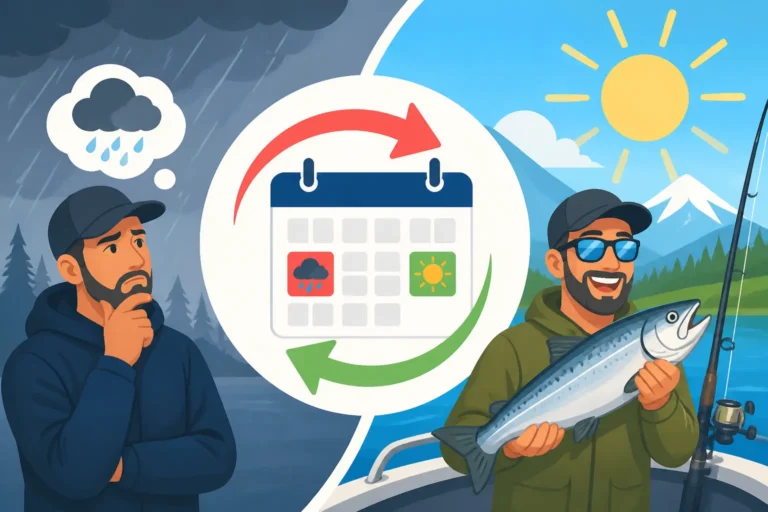
- What's your cancellation policy for weather or other unforeseen circumstances? This is particularly important for Sekiu, where weather can dictate conditions.
- What kind of boat do you run, and what safety equipment do you have?
- Are you licensed and insured? (A legitimate guide will be happy to confirm this).
- Do you offer any special accommodations for children or those with mobility issues?
Clear communication upfront will help set expectations for both you and the guide, ensuring a more enjoyable experience for everyone involved.
Understanding Licensing and Safety Credentials
This might not be the most exciting part of booking a trip, but it's arguably the most important. A legitimate fishing guide in Washington State must hold several key licenses and certifications. This includes a valid U.S. Coast Guard (USCG) Captain's License, which certifies their competence in operating a vessel and their knowledge of marine safety and navigation. They also need proper state-issued guide licenses and permits from the Washington Department of Fish and Wildlife (WDFW). These ensure they are operating legally and in compliance with all state fishing regulations.
Beyond licenses, inquire about their safety protocols and equipment. A professional guide's boat should be well-maintained and equipped with all necessary safety gear: life jackets (properly sized for all passengers, including children), a first-aid kit, fire extinguishers, marine radio, GPS, and other navigational aids. Don't be shy about asking these questions; a responsible guide will appreciate your concern for safety and be transparent about their credentials and procedures. After all, a safe trip is a good trip. If you're looking for more general guidance on vetting guides, How to Vet a Washington Fishing Guide can provide additional useful criteria.
Maximizing Your Sekiu Guided Fishing Experience
You've picked your guide, secured your dates, and now you're just counting down the days. Here's how to ensure you get the absolute most out of your guided fishing trip to Sekiu.
Preparing for Your Trip (Gear, Weather, Attitude)
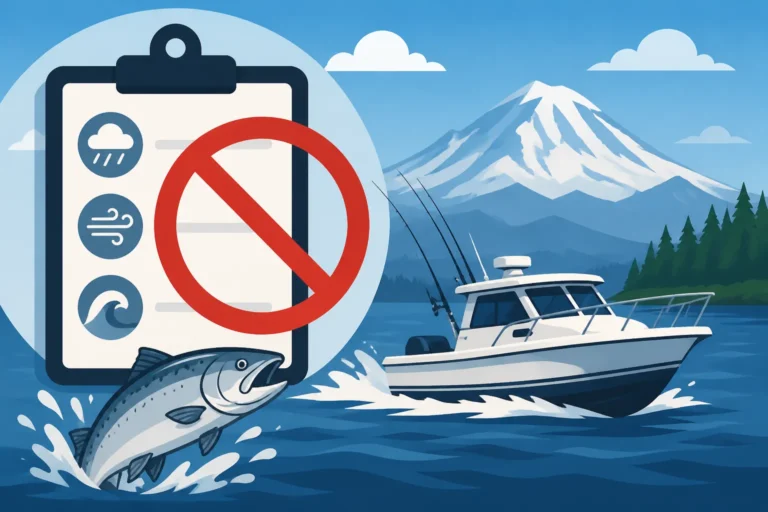
Preparation is key to a successful and comfortable day on the water. First, always check the weather forecast for Sekiu a few days before your trip. The Strait of Juan de Fuca can be temperamental, and conditions can change quickly. Dress in layers; even on a sunny summer day, the marine air can be cool, and boat speed creates wind chill. Waterproof outerwear is non-negotiable, protecting you from spray, rain, and unexpected waves. Good waterproof boots are also highly recommended.
Beyond clothing, pack smart. Bring enough food and drinks to last the trip, remembering that guides usually don't provide meals. Stay hydrated! If you're prone to seasickness, consider taking medication the night before and again in the morning of your trip. Get a good night's sleep.
Finally, bring a positive and realistic attitude. Fishing is called fishing, not catching, for a reason. While Sekiu is productive, there are no guarantees. Be respectful of your guide, listen to their instructions, and be ready to learn. A good guide will appreciate an engaged and positive client, and it will undoubtedly enhance your overall experience.
Understanding Washington's Regulations
Washington State fishing regulations can feel incredibly complex, with different rules for different marine areas, specific species, and even varying by the day or hour during emergency closures. This is one of the biggest benefits of fishing with a guide: they are intimately familiar with these rules. However, it’s still important for you, as an angler, to have a basic understanding. You should know about daily bag limits, which specify how many fish of a certain species you can keep in a 24-hour period, and possession limits, which dictate how many fish you can have in your possession at any given time (this typically covers fish you've already taken home or frozen).
Guides will help you identify legal fish, measure them, and ensure you stay within the legal limits. They also handle the necessary recording on your catch record card for salmon and steelhead. Be sure to familiarize yourself with general regulations, as your guide will expect you to follow their lead on the water. Reviewing resources like Washington Fishing Regulations Every Angler Should Know, How Bag and Possession Limits Work in Washington, and Washington Sport Fishing Seasons and Emergency Closures before your trip can be incredibly helpful and allow you to focus more on the fishing itself once you're on the boat.
Handling Your Catch After the Trip
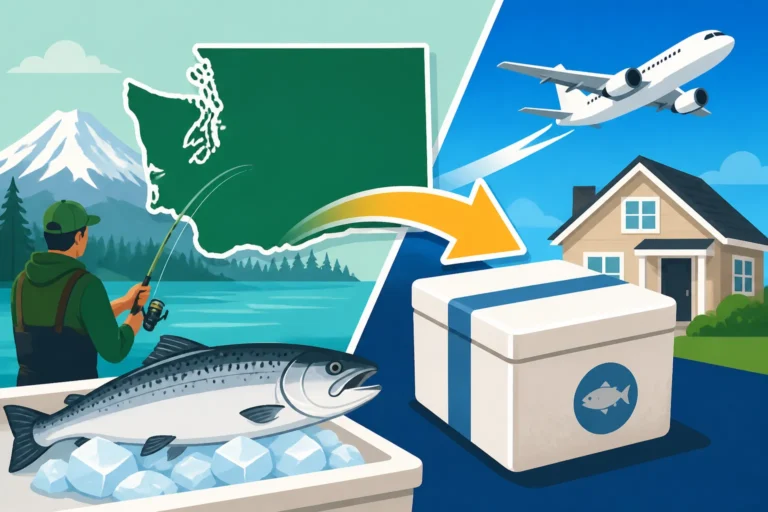
So, you've had a fantastic day and caught some beautiful fish – congratulations! Now, what do you do with it all? Most Sekiu fishing guides include fish cleaning as part of their service. They'll fillet your salmon, halibut, or lingcod, and usually place the fillets into plastic bags. It's vital that you bring a good-sized cooler filled with ice to transport your fresh fillets home. Pack it carefully, ensuring the fish stays cold and doesn't get bruised.
If you have a particularly large catch, or if you're traveling a long distance, you might want to look into local fish processing facilities or even options for shipping your fish. Some larger ports near Sekiu may offer services like vacuum sealing or freezing, but it's best to research these options in advance, as they are not typically provided by the guide and will incur additional costs. Remember, properly handling your catch immediately after the trip ensures the best quality and taste for your well-deserved meal. And always keep good records, especially if transporting across state lines, as proof that your fish was legally caught. Records You Should Keep With Your Fish Fillets delves into this important topic.
Here's a quick reference for common species and their peak seasons in Sekiu:
| Species | Peak Season (Approx.) | Primary Techniques Used by Guides | Notes |
|---|---|---|---|
| Chinook Salmon | July – August | Trolling with downriggers | Largest salmon, powerful fighters. |
| Coho Salmon | Late August – October | Trolling, Mooching | Abundant, acrobatic, excellent eating. |
| Halibut | Spring – Early Summer | Deepwater jigging, Bottom bait | Limited seasons, deep-sea challenge. |
| Lingcod | April – October | Jigging, Live bait (where allowed) | Aggressive, toothy, great white meat. |
| Rockfish | Year-round (closures apply) | Jigging, Bait on reefs | Diverse species, check specific regulations. |
Disclaimer
This article is for general informational purposes only and does not constitute professional advice. Laws, prices and regulations vary by location and change over time. Consult a qualified professional for guidance on your specific situation.