How to Find a Spey Casting Instructor
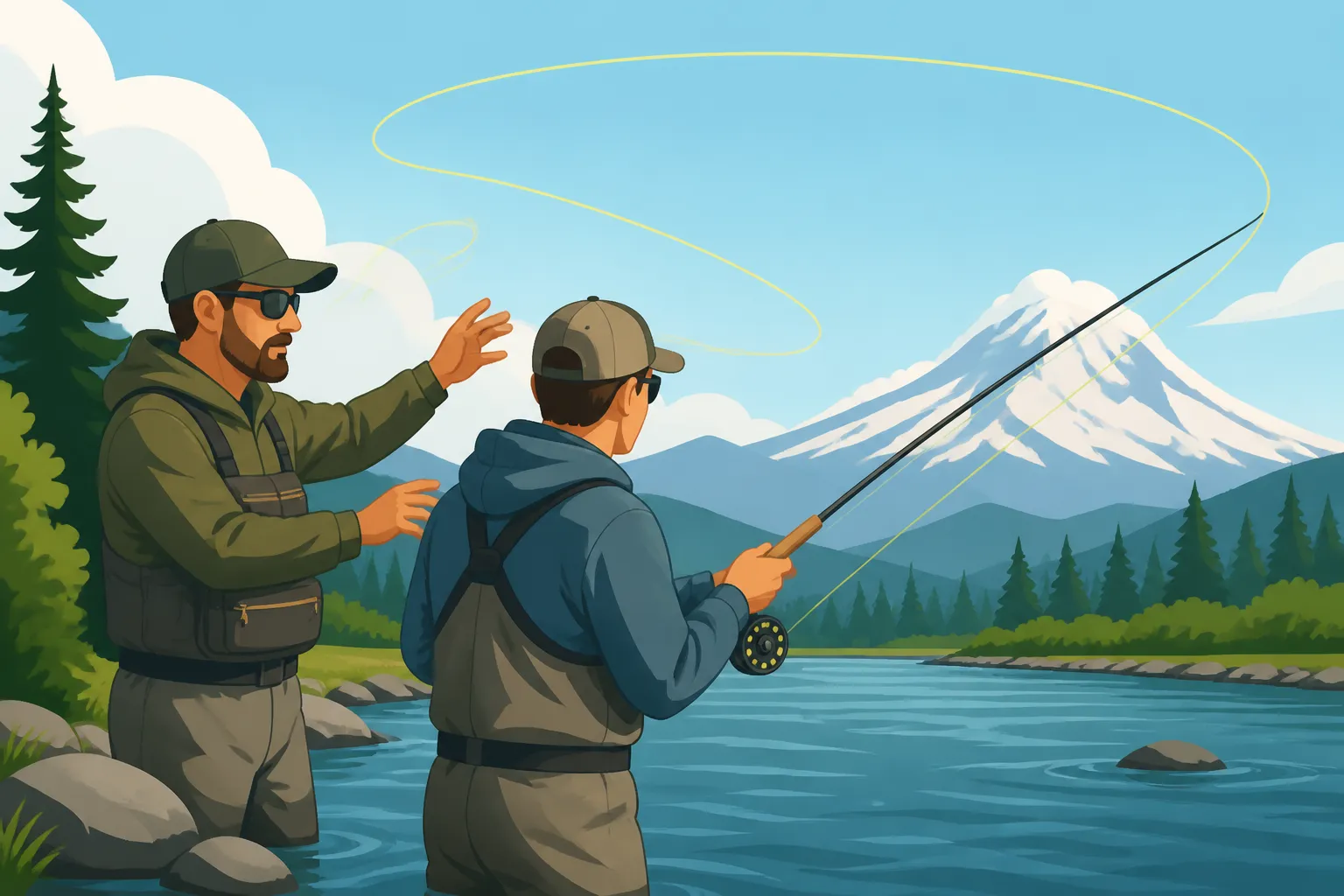
Trying to learn Spey casting by yourself can be incredibly frustrating, especially on Washington's expansive rivers. It's a powerful, elegant technique perfect for steelhead and salmon, but mastering it often requires hands-on guidance. If you're tired of tangles and want to truly unlock the art of Spey, finding the right instructor is essential. This guide will show you how to locate and choose a qualified Spey casting instructor in Washington, transforming your struggles into fluid, effective casts.
Why Invest in Spey Casting Instruction?
For many anglers, the world of Spey casting seems like a mysterious, almost mystical art form. You see experienced anglers on the river making these effortless, graceful casts that seem to defy gravity, sending lines sailing across vast expanses of water with minimal effort. Meanwhile, you're wrestling with a single-hand rod, struggling against the wind, or constantly snagging your backcast in the trees. The frustration is real, and it’s a big reason why many give up on covering water effectively. An instructor doesn't just teach you to cast; they teach you to fish more efficiently and enjoyably.
Overcoming Common Obstacles
Many of us start our Spey journey by watching countless YouTube videos, reading articles, and trying to mimic what we see. While these resources are valuable, they simply can't replace the immediate, personalized feedback an instructor provides. You might be making a subtle error in your rotation, timing, or stance that feels correct to you but is completely throwing off your cast. An instructor can spot these nuances instantly, saving you hours, days, or even seasons of frustration. They can break down complex movements into digestible steps and help you understand the "why" behind each motion, not just the "how."
Think about trying to learn to play a musical instrument or golf swing from a book. You can get the basics, but a dedicated teacher can identify your bad habits before they become ingrained, refine your technique, and offer specific drills tailored to your weaknesses. Spey casting is no different. It’s a highly coordinated movement, and a professional eye is invaluable for proper form development. It will accelerate your learning curve dramatically.
The Benefits of Proper Technique
When you learn Spey casting correctly from the start, you unlock a whole new dimension of angling. First and foremost, you'll conserve energy. The beauty of Spey is that it harnesses the rod's load and the line's momentum to propel the fly, rather than relying on brute force. This means you can cast all day without fatigue, which is a huge advantage when you're covering miles of river in search of steelhead or salmon.
Furthermore, proper Spey technique allows you to present flies effectively in situations where a single-hand rod struggles – think high banks, heavy wind, or deep, fast currents requiring heavy sink tips. You'll be able to manage your line better, achieve deeper swings, and ultimately put your fly in front of more fish. It’s a game-changer for rivers like the Skagit or the Olympic Peninsula's legendary steelhead waters, where big water and diverse conditions are the norm. Spey Casting in Washington and Who Should Try It
What Makes a Great Spey Casting Instructor?
Finding the right Spey casting instructor isn't just about finding someone who can cast well themselves. It's about finding someone who can teach well, understands different learning styles, and has a deep knowledge of the specific challenges and techniques relevant to Washington's unique fisheries. A great instructor is a patient guide, a keen observer, and a knowledgeable mentor.
Certifications and Experience
While not strictly mandatory, looking for instructors with recognized certifications from organizations like the Federation of Fly Fishers (now Fly Fishers International – FFI) can be a good starting point. Their Casting Instructor (CI) or Master Casting Instructor (MCI) certifications, and especially the Two-Handed Casting Instructor (THCI) certification, signify that the individual has met rigorous standards for casting proficiency and, crucially, for teaching ability. These certifications mean they’ve not only proven they can cast, but they can break down the mechanics and diagnose issues effectively.
Beyond certifications, consider their practical experience. How long have they been Spey fishing? Do they regularly guide or fish the rivers you intend to frequent, such as the Cowlitz, Kalama, or the rivers of the Olympic Peninsula? An instructor who understands the specific currents, obstacles, and fish behavior of local waters can offer highly relevant advice that goes beyond just casting mechanics. Their insights into specific river scenarios, like dealing with a strong downstream wind or mending effectively in a tricky current, are invaluable. The Best Steelhead Rivers in Washington
Teaching Style and Communication
A good instructor adapts to your learning style. Some people learn best by doing, some by watching, and others by hearing detailed explanations. A great teacher can switch gears, offering different analogies or demonstrations until something clicks for you. Pay attention to how they communicate – are they clear, concise, and encouraging, or do they make you feel overwhelmed or inadequate? The best instructors are patient, positive, and genuinely want to see you succeed.
Consider asking about their philosophy on teaching. Do they focus on foundational principles or immediately dive into advanced techniques? For beginners, a strong emphasis on core mechanics like the D-loop, anchor placement, and rod-hand path is critical. You want someone who builds a solid foundation before moving to variations like the Snake Roll or Snap-T. It's also helpful if they explain the purpose of each drill, helping you understand why you're doing something rather than just mimicking movements.
Where to Begin Your Search for Spey Expertise
With Washington's vast and varied fishing opportunities, finding a Spey casting instructor might seem daunting. Thankfully, there are several reliable avenues to explore, from local fly shops to online platforms and specialized events. Don't be afraid to cast a wide net (pun intended!) to find the perfect fit.
Local Fly Shops and Guide Services
Your local fly shop is often the absolute best first stop. Shops like The Avid Angler in Seattle, Kaufmann's Streamborn in Bellevue, or Swede's Fly Shop in Leavenworth are hubs for fly fishing knowledge. The staff often know who the local Spey experts are, who teaches lessons, and which guides specialize in two-handed rods. They might even host casting clinics themselves or have a list of recommended instructors.
Many guides who specialize in salmon and steelhead on rivers like the Wenatchee, Yakima, or those in the Puget Sound region also offer Spey casting instruction, sometimes as part of a guided trip. It's a fantastic way to learn the technique in a real-world fishing scenario. You might book a "learn to Spey" day with a guide where half the day is dedicated to casting practice on the bank, and the other half is spent applying those skills while fishing. When searching for guides, platforms like FishingBooker allow you to filter for different types of trips and sometimes specific techniques like fly fishing, where you can then inquire if the guide offers Spey instruction. Finding a Fly Fishing Guide in Washington
| Type of Instruction | Best For | Typical Format | Pros | Cons |
|---|---|---|---|---|
| Private 1-on-1 Lesson | Beginners to Advanced, personalized feedback | 2-4 hours, on grass or water | Highly tailored, immediate correction, focused attention | Can be more expensive, scheduling may be limited |
| Group Clinic/Workshop | Beginners, learning basics with others | Half-day to full-day, multiple students | Cost-effective, community learning, covers fundamentals | Less personalized feedback, pace might not suit everyone |
| Guided Trip with Instruction | Applying skills, real-world experience | Full fishing day on river | Combines learning with actual fishing, river knowledge | Fishing focus might reduce dedicated casting time |
| Fly Fishing Clubs/Events | All levels, casual learning & community | Informal sessions, annual events | Low cost or free, social aspect, access to diverse mentors | Not always formal instruction, varying skill levels of mentors |
Online Resources and Forums
The internet is a powerful tool for connecting with instructors. Beyond general searches, look for dedicated fly fishing forums and social media groups specific to Washington State. Anglers often share recommendations for instructors they've had positive experiences with. Websites like SpeyPages.com have forums where you can ask for local recommendations.
When browsing guide listings on platforms like FishingBooker, don't hesitate to send a direct message to guides who market themselves as fly fishing specialists. Many are multi-talented and can offer casting instruction even if it's not explicitly listed on their profile. Just be specific in your inquiry: "Do you offer dedicated Spey casting lessons, or instruction as part of a guided steelhead trip?" It’s all about clear communication. You might be surprised how many experienced guides are happy to share their knowledge beyond just putting you on fish. How to Book a Fishing Charter in Washington
Casting Events and Fly Fishing Shows
Throughout the year, especially in spring and fall, fly fishing clubs and organizations often host casting clinics, events, and sometimes even multi-day Spey clave gatherings. These are fantastic opportunities to meet multiple instructors, observe different casting styles, and get some free pointers or even a short paid lesson. Large fly fishing shows (like the Western Washington Fly Fishing Fair, if it's running) frequently feature casting demonstrations and instructors offering mini-lessons.
Attending these events allows you to "try before you buy," getting a feel for an instructor's personality and teaching style before committing to a full lesson. You can also network with other Spey enthusiasts, who might share valuable insights or recommendations. Keep an eye on the websites and social media pages of local fly fishing clubs and regional FFI councils for announcements about upcoming events. These are often where you can find an instructor passionate about the art form.
Preparing for Your Spey Casting Lesson
Once you've found an instructor, a little preparation on your part can go a long way in maximizing the value of your lesson. You're investing time and money, so you want to ensure you're in the best position to absorb the information and make tangible progress.
What to Bring and Ask
First, confirm with your instructor what gear you should bring. Most instructors are happy to provide a rod and line setup if you don't have one, or if you're looking to try different configurations before making a purchase. However, if you have your own Spey rod, reel, and lines, bring them! It's beneficial to learn on the equipment you'll actually be using. Also, dress appropriately for the weather – you'll likely be outside for several hours, possibly on a riverbank. Waders, rain gear, and comfortable shoes are often a good idea. What to Bring on a Washington Fishing Charter
Before the lesson, have a clear idea of what you want to achieve. Are you a complete beginner looking to learn the basic roll cast and switch cast? Or are you an intermediate caster hoping to refine your double Spey or learn to cast heavy sink tips for winter steelhead? Communicate these goals to your instructor beforehand so they can tailor the session to your needs. Don't be shy about asking questions about their teaching approach or what a typical lesson entails.
Setting Realistic Expectations
Understand that Spey casting is a skill that takes time, patience, and consistent practice to master. A single lesson will give you the foundational knowledge and correct your immediate errors, but it won't magically turn you into a Spey casting guru overnight. Think of it as planting a seed; you still need to water and nurture it.
Be prepared to feel a bit clumsy at first. It's a completely different rhythm and motion than single-hand casting. Embrace the learning process, focus on the feedback, and don't get discouraged by imperfect casts. The goal of the first lesson is to learn the correct mechanics and develop muscle memory, not necessarily to cast a hundred feet every time. The most important takeaway is often a clear understanding of what to practice after the lesson. Your instructor should leave you with specific drills and exercises to continue honing your skills independently.
Remember, the journey of learning Spey casting is part of the joy of fly fishing. With the right instructor in Washington, you'll gain not just a new skill, but a deeper connection to the water and the fish you pursue. Right Way to Cast a Spey Rod for Steelhead
Disclaimer
This article is for general informational purposes only and does not constitute professional advice. Laws, prices and regulations vary by location and change over time. Consult a qualified professional for guidance on your specific situation.