Columbia River Guided Salmon and Steelhead Trips in Washington
The Columbia River, a magnificent artery of the Pacific Northwest, offers some of the most thrilling salmon and steelhead fishing experiences imaginable. However, for many anglers, especially those new to the region or without their own specialized gear, tackling such a vast and dynamic waterway can feel incredibly daunting. Between navigating ever-changing regulations, finding the fish, and having the right equipment, it's easy to feel overwhelmed. This comprehensive guide will walk you through everything you need to know about booking and enjoying a guided salmon or steelhead trip on the Washington side of the Columbia River, ensuring you have a fantastic and productive adventure.
Why Choose a Guided Trip on the Columbia River?
Let's be real: fishing the Columbia River isn't like dropping a line into your local pond. This river is enormous, its currents are powerful, and the fish are often on the move. Many anglers find themselves spending more time scratching their heads than catching fish, simply because the learning curve is so steep. This is where a professional guide becomes an absolute game-changer, turning potential frustration into genuine success and memorable moments.
Navigating Complex Regulations
One of the biggest headaches for any angler on the Columbia River, whether resident or nonresident, is keeping up with the regulations. These aren't just a few simple rules; they're often highly specific, changing sometimes weekly, and can vary by river section, species, and even time of day. You might have different bag limits for hatchery Chinook versus wild Chinook, or a barbless hook rule that applies only to certain areas or species. It's enough to make your head spin!
A reputable Columbia River guide lives and breathes these regulations. They're constantly checking the Washington Department of Fish and Wildlife (WDFW) emergency rule changes and staying informed about the latest openings, closures, and gear restrictions. Imagine showing up to your fishing spot, fully geared up, only to find out it closed yesterday. Or worse, accidentally breaking a rule because you misread the pamphlet. Guides eliminate this stress entirely. They ensure every aspect of your trip complies with current laws, from the gear you're using to the fish you're keeping, allowing you to focus purely on the joy of fishing. They understand exactly Washington Fishing Regulations Every Angler Should Know and how they apply specifically to the Columbia.
Accessing Prime Fishing Spots
The Columbia River stretches for hundreds of miles through Washington, and its prime fishing spots aren't always obvious or easily accessible to the public. Fish move with the tides, water temperature, and spawning urges, often congregating in specific channels, holes, or river bends that only local experts know how to find. Trying to navigate this vast expanse on your own without local knowledge is like trying to find a needle in a haystack.
Guides have spent countless hours on the water, mapping out the river, understanding its currents, and tracking fish movements. They know precisely where the salmon are staging before their spawn, where the steelhead are holding in cooler waters, and which drifts are most productive on any given day. More than just knowing where the fish are, they know how to safely and efficiently get you there, often utilizing private or less-known launch points that save valuable fishing time and avoid crowded public ramps. This local expertise translates directly into more opportunities to hook up.
Leveraging Expert Knowledge and Gear
Let's face it, salmon and steelhead fishing on the Columbia requires specialized equipment. From heavy-duty trolling rods and downriggers for Chinook in the lower river to sensitive drift rods and specific bait setups for steelhead upriver, the gear closet can get expensive quickly. For someone just dipping their toes in, or even an experienced angler from a different region, investing in all this specific equipment for one or two trips isn't practical.
When you book a guided trip, all of that burden is lifted. Your guide provides top-of-the-line rods, reels, bait, and tackle specifically chosen for the target species and conditions of the day. They'll show you exactly how to present your bait, how to set the hook, and how to fight these powerful fish. This hands-on instruction is invaluable, not just for catching fish on the day, but for learning techniques you can apply to your own future trips. Plus, they bring the boat – a big, safe, and often heated vessel designed for comfort and efficiency on the big river. It's an all-inclusive experience that drastically increases your chances of success and enjoyment, whether you're a seasoned pro or a complete beginner.
What Species Can You Target with a Columbia River Guide?
The Columbia River is a migratory highway for several iconic salmon and steelhead species. Depending on the time of year, your guide will focus on different fish, each offering a unique challenge and reward. Understanding what you're targeting helps set expectations and gets you excited for the battle to come!
Chinook Salmon (Kings)
Ah, the Chinook, often called the "King Salmon" for good reason! These are the biggest, hardest-fighting salmon in Washington, and they are a primary target for many anglers on the Columbia. There are distinct runs of Chinook throughout the year:
- Spring Chinook: These are highly prized for their incredible table quality and powerful fights. They typically enter the river from March through May, heading to spawn in the upper Columbia tributaries. Fishing for springers often involves a lot of patience, but the reward of a bright, chrome Chinook is unparalleled.
- Summer Chinook: While not as numerous as the spring or fall runs, summer Chinook offer good opportunities, especially in the middle sections of the river. They are often targeted from June through August.
- Fall Chinook: This is arguably the most popular salmon fishery on the Columbia, particularly at the famous "Buoy 10" fishery near the river mouth in August and September. Massive numbers of powerful fall kings move through, providing incredible action. These fish are big, often weighing over 20 pounds, and put up an impressive fight. Your guide will have all the heavy-duty gear needed to handle these beasts. Learning about Chinook Salmon: Washington's King of Fish will give you an even deeper appreciation for these magnificent creatures.
Coho Salmon (Silvers)
Coho salmon, known for their acrobatic jumps and spirited fights, are another major draw to the Columbia River. Often called "Silvers," they provide fantastic light-tackle action and are renowned for their willingness to chase lures and flies.
Coho runs typically peak in late summer and fall, often overlapping with the peak of the fall Chinook run. While generally smaller than Chinook, a fresh Columbia River Coho can still pull hard and offer an exciting fight, often leaping clear out of the water multiple times. Guides will switch up techniques to target these aggressive biters, often using different trolling setups or casting lighter gear in certain areas. They're excellent eating fish too, with firm, orange flesh. You can read more about Coho Salmon Fishing in Washington to prepare for your trip.
Steelhead (Ocean-Run Rainbows)
Steelhead are truly legendary in the Pacific Northwest, revered by anglers for their incredible strength, speed, and elusiveness. These are sea-run rainbow trout, meaning they migrate to the ocean to feed and grow large before returning to freshwater to spawn. The Columbia River sees both summer and winter steelhead runs.
- Summer Steelhead: These fish enter the river from late spring through summer, often pushing far upriver into tributaries. They are known for their hot, acrobatic fights and can be targeted with a variety of methods, including drift fishing, bobber dogging, and even fly fishing in certain sections.
- Winter Steelhead: Entering the river in late fall and winter, these fish are often bigger and darker, having spent more time in freshwater. They present a different challenge due to colder water temperatures and often higher, murkier river conditions. Landing a bright winter steelhead is considered a pinnacle achievement for many anglers. Guides know the subtle nuances of targeting these fish, from specific drift techniques to bait presentations. Find out more about Steelhead: Washington's Ocean-Run Rainbow Trout to get ready for the ultimate challenge.
Other Potential Catches
While salmon and steelhead are the main events, the Columbia River holds a surprising diversity of other species that your guide might target or that you might encounter accidentally.
- Walleye: In the middle and upper sections of the Columbia, walleye fishing can be excellent, particularly in reservoirs formed by the river's dams. These delicious bottom dwellers are a favorite target for many anglers.
- Sturgeon: The Columbia River is also famous for its sturgeon, some of which can grow to immense sizes. While white sturgeon fishing is often catch-and-release only in many areas, targeting these prehistoric giants can be an unforgettable experience. Your guide will know the specific regulations for sturgeon and if it's an option for your trip.
- Smallmouth Bass: In warmer months, smallmouth bass thrive in many sections of the Columbia, offering fast-paced action, especially for those looking for a break from salmon and steelhead.
Your guide will typically focus on salmon and steelhead, as that's what most clients come for, but it's always worth asking if other species are an option, especially if conditions for the primary target are tough.
Understanding Columbia River Fishing Seasons and Timing
The Columbia River is a year-round fishery, but the specific species available and the techniques used change dramatically with the seasons. Knowing when to book for your desired catch is crucial. A good guide will always be transparent about what's available during different times of the year.
Spring Chinook Opportunities
Spring Chinook season on the Columbia is often considered the holy grail by many anglers. These fish are notoriously finicky, but when you hook into one, you know you've earned it. The main window for springers typically runs from March through May, though exact dates can shift based on run forecasts and in-season management decisions by WDFW.
During this time, guides often focus on specific sections of the lower Columbia and its tributaries. Techniques usually involve trolling with herring or prawns, or anchor fishing with bait. The weather can be unpredictable, ranging from crisp, sunny days to cold, rainy ones, so dressing in layers is key. While not always a numbers game, the quality of a spring Chinook—bright, chrome, and incredibly flavorful—makes every bite worth it. It's a truly special fishery, and booking early is always recommended due to high demand.
Summer Salmon and Steelhead Runs
As spring transitions to summer, the fishing opportunities on the Columbia broaden considerably. June through August sees the arrival of summer Chinook and a strong push of summer steelhead. This is a fantastic time for both species, often with more consistent action than the spring run.
Guides will adapt their strategies, potentially moving further upriver as fish continue their migration. Trolling for Chinook with bait or plugs, and drift fishing or bobber dogging for steelhead become popular methods. The weather is generally more pleasant, making for comfortable days on the water. This period is also popular for families and those looking for a generally more active fishing experience. Keeping an eye on Washington Sport Fishing Seasons and Emergency Closures is vital, as summer regulations can be quite dynamic.
Fall Chinook and Coho Bonanza
The late summer and fall, primarily August through October, is when the Columbia River truly explodes with salmon. This is the peak season for massive runs of fall Chinook and aggressive Coho. The famous Buoy 10 fishery at the river's mouth kicks off in August, drawing thousands of anglers to target staging salmon before they enter the river proper.
Later in the fall, these fish move upstream, offering phenomenal opportunities throughout the lower and middle Columbia. Guides will be trolling with large bait presentations or plugs for Chinook, and often switching to lighter gear and different lures for the Coho. The sheer numbers of fish can be staggering, and it's not uncommon to experience multiple hook-ups throughout the day. If you're looking for consistent action and the chance at a truly trophy-sized salmon, this is your window. When Chinook Salmon Run in Washington's Puget Sound offers insights into salmon timing, which can sometimes be broadly applied to river runs, though river specifics differ.
Winter Steelhead Challenges
For the dedicated angler, winter steelhead fishing on the Columbia and its tributaries from November through February offers a unique and often rewarding challenge. These are hearty fish, accustomed to cold, high water, and they require patience and skill.
Guides during this time are masters of drift fishing, bobber dogging, and sometimes side-drifting, using carefully chosen baits and presentations to entice a bite. The conditions can be rugged – cold temperatures, rain, and sometimes even snow – but the reward of a powerful, chrome-bright winter steelhead is considered one of the ultimate angling experiences. Many guides have heated boats to make the experience more comfortable, but warm, waterproof clothing is absolutely essential for clients.
Here's a quick overview of primary targets by season:
| Season | Primary Target Species | Typical Months | Common Techniques |
|---|---|---|---|
| Spring | Chinook Salmon (Springers) | March – May | Trolling (herring, prawns), Anchor Fishing (bait) |
| Summer | Chinook Salmon, Summer Steelhead | June – August | Trolling (bait, plugs), Drift Fishing, Bobber Dogging |
| Fall | Chinook Salmon (Fall Kings), Coho Salmon | August – October | Trolling (bait, plugs), Casting (lures) |
| Winter | Winter Steelhead | November – February | Drift Fishing, Bobber Dogging, Side-Drifting |
What to Expect on a Guided Columbia River Trip
So you've decided to book a trip! That's fantastic. Now, let's talk about what the actual experience of a guided Columbia River salmon or steelhead trip entails. Knowing what's coming can help you relax and truly enjoy the day.
Typical Trip Duration and Structure
Most guided trips on the Columbia River, whether for salmon or steelhead, are either half-day (4-6 hours) or full-day (8+ hours) excursions. Full-day trips are generally recommended, especially for salmon, as they offer more time on the water to account for travel to different spots, changes in tide or bite activity, and simply the sheer thrill of it all. Longer trips also increase your chances of finding fish, particularly if conditions are challenging.
Your day will usually start early. Like, really early. Often before sunrise. This is because fish are often most active during low-light conditions, and guides want to be on the water and set up when the bite begins. You'll meet your guide at a designated boat launch, typically with coffee in hand, ready for the adventure. After a quick briefing, you'll load into a comfortable, safe boat, and head out to the fishing grounds.
Throughout the day, your guide will manage all the fishing logistics: setting up rods, baiting hooks, maneuvering the boat, and helping you land your fish. You'll likely move between several spots, adjusting techniques as needed. Expect a break for lunch (often packed by you, but some guides offer simple snacks or drinks) and maybe some storytelling from your guide about past adventures.
Boats, Gear, and Techniques Used
The boats used by Columbia River guides are purpose-built for the river. These are typically large, sturdy, and safe jet boats or prop boats, ranging from 20 to 26 feet, often made of aluminum. They are designed to handle the river's currents and occasionally choppy conditions, and many come equipped with comfortable seating, heaters for winter trips, and advanced fish finders and GPS systems.
As for gear, your guide will provide everything. This usually includes:
- Rods and Reels: Heavy-action trolling rods for Chinook, medium-action drift rods for steelhead, often matched with baitcasting or level-wind reels spooled with strong braided line.
- Terminal Tackle: A dizzying array of leaders, weights, swivels, and specific hooks tailored for the species and technique.
- Bait & Lures: Fresh bait like herring, prawns, or cured roe are staples. Plugs, spinners, spoons, and various soft plastics are also common. Your guide will have a cooler full of the freshest bait and a tackle box overflowing with proven lures.
Techniques vary wildly depending on the target species and conditions:
- Trolling: Often used for salmon, especially Chinook, in open water. Downriggers might be used to get baits or lures to specific depths.
- Drift Fishing: A classic steelhead technique, where bait or lures are allowed to drift naturally with the current, often under a float or with bottom contact.
- Bobber Dogging: A variation of drift fishing, popular for steelhead, where a weighted float (bobber) is used to present bait close to the bottom.
- Anchor Fishing: Setting the boat in a prime spot and casting out bait, waiting for fish to come to you. This is common for spring Chinook.
- Casting & Retrieving: Used for Coho or sometimes aggressive steelhead with spinners or spoons.
Your guide will be an expert in all these methods, adapting on the fly to maximize your chances.
Preparing for Your Day: What to Bring
While your guide provides the essential fishing gear, you'll need to come prepared for a full day on the water. Here's a checklist of what to bring:
- Washington Fishing License & Endorsements: This is non-negotiable. Ensure you have your basic Washington fishing license and the Columbia River Salmon and Steelhead Endorsement, Explained. You must have these purchased before your trip. Many people choose to carry their Carrying Your Washington Fishing License: Paper, Phone or the MyWDFW App for convenience.
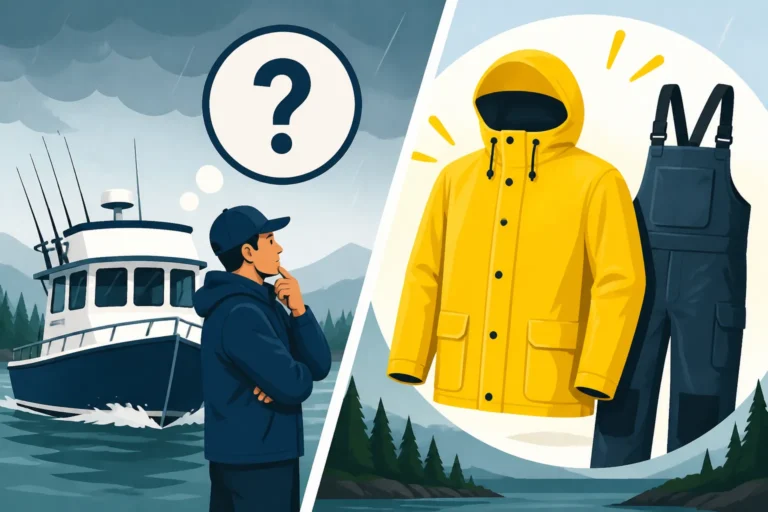
- Appropriate Clothing: Dress in layers! Washington weather, especially near the Columbia, can change quickly. Waterproof outer layers (jacket and pants) are highly recommended, even on sunny days. Non-slip, waterproof footwear is also critical. Think warmth and dryness, not fashion.
- Food and Drink: Pack snacks, a lunch, and plenty of water or other beverages. Your guide might have a cooler, but confirm beforehand.
- Sun Protection: Hat, sunglasses, and sunscreen are crucial, even on cloudy days. The sun's reflection off the water can be intense.
- Cooler: Bring a cooler to take your catch home. Leave it in your vehicle until the end of the trip. Your guide will often help you clean and bag your fish.
- Camera: To capture those memorable moments!
- Small Backpack/Dry Bag: To keep your personal items organized and dry.
- Gratuity: Don't forget cash for a tip for your guide (more on this later!).
- Motion Sickness Medication: If you're prone to seasickness, even on a river, consider taking medication beforehand. The Columbia can get choppy, especially on windy days or near the mouth.
What not to bring: your own rods (unless specifically discussed with your guide), excessive gear, or anything that can't get wet. Minimalist is best. Your guide will handle the rest!
Choosing the Right Columbia River Guide or Charter
Choosing the right guide can make or break your Columbia River fishing experience. It's not just about finding someone with a boat; it's about finding a professional who is knowledgeable, safety-conscious, personable, and dedicated to giving you the best possible day.
Key Questions to Ask Prospective Guides
Before you book, don't be shy about asking questions. A good guide will appreciate your thoroughness. Here are some essential queries:
- What species will we be targeting, and what are the current fishing conditions like for those species? This helps manage expectations.
- What's included in the price (e.g., bait, tackle, fish cleaning, snacks)? Understand if there are any hidden costs.
- What licenses and endorsements do I need to purchase before the trip? Confirming this is vital to avoid last-minute scrambling.
- What is your typical schedule for the day (start time, end time)?
- How many people will be on the boat? If you're booking a "shared" trip, this is important.
- What is your cancellation policy, especially for weather? Understand the contingencies.
- What kind of boat do you operate, and what safety equipment do you have? All licensed guides should have life jackets, first-aid, etc.
- What should I bring (food, drink, clothing)? Reconfirming your "what to bring" list.
Online platforms like FishingBooker can often provide some of this information upfront, allowing you to compare multiple guides side-by-side and read reviews before reaching out. However, a direct conversation with your chosen guide is always recommended.
Guide Credentials and Experience
When booking a Columbia River guide, you're not just paying for a boat ride; you're paying for expertise, safety, and a professional experience. Here's what to look for:
- Licensing and Insurance: A legitimate guide will hold all necessary state and federal licenses (e.g., U.S. Coast Guard license for charter operations) and carry liability insurance. Don't hesitate to ask to see proof. This ensures they operate legally and safely.
- Experience on the Columbia: The Columbia River is unique. A guide with years of specific experience on the relevant sections of the Columbia for salmon and steelhead will be invaluable. Ask about their background and how long they've been guiding that particular fishery.
- Reputation and Reviews: Check online reviews on sites like FishingBooker or their own social media pages. What do past clients say about their professionalism, fishing success, and overall demeanor? Look for consistent positive feedback about their knowledge, patience, and ability to help anglers of all skill levels.
- Communication: A good guide communicates clearly and promptly. They should be willing to answer your questions and provide all necessary information before the trip.
Understanding Pricing and Inclusions
Guided Columbia River salmon and steelhead trips come with a range of price points. Factors influencing the cost include:
- Duration: Half-day vs. full-day trips.
- Private vs. Shared: A private charter for your group will be more expensive per person than joining a shared boat with other anglers.
- Guide's Reputation and Experience: Top guides often command higher rates due to their consistent success and high demand.
- Inclusions: What's covered? Most trips include rods, reels, bait, tackle, and fish cleaning. Some might include snacks or drinks. Confirm if there are extra charges for things like "fuel surcharges" or "fish processing."
It's important to have a clear understanding of the What a Washington Guided Fishing Trip Costs before you commit. Don't base your decision solely on price; sometimes paying a little more for a highly reputable guide who prioritizes safety and success is well worth the investment. Always clarify the payment structure (deposit, balance due, accepted payment methods) and tipping expectations upfront.
Licensing, Endorsements, and Catch Record Cards
Before you even step foot on the boat, you absolutely must have the correct licenses and endorsements. No guide, no matter how good, can take you fishing if you're not legally compliant. This is a crucial step that often trips up new anglers.
Washington Fishing License Requirements
Everyone over the minimum age needs a Washington fishing license. For the Columbia River, you'll typically need a Washington freshwater fishing license, or a combination freshwater/saltwater license if you plan to fish other areas. There are different options:
- Annual Licenses: Valid for a full year from purchase, best for frequent anglers.
- Short-Term Licenses: One-day or three-day licenses are perfect for visitors or those only planning a single trip. These are incredibly convenient for guided trips.
Whether you're a Washington resident or not, the rules apply. Non-residents generally pay a higher fee, but the process is the same. Guides cannot sell you a license on the boat, so purchase it well in advance. You can buy them online through the WDFW website, at authorized license dealers (like sporting goods stores), or sometimes through the MyWDFW app. For detailed information on costs, you can look up Washington Nonresident Fishing License Cost or Washington Freshwater License Cost.
The Columbia River Salmon and Steelhead Endorsement
This is a specific add-on that is mandatory if you plan to fish for salmon or steelhead in the Columbia River or its tributaries. It's not included in your basic fishing license and must be purchased separately. This endorsement helps fund salmon and steelhead recovery and management efforts in the Columbia River system.
Even if you have a valid Washington fishing license, you are not legally allowed to fish for or retain salmon or steelhead in the Columbia River without this endorsement. Your guide will absolutely require you to have it. Make sure you purchase it at the same time you get your basic fishing license. Information like Who Needs the Columbia River Endorsement in 2026 is very important to review before your trip.
Filling Out Your Catch Record Card
The Catch Record Card (CRC) is a critical part of Washington's fisheries management. It's a physical card (or digital via the MyWDFW app) where you must record every salmon and steelhead you catch and keep. Your guide will provide guidance on how and when to fill it out, but the responsibility ultimately rests with you, the angler.
Here’s the gist:
- Immediate Recording: As soon as you retain a salmon or steelhead, you must immediately and legibly record the catch on your CRC before continuing to fish. This includes species, date, location (marine area or river code), and whether it's a hatchery or wild fish (if required).
- Clipping the Fin: For hatchery salmon and steelhead (identified by a missing adipose fin), you must clip the dorsal fin or a portion of it, as specified in the regulations, immediately after recording. This prevents double-counting and misuse.
- Returning the Card: After your fishing year concludes (typically December 31st), you must return your CRC to WDFW, even if you didn't catch anything. This data is vital for managing future seasons.
Your guide will walk you through the specifics, but familiarize yourself with The Washington Catch Record Card and What It Requires beforehand. Missing this step or filling it out incorrectly can lead to fines, so pay close attention.
Common Challenges and How Guides Help
Even with the best planning, fishing on the Columbia River can present challenges. Mother Nature has a mind of her own, and fish don't always cooperate. A skilled guide, however, is your best asset in overcoming these obstacles.
Dealing with Dynamic Conditions
The Columbia River is a powerful, dynamic system. Conditions can change rapidly, impacting fishing success.
- Weather: Rain, wind, sudden temperature drops, or even scorching sun can affect fish behavior and angler comfort. A good guide will monitor forecasts, have appropriate gear (like boat enclosures or heaters for cold weather), and know how to adjust techniques. They'll also ensure your safety if conditions become too rough.
- Water Levels and Clarity: Heavy rains can blow out rivers, making the water muddy and high, while prolonged dry spells can lead to low, clear conditions. Both extremes present challenges. Guides understand how fish react to these changes and will adapt their presentations, bait choices, or even move to different sections of the river where conditions are more favorable. They know that Does Weather Affect Washington Salmon Fishing? is a huge factor.
- Current and Tides: The lower Columbia is heavily influenced by tides, which can dictate fish movement and biting windows. Upriver, dam operations can change water flow. Guides are masters at reading the water, knowing how to position the boat, and what techniques work best with specific currents and tidal swings.
Navigating Emergency Rule Changes
As mentioned earlier, Columbia River regulations are anything but static. Due to fluctuating fish returns, conservation concerns, or even successful test fisheries, WDFW can issue "emergency rule changes" mid-season. These can open new areas, close existing ones, change bag limits, or alter gear restrictions with very little notice. This can be incredibly frustrating for anglers planning a trip weeks or months in advance.
Your guide is your front-line defense against these changes. They subscribe to WDFW alerts, check updates daily, and are usually among the first to know when a rule shifts. If a scheduled area closes unexpectedly, a good guide will already have a Plan B or C in mind, suggesting alternative locations or species to target to salvage your trip. They understand the complexities of Emergency Rule Changes: Why Washington's Rules Shift Mid-Season and how to react.
Maximizing Your Chances on Tough Days
Let's be honest: not every day on the water is a banner day. There will be tough days when the fish just aren't biting, despite perfect conditions. This is where a truly skilled guide shines.
- Relentless Effort: On slow days, guides don't give up. They'll work harder, try different spots, experiment with new baits or lures, and adjust trolling speeds or drift patterns. Their experience tells them when to stick it out and when to move.
- Patience and Encouragement: It can be disheartening when the bite is slow. A good guide maintains a positive attitude, keeps spirits up, and continues to offer instruction and encouragement, making sure you still enjoy the experience, even if the fish aren't cooperating.
- Teaching Moments: Tough days can also be great learning opportunities. Your guide might use the downtime to teach you more about fish biology, river dynamics, or advanced casting techniques, adding value to your trip beyond just catching fish.
Ultimately, a guide's expertise provides a significant advantage, increasing your odds even when the fishing gods aren't smiling.
Post-Trip Considerations
The fishing doesn't quite end when the boat docks. There are a few important things to consider after your successful Columbia River guided trip.
Fish Care and Processing
Most guides will help you with basic fish care, which typically includes bleeding your catch, gutting it, and then placing it on ice in your cooler. This is vital for preserving the quality of the meat.
Some guides offer further processing, like filleting your fish, as part of their service or for an additional fee. Others might direct you to a local fish processor at the marina. Always clarify this with your guide beforehand. If you're bringing your catch home, ensure you have enough ice to keep it chilled. If you're traveling a long distance, especially flying, you'll need to research how to properly package your fish for travel (often frozen solid in an insulated, sealed cooler) and airline regulations. Remember to check How to Ship Fish Home From Washington if you're not driving.
Tipping Your Guide
Tipping your guide is customary and very much appreciated in the fishing charter industry, much like tipping in a restaurant or other service industry. Guides work incredibly hard, often putting in long hours before and after your trip to prepare tackle, maintain their boat, and clean up.
A general guideline for tipping a fishing guide is 15-20% of the total trip cost. If your guide went above and beyond, was exceptionally patient, worked hard on a slow day, or provided excellent instruction, consider tipping towards the higher end of that range. If the service was truly subpar (which is rare with professional guides), you can adjust accordingly, but remember that fish are wild animals, and even the best guide can't guarantee a full limit.
Always bring cash for your tip, as many guides prefer it, and it's easier to handle at the end of the day. You can find more specific advice on Tipping Etiquette for Washington Fishing Guides.
Booking Future Adventures
After an amazing experience on the Columbia, you'll likely be hooked! Many anglers develop a strong relationship with their guide, becoming repeat clients. If you had a great time, don't hesitate to book your next trip with them right away, especially if you're targeting a specific season (like fall Chinook or springers), which can fill up months in advance.
Keep the guide's contact information, follow them on social media if they have it, and consider leaving them a positive review on platforms like FishingBooker or Google. Your positive feedback helps them grow their business and lets other anglers know they're in good hands. A guided trip on the Columbia River is more than just fishing; it's an opportunity to learn, to connect with nature, and to create lasting memories.
Disclaimer
This article is for general informational purposes only and does not constitute professional advice. Laws, prices and regulations vary by location and change over time. Consult a qualified professional for guidance on your specific situation.