Can You Get to a Charter From Seattle Without a Car?
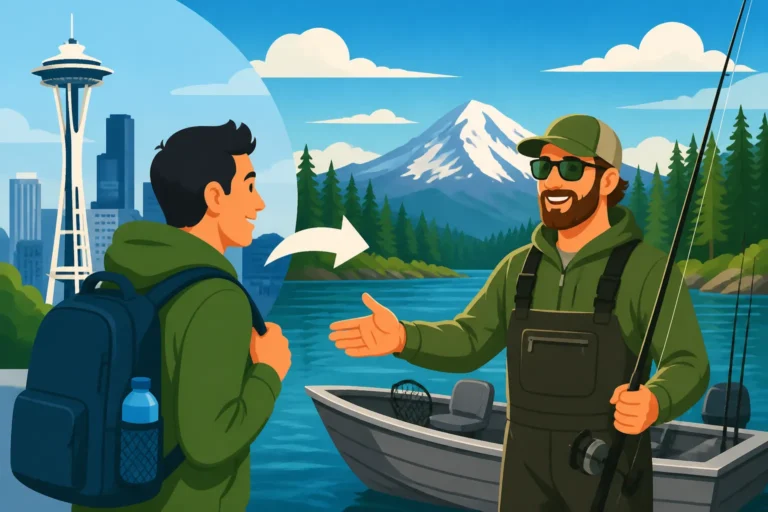
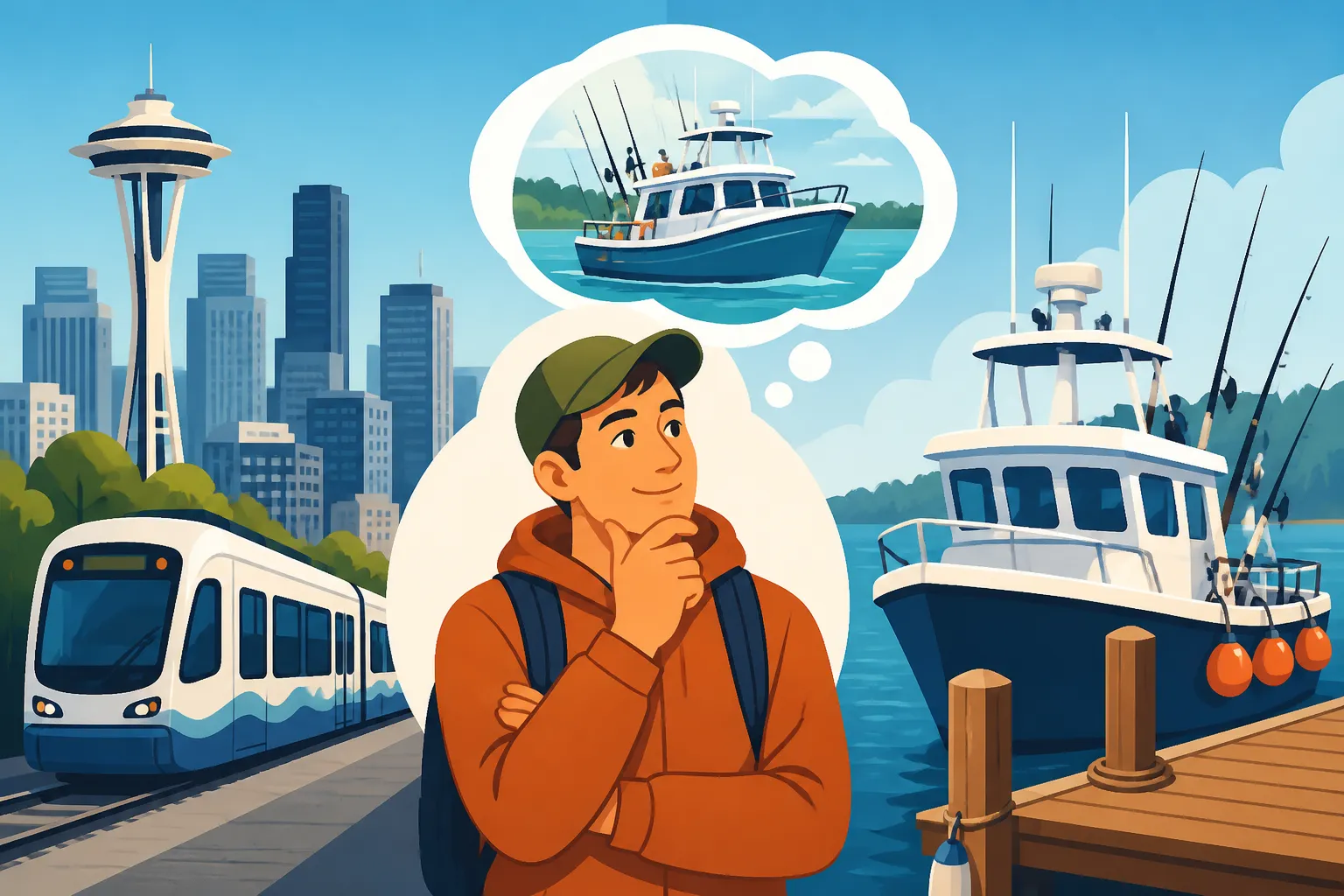
Oh, the dream of an early morning fishing trip out on the water, but then the alarm blares and you realize: how on earth am I getting there without a car? It’s a common frustration for many Seattle anglers, especially if you rely on public transport or simply prefer to leave the driving to someone else. Navigating the logistics of reaching a fishing charter from Seattle, particularly when you’re car-free, can feel like trying to untangle a particularly stubborn fishing knot. But don't despair! This guide is here to untangle that knot, offering practical advice and solutions for planning your car-free fishing adventure from the Emerald City.
The Challenge of Car-Free Travel to Fishing Charters
Let's be real, Washington is a big state, and some of the best fishing spots are not exactly right next to a light rail station. Many of us living in or visiting Seattle appreciate the ease of city living without a vehicle, but when it comes to early morning departures for a fishing charter, that car-free lifestyle can suddenly feel like a major hurdle. It's not just about getting from point A to point B; it's about getting there on time, often before the sun even thinks about rising, with your gear in tow, to a dock that might be tucked away in a less-than-urban setting.
Think about it: most charters leave at the crack of dawn, or even earlier, to hit the prime bite. Public transit schedules are rarely designed for 4:30 AM departures to a remote marina. Then there's the gear itself. While many charters provide rods and tackle, you might still have a cooler, a tackle bag, a rain jacket, and your trusty thermos. Lugging all that through multiple transfers or on a crowded bus can be a real pain. It's enough to make some folks just give up on the idea of a car-free charter trip altogether. But with a bit of planning and understanding your options, it's absolutely doable for many popular destinations.
Public Transportation Options from Seattle to Popular Charter Hubs
When you're looking to hit the water without your own set of wheels, your best bet is often to focus on charters operating closer to Seattle or in areas with decent public transport connections. While a charter to Neah Bay or Westport without a car is a much tougher proposition, there are plenty of fantastic fishing opportunities closer to home that are more accessible.
Puget Sound Destinations with Transit Access
For fishing trips within Puget Sound, you're generally in a better position. Many charter operations work out of marinas that, while not always directly across from a bus stop, are often within a reasonable rideshare or even a brisk walk from a transit hub.
- King County Metro Buses and Sounder Train: Destinations like Edmonds, Everett, and even some spots south of Seattle like Des Moines or Tacoma, can often be reached via a combination of King County Metro buses and Sound Transit's Sounder train. The Sounder train, for example, runs along the coastline, making stops in cities that have marinas. From the train station, you might then need a short rideshare or taxi to the actual dock.
- Edmonds: This charming waterfront town is home to several charter operations and is quite accessible. You can often take a bus directly to Edmonds, and the marina isn't a far walk from the main street.
- Everett: Further north, Everett also has a major marina. While a bit more of a journey, it's reachable by bus and occasionally by Sounder, though you'll definitely need to check the schedules carefully, especially for those early morning trips.
- Washington State Ferries: For charters departing from locations across Puget Sound, like Gig Harbor or Bremerton, the Washington State Ferries can be your best friend. You can walk onto a ferry from downtown Seattle (Colman Dock), enjoy a scenic ride, and then use a rideshare service or local bus from the ferry terminal to your charter's marina. This strategy works particularly well for those who don't mind the multi-modal journey and enjoy the views. Just remember to account for ferry schedules and potential delays, especially during peak season or bad weather. Checking the Washington Sport Fishing Seasons and Emergency Closures can help you plan around these, as high demand times might also coincide with ferry traffic.
| Destination (from Seattle) | Primary Public Transport Options | Pros | Cons |
|---|---|---|---|
| Edmonds | Metro Bus, Sounder Train (limited) | Relatively close, scenic | Still may need short rideshare to dock |
| Everett | Metro Bus, Sounder Train (limited) | Larger city, more options | Longer travel time, dock distance |
| Des Moines/Tacoma | Metro Bus, Sounder Train | South Sound access | Can be multiple transfers |
| Bremerton/Gig Harbor | WA State Ferry (walk-on) | Scenic, direct ferry | Need rideshare/bus from ferry to dock |
| Coastal (Westport, Neah Bay) | Extremely Limited/Impractical | N/A | Very long, multiple transfers, unreliable for early charters |
The Reality of Remote Coastal Destinations
Now, for those dream trips to places like Westport for halibut or tuna, or Neah Bay for big Chinook, relying solely on public transport from Seattle without a car becomes significantly more challenging, bordering on impossible for many. These destinations are often a 2.5-4 hour drive from Seattle, and public transit simply isn't set up for direct, convenient access to their fishing docks.
While you might find a Greyhound bus that takes you to a larger town somewhat near Westport, getting from that bus stop to the specific charter dock in the middle of the night or early morning is usually not an option. Rideshare services are also far less reliable, if available at all, in these smaller, more remote coastal communities. For these truly offshore adventures, the car-free dream often bumps up against the logistical wall, making a rental car, carpooling, or a dedicated shuttle service (if offered by your charter) the only viable options. When you're browsing options on platforms like FishingBooker, pay close attention to the listed departure location and honestly assess if a car-free journey is realistic for that specific spot.
Rideshares and Taxis: Convenience with a Price Tag
Sometimes, convenience trumps cost, especially when you're trying to make that essential 5 AM departure. Rideshare services like Uber or Lyft, and traditional taxis, can bridge the gap where public transit falls short.
When Rideshares Make Sense
For many Seattle-area charters, especially those within a 30-45 minute drive, rideshares can be a lifesaver. This is particularly true for:
- Early Morning Departures: When buses aren't running or the Sounder schedule doesn't align, a pre-booked rideshare can get you directly to the dock.
- The "Last Mile" Problem: Even if you take public transit most of the way, there's often that final mile or two from the bus stop or train station to the marina entrance. A quick rideshare for this final leg can save you a lot of walking with gear.
- Convenience with Gear: While not every rideshare driver will have a massive trunk, requesting a larger vehicle (like an UberXL or Lyft XL) can often accommodate your fishing cooler and tackle bag more comfortably than a crowded bus.
Cost Considerations and Strategy
The obvious downside to rideshares and taxis is the cost, which can add up quickly, especially for longer distances or during surge pricing times. A trip from downtown Seattle to a marina in, say, Everett, could be a significant expense.
- Pre-booking: If you know you need to leave at 4:30 AM, try to pre-book your rideshare the night before. This can sometimes lock in a rate and gives you peace of mind that a driver will be assigned. However, even pre-booked rides can be subject to dynamic pricing if demand suddenly spikes.
- Check Pricing Tools: Use the in-app fare estimators for Uber or Lyft to get a sense of the cost before you commit.
- Consider a Hybrid Approach: This is often the most practical solution. Take public transit (bus, train, ferry) as far as it's convenient and cost-effective, and then use a rideshare for the final few miles to the charter dock. This balances cost with convenience, getting you most of the way there without breaking the bank. For instance, you could take the Sounder train to Edmonds and then a short Lyft ride to the marina.
- Coordinate with the Charter: After you've found a promising charter on FishingBooker, don't hesitate to reach out to the captain directly. They often know the best local taxi services or even specific rideshare drivers who are familiar with the early morning fishing crowd and dock locations. They might even have recommendations for shuttle services if you're part of a group. Remember that part of How to Book a Fishing Charter in Washington involves asking these logistical questions upfront.
Planning Your Car-Free Fishing Adventure from Seattle
Successfully pulling off a car-free fishing charter trip from Seattle boils down to thorough planning and communication. It's not about spontaneously hopping on a bus; it's about strategizing your route, your gear, and your timing.
Research Charter Locations Meticulously
Your first step, even before looking at transport, is to know exactly where your charter departs from. "Seattle area" is broad. Is it Ballard? Shilshole Bay Marina? Des Moines? West Seattle? Each of these locations will have different public transport viability. When browsing charter options, whether directly on a guide's website or through a platform like FishingBooker, always pinpoint the exact marina or dock. Google Maps is your friend here – plug in the departure address and check public transit options and estimated rideshare costs from your starting point in Seattle. Remember to consider factors like Half-Day vs Full-Day Salmon Charters as the duration of your trip might influence your willingness to endure a longer commute.
Consult Your Charter Captain
This is perhaps the most crucial piece of advice. Before you book, or immediately after, call or email your charter captain and explain your situation. Ask them directly: "I'm coming from Seattle without a car. What do you recommend for getting to your dock by [departure time]?"
Good captains are used to this question. They might have:
- Specific bus route recommendations.
- Names of local taxi companies or even reliable rideshare drivers they've worked with.
- Knowledge of local shuttle services.
- Tips for the closest public transit stop.
Their local knowledge will be far more accurate than anything a general mapping app can tell you for those specific, early morning needs.
Master Your Gear Logistics
Since you won't have the luxury of a car trunk, packing smart is essential.
- Pack Light: Only bring what you truly need. Most charters provide fishing gear, so you're really just focused on personal items, layers of clothing (check What to Wear on a Washington Puget Sound Charter), snacks, and your Carrying Your Washington Fishing License: Paper, Phone or the MyWDFW App.
- Use Rolling Luggage: A small rolling carry-on or duffel bag can be a game-changer for moving through bus stations or ferry terminals.
- Consolidate: Can your small tackle box fit inside your backpack? Can your rain jacket be worn rather than carried?
- Cooler Choice: If you plan to take your fish home, opt for a collapsible soft-sided cooler or be prepared to use a smaller hard-sided one that's easier to transport. Ask the charter if they have ice and storage until your departure. Speaking of licenses, ensure you have the right one, whether it's Washington's Annual, Short-Term and Combination License Options or a Washington Fishing License Guide for Nonresidents.
Account for Ample Travel Time
When you're relying on anything other than your own vehicle, add a generous buffer to your travel time. Public transit can be unpredictable, transfers can be missed, and rideshare availability can fluctuate. It's far better to arrive at the dock 30 minutes early, grab a coffee, and soak in the pre-dawn atmosphere, than to be scrambling and stressed, or worse, miss your charter altogether. A good rule of thumb is to calculate your travel time with a mapping app, then add at least 50% more time to that estimate. This is part of the overall preparedness that goes into What to Check Before Every Washington Fishing Trip.
Consider the "Hybrid" Solution as Your Go-To
For many car-free Seattle anglers, the most realistic and cost-effective solution will be a combination of public transit and a rideshare/taxi. This often looks like:
- Taking a King County Metro bus or the Sounder train to the closest major transit hub near your marina.
- From that hub, calling a rideshare (Uber/Lyft) or taxi for the final short leg to the dock.
- On the return journey, reversing the process. If you have fish, a rideshare might be preferable for the whole trip back to Seattle to keep your catch fresh.
This approach balances the lower cost of public transit for the bulk of the journey with the door-to-dock convenience of a private ride for those critical last few miles. Ultimately, while it requires more upfront planning than just hopping in your car, getting to a Washington fishing charter from Seattle without a vehicle is absolutely achievable for many exciting fishing adventures, especially those close to home in Puget Sound. It's all about doing your homework and communicating with your captain. This diligence can often make the difference between a dream fishing trip and a missed opportunity, especially when Choosing Between a Guide and a DIY Trip where transport logistics can be a major factor.
Disclaimer
This article is for general informational purposes only and does not constitute professional advice. Laws, prices and regulations vary by location and change over time. Consult a qualified professional for guidance on your specific situation.