Do Charters Provide Coolers for Your Catch?
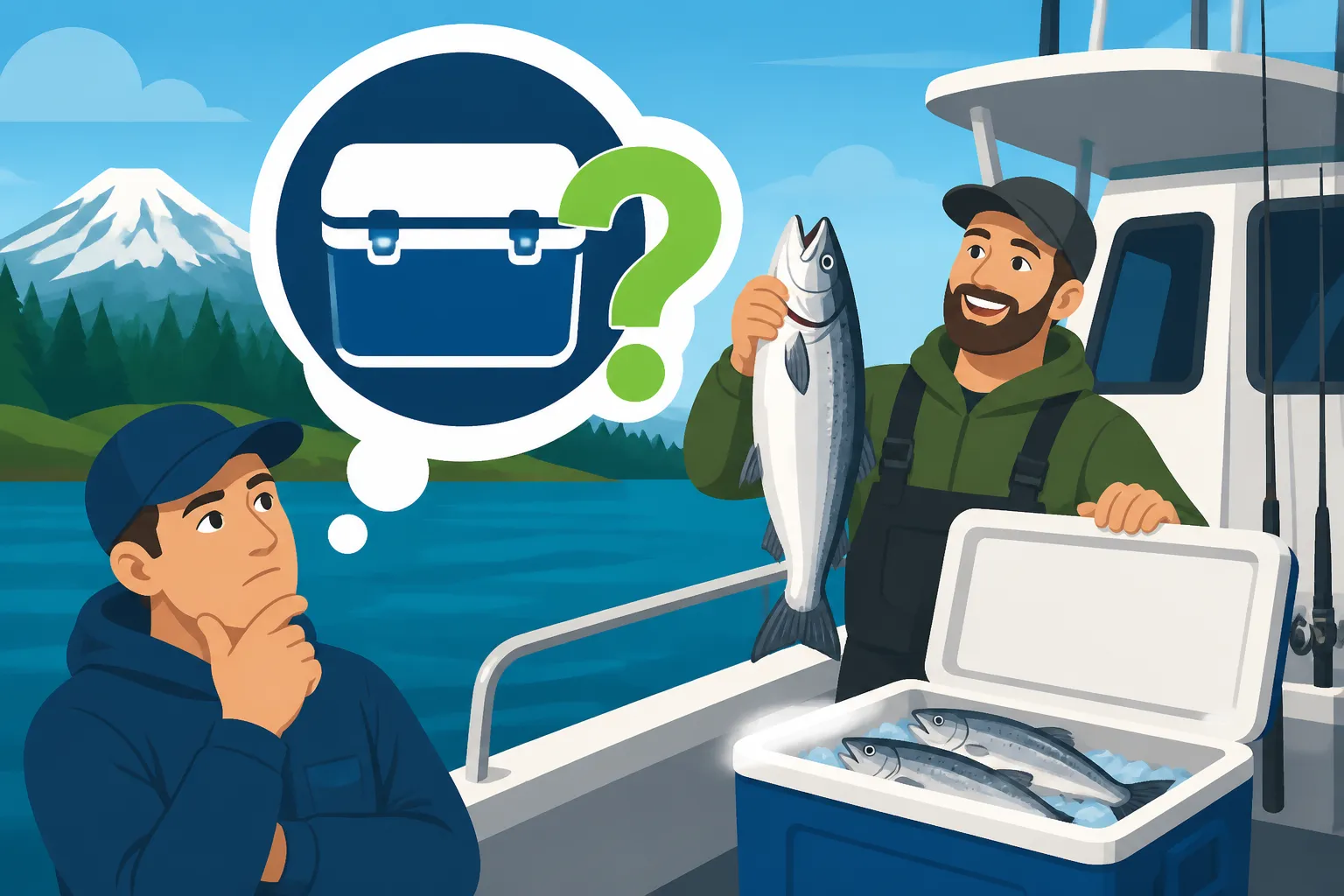
One of the most common worries for anglers booking a fishing charter in Washington is what happens after the catch. You’ve spent a day battling a beautiful salmon or a hefty halibut, and the last thing you want is for that pristine fish to spoil before it makes it to your dinner table. This guide will help demystify the question of whether charters provide coolers for your catch, offering practical advice on what to expect and how to prepare for your next angling adventure in Washington.
The Essential Question: Cooler or No Cooler?
It’s a simple question with a not-so-simple answer: it really depends. Many anglers, especially those new to charter fishing, assume that every boat will be fully equipped to handle their catch from hook to haul. While many charters do offer some form of fish storage, the extent and type of provision can vary wildly, leading to understandable confusion and sometimes, a little panic if you're unprepared.
Why This Question Matters to Anglers
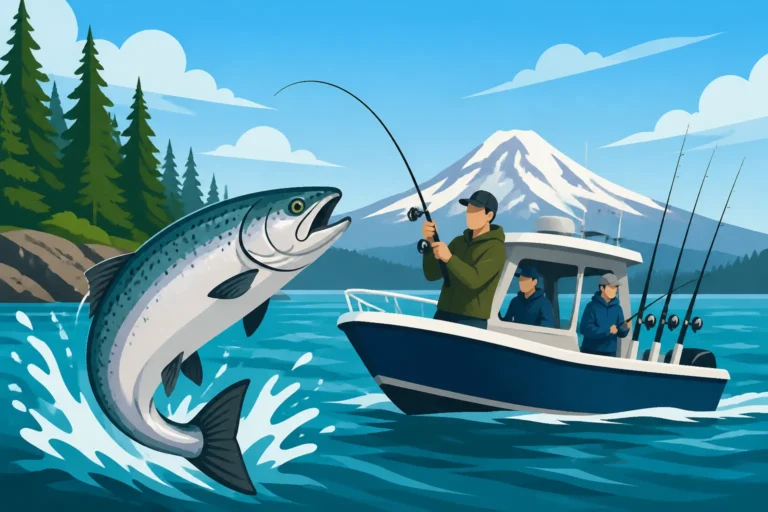
Imagine landing a trophy Chinook salmon in Puget Sound, a fish you’ve dreamed of for years. The adrenaline is pumping, photos are taken, and then a moment of realization hits: where does this magnificent creature go now? The quality of your catch, from taste to texture, is directly impacted by how quickly and effectively it's stored and kept cold. Improper handling can lead to "fishy" flavors, degraded flesh, and a less enjoyable meal, which is a real letdown after all that effort. Anglers invest time, money, and passion into these trips, and preserving the bounty is a critical part of the experience. It’s not just about compliance with How Bag and Possession Limits Work in Washington, but about respecting the fish and your hard work.
Without proper cold storage, fish can begin to deteriorate rapidly, especially on warmer days or during longer trips. This concern is magnified for species like salmon and halibut, where freshness is paramount for culinary enjoyment. Knowing the cooler situation beforehand allows you to plan, ensuring your catch remains in peak condition, ready for the fillet knife and the grill.
Varying Practices Among Washington Charters
The reality is there's no universal standard for cooler provision among Washington fishing charters and guides. Some operate like a floating fish market, with massive iced-down fish holds ready for every fish. Others, particularly smaller river guides or specialized charters, expect you to bring your own solutions for transporting your fish once you step off their boat. This difference often comes down to the type of fishing, the size of the vessel, and the overall service model of the outfitter. It's one of those details that often gets overlooked in the excitement of booking a trip, but it can make a huge difference in your post-fishing experience.
For instance, a large ocean-going charter out of Westport targeting halibut might have substantial insulated holds, while a smaller drift boat guide on the Cowlitz River might only have a small cooler for drinks and snacks, expecting you to transfer your prized steelhead to your own cooler in your vehicle at the take-out point. The best way to avoid any nasty surprises is to simply ask directly when you book your trip. Sites like FishingBooker often list amenities, but a quick phone call or email to confirm is always a good idea.
What to Expect from Different Types of Washington Charters
Understanding the general trends for different types of fishing trips in Washington can help set your expectations. The vessel size, target species, and trip duration all play a role in how fish storage is typically handled.
Puget Sound Salmon and Bottomfish Charters
Many Puget Sound salmon charters, especially those operating larger vessels for groups, are generally well-equipped to handle your catch. They often have dedicated fish holds or large communal coolers on board, usually filled with ice. These boats are designed to take multiple anglers, and part of their service includes ensuring that everyone's fish is kept cold throughout the trip. When you're trolling for salmon in Marine Area 9 for Salmon Fishing, Explained or jigging for rockfish near a reef, having a robust system for keeping fish on ice is crucial for preserving quality over a full day.
However, even on these charters, while they provide the storage, they might not always provide the bags for individual fish or for separating catches between different anglers if limits are met. It’s always a good idea to bring a few large, sturdy garbage bags or dedicated fish bags to keep your catch separate and clean within the communal cooler. This also makes for easier transfer when you disembark.
Ocean Charters for Halibut and Tuna
When you venture out onto the open Pacific from ports like Westport or Neah Bay for species like Pacific Halibut Fishing on the Washington Coast or Albacore Tuna Off the Washington Coast, the scale of fish storage often increases significantly. These trips can involve larger, heavier fish and longer runs offshore. Consequently, ocean charters are almost universally equipped with large, well-insulated fish holds or massive ice chests. Their primary goal is to ensure your valuable catch, sometimes weighing dozens of pounds, remains in prime condition for the journey back to shore and beyond.
On these trips, the crew will typically bleed and often gut the fish for you as part of their service, which is a critical step in preserving meat quality. They'll then place the fish directly into iced holds. The sheer size of these fish often means individual coolers on deck for each angler's catch aren't practical. Instead, you'll be pooling your fish into the vessel's main storage, with the crew assisting in keeping track of individual catches if necessary, especially important when dealing with Halibut Possession Limit in Washington. For these charters, your main concern upon return will be having adequate cooler space in your vehicle for the processed fish.
River Guides for Steelhead and Salmon
River fishing, especially for species like steelhead on the Olympic Peninsula rivers or salmon on the Columbia tributaries, often involves smaller boats – drift boats, rafts, or jet sleds. These vessels have limited space for large coolers beyond what's needed for drinks and lunch. River guides, while experts at finding fish and teaching techniques like Drift Fishing for Steelhead in Washington Rivers, typically expect anglers to have their own cooler in their vehicle for fish transport once the trip concludes.
This is a key distinction. On a river trip, your guide will usually have a small insulated bag or cooler to temporarily store your prized catch, ensuring it stays cool during the float or run. They might even offer to bleed your fish. However, they are generally not providing the long-term, high-capacity storage you'd find on an ocean charter. It's crucial for you to bring your own large cooler, pre-chilled and filled with ice, to the river access point. When you meet your guide, you can then make a plan for transferring your fish directly into your cooler at the end of the day. This proactive approach ensures that your beautiful Steelhead: Washington's Ocean-Run Rainbow Trout or spring Chinook stays fresh from the river to your home freezer.
Here's a quick overview of typical cooler provisions by charter type:
| Charter Type | Typical Cooler Provision Onboard | Angler Responsibility |
|---|---|---|
| Puget Sound Salmon/Bottomfish | Large communal coolers or fish holds, often iced. | Bring bags for individual fish. Ensure transport cooler in car. |
| Ocean Halibut/Tuna | Dedicated, large, iced fish holds. Crew often bleeds/guts fish. | Bring large, chilled coolers for transport home. |
| River Salmon/Steelhead | Small cooler for temporary storage of fish/drinks. Expect to transfer. | Bring large, chilled cooler for immediate transfer to your vehicle. |
| Specialty (e.g., Fly Fishing) | Very limited, usually for drinks/lunch only. | Bring all necessary fish storage, or plan for immediate processing. |
If the Charter Doesn't Provide a Cooler: Your Responsibilities
If you've confirmed that your chosen charter doesn't offer extensive fish storage, or you just prefer to have your own system, don't fret! A little preparation goes a long way to ensure your catch stays in top condition.
Bringing Your Own Cooler: Tips for Size and Preparation
When bringing your own cooler, think about the size and type of fish you're targeting. For a day of salmon fishing, a 65-quart cooler can usually handle a couple of good-sized fish. If you're heading out for halibut, you might need something significantly larger, perhaps a 100-150 quart cooler, especially if you're hoping for a trophy. High-quality rotomolded coolers are excellent for retaining ice over long periods, but even a good quality insulated cooler can work if prepped correctly.
Crucially, pre-chill your cooler before you leave home. This means filling it with ice or even blocks of frozen water the night before, allowing the cooler's internal temperature to drop. Dump out any melted water just before you pack your ice for the trip. This simple step can add hours, if not days, to your ice retention. For the actual fishing trip, pack plenty of ice. Block ice lasts longer than cubes. Some anglers also use frozen gallon jugs of water, which have the added benefit of providing drinking water as they melt. Don't forget sturdy garbage bags or dedicated kill bags to keep fish clean and to separate different catches.
Ice and Fish Care Onboard: Keeping Your Catch Prime
Even if your charter has communal coolers, knowing how to properly care for your fish from the moment it hits the deck can make a huge difference. The absolute first step is to bleed your fish immediately. This removes blood from the flesh, which is a major contributor to "fishy" taste and spoilage. A quick, clean cut to the gill arch is usually sufficient. Allow the fish to bleed out, ideally in a bucket of seawater, before placing it on ice.
Once bled, get your fish on ice as quickly as possible. Don't just lay it on top; bury it in ice if you can. The goal is to bring the fish's core temperature down rapidly. For smaller fish, a quick gutting can also help, but on many charters, this is often done back at the dock by the crew or a processing facility. If you're bringing your own cooler and plan to store fish directly in it on a smaller boat, ensure you have enough ice to create a slushy bath. Fish packed in an ice-water slurry cools faster and more evenly than fish just lying on dry ice.
Post-Trip Fish Handling and Transportation
The fishing doesn't truly end until your catch is safely stowed away at home. What happens after the boat docks is just as important as how the fish was handled onboard.
Fish Cleaning and Processing Services
Upon returning to the dock, many charters, especially those targeting salmon and bottomfish in areas like Westport or Neah Bay, offer fish cleaning and filleting services. Sometimes this is included in the charter price, other times it's an additional fee. It's an excellent service for those who aren't keen on filleting or want to ensure a professional job. These services often have dedicated facilities and staff to efficiently process your catch.
If you opt for this, make sure you bring extra bags to separate your fillets, especially if you're sharing a charter with others. Vacuum sealing services might also be available at larger processing facilities near popular fishing ports, which is fantastic for long-term freezer storage. Always check with your charter or local fish processors about availability and costs. This is also where understanding How to Ship Fish Home From Washington comes into play if you're traveling a long distance.
Preparing Your Catch for the Journey Home
Once your fish is cleaned and bagged, the final step is getting it home safely and still perfectly chilled. This is where your personal cooler, filled with fresh ice, becomes invaluable. Transfer your processed fish directly from the charter's cleaning station or cooler into your pre-chilled cooler. Pack it tightly with ice, ensuring there's no air space, and close it securely.
For longer drives, consider adding a layer of dry ice on top of your regular ice, but always use caution and good ventilation with dry ice. Make sure your cooler is easily accessible in your vehicle and that it's secured to prevent tipping. If you're taking a multi-day trip or staying overnight, consider how you'll keep your cooler replenished with ice. Many marinas and sporting goods stores sell ice, but having a plan is key. Checking out a platform like FishingBooker can sometimes give you insights into what services, including ice sales or fish processing, are available near the docks you're considering. Remember, a successful fishing trip isn't just about catching fish; it's about enjoying them long after the adventure is over.
Disclaimer
This article is for general informational purposes only and does not constitute professional advice. Laws, prices and regulations vary by location and change over time. Consult a qualified professional for guidance on your specific situation.