Are There Guides for Beginners in Washington?
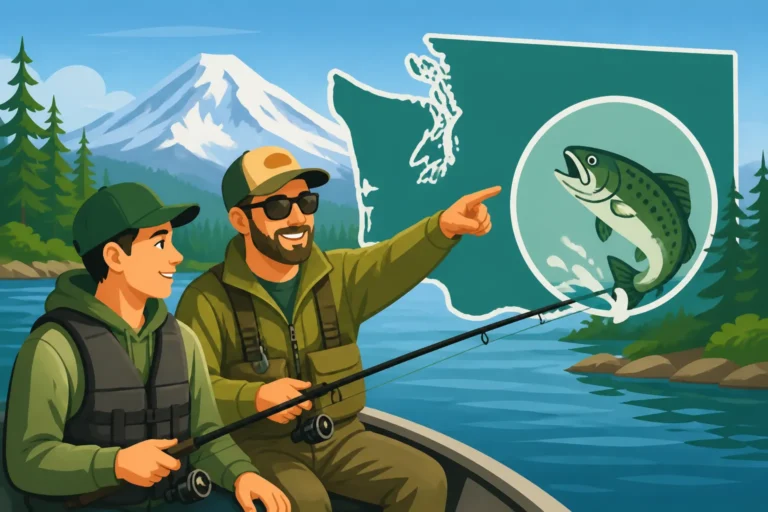
Stepping into the world of Washington fishing can feel like trying to solve a complicated puzzle with half the pieces missing. From deciphering dense regulation pamphlets to figuring out what gear you actually need and where on earth to even cast a line, it’s completely understandable to feel overwhelmed as a beginner. This guide is here to tell you that, yes, absolutely, there are fantastic fishing guides in Washington who specialize in helping newcomers navigate these waters, turning that confusion into confidence and setting you up for success.
Why a Guide is a Game-Changer for Beginner Anglers in Washington
For anyone just starting out, the sheer breadth of Washington's fisheries — from vast Puget Sound to wild Olympic Peninsula rivers and serene Eastern Washington lakes — can be daunting. It's not just about throwing a line in; it's about understanding the ecosystem, the fish, the regulations, and the myriad techniques. A good fishing guide acts as your personal mentor, accelerating your learning curve and transforming what could be a frustrating day into a genuinely rewarding experience.
Overcoming the Intimidation Factor
Imagine you’ve finally carved out a day for fishing. You’ve bought a basic rod and reel, maybe watched a few YouTube videos. You get to a beautiful river, only to be met with a dozen anglers already there, casting with practiced ease while you struggle with knots and wonder if your bait is even legal in this particular stretch of water. It’s enough to make anyone want to pack up and head home. The intimidation factor is real, and it can sour what should be a peaceful, enjoyable outing.
This is precisely where a guide shines. They take all that guesswork and anxiety off your shoulders. From the moment you meet, they’re handling the boat, the gear, the bait, and, most importantly, the complex tapestry of local rules and spots. You don't have to worry about if you're violating Washington Fishing Regulations Every Angler Should Know or if you've chosen the right type of lure. Their expertise allows you to relax and focus on the act of fishing itself, rather than the logistics, making that first cast a lot less intimidating. You're not just fishing; you're learning in a supportive environment.
Learning the Ropes Safely and Effectively
Fishing isn't always as simple as it looks on television. There are specific techniques for casting, retrieving, identifying bites, and, crucially, safely handling and releasing fish, especially if you're targeting sensitive species like wild steelhead or adhering to slot limits. Trying to pick up all these nuances on your own can lead to poor habits, lost fish, or even unsafe situations, particularly when dealing with strong currents or navigating slippery riverbanks.
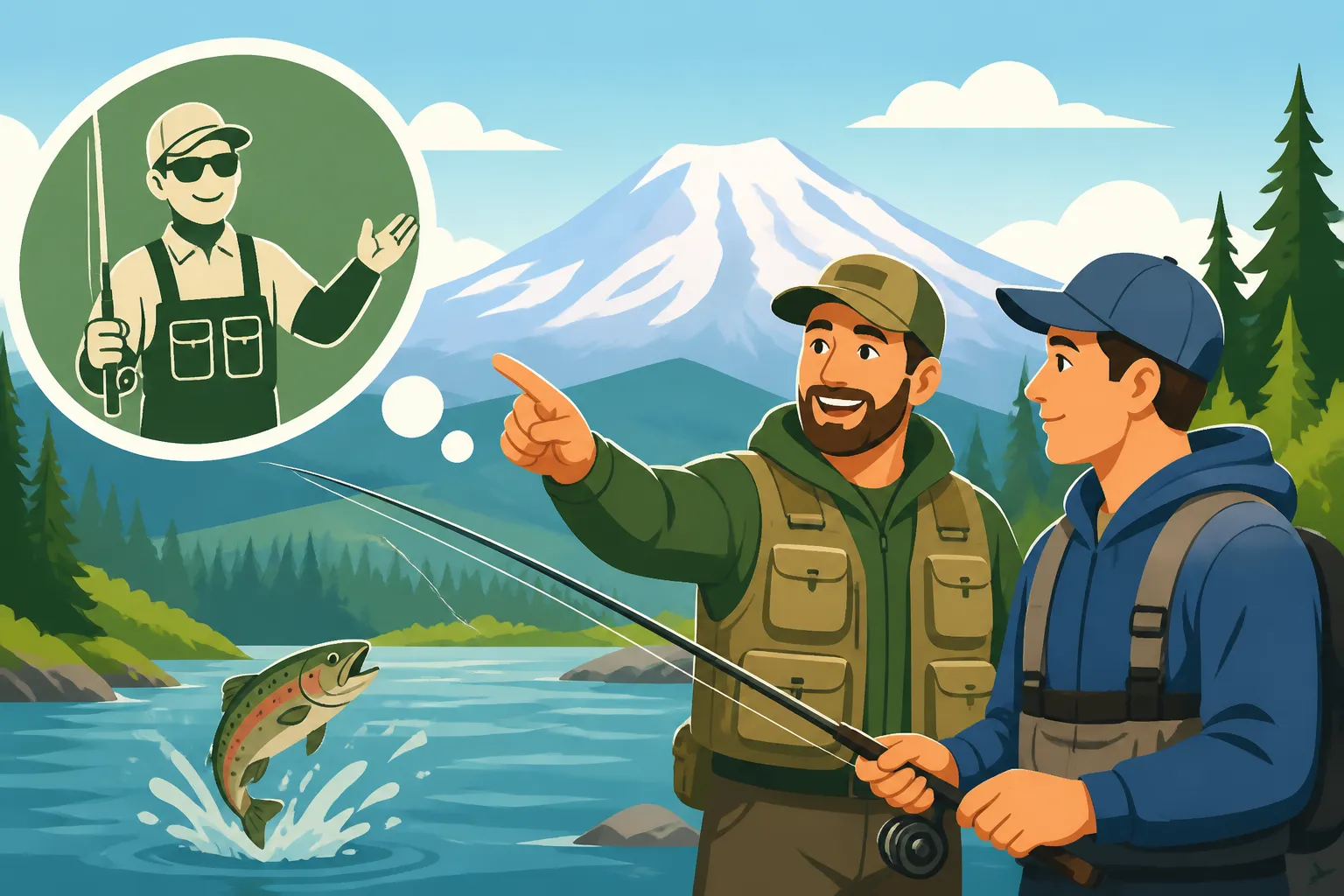
A guide provides invaluable hands-on instruction in real-time. They’ll show you how to properly hold a rod, teach you a few essential knots that actually hold, and explain why a certain presentation works better in a specific spot. More importantly, they prioritize safety, whether that means navigating choppy waters in Puget Sound, knowing the safe wading spots on a swift river like the Cowlitz, or demonstrating how to properly net and release a fish without harming it. This immediate feedback and expert guidance are far more effective than trying to piece it together from online tutorials. You'll not only catch fish but also gain fundamental skills that will serve you on all your future fishing adventures.
What to Look For in a Beginner-Friendly Washington Fishing Guide
Not all fishing guides are created equal, especially when it comes to catering to beginners. Some guides specialize in hardcore trips for seasoned anglers seeking trophy fish, while others genuinely love introducing new people to the sport. Knowing what to look for can make all the difference in finding the right match for your first guided trip.
Experience with Novice Anglers
The most crucial factor for a beginner is finding a guide who has genuine experience and patience with novice anglers. A guide who is used to fishing with seasoned pros might not have the temperament or teaching style to break down concepts for someone holding a rod for the first time. You want someone who understands that you're there to learn, not just to fill a cooler.
When you're inquiring about a trip, don't be shy about stating your skill level upfront: "I'm a complete beginner, is this a good trip for me?" Ask them about their teaching philosophy, how they approach guiding first-timers, and if they typically provide hands-on instruction. A good sign is a guide who talks about the "experience" and the "learning" aspect, rather than just focusing on the size or quantity of fish. They should sound enthusiastic about sharing their knowledge and making the sport accessible, rather than just showcasing their own angling prowess.
Focus on Education and Fundamental Skills
A guide who understands the needs of a beginner will make education a core part of the trip. This isn't just about pointing you to where the fish are; it's about empowering you with the skills to eventually fish independently. They should be willing to teach you the basics: proper casting techniques, how to tie simple yet strong fishing knots, identifying different types of bites, and understanding the role of currents or structure.
For example, on a freshwater trip, they might explain the nuances of reading water, showing you where fish might hold in a river. If you're out on the saltwater, they might demonstrate how to properly drop a jig or present bait for bottomfish, explaining the sonar readings as you go. They’ll explain the "why" behind their methods, not just the "how." This educational focus ensures that you leave the trip not only with memories of fish caught but also with a solid foundation of angling skills that you can build upon. It's truly an investment in your future enjoyment of the sport.
Equipment and Location Suitability
For beginners, having the right gear without having to buy an entire tackle shop is a huge plus. A good beginner-friendly guide will provide all the necessary, high-quality equipment, from rods and reels suited to your skill level to the appropriate bait or lures. You shouldn't have to worry about whether your reel is spooled with the right line or if your hooks are the correct size; the guide takes care of all that.
Furthermore, a skilled guide will select fishing locations that are appropriate for a beginner. This might mean calmer lakes for trout, sheltered bays for bottomfishing, or specific stretches of rivers known for consistent, hatchery-raised salmon or steelhead returns, increasing the chances of success and reducing frustration. They understand that a beginner's first experience should be as positive as possible, and that often means prioritizing action and learning over targeting the most elusive trophy fish. A reputable guide service will clearly state what gear is included and what you might need to bring (like appropriate clothing or your Washington Fishing License Guide for Nonresidents).
Finding Your First Washington Fishing Guide (and What to Ask!)
Once you've decided a guide is the right path for your initial fishing adventures in Washington, the next step is actually finding one and booking your trip. There are several avenues to explore, and a few key questions you'll want to ask to ensure you pick the perfect guide for your beginner experience.
Online Resources and Booking Platforms
In today's digital age, finding a guide is often just a few clicks away. Online booking platforms have made it incredibly convenient to browse available guides, compare offerings, and read reviews from previous clients. A popular platform like FishingBooker, for example, allows you to filter guides by location, target species, and even amenities, often including notes about whether they cater to beginners or families. These platforms offer a streamlined way to see what's out there.
Beyond these large platforms, don't overlook local resources. The Washington Department of Fish and Wildlife (WDFW) website sometimes lists guides, or at least provides information on permitted operators in certain areas. Local tackle shops and sporting goods stores are also treasure troves of information; the staff often know many local guides personally and can recommend someone who fits your needs. Online fishing forums and local Facebook groups dedicated to Washington fishing can also provide peer recommendations and insights into different guides' reputations and teaching styles.
Key Questions to Ask Before Booking
Once you’ve narrowed down a few potential guides, it’s time to pick up the phone or send an email. Don't be afraid to ask specific questions. This isn't just about finding out if they're available; it's about ensuring they're the right fit for your beginner experience.
Here are some essential questions to ask:
- "Do you regularly take out beginners or first-time anglers?" This directly addresses their experience with novices.
- "What is your teaching style? Are you patient and hands-on?" This gives you a feel for their approach.
- "What species will we be targeting, and what are the chances of success for a beginner?" Some species are harder to catch than others; a realistic guide will manage expectations.
- "What specific techniques will we be focusing on, and will you demonstrate them?" This clarifies the educational component.
- "What all is included in the trip price? (e.g., rods, reels, bait, tackle, life vests, fish cleaning)" Ensure there are no hidden costs and you know what you need to bring. Guides usually provide What to Bring on a Washington Fishing Charter, but always confirm.
- "Do I need to purchase a specific license or endorsement beforehand?" They should advise you on what you need, like a Washington Fishing License Guide for Nonresidents or perhaps a Who Needs Washington's Columbia River Salmon and Steelhead Endorsement.
- "What is your cancellation policy, especially for weather or unforeseen circumstances?" This is vital, particularly for ocean or river trips.
- "What should I expect in terms of fish cleaning or packaging if we keep fish?" Some guides offer this service, others may not.
Setting Expectations for Your Guided Trip
It's important to go into your guided trip with realistic expectations. While a good guide significantly increases your chances of catching fish, fishing is still fishing – there are no guarantees. The primary goal for a beginner should be to learn, have fun, and enjoy the experience of being out on the water. View any fish you catch as a bonus!
Focus on absorbing the knowledge your guide shares. Ask questions, pay attention to their instructions, and practice the techniques they demonstrate. A "successful" beginner trip isn't always measured by a full cooler, but by the new skills you've acquired, the confidence you've gained, and the enjoyment you felt. It's about laying the groundwork for a lifetime of fishing adventures, rather than just a single day's haul. Embrace the journey, and you'll find the experience incredibly rewarding.
Popular Washington Fishing Trips Suited for Beginners
Washington offers an incredible variety of fishing experiences, and thankfully, many of them can be tailored for beginners with the right guide. Some fisheries naturally lend themselves more to learning the ropes due to their calmer environments, predictable fish behavior, or simpler techniques involved.
Lake Fishing for Trout and Kokanee
For many beginners, lake fishing is an excellent starting point. Lakes tend to have calmer, more predictable conditions than rivers or the open ocean, making it easier to focus on casting and technique without battling currents or waves. Washington is blessed with countless lakes stocked with rainbow trout, and many also hold kokanee (landlocked sockeye salmon), which are fun to catch and often eager biters.
A guide specializing in lake fishing will typically use simple trolling methods with small lures or bait, or anchor up and fish with bait under a bobber – techniques that are easy to learn and master quickly. They can teach you how to read a fish finder, understand basic lake structure, and adjust your depth for success. Lakes like Lake Chelan for Mackinaw, or numerous smaller WDFW-stocked lakes, provide a relaxed environment perfect for a first-timer. You'll learn the fundamentals in a low-pressure setting, often with plenty of action to keep things exciting. Best Washington Lakes for Trout Fishing offers some great starting points.
Puget Sound Crabbing or Basic Bottomfishing
If saltwater is calling your name, but you're not quite ready for the complexities of salmon trolling, consider a guided crabbing or basic bottomfishing trip in Puget Sound. These trips can be incredibly rewarding for beginners and often involve less active casting, allowing you to enjoy the scenery and learn about marine life.
Crabbing trips usually involve setting and pulling crab pots, which is a hands-on experience that’s easy to understand and often yields delicious results. Guides will teach you how to properly bait a pot, deploy it, and then, most importantly, how to measure and identify legal Dungeness crab, making sure you adhere to all regulations for Dungeness Crab and Washington Shellfish. For bottomfishing, guides often position the boat over structure where rockfish or lingcod hide, and you’ll learn simple jigging or bait fishing techniques. These trips emphasize the joy of being on the water and the thrill of the catch, without requiring highly advanced angling skills. Crabbing and Shellfishing in Washington's Puget Sound details more about these engaging activities.
Hatchery Salmon or Steelhead Rivers
While river fishing can sometimes be challenging, targeting hatchery salmon or steelhead in Washington's more accessible rivers can be a fantastic learning experience for beginners with a knowledgeable guide. Hatchery fish are often more aggressive biters and congregate in predictable areas, increasing your chances of success. Rivers like the Cowlitz or the Skykomish are famous for their hatchery returns and have guides who specialize in these fisheries.
A guide on these rivers will teach you fundamental techniques like drift fishing with bait or artificials, bobber dogging, or even simple spoon casting. They'll explain how to "read" the river, identifying holding water where fish might rest, and how to present your offering naturally. This type of trip provides a dynamic learning environment, allowing you to practice casting, line control, and fighting strong fish in a moving water setting. With a good guide, you’ll not only learn a ton about river fishing but also have a real shot at catching some impressive fish. You can learn more about specific river opportunities in articles like Fishing the Cowlitz River for Steelhead and Salmon in Washington.
Here's a quick comparison of some beginner-friendly fishing options in Washington:
| Trip Type | Skill Level Recommended | Typical Techniques | What to Expect for Beginners |
|---|---|---|---|
| Lake Trout/Kokanee Fishing | Novice | Trolling, Bobber & Bait | Calm waters, focus on basic casting/trolling, consistent action. |
| Puget Sound Crabbing | Novice | Setting/Pulling Pots, Measuring | Fun, hands-on, focus on harvest, minimal active fishing. |
| Puget Sound Bottomfishing | Novice | Jigging, Bait Fishing | Often boat-based, learning structure, steady bites possible. |
| Hatchery Salmon/Steelhead | Beginner | Drift Fishing, Bobber & Jig | Moving water challenge, focus on presentation, potential for big fish. |
No matter which type of fishing sparks your interest, rest assured that Washington's guides are ready to help you cast your first line. Choosing to go with a guide is truly one of the best ways to kickstart your angling journey, transforming initial intimidation into genuine excitement and skill.
Disclaimer
This article is for general informational purposes only and does not constitute professional advice. Laws, prices and regulations vary by location and change over time. Consult a qualified professional for guidance on your specific situation.