Cancellation Policy for Washington Charters
There’s nothing quite like the excitement of booking a Washington fishing charter, anticipating that tug on the line from a Puget Sound Chinook or a Columbia River steelhead. But then, a little worry creeps in: what if something goes wrong? What if the weather turns, or plans change? The reality is that cancellations happen, and understanding the nuances of a charter's policy before you commit can save you a world of stress and disappointment. This guide is here to walk you through the ins and outs of cancellation policies for Washington fishing charters, helping you navigate potential bumps in the road so your angling dreams don't get washed out.
The Frustrating Reality of Weather and Unforeseen Circumstances
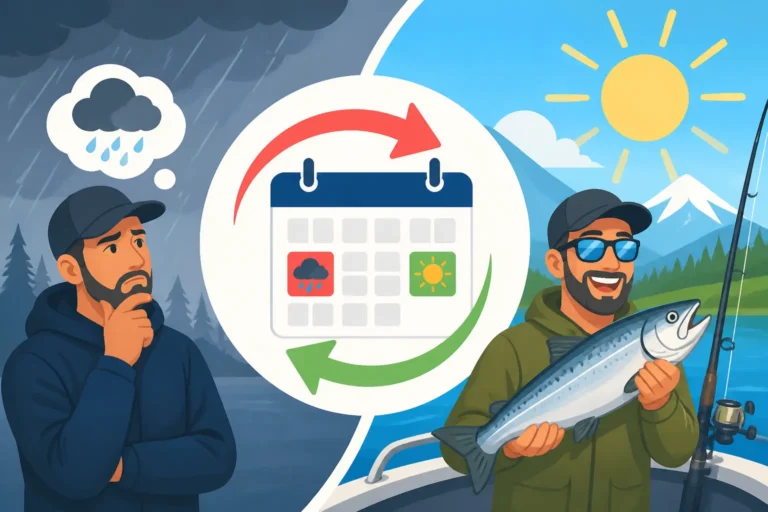
Let's be honest, fishing isn't like booking a movie ticket; you can't just expect perfect conditions every single time. The Pacific Northwest, while breathtaking, is known for its dynamic weather, and that's just one piece of the puzzle. It’s completely understandable to feel frustrated or disappointed if your eagerly awaited trip gets called off, but often, these decisions are made with your safety and the success of the trip in mind.
Why Charters Need Flexibility
Think about it from a charter captain's perspective. Their number one priority is usually the safety of their passengers. No one wants to be out on choppy Puget Sound waters or a surging river if conditions are unsafe. Beyond safety, there's the fish itself! Sometimes, a sudden weather change or an unexpected closure (more on that in a moment) can make fishing unproductive, leading to a less-than-stellar experience for everyone. A good captain would rather reschedule or cancel than take you out for a miserable, fishless day where safety is compromised. They rely on word-of-mouth and repeat business, so ensuring a positive, safe experience is paramount. This inherent unpredictability means charter operators must have flexible policies.
Common Reasons for Cancellation
Cancellations aren't always about a sudden downpour. There's a whole host of reasons a charter might not go out as planned, and knowing these can help you understand why a guide might make a tough call.
- Adverse Weather Conditions: This is probably the most common culprit. High winds making the bar crossing at Ilwaco unsafe, heavy fog on the Columbia River, or rough seas off Westport are all valid reasons for a captain to cancel. It's not just about comfort; it's about avoiding dangerous situations. You might be surprised how quickly the weather can shift in Washington, especially on the coast or in the mountain river valleys.
- Mechanical Issues: Boats are complex machines, and like any machinery, things can break. A sudden engine problem, a navigation system failure, or even a critical piece of gear malfunctioning can lead to a last-minute cancellation. While frustrating, it's better for the captain to address these issues on shore than have a breakdown miles offshore.
- Emergency Fishery Closures: This one can really sting because it’s entirely out of anyone’s control. The Washington Department of Fish and Wildlife (WDFW) frequently implements emergency rules, sometimes with very short notice, to protect fish stocks. For example, a salmon run might come in weaker than expected, or steelhead numbers might be too low, triggering a sudden closure in a specific marine area or river section. If the species you planned to target is suddenly off-limits, the charter might have to cancel or pivot to a different fishery. This is why it’s always smart to keep an eye on official WDFW announcements, as detailed in our guide Emergency Rule Changes: Why Washington's Rules Shift Mid-Season.
- Guide Illness or Emergency: Just like anyone else, guides can get sick or face personal emergencies that prevent them from operating a trip. This is rare, but it does happen.
- Insufficient Bookings: While less common for established charters, some trips, especially on larger boats requiring a minimum number of anglers, might be canceled if not enough people book. This is more likely with "open" or "shared" trips rather than private charters.
When a captain calls off a trip due to these reasons, it’s rarely a decision made lightly. They lose money too, and they understand your disappointment.
Understanding Standard Cancellation Policies
So, how do these cancellations usually play out? While every charter operator is a small business and can set their own specific terms, there are some common practices that most adhere to, especially when dealing with deposits and refunds.
Deposits and Refunds
Almost every Washington fishing charter will require a deposit to secure your booking. This deposit serves a few purposes: it guarantees your spot, covers some administrative costs, and provides a small buffer for the guide if a client cancels last minute.
- Captain-Initiated Cancellation: If the captain cancels the trip due to unsafe weather, mechanical issues, or fishery closures, you almost universally receive a full refund of your deposit. This is industry standard and a sign of a reputable operation. Many also offer the option to simply reschedule, which can be a great way to still get your trip in. Our guide on What Happens If Weather Cancels a Washington Charter? goes into more detail on this specific scenario.
- Angler-Initiated Cancellation: This is where it gets a bit trickier. If you decide to cancel, the refund policy usually depends on how much notice you give.
- Ample Notice (e.g., 30+ days out): Most charters will offer a full refund of your deposit if you cancel well in advance, giving them time to rebook your slot.
- Moderate Notice (e.g., 7-30 days out): You might receive a partial refund, or the charter might offer to apply your deposit to a rescheduled trip.
- Short Notice (e.g., less than 7 days): In many cases, if you cancel within a week or a few days of your trip, you'll likely forfeit your deposit. The guide has lost the opportunity to book another party for that specific date, and their operational costs remain. This is a common point of contention, but it's crucial to remember that charter captains' livelihoods depend on these bookings.
- No-Show: If you simply don't show up for your trip without any communication, you will almost certainly forfeit your entire deposit and may even be charged the full trip cost, depending on the charter's specific terms.
It's vital to remember that these are general guidelines. Always, always, always read the specific cancellation policy for the charter you are booking. If you're using a platform like FishingBooker, their listings typically have clear policy sections to review before you confirm.
Rescheduling Options
Many Washington fishing guides are quite accommodating when it comes to rescheduling, especially for weather-related cancellations. Instead of a full refund, they might offer to move your trip to another open date that works for both parties. This is often a win-win: you still get your fishing adventure, and the guide retains the booking. For angler-initiated cancellations, if you give enough notice, many guides will also be willing to reschedule your trip, perhaps applying your deposit to the new date. This flexibility can be a lifesaver, and it's a testament to the guide's desire to get you on the water. Check out our advice on Can You Reschedule a Washington Fishing Charter? for more insights.
Reading the Fine Print
This cannot be stressed enough: read the cancellation policy thoroughly before you book anything. It's like any contract; once you agree to it, you're bound by its terms. Don't assume anything. Look for details on:
- Required Notice: How many days' notice do you need to give to get a full or partial refund?
- Weather Clause: What constitutes "bad weather" for a cancellation? Is it high winds, heavy rain, or something else? Generally, it's the captain's call, but a clear policy helps.
- Deposit Amount: How much is the non-refundable portion, if any?
- Rescheduling Terms: Are there fees for rescheduling? What's the timeframe for rescheduling?
- Third-Party Booking Platform Policies: If you're booking through a site like FishingBooker, they will have their own overarching policies in addition to the guide's individual terms.
Taking the time to understand these points beforehand will prevent misunderstandings and heartache down the line. A reputable guide will always have their policy clearly stated on their website or booking page.
What to Do If Your Trip is Affected
So, you've booked your dream Washington fishing trip, and then the unexpected happens. Your guide calls, or you realize you need to cancel. What's the best way to handle it?
Communication is Key
The absolute best thing you can do is communicate promptly and politely.
- If the Guide Cancels: If your captain calls to cancel due to weather or another issue, listen to their explanation. They are likely doing it for a good reason. Be understanding and discuss your options clearly: a full refund, rescheduling, or perhaps targeting a different species or location if feasible. Sometimes, they might even suggest a different guide if they know someone else has an opening or is fishing in a protected area.
- If You Need to Cancel: As soon as you know you need to cancel or reschedule, contact your guide immediately. The earlier you let them know, the better your chances of getting a full or partial refund, or at least being able to reschedule without losing your deposit. Send an email as a follow-up to any phone call so you have a written record. Be polite and explain your situation; they are often more understanding if you're upfront.
Document Everything
In an ideal world, every transaction would go smoothly, but sometimes disputes arise. Having a clear record can be invaluable.
- Emails and Texts: Keep copies of all correspondence related to your booking, including confirmation emails, messages about deposits, and any discussions about cancellation or rescheduling.
- Policy Screenshot: Take a screenshot or print out the cancellation policy at the time of your booking. Policies can sometimes change, so having what you agreed to is important.
- Payment Records: Keep records of your deposit and any other payments made.
This documentation can be crucial if you need to contest a charge or if there's a disagreement about a refund.
Trip Insurance Considerations
For those making a significant investment in a Washington fishing trip – perhaps traveling a long distance, booking multiple days, or bringing a large group – trip insurance can be a smart consideration. While not common for a single day trip, it becomes more relevant for longer, more elaborate excursions.
Trip insurance, which you purchase separately from your charter, can cover non-refundable expenses if your trip is canceled for certain covered reasons, such as severe weather that grounds flights, medical emergencies, or unforeseen personal issues. It typically won't cover simply changing your mind or minor inconveniences. Always read the fine print of any trip insurance policy to understand what is and isn't covered. Our article Can You Buy Trip Insurance for a Washington Fishing Charter? dives deeper into this topic. It’s an extra cost, but it can provide peace of mind, especially when you're planning a bucket-list trip.
Navigating Policies with Booking Platforms
In today's digital age, many anglers find and book their Washington fishing charters through online platforms rather than directly contacting guides. These platforms often play a significant role in clarifying and enforcing cancellation policies.
How Platforms Like FishingBooker Help
Booking platforms like FishingBooker can offer several advantages when it comes to understanding and navigating cancellation policies:
- Standardized Presentation: These platforms typically require guides to clearly state their cancellation policies in a structured format on their listings. This makes it easier to compare policies between different charters.
- Mediation Services: If a dispute arises between you and a guide regarding a cancellation or refund, the booking platform can often act as a neutral third party to mediate and help resolve the issue based on their stated terms and conditions. They have a vested interest in customer satisfaction and maintaining their reputation.
- Streamlined Processes: Many platforms have automated systems for processing refunds or rescheduling requests, making the administrative side of a cancellation smoother.
- Clear Terms: When you book through a platform, you'll usually agree to their terms of service, which often include provisions for cancellations and refunds, offering an additional layer of clarity.
While you're still agreeing to the individual guide's policy, the platform helps ensure that policy is visible and, in many cases, helps enforce it.
Direct Booking vs. Platform Booking
There are pros and cons to both approaches when considering cancellation policies.
| Feature | Direct Booking | Platform Booking (e.g., FishingBooker) |
|---|---|---|
| Policy Clarity | Varies by guide; may require direct inquiry | Generally clear and standardized on listing |
| Negotiation | Potentially more room for direct negotiation | Less room for negotiation on policy terms |
| Dispute Resolution | Handled directly with guide; can be difficult | Platform can mediate if issues arise |
| Payment Security | Varies by guide's system | Often secure payment gateways |
| Convenience | Requires individual research and communication | Centralized information, easy comparison, one-stop |
| Rescheduling | Direct discussion with guide | Often facilitated through platform's system |
When booking directly, you might have more flexibility to discuss specifics with the guide, but you also bear the full responsibility of understanding their terms and handling any issues. Platforms like FishingBooker add a layer of transparency and support, which can be very reassuring for many anglers.
Ultimately, your best defense against cancellation-related frustration is being proactive. Research your guide, understand their policies, and communicate openly. A little preparation goes a long way toward ensuring your Washington fishing adventure, even if it hits a snag, can still end on a high note. For more general advice on preparing, consider What to Check Before Every Washington Fishing Trip.
Disclaimer
This article is for general informational purposes only and does not constitute professional advice. Laws, prices and regulations vary by location and change over time. Consult a qualified professional for guidance on your specific situation.