Can a Charter Vacuum-Pack and Ship Your Fish?
Landing that magnificent Washington salmon or halibut is an exhilarating experience, but for many anglers, especially those visiting from out of state, a common and very real worry immediately sets in: "How on earth am I going to get this beautiful catch home, perfectly preserved?" It's a valid concern, and it can dampen the end of an otherwise incredible fishing trip if you haven't planned ahead. This guide will walk you through the realities of fish processing and shipping options when you book a fishing charter in Washington, helping you understand what to expect and how to ensure your prized fillets make it to your dinner table.
The Reality of Fish Processing on Washington Charters
Let's be honest, after a long day battling a fish, the last thing most of us want to do is spend hours filleting and preparing it for travel. You’re tired, maybe a little wet, and probably dreaming of a hot meal. The good news is that most Washington fishing charters understand this and offer some level of fish cleaning. However, the extent of that service varies, and vacuum-packing and shipping are typically specialized services that go beyond what a standard charter provides.
Basic Fish Cleaning is Standard
When you book a charter, you can almost always count on the crew taking care of the initial processing of your catch. This usually means filleting your fish, removing the guts, and rinsing the fillets. For smaller fish, they might even just gut them whole for you. The goal here is to make the fish manageable and ready for immediate refrigeration or freezing.
Imagine you've just come off a Puget Sound salmon charter, and you've got a couple of nice coho in the cooler. The deckhand will typically lay them out, efficiently fillet them right there at the dock or on the boat, and then place those clean fillets into a bag for you. They’ll often provide ice to keep them chilled for your drive home. This is a huge convenience, saving you time and the messy work, but it’s just the first step in long-term preservation. This basic service ensures you're not going home with a whole, round fish, which is a major relief for many.
Advanced Processing Often Separate
Now, when we talk about vacuum-packing, flash-freezing, or arranging for shipping, that’s where most charters draw the line. These services require specific equipment, dedicated facilities, and specialized logistics that aren't part of a typical charter operation. Think of it this way: your captain and crew are experts at finding fish, navigating the waters, and helping you land your catch safely. Their primary business is the fishing experience itself, not operating a full-scale fish processing plant or a shipping logistics center.
For example, if you're fresh off a Westport halibut trip with a cooler full of impressive white meat, your captain will likely fillet it beautifully for you. But if you then ask them to vacuum-seal each portion, blast-freeze it, and ship it to your cousin in Nebraska, that’s almost certainly outside their scope. This isn't a reflection of their willingness to help, but rather the practical limitations of their business model. It's a common misconception, and many anglers only realize this detail when they're standing at the dock, fish in hand, wondering about the next steps.
Why Vacuum-Packing and Shipping Aren't Standard Charter Services
It’s easy to assume that because you’re paying for a fishing experience, everything related to the fish, from hook to home, would be handled. However, there are very practical reasons why charters typically don’t offer vacuum-packing and shipping as part of their package. Understanding these reasons can help you better prepare for your trip.
Time and Space Constraints
Think about a typical charter boat. Space is at a premium, especially on the deck or at the dock during turnaround times. Vacuum sealers, flash freezers, and a dedicated packing station require significant physical space. Furthermore, the time it takes to meticulously vacuum-pack and label each individual fillet from a boatload of clients' catches is substantial. After a charter returns, the crew often needs to clean the boat, refuel, re-tackle, and prepare for the next trip, sometimes within a very short window. Adding extensive fish processing to that tight schedule simply isn't feasible.
Imagine a busy summer morning at a popular port like Ilwaco, with multiple charters coming and going. Each boat is on a schedule. If a crew had to process and pack fish for every angler on board, it could delay their departure for the next trip by hours, creating a logistical nightmare. Their priority is to get you on the water safely, put you on fish, and then ensure a quick and efficient disembarkation.
Specialized Equipment and Licensing
Vacuum-packing equipment, especially commercial-grade units, isn't cheap or small. The same goes for industrial freezers capable of flash-freezing fish quickly to preserve quality. Maintaining this equipment, ensuring it meets health and safety regulations, and having the trained staff to operate it properly are all significant investments. Many areas also have specific licensing requirements for commercial food processing and shipping. Charters are primarily licensed for passenger transport and fishing, not as a food processing facility or a freight forwarder.
Consider the sanitation aspect. Handling raw fish in large quantities requires strict cleanliness protocols. A boat, while clean for fishing, is not designed or equipped to meet the stringent standards of a food processing facility. Running such an operation would fundamentally change the nature of the charter business, demanding different infrastructure and regulatory oversight.
Focus on Guiding, Not Logistics
Ultimately, a fishing charter's core business is guiding anglers to fish and providing a memorable experience on the water. Their expertise lies in navigating currents, understanding fish behavior, deploying the right gear, and ensuring customer safety and enjoyment. Diverting resources, time, and attention to complex logistics like long-distance shipping or intricate packaging would detract from their primary mission.
Many anglers find their charters through platforms like FishingBooker, where they can compare services and read reviews. When browsing these options, you'll notice that the emphasis is almost always on the fishing experience itself – the type of fish targeted, the boat's amenities, the captain's experience, and the areas fished. While some mention basic cleaning, extensive processing is rarely listed as an included service because it's not what they specialize in. Their passion and profession are about the hunt and the catch, not the intricacies of post-harvest logistics.
Your Options for Vacuum-Packing and Shipping Fish
So, if your charter isn't going to vacuum-pack and ship your fish, what can you do? Don't worry, you have several excellent options to ensure your fillets make it home in prime condition. The key is to plan ahead and know what resources are available.
Utilizing Local Fish Processors
This is often the best and most convenient option, especially for out-of-state anglers or those with a large catch. Many major fishing ports in Washington, such as Westport, Ilwaco, or even ports closer to Seattle like Anacortes or Everett, have dedicated seafood processing facilities located near the docks. These businesses specialize in exactly what you need: filleting, steaking, portioning, vacuum-sealing, flash-freezing, and often, shipping your catch via reputable carriers.
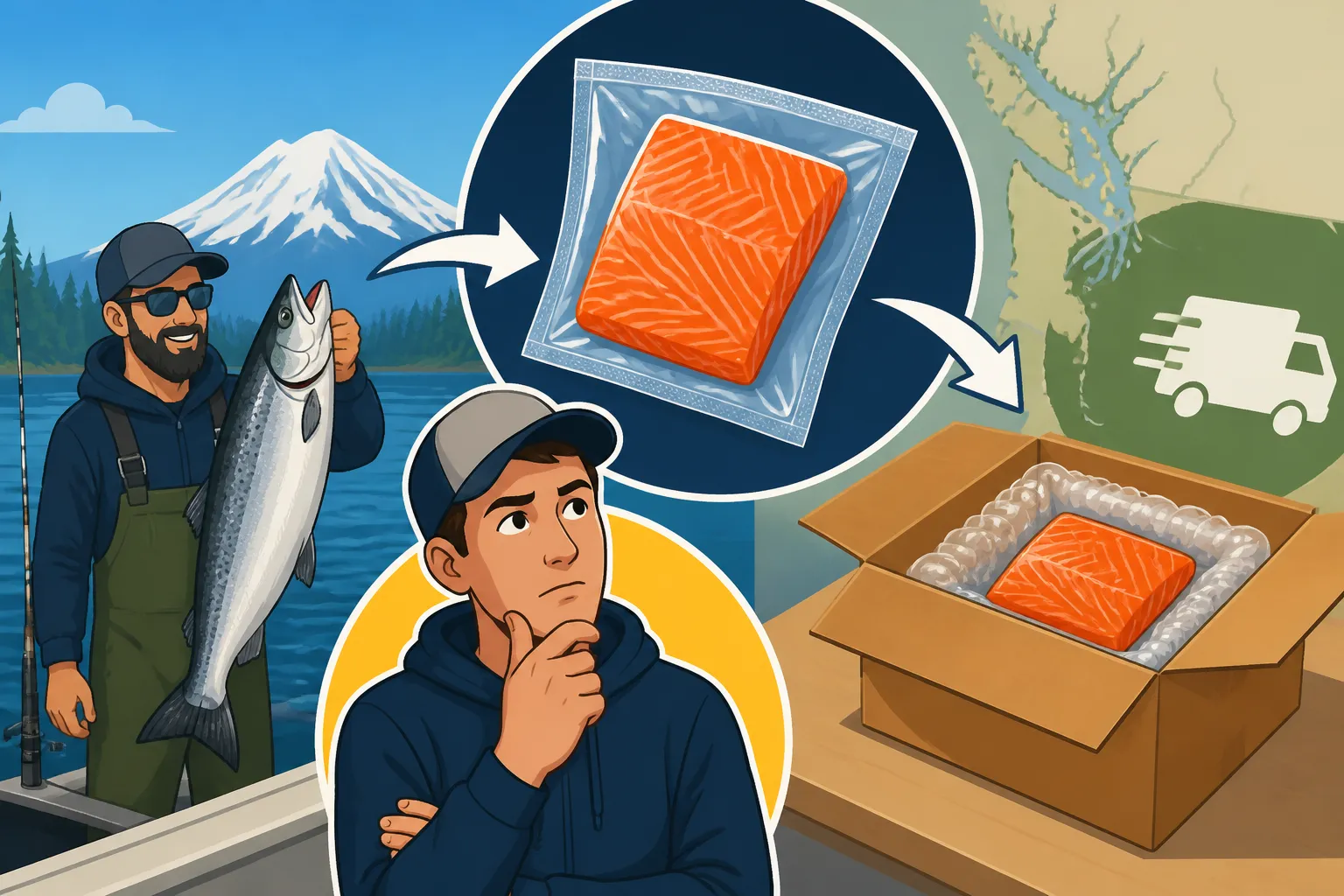
Here’s how it usually works: You bring your cleaned (or sometimes even whole) fish directly from the charter boat to the processor. They will weigh your fish, discuss how you want it processed (e.g., skin on/off, portion size), and then expertly prepare it. They use commercial-grade vacuum sealers that remove all air, preventing freezer burn, and have blast freezers that rapidly freeze the fish to lock in freshness. Once processed and frozen, they can pack it into insulated shipping containers and arrange for overnight or express shipping to your home or any desired destination. This service comes at an additional cost, but for many, it’s a worthwhile investment to protect their valuable catch. A quick online search for "fish processing [port name] Washington" will typically yield several options.
Self-Packing for Travel
If you prefer a DIY approach or your destination isn't too far, you can certainly pack your fish yourself. This requires a bit of preparation and understanding of proper preservation techniques.
For car travel, robust coolers are essential. Start with fillets that have been thoroughly chilled or even pre-frozen if possible. Layer the bottom of your cooler with a block of ice or gel packs, place your wrapped or bagged fillets on top, and then cover them with more ice. Dry ice is an even better option for longer drives as it keeps everything colder for longer and doesn't melt into water, but it requires careful handling and ventilation. Make sure your cooler is well-insulated and can keep ice for several days.
For air travel, the rules are stricter. You'll need to check with your specific airline about their policies regarding seafood and coolers. Generally, fish must be frozen solid and packed in a leak-proof container (often a hard-sided cooler) with no melting ice. Dry ice is usually allowed, but with quantity limits and specific labeling requirements. Many anglers use insulated Styrofoam boxes (often available from fish processors or sporting goods stores) placed inside a cardboard outer box for added protection. The goal is to ensure your fish remains frozen solid for the entire journey and doesn't leak. Can You Fly Home With Fish From Seattle? is a good resource to check before you head to the airport.
Consulting with Your Charter Captain
The best way to avoid any last-minute surprises is to communicate openly with your charter captain before your trip. When you're making your booking, or even a few days prior, bring up your concerns about fish processing.
You can ask questions like:
- "What kind of fish cleaning do you provide after the trip?"
- "Are there any local fish processors nearby that you recommend for vacuum-packing and shipping?"
- "Do you have ice available for purchase or included for my cooler?"
Most captains are incredibly knowledgeable about local resources and will be happy to point you toward reputable processors or give you tips for self-packing. They want you to have a great overall experience, and that includes getting your catch home safely. Platforms like FishingBooker often allow you to send messages directly to captains, making it easy to ask these questions in advance. Don't be shy; it's a common query, and experienced captains expect it.
Important Considerations for Shipping Your Catch
Once you decide to ship your fish, there are a few critical details to keep in mind to ensure a smooth process and the best possible outcome for your precious fillets.
Understanding Costs and Logistics
Shipping fresh or frozen fish isn't cheap, especially when using express or overnight services. These costs typically include the processing fees (filleting, vacuum-sealing, freezing), the insulated shipping container, and the freight charges from the carrier. It's wise to get an estimate from the processor beforehand, especially if you have a significant amount of fish. The cost will depend on the weight of your packaged fish, the destination, and the speed of service you choose.
Logistically, you'll need to ensure you provide the correct shipping address and contact information. Most processors will handle all the paperwork and tracking for you, but it’s always a good idea to confirm delivery times and get a tracking number so you can monitor your shipment. If you’re processing your catch for multiple people or multiple destinations, double-check all labels and instructions.
Legalities of Transporting Your Catch
While generally straightforward, there are a few legal considerations, particularly when transporting fish across state lines. Most importantly, any fish you transport must be legally caught and properly documented, especially if a The Washington Catch Record Card and What It Requires was required. For species like salmon and steelhead, your catch record card acts as your proof of legal harvest.
When transporting fillets, it's a good practice to retain a small portion of skin with scales on each fillet, or at least one complete fillet, for identification purposes if you encounter a wildlife officer. This helps them verify the species and ensure it meets legal size and bag limits, even if the rest of the fish is processed. Many states also have specific rules about importing certain species or limits on the amount of fish that can be brought in. It’s always best to check the regulations of your destination state if you’re concerned, though for personal consumption of legally caught fish, it’s usually not an issue. Just be sure to have your fishing license and catch record card handy.
Planning Ahead is Key
The biggest takeaway here is the importance of planning. Deciding what you'll do with your catch before you even leave for your Washington fishing trip will save you a lot of stress and potential headaches at the end of a long day on the water.
- Research local processors: Look up seafood processors near your charter's home port. Call them to inquire about their services and pricing.
- Communicate with your captain: As mentioned, ask your charter captain about their fish cleaning policies and local recommendations.
- Prepare for self-packing: If you plan to DIY, ensure you have the right coolers, ice, and packing materials ready. Know your airline's policies if flying.
By taking these steps, you transform what could be a frantic scramble into a smooth, efficient process, ensuring that your delicious Washington catch arrives home perfectly preserved, ready to be enjoyed.
Choosing the Right Strategy for Your Trip
The "best" way to handle your fish ultimately depends on your specific circumstances, including where you're coming from, how much fish you catch, and your personal preferences. There's no one-size-fits-all answer, but we can explore a couple of scenarios to help you decide.
Short Trips vs. Long-Distance Travel
If you're a Washington resident just heading home a few hours away, or even spending a weekend in a coastal town, your needs will be very different from someone flying across the country.
For shorter trips, self-packing in a quality cooler with plenty of ice or gel packs is often sufficient. You can get your fish home, pop it into your home freezer, and then vacuum-seal it at your leisure with a personal machine, or simply freeze it in freezer bags for shorter storage. This saves on processor fees and shipping costs. Many anglers, especially those on a day trip to the Fishing Westport and the Washington Coast or a quick run in Puget Sound, find this approach to be perfectly adequate.
However, if you're traveling a long distance, especially by air, or if you plan to keep your fish frozen for an extended period (say, longer than a month or two), professional processing and shipping become far more attractive. The commercial-grade vacuum sealers and flash-freezing techniques used by processors offer a superior level of preservation that's hard to replicate at home. Plus, the peace of mind knowing your fish is professionally packed and shipped directly to your door is invaluable. Trying to manage several pounds of fish through airport security and baggage claim can be a logistical challenge you might rather avoid.
When to Seek Professional Processing
There are specific situations where entrusting your catch to a professional fish processor is highly recommended:
- Out-of-state travel: If you're flying or driving more than a day, professional freezing and shipping will ensure your fish arrives in optimal condition. This is particularly true for delicate species like salmon or the highly prized Pacific halibut.
- Large quantities of fish: If you've had an exceptionally successful day and have a substantial amount of fish (perhaps you hit the jackpot on a Halibut Fishing Techniques for the Washington Coast charter!), a processor can handle the volume more efficiently and effectively than you likely could on your own.
- Long-term storage: For fish you plan to enjoy over many months, the professional vacuum-sealing and deep-freezing provided by processors significantly extend the freezer life and prevent freezer burn, maintaining the quality and taste.
- Convenience and peace of mind: Sometimes, the value of simply not having to worry about it is worth the cost. After a fantastic day on the water, you might prefer to relax and let the experts handle the logistics.
Here's a quick comparison of services:
| Feature | Typical Fishing Charter | Dedicated Fish Processor |
|---|---|---|
| Basic Cleaning | Usually included (gutting, filleting) | Yes, if you bring whole fish |
| Vacuum-Packing | Rarely included | Standard service, commercial grade |
| Flash-Freezing | Not typically available | Standard service, preserves quality |
| Insulated Packaging | May provide plastic bags for fillets | Provides specialized shipping coolers |
| Shipping Services | No, not a freight service | Yes, arranges shipping via major carriers |
| Cost | Basic cleaning often included in charter fee | Additional cost based on weight and services |
| Convenience | Immediate cleaning at dock/on boat | Drop off fish, pick up later or ship to home |
| Preservation Quality | Good for short-term transport/immediate consumption | Excellent for long-term storage & travel |
| Time Commitment for Angler | Minimal after initial cleaning | Moderate (drop-off, discuss options) |
Remember, a little foresight goes a long way. By understanding these options and planning ahead, you can fully enjoy your Washington fishing adventure, knowing that your delicious catch will be expertly cared for, from the hook to your home kitchen.
Disclaimer
This article is for general informational purposes only and does not constitute professional advice. Laws, prices and regulations vary by location and change over time. Consult a qualified professional for guidance on your specific situation.