Can You Reschedule a Washington Fishing Charter?
It's happened to almost every angler: you've meticulously planned a Washington fishing charter, maybe for a trophy salmon or a shot at halibut, only for an unexpected life event or a sudden shift in weather to throw a wrench into your perfect plans. The heart sinks, and the immediate question pops up – "Can I actually reschedule this trip?" This guide is here to walk you through the realistic possibilities, the typical policies you'll encounter, and how to navigate the waters of rescheduling your Washington fishing adventure without losing your cool (or your deposit).
The Reality of Rescheduling: What Most Charter Companies Face
Booking a fishing charter isn't like canceling a dinner reservation. These businesses operate on tight schedules, with a limited number of prime fishing days, and their livelihood depends on those bookings. When you need to reschedule, it directly impacts their ability to fill that spot, which can feel frustrating for both sides.
Why Flexibility Isn't Always a Guarantee for Charters
Charter captains and guides have significant operational costs. Think about fuel, boat maintenance, gear replacement, insurance, and the salaries for any deckhands. Each scheduled trip contributes to covering these overheads and making a living. A last-minute reschedule, especially during peak seasons for popular fisheries like Chinook Salmon: Washington's King of Fish in Puget Sound or targeting Pacific Halibut Fishing on the Washington Coast, means a potential loss of revenue for that specific day. It's not that they don't want to accommodate you; it's simply a matter of economic reality.
They also often have a very limited window of opportunity for certain species or conditions. For instance, the summer salmon season in Marine Area 9 for Salmon Fishing, Explained might only run for a few weeks, making every single day crucial. If they let one spot go, it's not easily replaced, especially if other clients have been on a waiting list for months. This is why many charters have firm policies, and while they want you to have a great time and will try to get you on the water, their business model often dictates less flexibility than you might hope for.
The Difference Between Your "Wants" and "Needs" for Rescheduling
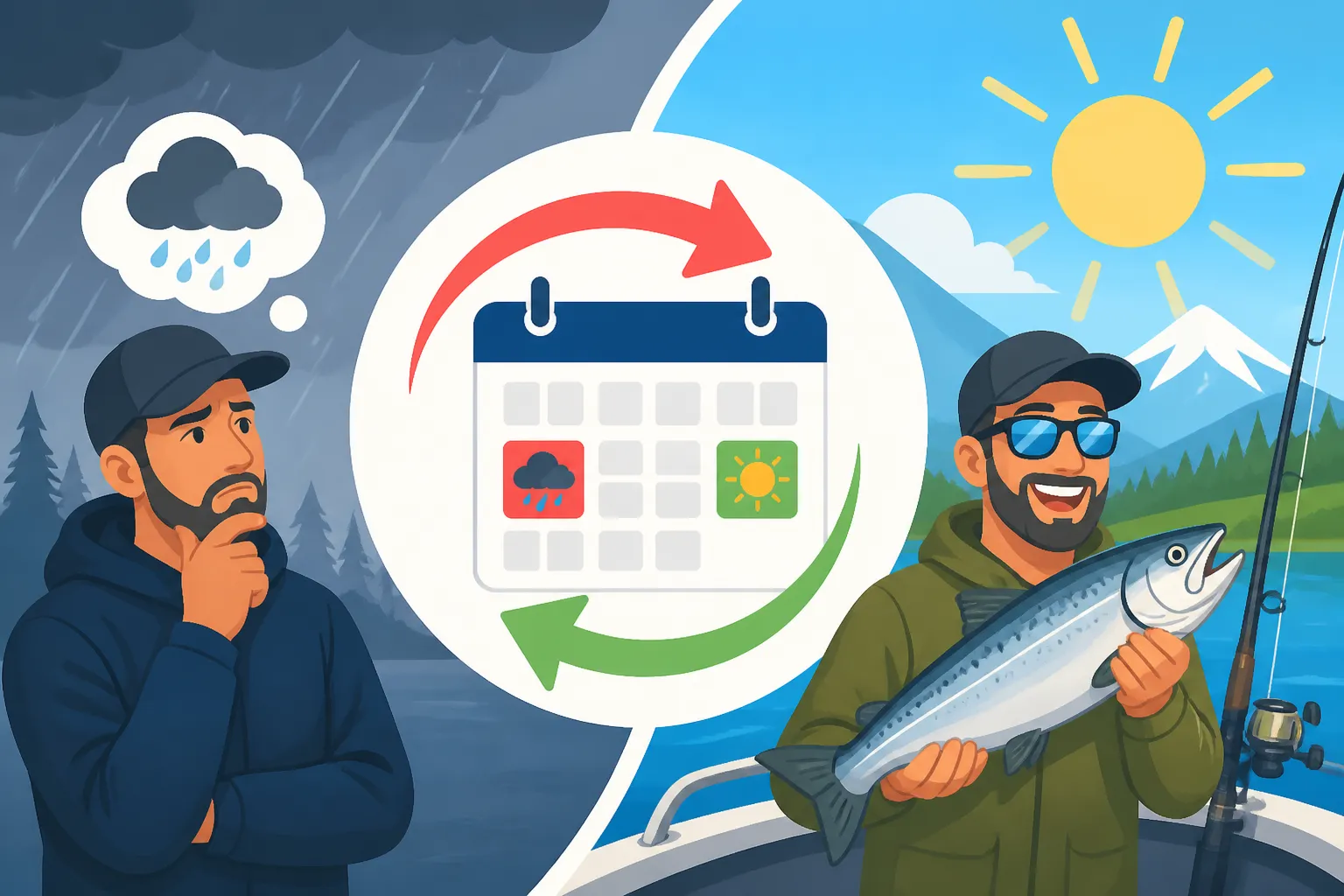
It's important to distinguish between genuinely needing to reschedule due to unavoidable circumstances and wanting to change a date out of convenience. A "want," such as deciding you'd prefer a different day because the forecast shows a little rain instead of bright sunshine, is generally less likely to be accommodated without penalty. Charters typically fish in varying conditions, and a light drizzle isn't usually a reason for them to cancel. They're prepared with proper gear and will still put you on fish.
A "need," on the other hand, might stem from a sudden family emergency, a serious illness, or truly unsafe weather conditions called by the captain. These situations carry more weight and are where a charter's policies, and often their empathy, are truly tested. Understanding this distinction helps manage expectations and approach the rescheduling conversation more effectively.
Common Reasons You Might Need to Reschedule Your Trip
Life happens, and sometimes, despite the best planning, you find yourself needing to change your charter date. Here are the most common scenarios.
Weather-Related Cancellations (The Captain's Call)
This is by far the most common and universally understood reason for rescheduling. Captains are legally and morally obligated to ensure the safety of their passengers. If the weather forecast predicts high winds, heavy seas, dense fog, or dangerous thunderstorms, a responsible captain will make the call to cancel or postpone the trip. This isn't usually a matter of comfort; it's about safety. For offshore trips, like those targeting halibut off the Washington coast, even a moderate chop can make for an unpleasant and unsafe experience.
When a captain cancels due to weather, it's almost always at no penalty to you. You'll typically be offered the option to reschedule for another available date or receive a full refund. This is standard practice across the industry, and it's important to remember that this decision is made with your well-being in mind, even if it's disappointing. It's also why you should always check What Happens If Weather Cancels a Washington Charter? beforehand.
Personal Emergencies and Unforeseen Circumstances
These are the tougher situations to navigate. A sudden illness, a family emergency, unexpected work obligations, or even a vehicle breakdown on the way to the marina can all derail your plans. In these cases, the charter's written cancellation and rescheduling policy becomes critical. Some charters might offer flexibility, especially if you give them ample notice. For example, if you call a week or two out with a legitimate reason, they might be able to shift your date to an open slot without a penalty, or at least apply your deposit to a future trip.
However, a last-minute cancellation for a personal reason (e.g., less than 48-72 hours notice) is often treated as a forfeiture of your deposit or even the full trip cost, depending on the policy. This is because it leaves the captain with little to no time to fill that spot, resulting in a direct financial hit. Always communicate as soon as possible, and be prepared for the possibility that the policy might be strictly enforced.
Changes in Fishing Regulations or Fish Runs
While less common, sometimes changes happen that impact the original target of your trip. Washington's fisheries are dynamic, and regulatory agencies like WDFW occasionally implement Emergency Rule Changes: Why Washington's Rules Shift Mid-Season or modify seasons based on fish returns or conservation needs. For example, a planned Coho Salmon Fishing in Washington trip might suddenly see a shortened season or new catch limits, or a specific river might close unexpectedly to protect wild steelhead.
In such scenarios, a reputable charter will inform you immediately. They might offer to pivot to a different species that's open, suggest an alternative fishing location, or provide options to reschedule your trip to a later date when the desired fishery reopens or another opportunity arises. It’s rare for them to simply cancel and keep your money in these situations, as it's a circumstance beyond both your and their control.
Navigating Different Charter Policies: A Closer Look
Before you ever book a trip, especially with a specific target in mind like Halibut Fishing Techniques for the Washington Coast or a Columbia River Guided Salmon and Steelhead Trips in Washington, understanding the fine print is paramount.
Understanding the "Cancellation Policy" vs. "Rescheduling Policy"
It's a subtle but crucial distinction. A cancellation policy outlines what happens if you completely cancel your trip. This often involves losing your deposit or a percentage of the total fee, especially if it's a last-minute cancellation. The purpose is to compensate the charter for the lost booking.
A rescheduling policy, on the other hand, addresses moving your existing booking to a new date. Some charters have specific windows where you can reschedule without penalty (e.g., 14 days prior to the trip). Outside that window, rescheduling might incur a fee, or it might be treated as a cancellation, meaning you forfeit your deposit and have to rebook entirely. Always check if a deposit is transferable to a new date, or if it's considered lost upon reschedule. This is particularly important when considering Booking a Multi-Day Washington Fishing Trip where the financial commitment is higher.
Key Elements to Look For in a Policy
When reviewing a charter's policy, here are the key things to pay close attention to:
- Notice Period: What is the minimum amount of notice required to reschedule or cancel without penalty? This could be anywhere from 24 hours to 30 days, with longer periods typically for more expensive or multi-day trips.
- Deposit Refundability/Transferability: Is your deposit refundable if you cancel within the policy's timeframe? More importantly for rescheduling, is it transferable to a new date, or is it forfeited if you change your mind?
- Captain's Discretion on Weather: Does the policy clearly state that weather cancellations are at the captain's sole discretion and result in a full refund or free reschedule? This should be a given, but it’s good to see it in writing.
- Rescheduling Fees: Are there any fees associated with rescheduling, even if you provide adequate notice? Some charters charge a small administrative fee.
- "No Show" Policy: What happens if you simply don't show up? Almost universally, this means you forfeit all payments. Make sure you know What Happens If You Don't Catch Anything on a Washington Charter or don't show up.
How Booking Platforms Can Help (e.g., FishingBooker)
Many anglers book their Washington fishing charters through online platforms like FishingBooker. These platforms often standardize cancellation and rescheduling policies or make the individual charter's policies very transparent during the booking process.
If you book through such a platform and need to reschedule, your first step should be to check the policy listed on your booking confirmation or the charter's page. Then, contact the platform's customer service. They can often act as a mediator between you and the captain, helping to facilitate a reschedule according to the stated terms. Their role can be incredibly helpful, especially if there's a misunderstanding or a need for a third party to ensure fair play, as they have a vested interest in customer satisfaction for both anglers and guides.
| Scenario for Rescheduling | Who Initiates? | Typical Outcome/Policy | Notes & Considerations |
|---|---|---|---|
| Unsafe Weather | Captain | Free reschedule or full refund. | Always the captain's call for safety. You should not fish in conditions deemed unsafe. |
| Personal Emergency | Angler | Depends on notice. Often deposit forfeited for last-minute changes. May allow reschedule if ample notice. | Early communication is key. Be prepared to discuss the situation politely and realistically. |
| Regulation Change | WDFW/Captain | Free reschedule, alternative trip, or full refund. | Beyond anyone's control. Captains typically work with you to find a solution. |
| Minor Illness/Injury | Angler | Depends on notice. Similar to personal emergency. | If you give enough warning (e.g., more than 72 hours), some flexibility might be offered. |
| Simply Changed Mind | Angler | Deposit typically forfeited for any changes within the cancellation window. | Considered a cancellation for convenience. Unlikely to be accommodated without penalty. |
Tips for a Smooth Rescheduling Process (and Avoiding Future Headaches)
Nobody wants to deal with the stress of rescheduling a fun outing. By being prepared and proactive, you can make the process as smooth as possible.
Communicate Early and Clearly
The golden rule of rescheduling anything, especially a fishing charter, is to communicate as soon as you know there's a problem. Don't wait until the day before or, even worse, the morning of the trip. Pick up the phone first, rather than relying solely on email, especially for urgent matters. A direct conversation often allows for more understanding and negotiation than a written message.
When you call, be clear about your situation, but also be polite and understanding of the captain's position. They didn't cause your emergency, and they're also running a business. Approaching the conversation with respect and a willingness to find a solution together will always yield better results than being demanding or frustrated. Have a few alternative dates in mind when you call, if possible, which shows you're serious about rebooking.
Read the Fine Print Before You Book
I can't stress this enough: always read the charter's cancellation and rescheduling policy thoroughly before you put down a deposit. This isn't just a formality; it's your protection and their operational guidelines. If you have any questions about it, ask them before you book. Don't assume anything. Some policies are more lenient than others, and knowing what you're agreeing to upfront can prevent a lot of stress and financial loss later. This is especially true for those planning big trips like Booking a Guide for the Sol Duc River in Washington where conditions can change quickly.
For particularly expensive trips, or if you're traveling a long distance, consider purchasing trip insurance. This can protect your investment against unforeseen circumstances that might not be covered by the charter's policy, such as your own illness, flight cancellations, or other personal emergencies.
Be Flexible and Realistic with New Dates
When you do need to reschedule, try to be as flexible as possible with new dates. Prime weekend slots or specific dates during peak season for species like Steelhead: Washington's Ocean-Run Rainbow Trout or Coho Salmon Fishing in Washington are often booked months in advance. The captain might have very limited availability, especially if you're trying to rebook for a similar timeframe. Consider mid-week dates, or even shifting your target species if the original season has passed. For example, if your spring Chinook trip falls through, maybe you can rebook for a fall coho trip.
Having a few options ready, and being open to suggestions from the captain, will greatly improve your chances of successfully rescheduling your trip and still getting out on the water. Remember, they want to take you fishing; it’s their business, and often their passion. Finding common ground is the best way to ensure everyone wins in the end.
Disclaimer
This article is for general informational purposes only and does not constitute professional advice. Laws, prices and regulations vary by location and change over time. Consult a qualified professional for guidance on your specific situation.