Best Port for a Halibut Charter
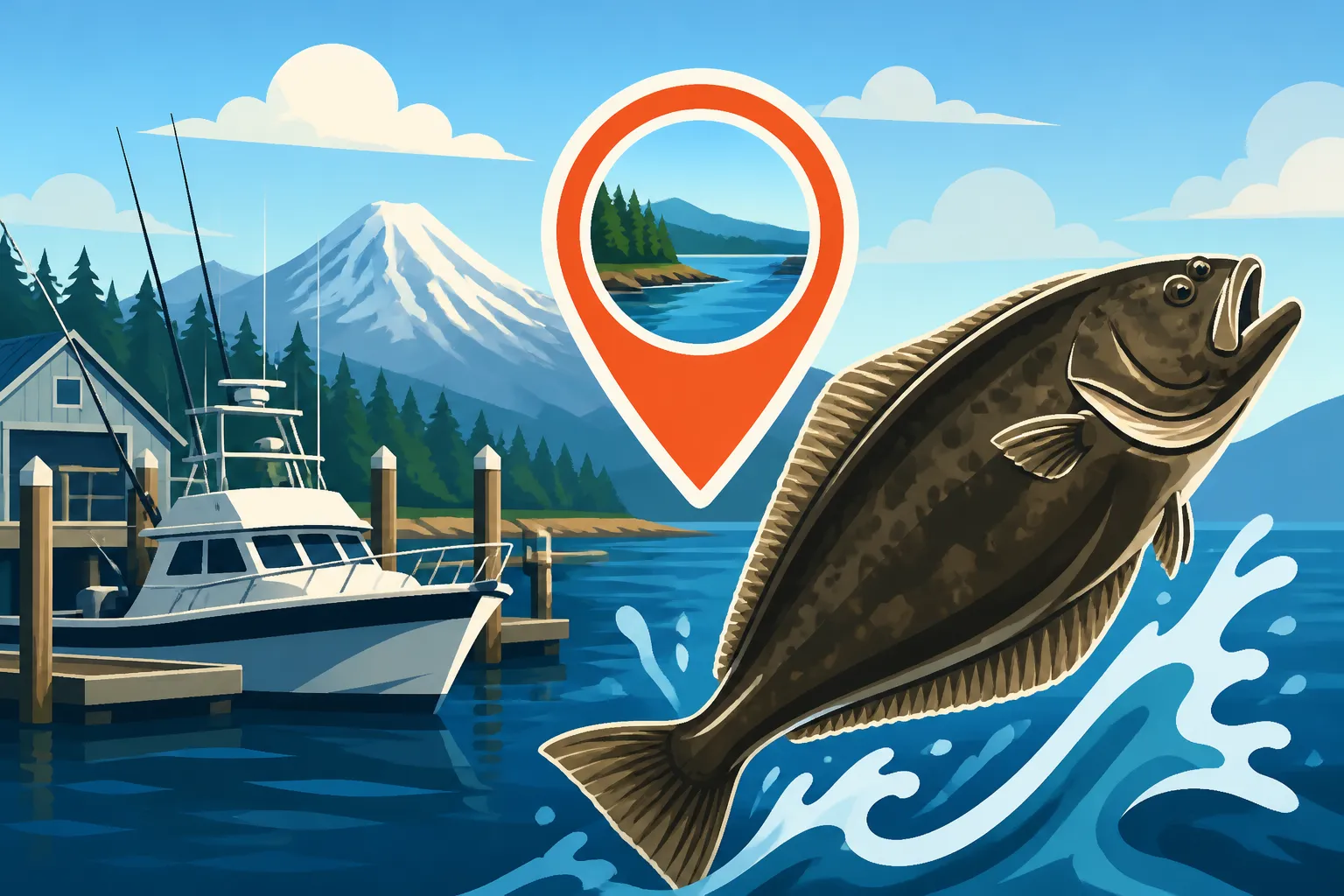
Trying to nail down the perfect port for your Washington halibut charter can feel a bit overwhelming, especially with so many beautiful coastal towns each boasting their own appeal. Many anglers, myself included, have stood scratching their heads, wondering if Westport is truly the best bet, or if a more remote spot like Neah Bay offers a better chance at that trophy flatfish. This guide is here to cut through the confusion, helping you understand the unique advantages of Washington's top halibut charter ports so you can make an informed decision for your next big fishing adventure.
Understanding Washington's Halibut Fishery
Halibut fishing in Washington is more than just dropping a line; it's an experience built on anticipation, strategy, and often, a dash of friendly competition. These aren't your everyday lake trout; Pacific Halibut are true giants of the deep, powerful fish that demand respect and specialized gear. The sheer size and fighting spirit of a halibut make it one of the most sought-after catches in our state, creating a unique draw for anglers from all over.
What makes halibut fishing particularly special, and sometimes a bit frustrating, is the highly regulated season. Unlike some other fisheries that might stretch for months, Washington's halibut season is typically quite short, often measured in days rather than weeks, and those days can be spread out over a few months. This limited window means that planning is absolutely crucial. You can't just wake up one Saturday in July and decide to go; you need to be dialed in on the regulations, the specific open days, and have a charter booked well in advance. It's a sprint, not a marathon, and being prepared is half the battle.
The success of a halibut charter hinges on a few key elements: proximity to prime halibut grounds, the experience of the captain and crew, and the quality of the boat and tackle. Halibut typically inhabit deeper, colder waters over specific bottom structures, often miles offshore. A port that minimizes travel time to these productive areas can maximize your fishing time, which is invaluable on those precious open days. Furthermore, a skilled captain who knows the local currents, tides, and bottom contours can make all the difference between a memorable catch and a long boat ride. Understanding these foundational aspects will help you appreciate why certain ports shine brighter for halibut seekers.
Key Halibut Charter Ports in Washington
When it comes to booking a halibut charter in Washington, a few key ports consistently rise to the top of every angler's list. Each offers a slightly different experience, catering to various preferences regarding accessibility, fleet size, and overall fishing vibe. Let's dive into the specifics of Westport, Ilwaco, and the remote wonders of Neah Bay and Sekiu.
Westport: The Accessible Giant
Westport is arguably Washington's most famous charter fishing hub, and for good reason. Located on the state's central coast, it's relatively easy to access for most residents, particularly those coming from the Puget Sound region. This accessibility, combined with a large and well-established fleet of charter boats, makes Westport a natural first choice for many, especially those new to offshore fishing or looking for a more "turnkey" experience.
The port of Westport is a bustling hub, especially on a halibut opener. You'll find everything you need here, from tackle shops and fish processing services to restaurants and lodging. The sheer number of charter boats operating out of Westport means you often have more options for boat sizes, departure times, and pricing. While this can sometimes lead to more crowded fishing grounds, it also fosters a competitive environment among charters, often resulting in high-quality service. If you're looking for a vibrant atmosphere and a proven track record, Westport is hard to beat. You can learn more about specific charters in the area by looking into Westport, Washington Halibut and Tuna Charters.
Many charters out of Westport also offer combination trips or have seasons that overlap with other prized species like Albacore tuna. So, if your halibut trip is successful early in the day, or if you're visiting later in the summer, you might have the opportunity to target other fish. This versatility adds another layer of appeal for anglers who want to maximize their time on the water. It’s a great choice for families, groups of friends, or anyone who appreciates the convenience of a well-developed fishing infrastructure.
Ilwaco: Columbia River Mouth Access
Down near the mouth of the mighty Columbia River, where it spills into the Pacific Ocean, lies Ilwaco. This port offers a slightly different flavor of halibut fishing, often appealing to those who appreciate its proximity to the Columbia River fishery and its unique marine environment. Ilwaco charters primarily fish the offshore waters directly west of the Columbia Bar, an area renowned for its rich marine life.
What sets Ilwaco apart is its geographical location. While you're heading out into the Pacific for halibut, you're also at the doorstep of the world-famous Columbia River salmon runs. This means many Ilwaco charters specialize in both, offering a diverse array of trips throughout the year. For anglers who might want to combine a salmon trip with a halibut outing, or who are simply exploring different parts of Washington's coast, Ilwaco provides an excellent base.
Navigating the Columbia River Bar is a task for experienced captains, and the charter fleet in Ilwaco is well-versed in these waters. The ocean conditions here can be dynamic, but the rewards can be substantial. While the fleet might not be as overwhelmingly large as Westport's, Ilwaco offers a solid selection of professional and knowledgeable guides. If you're intrigued by the confluence of river and ocean fishing, and appreciate a slightly less frenetic pace than Westport, Ilwaco merits strong consideration.
Neah Bay and Sekiu: The Remote Adventures
For the adventurous angler seeking a truly wild and often less crowded experience, the ports of Neah Bay and Sekiu, located on the far northwestern tip of the Olympic Peninsula, are legendary. These remote towns are the closest points to some of Washington's most productive and pristine offshore fishing grounds, particularly for halibut. The journey to get there is longer, but the rewards can be immense.
Neah Bay, situated within the Makah Indian Reservation, offers direct access to the outer coast and the deeper, nutrient-rich waters of the Pacific. It's often considered the gateway to some of the biggest halibut on offer. The charters here tend to be smaller, more specialized operations, often run by captains with generations of local knowledge. This remote location means fewer boats on the water, potentially leading to a more intimate and productive fishing experience. However, its remoteness also means fewer amenities and a longer drive, making it less ideal for a casual day trip. Planning for an overnight stay is almost a given here.
Sekiu, while still remote, is slightly less "frontier-like" than Neah Bay and serves as a popular base for fishing both the Strait of Juan de Fuca and the nearby ocean. It offers a balance between the extreme remoteness of Neah Bay and the bustling nature of the southern ports. Charters out of Sekiu can target halibut in the Strait's deeper waters, or venture out to the open Pacific, depending on conditions and regulations. The fishing here is fantastic, and the scenery of the Olympic Peninsula is simply breathtaking. If you're willing to make the drive and embrace the wilder side of Washington fishing, Neah Bay and Sekiu can offer an unforgettable halibut adventure.
Factors to Consider When Choosing a Halibut Port
Selecting the "best" port for your halibut charter isn't a one-size-fits-all answer. What's perfect for one angler might not be ideal for another. It really boils down to your personal priorities, how far you're willing to travel, and the kind of experience you're hoping to have. Let's break down the key factors you should think about before making your choice.
Proximity and Travel Time
For many, the logistical challenge of getting to the port is a major consideration. If you're driving from Seattle, for example, Westport or Ilwaco might be a more manageable drive for a day trip or a short weekend, even though it's still a significant haul. These ports are generally more accessible via major highways, making the journey less arduous. The drive to Neah Bay or Sekiu, however, is considerably longer and often involves winding, scenic roads that can add considerable time to your travel plan.
Think about how much driving you're willing to do versus how much time you want to spend on the water. A shorter drive means more rest before an early morning departure, which can be a huge plus when you're anticipating a long day of battling big fish. On the other hand, a longer drive to a more remote port might be a small price to pay for what you perceive as a higher quality, less crowded fishing experience. Balancing travel fatigue with fishing opportunity is key.
Consider also that once you reach the port, the distance offshore to the fishing grounds varies. While Neah Bay is physically closer to some prime halibut habitat, strong currents and weather can still mean a decent boat ride. Always ask your potential charter captain about typical run times to their preferred halibut spots from their specific port, as this can add to the overall time spent on the water.
Boat Size and Charter Experience
The size of the charter boat and the overall experience provided by the captain and crew can significantly impact your halibut trip. Larger "party boats" or head boats, more common in Westport, can accommodate more anglers and often offer a more social, bustling atmosphere. They are typically very stable in ocean swells, which can be a relief for those prone to seasickness. However, you'll be sharing the deck and the fishing spots with many others.
Smaller, "six-pack" charters, found in all ports but more prevalent in the more specialized operations of Neah Bay or Ilwaco, offer a more intimate and personalized experience. With fewer anglers, you get more one-on-one attention from the crew, more space to fish, and often a more flexible itinerary. These boats can sometimes be more nimble, allowing access to specific spots that larger vessels might skip. However, they can also be more susceptible to rougher conditions. When looking for a charter, you can use platforms like FishingBooker to compare boat sizes, amenities, and read reviews about the crew's expertise. How to Book a Fishing Charter in Washington offers more detailed advice on this.
Beyond the boat itself, the expertise of the captain is paramount for halibut. Look for captains with extensive experience in halibut fishing specifically, not just general salmon or bottomfishing. A seasoned captain will understand the subtle nuances of halibut behavior, be adept at reading sonar, and know how to safely navigate the offshore waters. Don't hesitate to ask about their experience, their approach to finding fish, and their safety protocols before booking.
Other Species and Time of Year
While halibut is the primary target, it's worth considering what other species might be available or in season during your trip. Sometimes, the halibut season might coincide with excellent opportunities for salmon, lingcod, or even tuna. If you're flexible and enjoy targeting multiple species, choosing a port that offers these options could enhance your overall trip.
For instance, Westport is not only known for halibut but also for its strong salmon fisheries and its excellent tuna opportunities later in the summer. Booking a Charter for Albacore Tuna is a good read if you're interested in that. Ilwaco, being at the mouth of the Columbia, naturally lends itself to combining a halibut trip with a salmon focus. Neah Bay and Sekiu also have excellent salmon and lingcod fishing alongside their halibut renown.
The timing of your trip within the limited halibut season can also influence your choice. Early season openers might have different conditions or fish concentrations than later dates. By understanding the general fishing seasons for various species in Washington, you can better align your halibut trip with other potential angling interests, making your coastal adventure even more diverse and rewarding. Reviewing Washington Fishing Seasons: A Month-by-Month Guide can help with this planning.
Booking Your Halibut Charter
Once you've settled on a port that aligns with your preferences, the next crucial step is securing your spot on a halibut charter. This isn't a fishery where you can procrastinate, as the demand far outstrips the supply during the short open periods. A little proactive planning goes a long way in ensuring you get on the water.
When to Book and What to Expect
The golden rule for halibut charters in Washington is simple: book early. As soon as the Washington Department of Fish and Wildlife (WDFW) announces the tentative halibut season dates, charters start filling up at an astonishing pace. For popular ports like Westport and Ilwaco, it's not uncommon for prime dates to be fully booked months in advance. For the more remote spots like Neah Bay, while the demand might feel less frantic, booking ahead is still highly advisable due to fewer available boats.
What should you expect when booking? First, be prepared for an early start. Halibut trips often depart well before dawn to maximize fishing time and get to the grounds ahead of other boats. Second, understand that halibut fishing can be physically demanding. You'll be dropping heavy weights to considerable depths and reeling in potentially large fish. Make sure you're physically up to the task. Finally, be flexible with your dates if possible. If your first choice is booked, having a few backup dates can increase your chances of getting on a boat. Websites like FishingBooker are excellent resources for checking availability and securing your reservation directly. You'll find that many reputable captains list their open dates there, making it easier to compare and book your trip.
It's also important to familiarize yourself with the charter's Cancellation Policies for Washington Charters, especially concerning weather. Ocean fishing is inherently weather-dependent, and safety is always paramount. Charters will cancel if conditions are unsafe, so know their policy regarding rescheduling or refunds in such instances.
Essential Gear and Preparation
While most reputable halibut charters will provide all the necessary fishing gear—rods, reels, tackle, and bait—it's always a good idea to confirm this when booking. You don't want to show up on the dock only to realize you needed to bring your own specialized heavy-duty setup. Some anglers prefer to bring their own favorite rod and reel, which is often fine, but check with the captain first.
Beyond the fishing equipment, your personal preparation is key. Dress in layers, as offshore weather can change rapidly. Waterproof outer layers are almost always a must, even on a sunny day, due to ocean spray. Bring plenty of food and water, and don't forget motion sickness medication if you're at all prone to seasickness – Is Seasickness Common on Washington Ocean Charters? provides helpful tips. Sunglasses, sunscreen, and a hat are also highly recommended. A cooler to transport your fillets home is a good idea, as most charters will clean and fillet your catch for you right on the boat or back at the dock. You can also review What to Bring on a Washington Fishing Charter for a more comprehensive checklist.
Finally, ensure you have your valid Washington fishing license and any required endorsements, such as the Columbia River Salmon and Steelhead Endorsement if fishing in that area, before you step onto the boat. While charter companies will verify this, it is ultimately your responsibility. You can often purchase licenses online through the WDFW website or at local sporting goods stores. Being prepared ensures a smooth, enjoyable, and successful halibut fishing adventure!
Disclaimer
This article is for general informational purposes only and does not constitute professional advice. Laws, prices and regulations vary by location and change over time. Consult a qualified professional for guidance on your specific situation.