Fines and Penalties for Common Fishing Violations
It's an unfortunate truth that even the most well-meaning angler can find themselves on the wrong side of the law, sometimes without even realizing it. The sheer volume and complexity of Washington's fishing regulations can feel overwhelming, leading to genuine anxiety about accidentally breaking a rule and facing a hefty fine. This comprehensive guide is here to demystify the fines and penalties associated with common fishing violations, helping you understand the consequences and, more importantly, how to avoid them.
The Washington Department of Fish and Wildlife's Enforcement Role
Before we dive into the nitty-gritty of fines, it's really important to understand why these rules and the enforcement behind them exist in the first place. The Washington Department of Fish and Wildlife (WDFW) isn't just out there trying to catch people in the act; their primary mission is far broader and more vital to our shared passion for fishing.
Why Rules Exist: Conservation and Fair Play
At its core, WDFW's mandate is about managing and protecting Washington's diverse fish and wildlife resources for current and future generations. Think about it: without limits on how many salmon we can keep, or restrictions on certain gear types, our precious fish populations could be decimated remarkably quickly. These rules are the backbone of sustainable fishing. They ensure that there are enough fish in the rivers and oceans for everyone to enjoy, year after year. Every time a regulation is set – whether it's a daily limit for Chinook in Puget Sound or a barbless hook requirement on a sensitive steelhead river – it's typically based on extensive scientific research, population surveys, and habitat assessments. It's not arbitrary; it's about protecting the resource.
Beyond conservation, these regulations also ensure fair play. Imagine if one angler could use five rods while another only used one, or if someone could keep every fish they hooked without regard for size or species. It would quickly become an unfair advantage, and the spirit of responsible angling would diminish. The rules try to level the playing field, giving all licensed anglers a reasonably equal opportunity to catch fish within sustainable limits. When someone breaks these rules, they're not just risking a fine; they're undermining the collective effort to preserve our fisheries and disrespecting the equitable access that these regulations are designed to provide for everyone who holds a license.
How Enforcement Works: From Patrols to Citations
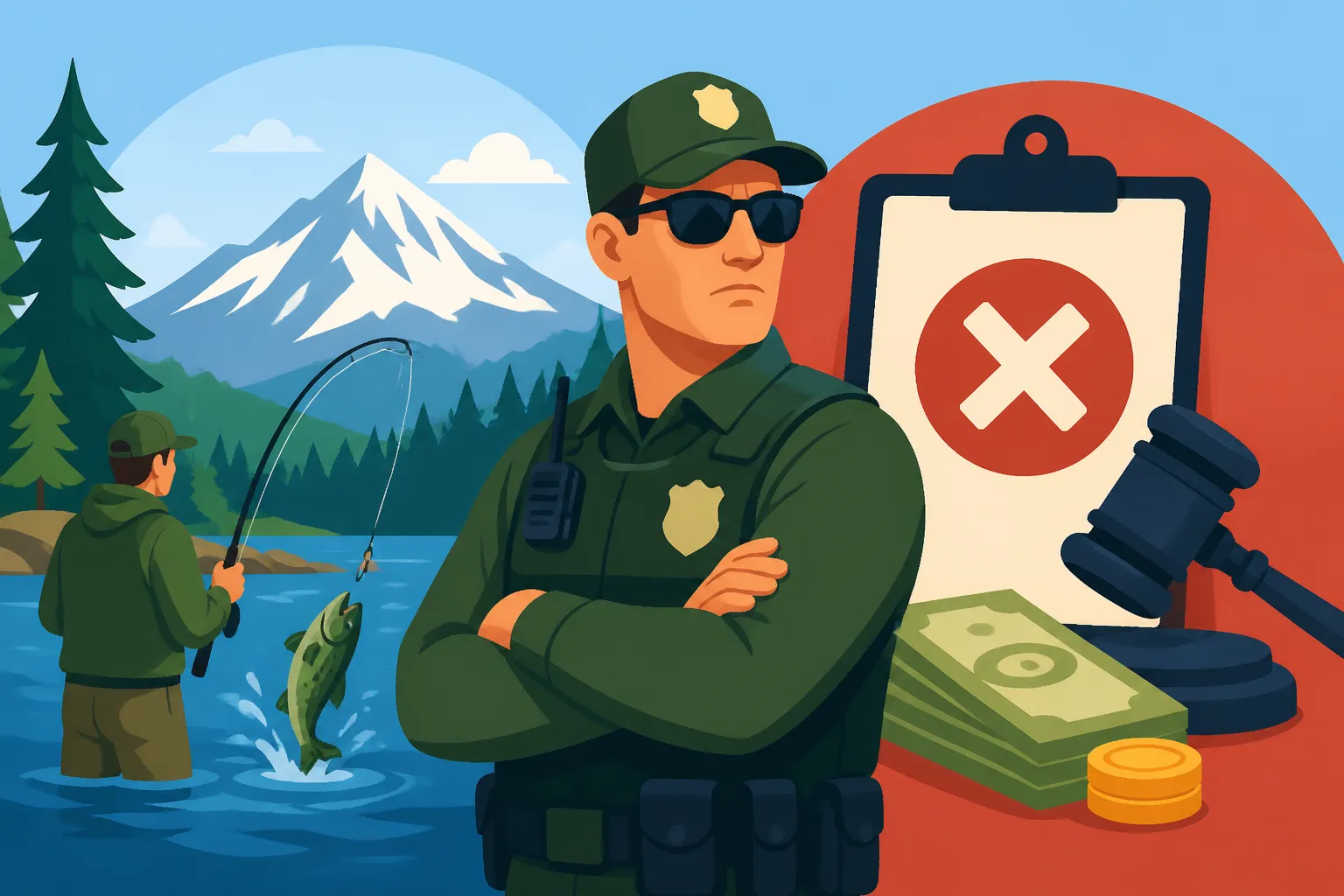
So, how does the WDFW actually enforce these rules out in the real world? It's often through the dedicated efforts of Fish and Wildlife officers who are out on patrol, much like any other law enforcement agency. You'll see them everywhere from remote stretches of the Olympic Peninsula rivers to the bustling docks of Westport, and even out on Puget Sound in patrol boats. They conduct routine checks, which might involve pulling alongside a fishing boat to ask for licenses and inspect catch, or walking the banks of popular rivers like the Cowlitz to ensure anglers are following regulations.
These officers are trained to identify different fish species, measure fish accurately, and understand the nuances of the regulations, including those tricky emergency rule changes that can pop up mid-season. They're looking for common infractions like expired licenses, over-limits, illegal gear, or fishing in closed areas. Sometimes, these checks are proactive, such as setting up a check station on a major highway during a busy salmon run. Other times, they might be responding to tips from the public. If an officer finds a violation, they'll typically issue a citation, which is essentially a legal document outlining the alleged offense and the required response, whether that's paying a fine or appearing in court. It's their job to uphold the rules that protect our shared fishing future.
Common Washington Fishing Violations and Their Penalties
Let's get down to some of the most frequent types of fishing violations that anglers in Washington encounter and what kind of penalties you might be looking at if you're cited. It's a tough lesson to learn, but understanding these can save you a lot of grief.
Fishing Without a Valid License or Endorsement
This is probably one of the most common, and often, easily avoidable violations. You simply cannot fish in Washington State without a valid fishing license, whether you're a resident or a nonresident. This isn't just a suggestion; it's a legal requirement that funds a huge portion of the WDFW's conservation efforts. Forgetting your license at home, having an expired one, or simply never bothering to buy one are all considered violations. And it's not just the basic license; many specific fisheries require additional endorsements. For example, if you're targeting salmon or steelhead in the Columbia River or its tributaries, you'll need the Washington's Columbia River Salmon and Steelhead Endorsement, Explained. Likewise, if you want to fish with two poles, you'll need Washington's Two-Pole Endorsement and Who Needs One.
The penalty for fishing without a license or the proper endorsement is typically a monetary fine, often in the range of several hundred dollars, depending on the specific circumstances and if there are other accompanying violations. While it might seem like a minor oversight, officers take it seriously because it directly impacts the funding for resource management. Beyond the immediate fine, repeat offenses can lead to more severe consequences, including the suspension of your fishing privileges, which we'll discuss in more detail later. Always, always make sure you have your current license on you, either a physical copy or via the MyWDFW App, before you even cast a line.
Exceeding Daily or Possession Limits
This violation occurs when an angler keeps more fish than legally allowed, either in a single day (daily limit) or at home in their freezer (possession limit). The rules here are quite specific and vary wildly by species, body of water, and even time of year. For instance, the Daily Limit for Chinook in Puget Sound might be one fish, while for trout in a stocked lake, it could be five. It's crucial to understand the difference between How Bag and Possession Limits Work in Washington. A daily limit means how many you can catch and retain in a 24-hour period. A possession limit, on the other hand, is the total number of fish you can have in your possession, including those at home, in your cooler, or in your vehicle. For many species, the possession limit is simply two daily limits, but not always.
Exceeding these limits is a serious offense, as it directly impacts the conservation goals for that particular fish stock. The penalties can be significant, often involving a base fine for the violation itself, plus an additional fine per fish over the limit. For valuable species like salmon or steelhead, these per-fish fines can quickly add up to substantial amounts, sometimes several hundred dollars per illegally retained fish. For example, keeping two Chinook when the limit is one could easily result in a fine of $500 or more, plus the loss of the illegally caught fish. Officers are meticulous about counting and identifying fish during checks, and they won't hesitate to issue a citation if you're over the limit. It's a stark reminder that every fish you decide to keep must be legal.
Using Illegal Gear or Unlawful Methods
Washington fishing regulations are very particular about the type of gear and methods allowed in certain fisheries, and deviating from these can lead to significant penalties. These rules are in place for various reasons, including promoting selective fishing practices, reducing harm to fish that are to be released, and preventing unethical or unsustainable harvesting. For example, many rivers have Barbless Hook Requirements on Washington Rivers, especially for steelhead, to increase the survival rate of wild fish that are caught and released. Using a barbed hook in such an area is a clear violation. Similarly, methods like Snagging and Foul-Hooking: What's Illegal in Washington are strictly prohibited because they are considered unethical and often result in wasted fish or damage to non-target species.
Other examples of illegal gear or methods include:
- Bait Bans: Certain rivers or seasons prohibit the use of bait to protect sensitive species, typically wild steelhead or salmon.
- Treble Hooks: While legal in some situations, many salmon and steelhead fisheries restrict hook types to single-point barbless hooks.
- Excessive Rods: Using more rods than allowed by your license (e.g., more than two poles without a two-pole endorsement) is a violation.
Penalties for illegal gear or methods can range from a few hundred dollars for minor infractions like a barbed hook in a barbless-only zone, to much higher fines and potential confiscation of gear (including rods, reels, and even boats for egregious offenses) for more serious violations like snagging. These regulations are often highlighted in the annual Washington Sport Fishing Regulations Pamphlet, which is your best friend when planning a trip. Always double-check the specific rules for the area you're fishing.
Fishing in a Closed Area or Season
This is another serious violation that carries significant penalties because it directly undermines conservation efforts to protect spawning fish or recovering populations. Washington's waters are dynamic, and seasons and areas can open and close with little notice, sometimes through Emergency Rule Changes: Why Washington's Rules Shift Mid-Season. This means that a river or marine area that was open last week for salmon might be closed today due to low returns or other conservation concerns. Fishing in an area or during a season that is closed for a specific species is illegal.
Imagine planning a weekend trip to the Skagit River for steelhead, only to find out an emergency closure was issued just two days before. If you proceed to fish for steelhead, even if you release them, you could face a citation for fishing in a closed area. The consequences for this type of violation are often substantial, including fines that can easily run into the hundreds or even thousands of dollars, especially if you retain fish from a closed fishery. There's also a high likelihood of having any illegally caught fish confiscated. It's absolutely critical to check the WDFW website, or use the Fish Washington app, for the very latest regulations and emergency updates before every single fishing trip. This diligence can save you from a very costly mistake.
Understanding the Monetary Fines and Court Process
When a Fish and Wildlife officer issues you a citation, it's more than just a piece of paper; it's a legal document that sets in motion a process that can involve fines, court appearances, and other significant repercussions. It’s not like getting a parking ticket sometimes; these can be quite serious.
The Range of Fines: From Infractions to Misdemeanors
The monetary penalties for fishing violations in Washington can vary widely, largely depending on the severity of the offense. Most common violations start as an "infraction," which is akin to a traffic ticket. These typically involve a set fine that you can pay without necessarily appearing in court. For example, a first-time offense for fishing without a license might be in the range of $200-$500. A minor gear infraction, like a barbed hook in a barbless-only section, could be similar.
However, many fishing violations, especially those involving exceeding bag limits, fishing in closed areas, or repeat offenses, can be classified as "misdemeanors." This is a much more serious legal category, carrying higher fines, potential court costs, and even the possibility of jail time for severe cases. For instance, being significantly over your daily limit for salmon, or actively engaging in illegal activities like snagging, could be charged as a misdemeanor. These cases usually require a mandatory court appearance. The fine structure for over-limit violations often includes a base fine for the violation itself, plus an escalating penalty for each additional fish. This "per fish" penalty can quickly turn a single oversight into a financially devastating citation. For example, keeping five steelhead when the limit is one could result in a base fine of several hundred dollars, plus a few hundred dollars per steelhead, easily pushing the total into the thousands.
To give you a clearer picture, here’s a general overview of common violations and their potential fine ranges. Keep in mind these are estimates and can vary based on county, judge, and specific circumstances.
| Violation Type | Typical Classification | Estimated Fine Range (First Offense) | Additional Penalties (Common) |
|---|---|---|---|
| Fishing Without Valid License | Infraction | $200 – $500 | Court costs |
| No Columbia River Endorsement | Infraction | $150 – $300 | Court costs |
| Exceeding Daily Bag Limit (minor) | Infraction | $300 – $800 + $50-$200 per extra fish | Confiscation of illegal catch, court costs |
| Exceeding Daily Bag Limit (major) | Misdemeanor | $500 – $2,000 + $200-$500 per extra fish | Confiscation, court costs, potential license suspension, jail time |
| Using Illegal Gear (e.g., barbed hook) | Infraction | $150 – $400 | Court costs |
| Fishing in Closed Area/Season | Misdemeanor | $500 – $2,000 | Confiscation, court costs, license suspension, potential jail time |
| Snagging/Foul-Hooking | Misdemeanor | $750 – $2,500 | Confiscation of gear & catch, license suspension, potential jail time |
| Failure to Fill Out Catch Card | Infraction | $100 – $300 | Court costs |
It's a serious business, and sometimes a quick check on the WDFW website or a quick question at a local tackle shop could save you thousands.
Court Appearances and Escalated Penalties
For minor infractions, you often have the option to simply pay the fine by the due date. This avoids a court appearance, but the violation still goes on your record with WDFW and the courts. However, for more serious violations, particularly those classified as misdemeanors, a court appearance is typically mandatory. This means you'll receive a summons to appear before a judge in the appropriate District or Superior Court. This is where things can become much more involved and intimidating.
In court, you'll have the opportunity to plead guilty, not guilty, or no contest. If you plead not guilty, you'll go through a judicial process, potentially involving a prosecutor, presentation of evidence by the WDFW officer, and even a trial. If found guilty, or if you plead guilty, the judge will determine your sentence. This can include:
- Higher fines: Judges often have discretion to impose fines higher than the standard infraction amount, especially if there are aggravating circumstances or a history of violations.
- Court costs and fees: These are additional charges on top of the fine, covering administrative and legal expenses.
- Probation: You might be placed on probation for a period, requiring you to adhere to certain conditions, such as not fishing in specific areas or reporting to an officer.
- Community service: Instead of or in addition to fines, judges might order community service hours.
- Jail time: For extremely serious or repeat misdemeanor offenses, particularly those involving blatant disregard for conservation or commercial poaching, judges can impose jail sentences. While rare for a single, accidental recreational violation, it's a very real possibility for severe cases.
Beyond these immediate penalties, a conviction, especially for a misdemeanor, can have long-term consequences that extend beyond the fishing world. It can show up on background checks, potentially impacting employment or other aspects of your life. This is why it's so important to take these citations seriously and understand the full ramifications.
Beyond the Fine: License Suspensions and Other Consequences
While the immediate financial hit of a fine can be painful, there are other, often more impactful, consequences that can result from fishing violations in Washington. These can affect your ability to fish in the future and even what gear you get to keep.
How Violations Affect Your Fishing Privileges
One of the most significant long-term consequences of fishing violations in Washington is the potential for license suspension or even revocation. The WDFW maintains a record of all your violations, and these are not just forgotten once you pay a fine. Many states, including Washington, operate under a "points" system or a tiered system where certain violations or a pattern of infractions can lead to the loss of your fishing privileges.
A single, minor infraction might not immediately result in a suspension, but it certainly puts you on the WDFW's radar. Accumulate a few more, or commit a serious misdemeanor, and you could find yourself without a valid fishing license for months or even years. Imagine planning a trip to the Olympic Peninsula Rivers for steelhead, only to discover your license has been suspended due to a prior violation for an over-limit of salmon on the Columbia River. It's a devastating blow to a passionate angler. The process typically involves WDFW sending you a notice of proposed suspension, giving you an opportunity to appeal or request a hearing. However, once the decision is made, you cannot legally fish in Washington waters for the duration of your suspension. This is clearly outlined in topics like Can You Lose Your License for a Violation in Washington?, and it's a very real threat that can often hurt more than the initial fine.
Seizure of Gear and Confiscation of Catch
When you're cited for a fishing violation, Fish and Wildlife officers have the authority to confiscate any illegally caught fish and, in many cases, seize the gear used to commit the offense. This means that prize-winning salmon you just landed could be taken away, even if it's the only illegal fish you have. This isn't just about punishment; it's about removing the illegally obtained resource from the individual and often donating it to food banks or other charitable organizations. It ensures that the fish does not enter the illegal market and doesn't become a trophy from a violation.
Even more impactful for many anglers is the potential for gear seizure. If you're caught using illegal methods, fishing in a closed area, or committing other serious violations, the officer can seize your rods, reels, nets, and sometimes even your boat or vehicle, if it was directly used in the commission of the crime. While some seized gear might be returned after a court process, especially if charges are dropped or reduced, in many cases, especially for repeat or serious offenders, the gear can be forfeited to the state. Losing your favorite custom-built steelhead rod, or a high-end trolling setup, because of a preventable violation is a harsh reality. It underscores that enforcement isn't just about financial penalties; it's about making sure that the tools used for illegal activity are removed.
Interstate Impact: When Violations Follow You
For those who travel to fish, or who are nonresidents fishing in Washington, it's vital to understand that a violation here can follow you home. Washington is a member of the Interstate Wildlife Violator Compact. This agreement is a formal recognition among member states that if you lose your fishing, hunting, or trapping privileges in one state, you can lose them in all other member states. As of early 2024, the Compact includes 48 states, meaning a violation in Washington could essentially suspend your fishing and hunting licenses across almost the entire country.
This is particularly relevant for out-of-state anglers. If you're a resident of Oregon, for instance, and you get a serious over-limit citation for salmon on the Columbia River in Washington, your Washington fishing license might be suspended. Thanks to the Compact, that suspension could then be recognized and enforced by Oregon, meaning you couldn't fish in your home state either. It's a powerful tool for discouraging repeat offenses and ensuring that individuals cannot simply go to another state to avoid the consequences of their actions. This compact highlights the seriousness of wildlife violations and reinforces the idea that respectful participation in recreational fishing is a shared responsibility across state lines. How Nonresident Rules Differ From Resident Rules also touches on the unique considerations for out-of-state anglers.
Avoiding Violations: Best Practices for Responsible Anglers
The best defense against fines and penalties is, of course, to avoid violations altogether. This might sound obvious, but with Washington's complex and ever-changing regulations, it requires a proactive approach from every angler.
Always Check Current Regulations
This cannot be stressed enough: regulations change. They change by the season, by the month, and sometimes, with just a few hours' notice due to Emergency Rule Changes: Why Washington's Rules Shift Mid-Season. What was open last year, or even last week, might be closed today. Relying on old information, or "what your buddy told you," is a recipe for a citation. The WDFW website (wdfw.wa.gov) is your absolute best source for the most up-to-date information, including emergency rules. They also publish an annual physical pamphlet, which is a great starting point, but always supplement it with online checks for real-time updates.
Before every single fishing trip, especially if you're venturing to a new body of water or targeting a different species, take a few minutes to:
- Visit the WDFW website: Look up the specific marine area or river section you plan to fish.
- Check the "Emergency Rules" page: This page is your first stop for sudden closures or regulation shifts.
- Use the Fish Washington app: This free mobile application from WDFW is incredibly useful. It provides real-time regulations based on your location and allows you to look up rules for specific areas, making it easier than ever to stay informed right there on the water.
This habit of checking current regulations is the single most important step you can take to ensure a legal and enjoyable fishing experience. Make it part of your routine, just like packing your gear or checking the weather. Even seasoned anglers frequently consult these resources; they know it's a vital part of responsible fishing. When in doubt, call your local WDFW office for clarification.
Understanding Your License and Endorsements
Just having "a" fishing license isn't enough; you need the right fishing license for where and what you're fishing. Washington offers a variety of licenses: freshwater, saltwater, combination, and various short-term options. For example, if you plan to fish both Puget Sound for salmon and a trout lake in Eastern Washington, a Washington Combination License Cost is likely your best bet. If you're only focused on one, a Freshwater vs Saltwater vs Combination Licenses in Washington guide can help you choose. Nonresidents also have specific licenses, and a Washington Fishing License Guide for Nonresidents is essential reading for out-of-state anglers.
Beyond the base license, many fisheries require specific endorsements. We've already mentioned the Columbia River Salmon and Steelhead Endorsement, Explained, which is critical for that iconic fishery. Another common one is the Two-Pole Endorsement in Washington, Explained, which allows you to fish with two lines where permitted. If you're a child, you might wonder Do Kids Need a Fishing License in Washington? (generally yes, for those 15 and older). For seniors, Do Seniors Need a License to Fish in Washington? is a common question (often free for residents 70+).
Take the time to understand exactly what your license covers and what endorsements you need for your target species and location. When you purchase your license, whether online or at a retailer, ensure all the necessary boxes are checked. It's much easier to buy the correct license upfront than to deal with the fines and hassle of a violation later. Keep your license readily accessible, whether it's a printed copy in a waterproof holder or digitally on your phone using the MyWDFW App.
When in Doubt, Release It or Ask
Sometimes, despite all your preparation, you might find yourself in a situation where you're unsure about the legality of a fish you've caught. Maybe it's a species you don't frequently encounter, or you're on the cusp of the size limit, or you're just not certain about the current daily limit. In these moments, the best advice is always to err on the side of caution: release the fish. It's far better to let a legal fish go than to keep an illegal one and risk a significant fine, license suspension, and the ethical stain of a violation.
Keep a WDFW fish identification guide handy (many are available for purchase on platforms like Amazon, or you can find printable versions online) and carry a reliable measuring device. If you're fishing with others, consult with experienced anglers. If you're still truly unsure, consider reaching out to WDFW directly for clarification. While you can't always get an immediate answer on the water, understanding the nuances before you go can prevent difficult decisions. Responsible anglers prioritize the resource and their good standing over a single fish.
What to Do If You Receive a Citation
Receiving a fishing citation can be a stressful and confusing experience. Your mind might race with questions about what happens next, how much it will cost, and if your fishing days are over. Taking the right steps immediately after receiving a ticket and understanding your options is crucial.
Responding to a Citation: Options and Deadlines
If a Fish and Wildlife officer issues you a citation, the first and most important thing is to remain calm and be respectful. Arguing with the officer at the scene is almost always counterproductive and can potentially escalate the situation or even lead to additional charges. Politely accept the citation and ask any clarifying questions you might have about the alleged violation or the next steps.
Once you have the citation in hand, carefully read all the information on it. It will clearly state:
- The specific violation(s) you are accused of.
- The court or agency responsible for processing the citation.
- Your options for response (e.g., pay the fine, appear in court, contest the citation).
- The deadline for your response.
You generally have a few options:
- Pay the Fine: For minor infractions, you can often pay the fine by mail, online, or in person by the specified deadline. This resolves the citation, but it means you're admitting guilt and the violation will go on your record.
- Contest the Citation (Plead Not Guilty): If you believe you were unjustly cited, or that the officer made a mistake, you have the right to contest the citation. This will require a court appearance and potentially a hearing or trial. You'll need to gather any evidence you have (photos, witness statements, detailed notes) to support your case.
- Mitigate the Violation: In some cases, for minor infractions, you might be able to request a mitigation hearing, where you admit the violation but explain circumstances that might lead the judge to reduce the fine.
Whatever you decide, do not ignore the citation. Ignoring it will likely result in additional penalties, including increased fines, suspension of your driving privileges (if a court warrant is issued), and a warrant for your arrest. Mark the response deadline clearly on your calendar and act within that timeframe.
Seeking Legal Advice
For minor infractions with relatively small fines, many anglers choose to simply pay the fine and move on. However, if you've received a citation for a serious violation, such as a misdemeanor, one that involves significant financial penalties, or if you're facing the possibility of license suspension, it is highly advisable to seek legal advice. An attorney specializing in wildlife or environmental law can be an invaluable asset.
Here's why legal counsel can be beneficial:
- Understanding the Law: The legal system is complex. An attorney can explain the specific laws you're accused of breaking, the potential penalties, and the nuances of the court process.
- Navigating the Court System: They can guide you through plea options, court appearances, and potential hearings, ensuring you meet all deadlines and present your case effectively.
- Negotiation: An attorney might be able to negotiate with the prosecuting attorney to reduce charges, lower fines, or explore alternatives to a full trial.
- Protecting Your Rights: They can ensure your rights are protected throughout the process and challenge any procedural errors or questionable evidence.
- Minimizing Long-Term Impact: For violations that could lead to license suspension or a criminal record, an attorney can help strategize to minimize these severe long-term consequences.
While hiring an attorney adds to the cost, the potential savings in fines, avoided license suspensions, and protection of your legal record can often make it a worthwhile investment, especially for more serious or complicated cases. Don't hesitate to consult with a legal professional if you're unsure about the best way to handle a significant fishing citation.
Disclaimer
The information provided in this guide is for general informational purposes only and does not constitute legal advice. Fishing regulations in Washington State are subject to frequent changes, and the penalties described are estimates. It is always the responsibility of the individual angler to consult the official Washington Department of Fish and Wildlife regulations and, if necessary, seek legal counsel for specific situations.