How Nonresident Violations Are Handled Differently
Navigating the fishing regulations in a new state can feel like deciphering a secret code, and for nonresidents visiting Washington, the worry of inadvertently breaking a rule – and facing consequences that might differ from what a local experiences – is a very real source of anxiety. It’s a valid concern; while the core rules apply to everyone, how violations are handled can indeed have unique implications for those of us living outside the Evergreen State. This guide aims to clear up some of that confusion, explaining the nuances of how nonresident fishing violations are addressed in Washington and what you need to know to stay on the right side of the law.
The Foundation of Washington's Fishing Regulations
Let's start by laying a clear foundation: the vast majority of Washington's fishing rules are universal. They apply to every single angler, regardless of whether you call Spokane home or you're visiting from far across the country. However, where you reside does introduce some distinct considerations, primarily when it comes to licensing and, crucially, how violations might play out.
The Universal Nature of Fishing Laws
When you hit the water in Washington, whether it's the mighty Columbia River, a quiet Puget Sound bay, or a shimmering high-mountain lake, you're expected to abide by the same fundamental rules as everyone else. This means things like daily bag limits, species-specific seasons, gear restrictions (like barbless hooks or bait bans), and time-of-day fishing restrictions are applied equally. There's no special leniency for nonresidents who claim ignorance; the expectation is that every angler takes personal responsibility to understand the rules of engagement. It’s a lot to take in, especially with how frequently rules can change, but the Washington Department of Fish and Wildlife (WDFW) does a pretty good job of making this information accessible. For a comprehensive overview, you'll want to dive into the current year's Washington Sport Fishing Regulations Every Angler Should Know.
Imagine you're on a charter out of Westport, targeting halibut. The captain will guide you, but ultimately, it's your responsibility to know the daily limit and ensure your catch complies. If you accidentally keep one too many, the violation isn't excused because you're from out of state. The fish doesn't care where your driver's license was issued, and neither does the game warden.
Where Nonresident Status Comes into Play
The primary difference for nonresidents before any violation occurs is, of course, the licensing process itself. Nonresidents generally pay more for their fishing licenses, and there are specific requirements to prove residency if you're trying to qualify for a resident license. This distinction is outlined clearly in resources like Resident vs Nonresident Fishing Licenses in Washington. You’ll need to make sure you have the correct license for the water you're fishing – a freshwater, saltwater, or combination license – and any necessary endorsements, such as the Washington's Columbia River Salmon and Steelhead Endorsement, Explained. These documents are your passport to legal fishing, and lacking the right one is one of the most common, and easily preventable, violations.
Common Violations and Their General Penalties
Before we delve into the specifics for nonresidents, let's quickly review some of the most common fishing violations and the general penalties associated with them in Washington state. These apply to everyone, and they form the baseline for understanding how nonresident cases might escalate.
Fishing Without a Proper License or Endorsement
This is probably the most frequent infraction. Showing up to fish without a valid license, or with the wrong type of license for the waters you’re in, is a surefire way to get a citation. Penalties can include significant fines, often in the hundreds of dollars, and the potential confiscation of your fishing gear. For example, if you're targeting salmon in Puget Sound but only have a freshwater license, you're in violation. Washington offers various license options, including annual and short-term licenses, which are particularly popular among nonresidents visiting for a weekend or a week. You can explore these options in more detail by reading Washington's Annual, Short-Term and Combination License Options.
It’s not just about the basic license, either. Special endorsements, like the one needed for fishing salmon and steelhead in the Columbia River, are also critical. Forgetting an endorsement when it’s required is just as serious as not having the base license itself.
Exceeding Bag Limits or Fishing During Closed Seasons
These violations are often considered more serious than a simple license infraction because they directly impact fish conservation efforts. Catching more fish than the daily limit allows, keeping fish outside of a legal slot limit, or fishing for a species when its season is closed can lead to much heftier fines, potential impoundment of your vehicle or boat, and even jail time in severe or repeat cases. Understanding How Bag and Possession Limits Work in Washington is absolutely crucial.
Let’s say you're fishing for kokanee on Lake Chelan, and you mistakenly keep one over the legal limit. While it might seem minor, the state takes these regulations seriously to protect fish populations. Similarly, if you fish a river for steelhead during a complete closure, even if you’re catching and releasing, you could face stiff penalties. Wardens are out there, and they know the spots.
Gear and Method Violations
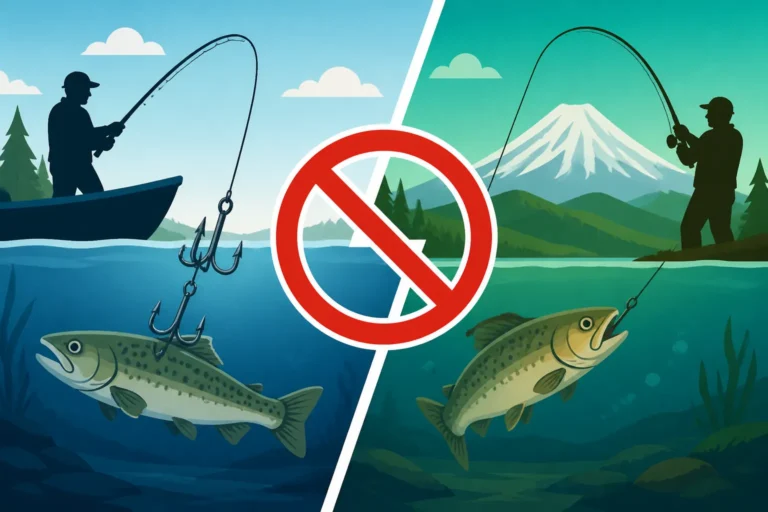
Washington has specific rules about the type of gear you can use and how you can use it. This includes requirements for barbless hooks in certain rivers (like many Olympic Peninsula steelhead rivers), bait bans in sensitive spawning areas, and strict prohibitions against snagging or foul-hooking fish. Using illegal gear or methods can result in fines and gear confiscation. Imagine trying to land a salmon on the Skykomish with a barbed treble hook when only single-point barbless hooks are allowed – that's a quick way to earn a ticket. These rules are put in place to ensure fair chase and minimize harm to fish, especially those released. You can find many useful fishing accessories and specialized gear, including barbless hooks for specific regulations, on Amazon, but always double-check local rules before heading out.
How Nonresident Violations Can Be Handled Differently
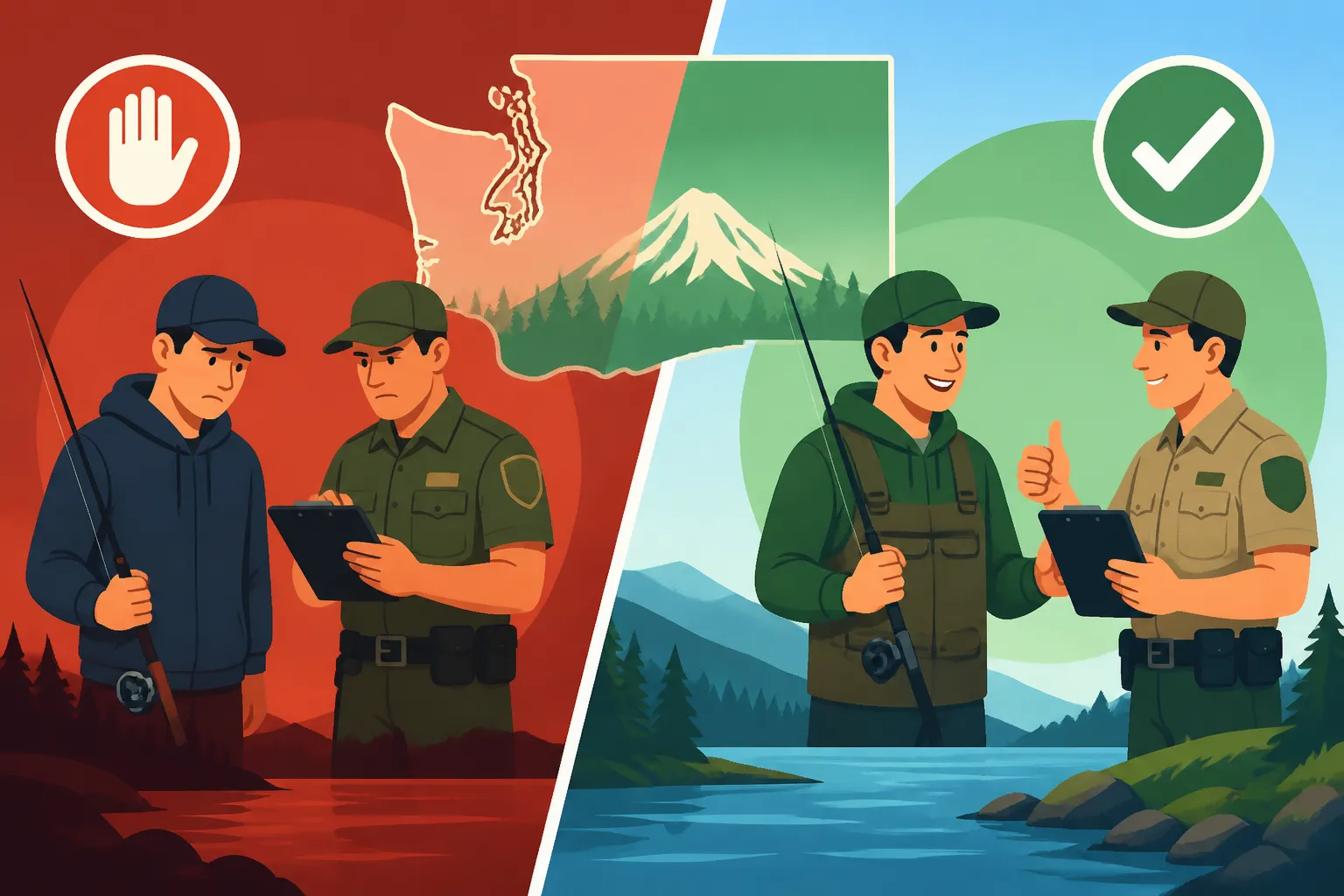
Now, for the core of the matter: how are these violations handled differently for nonresidents? While the initial fine or penalty might be the same as for a resident, the process and long-term implications can diverge significantly, making a simple ticket a much bigger headache.
Jurisdiction and Reciprocity Challenges
One of the most significant differences lies in the jurisdictional challenges. If you're a Washington resident and receive a citation, the local court system has a relatively straightforward process for tracking you down and enforcing penalties. For nonresidents, however, enforcement can get a bit more complex.
While Washington can still issue a citation and expect you to appear in court or pay a fine, physically enforcing that across state lines can be trickier. However, this doesn't mean you can just ignore it. Washington is part of the Interstate Wildlife Violator Compact (IWVC). This is a game-changer for nonresidents. If you lose your fishing privileges in Washington due to a serious violation (e.g., repeatedly exceeding bag limits, fishing during a closure, or failing to appear in court), that revocation or suspension of privileges can be recognized and enforced by all other member states.
So, if you get your license suspended in Washington for a year, that suspension could mean you can’t buy a fishing license in Oregon, California, Idaho, or any other state that's part of the compact. This compact ensures that conservation laws are respected across state lines and prevents individuals from simply "state-hopping" to avoid consequences. It adds a layer of accountability that residents don't face in the same way, as their home state is already likely to enforce its own suspensions.
Administrative Hurdles and Travel Implications
Imagine you're visiting Washington from out of state for a week-long fishing trip, and you get a citation that requires a mandatory court appearance. For a local, that's an inconvenience. For you, it means potentially booking another flight, taking more time off work, and incurring additional travel and lodging expenses just to appear in court. These administrative hurdles can turn a few hundred dollar fine into a multi-thousand dollar ordeal.
Furthermore, failing to respond to a citation or failing to appear in court can lead to warrants being issued for your arrest. If you have an active warrant in Washington, and you get pulled over in another state, you could be arrested and extradited. This is rare for minor fishing offenses, but for serious or multiple violations, it's a real possibility. The WDFW takes its role seriously, and while it might not send a team across the country for an unpaid license fine, they certainly have the mechanisms to ensure compliance. It's often far easier, and cheaper in the long run, to address the issue head-on.
Enhanced Scrutiny and Perceived Risk
While game wardens treat all anglers with professionalism, there can sometimes be an unspoken reality. Nonresidents might, in some situations, be subject to slightly higher scrutiny, particularly in popular tourist fishing destinations. There's a perception that some out-of-state visitors might be less familiar with local nuances or less invested in local resource conservation, although this is certainly not true for the majority of ethical anglers.
Additionally, wardens might be aware that nonresidents are less likely to return for minor court appearances, potentially leading them to take immediate, firmer action, such as issuing a more serious citation or confiscating gear on the spot, rather than relying on a promise to appear. They know the potential for non-compliance is higher once an angler crosses state lines.
Practical Advice for Nonresident Anglers
Given these unique challenges, what’s a nonresident angler to do? The good news is that avoiding these pitfalls is entirely within your control with a bit of proactive planning.
Prioritize Understanding Regulations
This cannot be stressed enough. Before you even pack your bags, make understanding Washington's fishing regulations your top priority. Don't just skim them; truly read them.
- WDFW Website: The official WDFW website is your best friend. It has all the current regulations, season dates, and emergency rule changes.
- The Regulations Pamphlet: Before your trip, you might even grab a physical copy of the WDFW pamphlet (often available on Amazon or local tackle shops) or download it directly from the WDFW site. This is your bible on the water.
- Emergency Rule Changes: Fishing regulations in Washington are dynamic. Steelhead seasons can open and close mid-season, salmon limits can shift with little notice based on fish returns, and bait bans can be implemented quickly. Always check for Emergency Rule Changes: Why Washington's Rules Shift Mid-Season right before you head out, and even during your trip if it spans multiple days. This is easily done via the WDFW website or the MyWDFW App.
Always Carry Proper Documentation
Never, ever leave your fishing license and photo ID at home or in your car. Wardens will ask for it.
- Physical or Digital: You can choose to print your license or carry it digitally on your phone via the Carrying Your Washington Fishing License: Paper, Phone or the MyWDFW App. Ensure your phone is charged if you go the digital route!
- Catch Record Cards: If you're targeting salmon, steelhead, or halibut, you'll need a catch record card. Know when to fill it out – immediately upon retaining a fish – and make sure you understand the rules for reporting. Find out more at Annual Limits and How Washington's Catch Reporting Works. Many anglers now use the Electronic Catch Record Cards and the Fish Washington App for convenience.
What to Do If Contacted by Law Enforcement
If a game warden or other law enforcement officer contacts you, remain calm, polite, and cooperative.
- Identify Yourself: Provide your license and ID when requested.
- Answer Questions Truthfully: You don't have to admit guilt, but be honest about your activities.
- Know Your Rights: You have the right to remain silent regarding self-incriminating statements beyond basic identification. However, refusing to cooperate or being hostile will only complicate matters.
The Value of Legal Counsel
If you do receive a citation, especially for a more serious violation that carries significant fines or potential license suspension, consider contacting a local attorney who specializes in wildlife or environmental law. They can navigate the Washington court system, understand the nuances of local regulations, and potentially represent you without you needing to travel back to the state multiple times. The cost of legal counsel might seem steep upfront, but it could save you significant time, money, and future headaches, particularly if the Interstate Wildlife Violator Compact comes into play. You can find out more about the general penalties in Fines and Penalties for Common Fishing Violations.
Here's a quick summary of the differences:
| Aspect of Violation | For Washington Residents | For Nonresidents (Potentially) |
|---|---|---|
| Initial Fines/Penalties | Generally the same statutory fines and penalties. | Generally the same statutory fines and penalties. |
| Court Appearances | Typically a local court, relatively easy to attend. | May require significant travel, time off, and expenses for mandatory appearances. |
| License Suspension | Suspension applies within Washington state. | Suspension can be recognized and enforced by other states via the Interstate Wildlife Violator Compact, impacting fishing privileges elsewhere. |
| Warrants | Failure to appear leads to local warrants. | Failure to appear leads to warrants that could result in arrest and extradition if traveling through other states. |
| Enforcement Complexity | Enforcement is straightforward within the state system. | Enforcement can involve interstate coordination, adding layers of complexity. |
| Perceived Risk | Assumed to have local ties and accountability. | May be perceived as having less direct accountability, potentially leading to immediate, firmer enforcement actions. |
In the end, Washington is an incredible state for fishing, offering diverse opportunities from saltwater salmon to mountain trout. By taking a little extra time to understand the rules and planning ahead, nonresidents can enjoy everything Washington fishing has to offer without the added stress of legal complications.
Disclaimer
The information provided in this article is for general informational purposes only and does not constitute legal advice. Fishing regulations are complex and subject to change. Always consult the official Washington Department of Fish and Wildlife (WDFW) regulations pamphlet, website, or directly contact WDFW for the most current and accurate information before engaging in any fishing activities. If you receive a citation, seeking advice from a qualified legal professional is recommended.