How Nonresident Rules Differ From Resident Rules
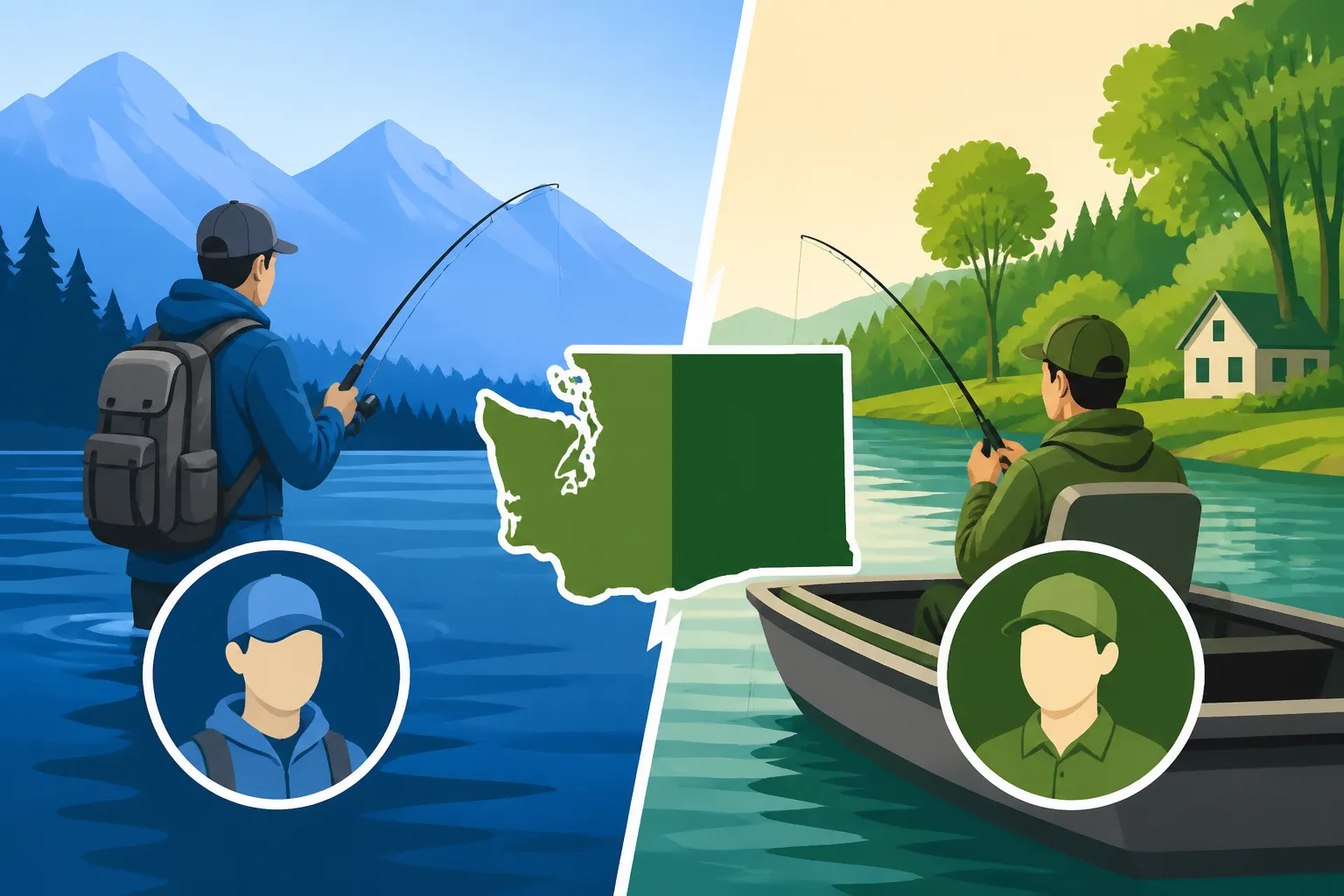
It’s a tale as old as time for anyone looking to cast a line in a new state: you’re excited about the fishing, dreaming of those legendary Washington salmon or steelhead, and then BAM! You hit the regulations, and suddenly you’re staring at a maze of rules that seem designed specifically to confuse anyone who doesn't live there. The truth is, navigating Washington's fishing regulations as a nonresident can feel like you're trying to solve a puzzle with half the pieces missing, especially when compared to what a local angler experiences. This guide is here to untangle that confusion, laying out the key differences between resident and nonresident fishing rules so you can spend less time scratching your head and more time on the water.
The Fundamental Difference: Defining Residency for Washington Fishing
Before we even dive into licenses or limits, the biggest hurdle for many out-of-state anglers is simply understanding what Washington State considers a "resident." It's not always as straightforward as having a driver's license or owning property. The state has specific criteria that determine if you're eligible for resident rates and rules, and these can catch even well-intentioned individuals off guard.
What Washington State Considers a Resident Angler
To qualify as a Washington resident for fishing license purposes, you generally need to demonstrate that you've established a true and continuous physical presence in the state for at least 90 consecutive days immediately prior to purchasing your license. This isn't just about showing up; it’s about proving intent to make Washington your permanent home. The Washington Department of Fish and Wildlife (WDFW) looks for several indicators, and you'll typically need to meet multiple criteria to prove your residency.
For instance, simply owning a vacation home here or working a temporary summer job for a few weeks won't cut it. They’re looking for things like a valid Washington State driver’s license or state identification card, voter registration in Washington, vehicle registration, or even utility bills in your name at a Washington address. It’s a pretty strict interpretation, and for good reason: resident fees are often subsidized by state taxes and are meant for those who contribute to the state’s long-term infrastructure and conservation efforts. If you’re moving to Washington, make sure you understand How Long It Takes to Qualify as a Washington Resident to avoid any hiccups.
Who Qualifies as a Nonresident for Fishing Purposes
Simply put, if you don't meet the stringent criteria for resident status, you are considered a nonresident. This applies to a vast array of individuals, from the casual tourist visiting Seattle for a long weekend and hoping to fish Puget Sound, to someone on an extended business trip, or even students attending Washington universities who maintain their permanent residence in another state. Even if you're staying with family in Washington for several months, if you haven't taken the official steps to establish residency, you'll be fishing under nonresident rules.
Understanding this distinction early on is crucial because it dictates everything from the price of your license to how you interact with the WDFW system. Many out-of-state anglers come to Washington for specific fishing opportunities, like the renowned salmon runs on the Columbia River or the winter steelhead season on the Olympic Peninsula rivers. For these anglers, embracing the nonresident designation and planning accordingly is the key to a smooth and legal fishing trip. Don't try to bend the rules; it's simply not worth the hassle or potential penalties.
Diving Deep into License Costs and Options
The most immediate and obvious difference between resident and nonresident fishing in Washington is the price tag on your license. It's often the first point of frustration for visitors, but understanding the rationale behind it can help put it in perspective.
Price Discrepancies: Why Nonresidents Pay More
The financial gap between resident and nonresident fishing licenses is significant, and it’s not unique to Washington. States typically set lower prices for their residents because these individuals already contribute to the state's economy and conservation through various taxes, whether it's property taxes, sales tax, or income tax (though Washington doesn't have a state income tax). These funds often help support the WDFW, fish hatcheries, habitat restoration, and enforcement programs.
Nonresidents, while welcome to enjoy Washington's incredible natural resources, haven't contributed to these baseline funding mechanisms in the same way. Therefore, their license fees are structured to help offset the costs associated with managing and sustaining the state's fisheries for everyone. Think of it as a user fee for those who aren't permanent stakeholders.
Let's look at some approximate costs. Please note that these figures are subject to change by the WDFW, so always check the most current regulations on their official website before purchasing.
| License Type | Approximate Resident Cost (Annual) | Approximate Nonresident Cost (Annual) |
|---|---|---|
| Freshwater Fishing License | $30 | $85 |
| Saltwater Fishing License | $30 | $85 |
| Combination Fishing License | $55 | $140 |
| 1-Day Fishing License | N/A (often part of combo) | $20 |
| 3-Day Fishing License | N/A (often part of combo) | $40 |
| Columbia River Endorsement | $9 | $9 |
| Two-Pole Endorsement | $15 | $15 |
As you can see, the annual combination license for a nonresident is significantly higher than for a resident. This difference is designed to ensure that those who are not contributing to the state's tax base are still contributing fairly to the maintenance of the fisheries they enjoy.
License Type Availability and Limitations
While the pricing differs, the types of licenses available to nonresidents are largely similar to those for residents, with a few key distinctions, primarily focused on duration. Both residents and nonresidents can purchase annual freshwater, saltwater, or combination licenses. The combination license is usually the best value if you plan to fish both freshwater and saltwater during your trip, which many anglers do given the diverse opportunities in Washington.
Where nonresidents get a bit more flexibility, especially for shorter trips, is in the availability of short-term licenses. Washington offers 1-day and 3-day fishing licenses specifically tailored for nonresidents (and residents, though they are usually combined into annual or combination packages for residents). These are fantastic options if you're just visiting for a weekend or a few days and don't want to commit to the higher annual nonresident fee. For example, if you're planning a quick trip to fish the Olympic Peninsula Rivers for steelhead, a 3-day nonresident license might be perfect. You can easily find and purchase these short-term options online, which makes trip planning much smoother. In fact, you can find a comprehensive guide on Washington's Annual, Short-Term and Combination License Options that breaks down each choice.
It’s important to note that while the license options are similar, certain specific programs or special opportunities might be exclusively for residents, though these are rarer and usually tied to limited draw hunts or unique conservation efforts rather than general fishing. For the vast majority of common fishing pursuits, nonresidents have access to the same waters and species, provided they have the correct license and any necessary endorsements.
Endorsements: An Additional Layer of Rules and Costs
Beyond the base fishing license, Washington often requires additional endorsements for specific species or fishing methods. These endorsements are typically an added cost on top of your general fishing license, and for the most part, the rules and costs for these apply equally to residents and nonresidents. However, understanding what they are and when you need them is crucial for both groups.
Columbia River Salmon and Steelhead Endorsement for Nonresidents
One of the most important endorsements for many anglers, especially those targeting anadromous fish, is the Columbia River Salmon and Steelhead Endorsement. This endorsement is mandatory for anyone, resident or nonresident, who intends to fish for salmon or steelhead in the mainstem Columbia River, as well as in many of its tributaries. The revenue generated from this endorsement directly supports the management, enhancement, and conservation of these iconic fish populations in the Columbia River system, a vital waterway that sees millions of salmon and steelhead return annually.
The good news for nonresidents is that the cost of this endorsement is generally the same as it is for residents – typically around $9. This means that while your base license might be more expensive, this crucial add-on isn't disproportionately priced. However, the requirement to have it is absolute. If you're planning a trip to the lower Columbia for the famous Buoy 10 fishery, or even heading up to fish the Cowlitz River or Kalama River for their robust salmon and steelhead runs, you absolutely need this endorsement in addition to your fishing license. For more detailed information, check out Washington's Columbia River Salmon and Steelhead Endorsement, Explained and understand Who Needs Washington's Columbia River Salmon and Steelhead Endorsement.
The Two-Pole Endorsement: Same Rules, Different Approach?
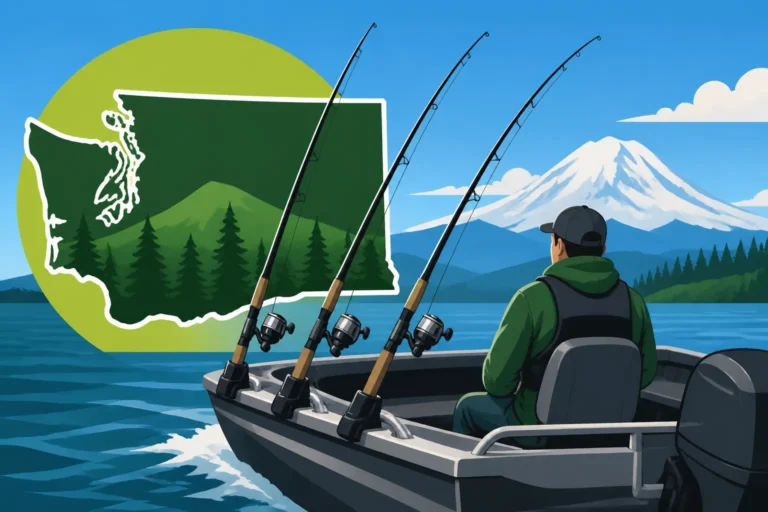
Another popular endorsement is the Two-Pole Endorsement. This allows an angler to use two fishing poles simultaneously in freshwater lakes, ponds, and certain rivers that are open to two-pole fishing. It's a fantastic way to increase your chances, especially when fishing for trout or kokanee in a lake, or targeting bottomfish.
Just like the Columbia River endorsement, the rules and cost for the Two-Pole Endorsement are generally the same for both residents and nonresidents, usually around $15. This means that if you're a nonresident coming from a state where two-pole fishing is common or even the default, you'll still need to purchase this endorsement to legally deploy a second rod in Washington's waters where it's permitted.
It's vital to remember that the Two-Pole Endorsement is not valid in all waters. It's primarily for freshwater lakes, ponds, and some specific river sections. It is not permitted for marine areas or for certain salmon and steelhead selective fisheries, where the focus is on a single, carefully managed angling effort. Always consult the current regulations pamphlet, available online or at any license vendor, to confirm where the two-pole endorsement is legal. Don't risk a fine by assuming it applies everywhere you want to fish. Learning Washington's Two-Pole Endorsement and Who Needs One will save you a lot of guesswork.
Catch Record Cards and Reporting Requirements
Beyond licenses and endorsements, Washington State requires anglers to carry and properly fill out a Catch Record Card for certain species. This is a vital component of fisheries management, and here’s where the playing field becomes completely level: these requirements apply equally to every angler, regardless of whether you're a lifelong resident or visiting for the first time.
Universal Need for Catch Record Cards
The WDFW relies heavily on catch data to manage fish populations sustainably. To collect this data, they issue Catch Record Cards for specific, highly managed species. If you’re targeting salmon, steelhead, sturgeon, or halibut, you will need a Catch Record Card. This card is not just an extra piece of paper; it’s a critical tool for conservation. Every time you catch one of these species, whether you keep it or release it, you are required to immediately mark your card.
This universal requirement means that a nonresident angler from, say, Oregon, who is accustomed to different reporting methods, needs to pay just as much attention to their Washington Catch Record Card as a local angler from Tacoma. Failure to carry the card, failure to record your catch accurately, or failure to return it by the deadline can result in fines and penalties. It’s not just a suggestion; it’s a legal obligation. Make sure you understand The Washington Catch Record Card and What It Requires before your trip.
Recording and Reporting: No Special Treatment for Nonresidents
The process of filling out a Catch Record Card is straightforward, but it requires diligence. As soon as you catch and retain a salmon, steelhead, sturgeon, or halibut, you must immediately cut out the corresponding notch on your card. If you release one of these species in an area where release is mandatory (like wild steelhead in many rivers), you still need to record the catch and release. This data helps biologists understand fishing pressure and success rates, which directly informs future season setting.
The deadlines for returning Catch Record Cards are also universal. Typically, cards for Puget Sound salmon and halibut need to be returned by certain dates, and all other cards (including those for steelhead, sturgeon, and coastal salmon) must be returned by January 31st of the following year. Even if you didn't catch a single fish, you still need to return the card, clearly marked as "no catch."
Many anglers find it easy to drop their completed cards in the mail using the pre-addressed envelope, or you can even report your catch online via the WDFW website or the Fish Washington mobile app. The important takeaway here is that there are absolutely no special exemptions or relaxed deadlines for nonresidents. If you're visiting for a few days in August and catch a limit of salmon, you're still responsible for returning that card by the designated deadline, even if you're back home in Ohio. Getting familiar with How to Fill Out a Washington Catch Record Card is essential for compliance.
Understanding Bag Limits, Possession Limits, and Area Restrictions
When it comes to the actual act of fishing – how many fish you can keep, what size they need to be, and where you can fish – the rules are remarkably consistent across the board. The vast majority of Washington’s daily bag limits, possession limits, and area restrictions apply equally to both resident and nonresident anglers. This ensures fair access and consistent conservation efforts for everyone utilizing the state’s fisheries.
Equal Opportunity and Restriction for All Anglers
Imagine you're fishing for Chinook salmon in Marine Area 9, near Admiralty Inlet. The daily bag limit for Chinook, the minimum size, and any specific gear restrictions (like barbless hooks or bait bans) are precisely the same for you, a nonresident, as they are for a local angler who lives just minutes from the launch ramp. This principle of equal application extends across virtually all species and locations in Washington.
Whether you're targeting rainbow trout in a stocked lake in Eastern Washington, lingcod off the coast of Westport, or summer steelhead on the Grande Ronde River, the regulations regarding how many you can harvest and what size are identical. This means nonresidents don't need to worry about a separate set of numbers to remember; the general rules apply to everyone. This is a crucial aspect of Washington Fishing Regulations Every Angler Should Know. You can delve deeper into the specifics of Understanding Washington's Daily Bag Limits by Species and How Bag and Possession Limits Work in Washington for a comprehensive breakdown.
Possession limits are also consistent. While daily bag limits refer to what you can keep in a 24-hour period, possession limits refer to the maximum number of fish you can have in your possession, whether in your cooler, at your hotel, or in your freezer at home. For most species, the possession limit is simply two daily limits. This again applies to everyone, ensuring that no one is stockpiling fish beyond sustainable levels.
Navigating Emergency Rules and Area Closures
Where things can get a little tricky for any angler, but particularly for nonresidents, is with emergency rule changes and area closures. Washington's fisheries are dynamic, especially for highly migratory species like salmon and steelhead. Managers at WDFW constantly monitor run sizes, catch rates, and environmental conditions (like water levels and temperatures). If a run comes in stronger or weaker than expected, or if there's a sudden environmental change, emergency rules can be implemented with very short notice. These rules can modify bag limits, change open days, alter gear restrictions, or even close entire fisheries.
These emergency rules apply universally, instantly overriding any previously published regulations for the affected areas. For a nonresident planning a trip weeks or months in advance, this can be incredibly frustrating. You might have planned a trip specifically for a certain salmon run, only to find an emergency closure implemented just days before your arrival.
The best defense against this is constant vigilance. The WDFW website is the official source for all emergency rule changes. They often post updates daily during critical seasons. There's also the "Fish Washington" mobile app, which is a fantastic resource for checking current regulations on the go. Many local tackle shops and guide services are also excellent sources of real-time information. Never assume that the rules you read weeks ago are still in effect. Always check for Emergency Rule Changes: Why Washington's Rules Shift Mid-Season right before you leave and even daily during your trip. Knowing Where to Find Current Washington Fishing Rules is invaluable for any angler, but especially those traveling from afar.
Practical Advice for Nonresident Anglers
Planning a fishing trip to Washington as a nonresident might seem daunting with all the different rules and costs. But with a bit of preparation and diligence, you can have a fantastic and compliant experience. Here are some practical tips to make your trip as smooth as possible.
Planning Your Trip: Licenses, Endorsements, and Information
The key to a stress-free nonresident fishing trip in Washington is meticulous planning. Don't wait until you arrive at the boat launch or tackle shop to figure out your licensing needs.
- Purchase Licenses in Advance: The easiest and most convenient way to get your Washington fishing license and any necessary endorsements is online through the WDFW website. This allows you to print your license at home or store it digitally on your phone via the MyWDFW app. Many anglers also find a great selection of essential gear, like waterproof license holders or rain jackets, by searching on Amazon, making sure they're fully prepared for the Pacific Northwest weather. This way, you're all set before you even cross the state line. For full details on this, check out Can You Buy a Washington Fishing License Online?.
- Understand Your Species and Location: Before you buy, know what you plan to fish for and where. Will you be in freshwater lakes, Puget Sound saltwater, or on the Columbia River? This dictates which license (freshwater, saltwater, or combination) and which endorsements (like the Columbia River Salmon/Steelhead Endorsement) you’ll need.
- Check Regulations Religiously: As mentioned, emergency rule changes are common. Make it a habit to check the WDFW website for the specific marine area or river system you plan to fish, not just once, but multiple times leading up to and during your trip. Local tackle shops are also invaluable resources for current conditions and rules. You can find more comprehensive advice in What to Check Before Every Washington Fishing Trip.
Staying Compliant and Avoiding Common Pitfalls
Once you’re on the water, staying compliant is all about awareness and diligence. The last thing you want is a run-in with a WDFW enforcement officer that could ruin your trip and lighten your wallet.
- Display Your License: Always carry your physical license and any required Catch Record Cards, or have them readily accessible on your phone via the MyWDFW app. If you're fishing from a boat, it’s good practice to have your license visible, such as clipped to your vest. Learn more about Carrying Your Washington Fishing License: Paper, Phone or the MyWDFW App.
- Don’t Assume: Rules vary significantly from state to state. What might be legal in your home state could be illegal in Washington. For instance, some states allow treble hooks in all situations, while Washington often requires single-point, barbless hooks for salmon and steelhead in certain areas. Always read the Washington Sport Fishing Regulations Pamphlet thoroughly. You can even find physical copies at most license vendors or download a PDF to your phone.
- Utilize Local Knowledge: Don't hesitate to ask questions. Tackle shop employees often have their finger on the pulse of local fisheries and can provide invaluable advice on current conditions, effective techniques, and, most importantly, any last-minute rule changes. Hiring a local fishing guide, even for a day, can be an excellent investment, especially for nonresidents. They not only put you on fish but also ensure you’re fishing legally and compliantly, handling all the nuances of the regulations on the fly.
- Know Your Fish: Be able to identify the species you're catching, especially if there are different size or bag limits for wild vs. hatchery fish, or different species of salmon. For example, knowing how to tell a Chinook from a Coho salmon is crucial if their limits differ.
- Record Immediately: When you catch a salmon, steelhead, sturgeon, or halibut, record it on your Catch Record Card immediately. Don't wait until you get back to the dock or boat launch. This is a common violation that's easy to avoid.
By taking these steps, your nonresident fishing adventure in Washington can be incredibly rewarding. The state truly offers world-class fishing, and with a little preparation, you can enjoy it without any unnecessary stress.
Disclaimer
Please note that fishing regulations are subject to change. While this guide aims to provide accurate and up-to-date information, it is the angler's responsibility to consult the official Washington Department of Fish and Wildlife (WDFW) regulations pamphlet and emergency rules before heading out on any fishing trip. These resources are the definitive authority on current fishing laws in Washington State.