Washington Saltwater License Cost
Navigating the world of fishing licenses can sometimes feel like trying to untangle a particularly stubborn fishing line – full of knots and confusion. Many anglers, especially those new to the area or planning a coastal adventure, often wonder about the specific costs involved with getting out on the salty waters of Washington State. This comprehensive guide is designed to cut through that complexity, providing you with a clear, detailed breakdown of exactly what a Washington saltwater fishing license costs, who needs one, and how to get yours.
Understanding Washington's Fishing License Structure
Before we dive into the nitty-gritty of saltwater license costs, it's really helpful to understand the overall landscape of Washington's fishing license system. It's not just a single "fishing license" you buy; instead, the Washington Department of Fish and Wildlife (WDFW) offers a variety of license types, each designed to cover different waters, species, and durations. This tiered system can feel a bit overwhelming at first, but it's set up to manage our precious natural resources effectively while offering options for every type of angler.
Essentially, WDFW breaks licenses down by the type of water you plan to fish – freshwater, saltwater, or a combination of both. Then, these categories are further distinguished by your residency status (resident versus nonresident) and the length of time you want the license to be valid (annual versus short-term options like a one-day or three-day pass). This modular approach means that the price you pay for a saltwater license will depend on these various factors. You might also encounter additional endorsements for specific fisheries, though for general saltwater fishing, the basic license covers a wide array of opportunities without immediate extra costs, aside from a mandatory Catch Record Card for salmon and steelhead.
The key takeaway here is that specifying "saltwater" is crucial because its pricing structure differs from freshwater, and a combined license will naturally have a different price point than either standalone option. Knowing this foundational structure will help you make an informed decision on which license is right for your next Puget Sound or Pacific Coast adventure. For a broader overview of all available options, you can check out Washington's Annual, Short-Term and Combination License Options.
Breaking Down Washington Saltwater License Costs
Alright, let's get right to the numbers. The cost of a Washington saltwater fishing license isn't a single, fixed price. It fluctuates based on whether you're a resident of the Evergreen State, if you're just visiting, and how long you plan to fish. Here’s a detailed look at what you can expect to pay for the privilege of wetting a line in Washington's marine waters.
The Basic Saltwater License for Residents
For many of us who call Washington home, grabbing an annual saltwater license is a pretty straightforward affair. This license typically grants you access to target a wide variety of marine species, from delicious Dungeness crab to various bottomfish, throughout the year in legal marine areas. As of my last check, a resident adult annual saltwater license generally costs around $24.75. This is a great deal if you plan on fishing Puget Sound, the Strait of Juan de Fuca, or the Pacific Coast regularly throughout the year.
This resident saltwater license is specifically designed for individuals who meet Washington's residency requirements, which are pretty clearly defined by WDFW. It allows you to participate in various open marine fisheries, making it a staple for anyone who loves spending time on the big blue. Keep in mind that while this covers the license to fish, you'll still need to be aware of bag limits, seasons, and any gear restrictions for the species you're targeting.
Nonresident Saltwater Fishing License Costs
Now, if you're visiting our beautiful state and eager to experience some world-class saltwater fishing, you'll find the prices a bit steeper than for residents. This is a common practice across states, designed to help fund local conservation efforts with contributions from out-of-state visitors. For a nonresident adult, an annual saltwater license typically costs around $59.75. While it's more than the resident price, it's still a worthwhile investment for a full year of potential fishing opportunities in our rich marine environments.
The nonresident saltwater license offers the same privileges as the resident version, allowing you to chase salmon (with the appropriate Catch Record Card), jig for lingcod, or drop pots for crab, provided you adhere to all regulations. If you're coming from afar specifically for a fishing trip to places like Westport or Sekiu, this annual option might even be appealing if you foresee multiple trips within a 12-month period, or if you're staying for an extended vacation.
Short-Term Saltwater Options
Maybe you're just here for a quick weekend trip to fish for salmon in Puget Sound, or visiting family in Seattle and want to drop a line for some rockfish. For these scenarios, Washington offers convenient short-term licensing options that can include saltwater access. While there isn't always a standalone "saltwater only" short-term license for multiple days, the WDFW frequently provides "combo" short-term licenses that cover both freshwater and saltwater, giving you maximum flexibility.
A resident 1-day fishing license (which includes both freshwater and saltwater privileges) is usually about $11.35. For nonresidents, a 1-day combo license typically costs around $20.15. If your trip is a bit longer, a resident 3-day combo license comes in at approximately $30.25, while a nonresident 3-day combo is about $49.50. These short-term combo licenses are often the best value and the most practical choice for visitors or residents who only fish occasionally or during specific short windows. They remove the guesswork of needing separate licenses for different water types and are perfect for planning a quick getaway or adding a fishing day to a larger vacation. Remember to consider your specific needs; sometimes, getting a short-term license that covers both freshwater and saltwater is more convenient than trying to piece together separate options.
Combination Licenses Including Saltwater
For many passionate anglers in Washington, the idea of being confined to just freshwater or just saltwater seems, well, limiting! That's where the combination licenses become incredibly appealing. These licenses cover both freshwater and saltwater fishing for a full year, offering the most flexibility for those who love to explore all of Washington's diverse fisheries.
A resident annual combination fishing license, covering both freshwater and saltwater, typically costs around $55.00. This is often the most popular choice for dedicated local anglers because it allows you to chase trout in mountain lakes one weekend, then head out for salmon in the Puget Sound the next, all under one license. For nonresidents, the annual combination license is usually about $149.00. While a significant investment, it provides unrestricted access for a full year to Washington's vast fishing opportunities, making it ideal for those who spend considerable time visiting and fishing in the state.
When you're trying to decide, think about your fishing habits. If you fish more than a few times a year, the annual combination license almost always pays for itself compared to buying multiple short-term licenses or separate freshwater and saltwater annuals. It simplifies your licensing, meaning one less thing to worry about when you're planning your next adventure.
Special Endorsements That Affect Saltwater Fishing
While the basic saltwater or combination license covers most general marine fishing, there are a few special endorsements that might affect your fishing, particularly if you're targeting specific species in certain areas. It's important to understand these as they can add to your overall cost, or be mandatory for specific fisheries.
The most notable endorsement that often comes up in conversation is the Washington's Columbia River Salmon and Steelhead Endorsement, Explained. While this endorsement is primarily focused on the mainstem Columbia River for salmon and steelhead, it can apply to specific marine areas near the river mouth (like Marine Area 1, or "Buoy 10") if you are targeting these species. If you're planning to participate in these highly popular fisheries, you'll need this endorsement in addition to your basic fishing license. For residents, this endorsement typically costs around $8.75, and for nonresidents, it's about $10.00.
It’s crucial to understand that this endorsement is not generally required for all saltwater fishing. If you're just crabbing in Puget Sound, jigging for lingcod off the coast, or trolling for coho in other marine areas, you typically don't need this specific Columbia River endorsement. Always double-check the current regulations pamphlet – you can often find them at local tackle shops or browse for comprehensive Washington fishing guides on Amazon, which can help demystify the rules for different marine areas – to ensure you have all the necessary permits for your target species and location. This ensures you're fully compliant and can enjoy your fishing trip without any surprises from a WDFW enforcement officer.
Factors Influencing Your Saltwater License Price Tag
The sticker price on a Washington saltwater fishing license isn't a one-size-fits-all deal. Several factors come into play that can either increase or decrease the cost you'll ultimately pay. Understanding these elements can help you navigate the system more effectively and ensure you're getting the right license for your needs without overpaying or, worse, being under-licensed.
Residency Status: A Major Determinant
The most significant factor influencing the cost of your saltwater fishing license in Washington is whether you qualify as a resident or a nonresident. This distinction isn't just about where you currently live; WDFW has specific criteria to determine residency, and it can sometimes feel like solving a riddle if you've recently moved or have multiple addresses.
Essentially, residents typically enjoy significantly lower license fees because their taxes already contribute to the state's conservation and fisheries management efforts. For example, a resident annual saltwater license is considerably less expensive than the nonresident equivalent. If you've lived in Washington for at least 90 consecutive days and established permanent domicile here, you're generally considered a resident. This usually means having a Washington driver's license, registering your vehicles here, and generally showing intent to reside permanently in the state. Getting this right is crucial, as misrepresenting your residency status can lead to fines and penalties. If you're unsure, it's always best to clarify your status before purchasing. You can delve deeper into this topic by reading What Counts as a Washington Resident for Licensing.
Age and Disability: Specific Exemptions or Discounts
Good news for the youngsters and sometimes our seasoned anglers – age and certain disabilities can certainly influence the cost of your saltwater fishing license, potentially leading to significant savings or even exemptions. Washington State is quite supportive of getting youth involved in fishing and recognizing the contributions of its senior and disabled veteran populations.
For instance, children under 15 years old do not need a fishing license to fish in Washington, including saltwater. This is fantastic news for families looking to introduce their kids to the joys of crabbing off a dock or casting from a beach. While they don't need a license, if they're fishing for species like salmon or steelhead, they do need to have their own Catch Record Card. You can find more details on this specific age group in our guide, Do Kids Need a Fishing License in Washington?.
When it comes to seniors, the situation is a bit nuanced. While there isn't a blanket "free fishing for seniors" program for all licenses, Washington residents aged 70 or older are eligible for discounted licenses. For a resident senior annual combination license (which includes saltwater), the cost is often significantly reduced, or even waived for certain types of fishing, depending on the specific program. Similarly, eligible disabled veterans and some individuals with specific disabilities may also qualify for reduced-fee or free licenses. These programs are designed to honor service and ensure access for all. It's always a good idea to check the most current WDFW regulations or contact them directly to see if you qualify for these special considerations. For more information on senior specific rules, see Do Seniors Need a License to Fish in Washington?.
License Duration: Annual vs. Short-Term
Another major factor that dictates your saltwater license cost is the duration for which you want it to be valid. Washington offers both annual licenses and shorter-term options, typically one-day or three-day licenses. Your choice here should really come down to how often you realistically plan to fish our briny deep.
An annual license is valid for 365 days from the date of purchase, or sometimes from April 1st of one year to March 31st of the next, depending on the specific type. This is by far the most cost-effective option if you anticipate fishing multiple times throughout the year. For a resident, the annual saltwater or combination license offers unlimited trips for a relatively low yearly fee. It’s perfect for the dedicated angler who fishes every season, chasing different species as they come into season, from spring salmon to winter crabbing.
On the other hand, short-term licenses are tailor-made for those spontaneous trips or visitors who are only in the state for a brief period. As discussed, these are often combination licenses that include saltwater, giving you flexibility. While the daily cost is higher compared to breaking down an annual fee, they are ideal for a single day trip, a weekend getaway, or even a week-long vacation where fishing is just one of many activities. If you only fish once or twice a year, these short-term options will likely save you money compared to an annual purchase. Weighing your frequency of fishing against the upfront cost is key here to determine the best value for your saltwater adventures. Our guide on Washington's Annual, Short-Term and Combination License Options provides a comprehensive comparison.
Here's a quick overview of typical Washington Saltwater Fishing License costs (subject to change, always check WDFW for current pricing):
| License Type | Residency | Duration | Approximate Cost | Includes Freshwater? |
|---|---|---|---|---|
| Saltwater Fishing | Resident | Annual | $24.75 | No |
| Saltwater Fishing | Nonresident | Annual | $59.75 | No |
| Combination Fishing | Resident | Annual | $55.00 | Yes |
| Combination Fishing | Nonresident | Annual | $149.00 | Yes |
| Combination Fishing | Resident | 1-Day | $11.35 | Yes |
| Combination Fishing | Nonresident | 1-Day | $20.15 | Yes |
| Combination Fishing | Resident | 3-Day | $30.25 | Yes |
| Combination Fishing | Nonresident | 3-Day | $49.50 | Yes |
| Columbia River Salmon/Steelhead Endorsement | Resident | Annual | $8.75 | N/A (add-on) |
| Columbia River Salmon/Steelhead Endorsement | Nonresident | Annual | $10.00 | N/A (add-on) |
Where and How to Purchase Your Saltwater License
Once you've figured out which Washington saltwater fishing license is right for you, the next step is actually getting your hands on it! Thankfully, the WDFW has made the purchasing process quite accessible, offering several convenient methods to ensure you can get licensed and hit the water with minimal hassle. Gone are the days when you had to trek to a physical store, though that option is still very much available.
Online, In-Person, and Via the App
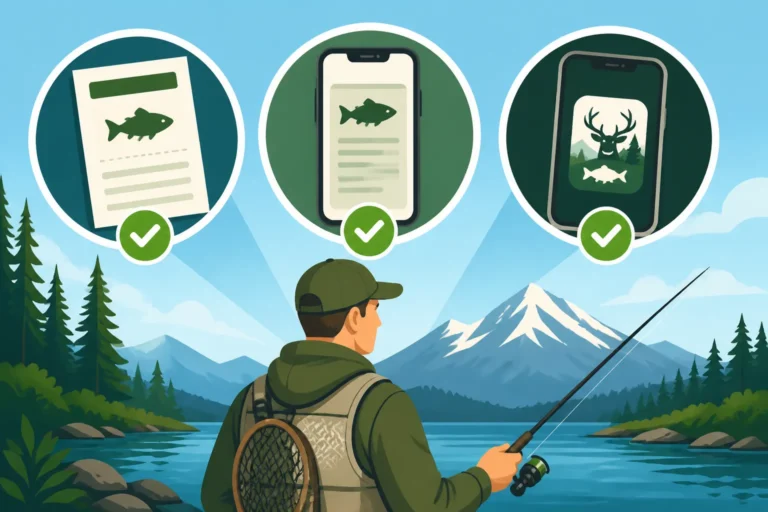
The most popular and often easiest way to buy your Washington fishing license today is online. The WDFW website has a dedicated licensing portal where you can quickly select your desired license, pay, and even print a temporary copy right from your home computer. This is particularly handy for those last-minute decisions to go fishing or for planning a trip from out of state. You can learn more about this convenience by visiting Can You Buy a Washington Fishing License Online?.
If you prefer a more traditional approach or want to pick up some gear at the same time, you can purchase your license in person at hundreds of authorized license dealers across the state. These often include sporting goods stores like Bass Pro Shops or Cabela's, local tackle shops, and some grocery stores. The staff at these locations are usually very knowledgeable and can help you select the correct license and answer any quick questions you might have about local regulations.
Finally, for the tech-savvy angler, Washington offers the MyWDFW app. This mobile application allows you to purchase and display your license directly on your smartphone. It’s incredibly convenient, ensuring you always have proof of your license with you, even if you forget your paper copy. The app also has features for electronic Catch Record Cards, making it a comprehensive tool for modern anglers. Find out more about this feature in Does Washington Have a Mobile Fishing License App?. Whether you're at home, running errands, or already on your way to the coast, there’s a buying method that fits your schedule.
Essential Information You'll Need
Regardless of whether you choose to purchase your saltwater fishing license online, in person, or through the app, you'll need to have some essential information ready. Having these details handy will make the process much smoother and prevent any delays.
For most adult residents, you'll need a valid Washington State driver's license or state ID card. This is crucial for verifying your residency status and linking your license to your identity. If you're a nonresident, you'll typically need a valid state ID or driver's license from your home state. Additionally, you'll need your full legal name, date of birth, and current address.
If you've purchased a WDFW license before, you might also have a Wild ID number. Providing this can often speed up the process, as your information will already be in their system. For those applying for discounted licenses (like seniors or disabled veterans), you may need to provide additional documentation to prove your eligibility. It’s always best to have these documents prepared beforehand. Remember, accuracy is key here – ensuring all your information is correct is vital for a valid license. For a complete list of required IDs for residents, refer to ID You Need to Buy a Washington Resident License.
Disclaimer
Please note that fishing regulations and license costs are subject to change by the Washington Department of Fish and Wildlife (WDFW). While every effort has been made to provide accurate and up-to-date information, it is your responsibility to consult the official WDFW website or the most current Sport Fishing Regulations pamphlet before heading out on the water. This article is intended for informational purposes only and does not constitute legal advice.