Do Kids Need a Fishing License in Washington?
As a parent or guardian, trying to navigate the seemingly endless regulations around fishing can feel like trying to untangle a hundred-yard line after a massive backlash. One of the most common questions, and a source of real head-scratching, is whether the young adventurers in your life actually need a fishing license in Washington State. It’s not always straightforward, especially when you’re just trying to plan a fun, worry-free outing. This comprehensive guide is here to clear up all that confusion, outlining exactly when, why, and how kids might need a fishing license, or if they’re completely exempt.
Understanding Washington's Youth Fishing License Rules
The Washington Department of Fish and Wildlife (WDFW) has specific guidelines regarding who needs a fishing license, and age is a primary factor. These rules are designed to balance encouraging youth participation in outdoor activities with the vital need for conservation and responsible management of our fisheries.
The Age Cutoff: When a License Becomes Necessary
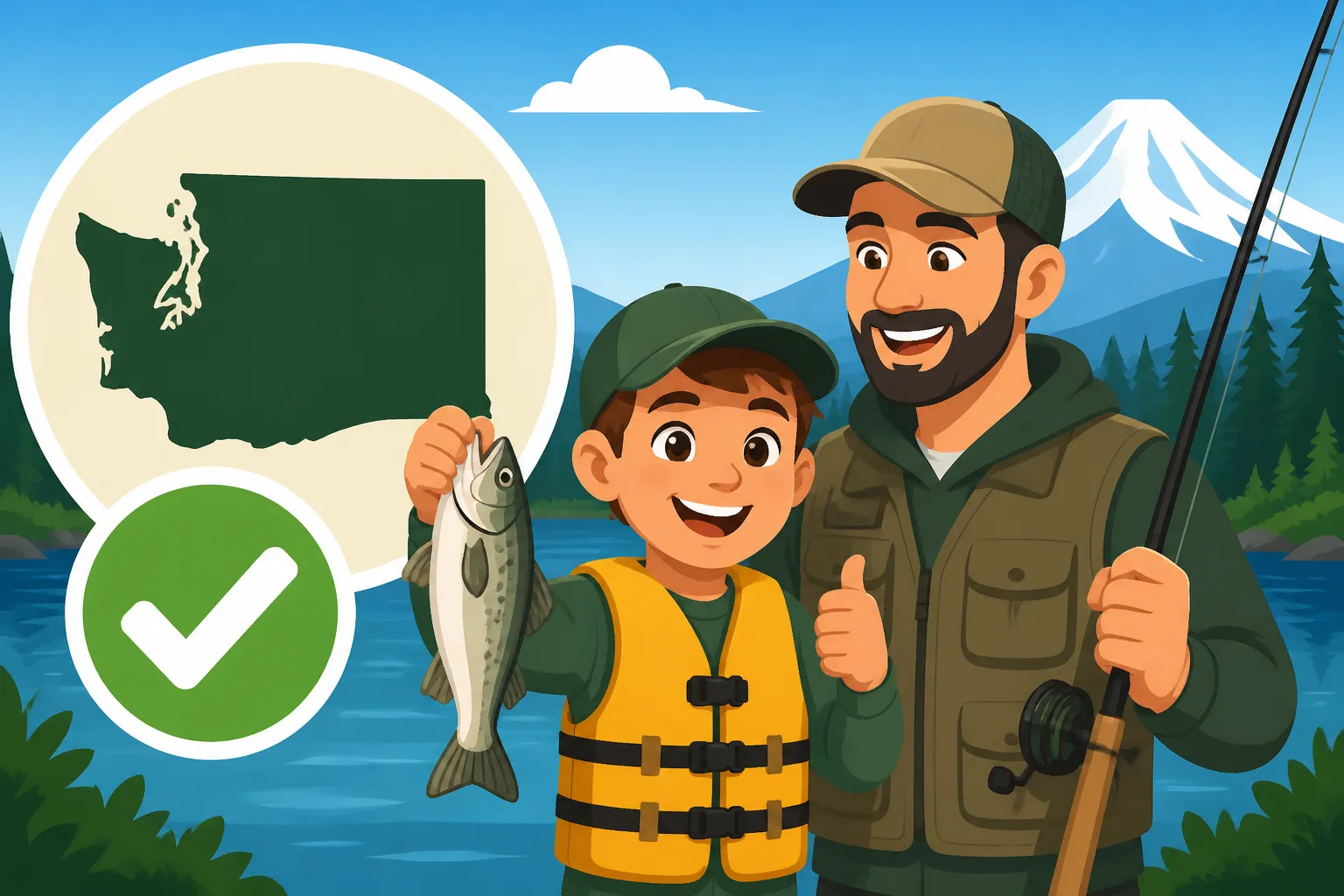
Let's get right to the heart of it: in Washington State, children under the age of 15 generally do not need a fishing license to enjoy freshwater or saltwater fishing. That's fantastic news for families with younger kids who just want to cast a line off a dock or try for trout in a local lake. You can breathe a sigh of relief knowing that your little ones can fish freely, allowing them to truly focus on the joy of the catch, or even just the experience of being out on the water.
However, once a young angler celebrates their 15th birthday, the rules shift. From that point on, they are required to possess a valid fishing license, just like an adult. This transition can sometimes catch families by surprise, especially if they've been used to years of license-free fishing. It's an important detail to remember when planning fishing trips for teenagers, as failing to have the correct license can lead to complications and potential fines, even if it's an honest mistake. The WDFW website or a local sporting goods store can clarify any uncertainties regarding age verification when purchasing a license for a teenager.
Why These Rules Matter: Promoting Conservation and Education
You might wonder why there's a specific age cutoff, or why licensing is necessary at all. The simple truth is that these rules are deeply intertwined with the WDFW's mission to promote conservation and ensure sustainable fisheries for future generations. The funds generated from fishing license sales are a critical source of revenue that directly supports a wide array of programs.
Think about it: these fees contribute to fish stocking efforts in lakes and rivers across the state, ensuring there are plenty of trout and salmon for everyone to enjoy. They also fund crucial habitat restoration projects, protecting the very ecosystems where these fish thrive. Beyond that, license revenue helps support enforcement, research, and educational initiatives that teach anglers of all ages about responsible fishing practices. By requiring licenses for those 15 and older, the state aims to instill a sense of shared responsibility in young adults as they continue their journey as anglers. It's about more than just catching fish; it's about becoming a steward of Washington's incredible natural resources.
Exemptions and Special Considerations for Young Anglers
While the general rule is "under 15 fishes free, 15 and up needs a license," Washington State does offer a few exceptions and specific considerations that can impact young anglers. Knowing these can help you plan your family's fishing adventures even better.
The "Free Fishing Weekend" Exception
One of the most beloved exceptions for anglers of all ages, including teenagers who would normally require a license, is Washington's annual Free Fishing Weekend. This special event, usually held in early June, allows anyone to fish without a license for a designated period. It's a fantastic opportunity for families, especially those new to fishing or those with teens who haven't yet committed to buying an annual license, to experience the joy of fishing without the upfront cost.
During Free Fishing Weekend, you can typically fish for a wide variety of species in both fresh and saltwater without needing a license or a Catch Record Card for most species. However, it's always wise to double-check the specific WDFW regulations for that year's event, as some rules or endorsements (like the Washington's Columbia River Salmon and Steelhead Endorsement, Explained) might still apply for certain species or areas. This weekend is highlighted in resources like the Washington Fishing Seasons: A Month-by-Month Guide and is a perfect entry point for budding anglers. It's a prime example of how the WDFW encourages participation, making fishing accessible to everyone, including those young anglers who are just starting to explore the sport.
Tribal Fishing Rights and Youth Anglers
It's important to acknowledge that Washington State is home to numerous Native American tribes with federally recognized fishing rights. These rights are often governed by treaties and distinct tribal regulations, which supersede state fishing rules in many instances. For youth who are enrolled members of these tribes, their fishing activities are typically governed by their tribal nation's laws, not necessarily the WDFW's licensing requirements.
If your family includes tribal members, it's crucial to consult the specific tribal fisheries department or elders for accurate and up-to-date information regarding their fishing regulations, including any specific requirements for youth. Respecting these diverse fishing cultures and their sovereign rights is paramount. State regulations, like those for residents versus non-residents, won't typically apply in these specific situations. The focus here is on honoring established rights and ensuring cultural practices can continue unhindered.
Fishing in Designated "Kid-Friendly" Waters
Washington boasts many waters specifically designated or managed with young anglers in mind, often referred to as "kid-friendly" lakes or ponds. These locations are frequently stocked with trout by the WDFW, making for easier and more consistent catches, which is fantastic for keeping kids engaged. Often, these areas are easily accessible, have amenities like restrooms, and might even host special events geared towards families.
While these waters are incredibly welcoming for youth, it’s a common misconception that all rules are waived. The general age requirement for a fishing license (15 years old and up) still applies in these locations, unless it's during a special, advertised youth-specific event where licenses are temporarily not required for older children. For younger kids under 15, these spots are perfect for license-free fun. Always check the specific regulations for the body of water you plan to visit, even if it's known as a "kid-friendly" spot, to avoid any surprises. You can often find great ideas for these spots in guides like Best Washington Lakes for Trout Fishing, which also details general trout fishing information.
Types of Licenses for Young Anglers (15+) and How to Obtain Them
For those young anglers who have crossed the 15-year-old threshold, understanding the different license options and how to acquire them is the next crucial step. Washington offers a variety of choices to suit different fishing preferences and budgets.
Annual vs. Short-Term Licenses for Teens
When your teenager needs a fishing license, you'll generally have two main categories to consider: annual licenses or short-term options. An annual license, as the name suggests, is valid for a full year from the date of purchase or for the current license year (April 1 to March 31 of the following year). This is usually the most cost-effective choice if your teenager plans to fish regularly throughout the year, perhaps on multiple family trips or with friends. It provides the most flexibility, allowing spontaneous fishing trips without needing to purchase a new license each time.
For young anglers who only fish occasionally, perhaps just during summer vacation or on a single family outing, a short-term license might be a better fit. Washington offers one-day and three-day licenses that are valid for consecutive days. While the daily cost is higher than an annual license spread out over a year, the overall outlay is much less if fishing is an infrequent activity. This can be particularly appealing for families on a budget or for those trying to introduce a teen to fishing without a big commitment. You can learn more about these options in Washington's Annual, Short-Term and Combination License Options.
Combination Licenses: Covering All Bases
For the truly enthusiastic young angler aged 15 and up who loves to fish both the freshwater rivers and lakes and the vast Puget Sound or coastal waters, a combination license is often the most sensible and economical choice. Instead of buying separate freshwater and saltwater licenses, a combination license covers both, simplifying the process and usually saving money compared to purchasing them individually.
A combination license means your teenager can chase trout in an Eastern Washington lake one weekend and then be out on a Puget Sound charter boat for salmon the next, all with one convenient license. It covers the general fishing requirements for both environments. If your teenager shows a keen interest in exploring all of Washington's diverse fisheries, from fly fishing small streams to bottom fishing for lingcod, this 'all-in-one' solution is definitely worth considering. Details on what each type of license covers can be found in resources like Freshwater vs Saltwater vs Combination Licenses in Washington. This comprehensive option ensures they are covered no matter where their angling adventures take them.
Purchasing Options and What to Bring
Acquiring a fishing license for your 15+ year-old is a straightforward process, thanks to several convenient purchasing options available throughout Washington State. The most popular and often easiest method is to purchase licenses online directly through the WDFW website. This allows you to complete the transaction from the comfort of your home, print out a temporary license, and often save a digital copy to your phone via the MyWDFW app. Many anglers also find it convenient to buy their licenses at authorized license dealers. These include most sporting goods stores, bait and tackle shops, and even some grocery stores. Places like Amazon might not sell licenses directly, but they are an excellent place to pick up a waterproof license holder or a small, clear pouch to keep your teen's physical license and ID safe and dry while they're out on the water.
When purchasing a license, especially for the first time, your teenager will need to provide some basic personal information. If they are a Washington resident, they'll need proof of residency, which usually includes a valid Washington State driver's license or state ID. For non-residents, a valid ID from their home state is sufficient. It's always a good idea to bring a physical form of identification. Make sure to choose the correct residency status, as Resident vs Nonresident Fishing Licenses in Washington explains, as costs differ significantly. Remember that the goal is to make it easy to get licensed, so choose the method that works best for your family.
Catch Record Cards and Other Essential Endorsements for Youth
Beyond the basic fishing license, there are a few other critical components that young anglers (aged 15 and up) in Washington often need to be aware of. These are typically called "endorsements" or "catch record cards," and they play a vital role in data collection and targeted fisheries management.
When a Catch Record Card Is Required
Even if your teenager has their fishing license sorted, they will still need a Catch Record Card if they plan to fish for certain species. In Washington, a Catch Record Card is mandatory for anyone, including licensed youth aged 15 and older, targeting salmon, steelhead, sturgeon, or halibut. These cards are absolutely critical for conservation efforts because they provide the WDFW with invaluable data on catch rates, effort, and harvest. This information helps fisheries managers make informed decisions about seasons, bag limits, and overall species health.
It's not just about having the card; it's about diligently and accurately recording every catch and harvest. Every time your teenager catches one of these species, whether they keep it or release it, they must immediately record the details on their Catch Record Card. Failure to properly fill out and return the card can result in penalties, even if they had a valid license. This requirement is covered in depth by When a Catch Record Card Is Required in Washington, which highlights its importance for accurate data collection. To make sure those entries are legible even in damp conditions, consider getting a waterproof pen from Amazon to keep with their fishing gear.
The Columbia River Salmon and Steelhead Endorsement
For young anglers (15+) keen on fishing the mighty Columbia River or its many tributaries for salmon and steelhead, an additional endorsement is often required: the Columbia River Salmon and Steelhead Endorsement. This endorsement is essentially an extra permit that specifically funds projects designed to enhance and protect these valuable fisheries within the Columbia River basin.
The need for this endorsement varies depending on the specific stretch of the river and the species being targeted, so it's vital to check the current regulations carefully before heading out. For instance, if your teenager is planning a trip to a popular salmon fishing spot on the lower Columbia or one of its feeder rivers like the Cowlitz or Kalama, this endorsement will likely be necessary. Missing this small detail can lead to fines, so it’s always best to be prepared. All the nuances of this specific requirement are laid out in Washington's Columbia River Salmon and Steelhead Endorsement, Explained. Make sure to add this to their license if their fishing plans include this iconic river system.
Two-Pole Endorsement for Multi-Rod Fun
Picture this: your teenager is fishing for trout, and they've got one rod out, patiently waiting for a bite. But what if they could have two rods out, doubling their chances and adding to the fun? In many freshwater lakes, ponds, and even some marine areas, this is possible with a Two-Pole Endorsement. This endorsement allows a licensed angler (including those 15 and older) to fish with two rods simultaneously.
It's important to note that the Two-Pole Endorsement is specifically for certain freshwater lakes, ponds, and a few designated marine areas, and it does not apply to rivers or streams. Always check the regulations for the specific body of water. For a young angler, being able to fish two different baits or lures at once can be a game-changer, increasing their engagement and success. It's an add-on that many find worthwhile for more relaxed, still-water fishing opportunities. You can find out more about where and when this endorsement is applicable in Washington's Two-Pole Endorsement and Who Needs One.
Parental Responsibilities and Encouraging Responsible Angling
While understanding licensing is important, the role of parents and guardians in fostering responsible, ethical, and safe fishing practices in young anglers goes far beyond just purchasing a piece of paper. You are the primary educators when it comes to instilling a love for the outdoors and respect for its resources.
Supervising Young Anglers
For children under 15 who don't require a license, direct adult supervision is not just recommended, it's pretty much essential. Even for teenagers who are licensed, having a knowledgeable adult nearby provides guidance, ensures safety, and offers invaluable mentorship. Think of supervision not as babysitting, but as an opportunity to share your passion, teach valuable skills, and create lasting memories. It’s about more than just preventing rule violations; it’s about nurturing a connection to nature.
When you’re out with young children, you’re teaching them how to cast, how to properly bait a hook, and perhaps most importantly, how to safely handle a fish they catch. For teenagers, your presence means you can discuss fishing strategy, help identify fish species, and reinforce ethical catch-and-release techniques if applicable. This hands-on guidance from an experienced adult is paramount in developing confident and responsible anglers.
Teaching the Regulations: Beyond the License
Possessing a license (for those 15+) is only one piece of the puzzle. Truly responsible angling involves a deep understanding of all the rules that govern the specific body of water and species being targeted. This includes knowing the daily bag limits (how many fish of a certain species can be kept per day), size limits (minimum or maximum lengths for retention), and any gear or bait restrictions (like Washington Bait Bans and When They Apply). These rules are not arbitrary; they are carefully crafted by the WDFW to protect fish populations and ensure healthy fisheries for the future.
It's a fantastic idea to involve your children in the process of learning these rules, even before they need a license. Sit down with them and go through the WDFW's annual Sport Fishing Regulations pamphlet. This can be a fun and educational activity, pointing out pictures of fish and explaining why different rules exist. You can pick up a physical copy at most license vendors, or download a digital version. For really durable, on-the-water reference, consider getting a laminated copy of key regulations or a robust fishing logbook from Amazon where your kids can record their catches and practice noting down the rules. Understanding Reading the Washington Sport Fishing Regulations Pamphlet is a fundamental skill for any angler, regardless of age. Similarly, knowing Understanding Washington's Daily Bag Limits by Species helps prevent accidental violations.
Consequences of Violations: Educating Rather Than Punishing
No one wants to break the rules, especially when it comes to something as enjoyable as fishing. However, honest mistakes can happen, particularly with less experienced young anglers. It's crucial for parents and guardians to understand that while a young child (under 15) fishing without a license won't be ticketed themselves, the supervising adult could potentially face penalties if a violation occurs. For licensed teenagers (15+), they are held accountable for their actions, just like any adult.
If a violation does occur, perhaps exceeding a bag limit or fishing in a closed area, it’s an opportunity for education rather than just punishment. Use it as a learning moment to explain the importance of checking regulations, respecting conservation efforts, and the impact of individual actions on the fishery. Familiarizing yourself with Fines and Penalties for Common Fishing Violations can help you understand the gravity of certain infractions, which in turn helps you emphasize responsible behavior. The goal is to cultivate a deep respect for the rules and the resource, ensuring that future generations of anglers approach the sport with integrity and knowledge.
Washington Youth Fishing License Requirements at a Glance
To simplify the rules for young anglers, here's a quick reference table:
| Age Group | Fishing License Required? | Catch Record Card (Salmon, Steelhead, Sturgeon, Halibut) Required? | Columbia River Endorsement Required (if fishing Columbia River)? | Two-Pole Endorsement Available? |
|---|---|---|---|---|
| Under 15 years old | No | No | No | No |
| 15 years old | Yes | Yes | Yes | Yes |
| 16 years old | Yes | Yes | Yes | Yes |
| 17 years old | Yes | Yes | Yes | Yes |
| 18+ years old | Yes | Yes | Yes | Yes |
Note: Always check current WDFW regulations as rules can change. "Required" means if you plan to fish for those specific species or in those specific areas.
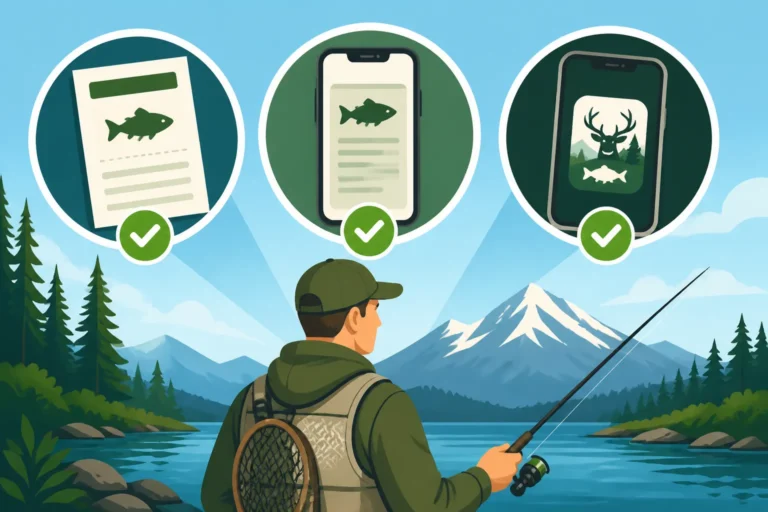
Remember, carrying your fishing license, whether it's a paper copy, on your phone using the MyWDFW App, or a combination of both, is also important. Knowing Carrying Your Washington Fishing License: Paper, Phone or the MyWDFW App can save you a lot of hassle.
Disclaimer
The information provided in this guide is intended for general informational purposes only and does not constitute legal advice. Fishing regulations in Washington State are subject to change by the Washington Department of Fish and Wildlife (WDFW). It is the responsibility of every angler to consult the most current WDFW fishing regulations pamphlet or visit their official website before each fishing trip to ensure compliance with all applicable laws and rules.