Where to Find Current Washington Fishing Rules
One of the biggest headaches for any angler in Washington State, whether you're a seasoned local or just visiting, is keeping up with the ever-changing fishing rules. It feels like every time you plan a trip, the regulations have shifted, leaving you wondering if your favorite spot is open, what the legal limit is, or if you even need a different lure. This comprehensive guide is designed to cut through that confusion, showing you exactly where to find the most current Washington fishing rules so you can spend less time scrambling for information and more time on the water.
The Ever-Changing Nature of Washington Fishing Regulations
Let's be honest, trying to keep track of Washington's fishing regulations can feel like a full-time job. You're not alone if you've ever felt utterly bewildered trying to figure out if that river is open for steelhead, or if you can actually keep that coho you just hooked. The reality is, fishing rules here are dynamic, and for good reason, but that doesn't make it any less frustrating for us anglers.
Why Rules Change So Frequently
The Washington Department of Fish and Wildlife (WDFW) doesn't change rules just to keep us on our toes, believe it or not. The frequent shifts are primarily driven by the need to manage fish populations sustainably. Think about it: salmon runs can fluctuate wildly year to year due to ocean conditions, river flows, and even unforeseen environmental events. If a run comes back weaker than expected, WDFW needs to react quickly to protect those fish. This often means implementing emergency closures or modifying bag limits. They also rely heavily on "test fisheries" to monitor real-time returns of certain species, especially salmon and steelhead, and those numbers directly influence in-season adjustments. It's a complex dance between conservation, tribal treaty rights, and recreational opportunity, and the rules are the mechanism to balance it all. You can dive deeper into these dynamics in our article on Emergency Rule Changes: Why Washington's Rules Shift Mid-Season.
The Impact on Anglers
For us, the anglers, this constant flux means that what was legal yesterday might not be today, or what's open upstream might be closed downstream. It creates a sense of uncertainty that can dampen the excitement of planning a fishing trip. Imagine driving two hours to a river, only to find a sign at the boat launch announcing an emergency closure you didn't know about. It's a gut punch, right? This is particularly true for popular fisheries like the Columbia River, Puget Sound, and the Olympic Peninsula rivers, where management often involves precise, area-specific, and time-sensitive regulations. The goal here is to equip you with the tools to avoid those frustrating surprises and ensure your time on the water is spent fishing, not worrying about being in violation.
Your First Stop: The WDFW Website – A Digital Goldmine (or Maze)
In the modern age, the most authoritative and up-to-the-minute source for Washington fishing regulations is almost always the Washington Department of Fish and Wildlife (WDFW) website. However, like many government sites, it can sometimes feel like navigating a maze. But once you know where to look, it becomes an invaluable resource.
Navigating the WDFW Fishing Page
The key to the WDFW site is knowing the main landing page for recreational fishing. This is typically found by searching "WDFW fishing regulations" or "WDFW recreational fishing." From there, you'll usually find links broken down by freshwater, saltwater, and specific species. Don't just click on the first link you see; take a moment to look for a dedicated "Sport Fishing Rules" or "Regulations" section.
Here’s a general roadmap to their website:
- Homepage: Start at wdfw.wa.gov.
- Recreational Fishing: Look for a main navigation link for "Fishing," "Hunting & Fishing," or "Recreation."
- Current Regulations: Once on the fishing section, seek out links explicitly titled "Sport Fishing Rules," "Current Regulations," or "Fishing Seasons." This will often lead you to a page where you can select the year's pamphlet, and crucially, see a list of emergency rule changes.
This section often contains links to PDF versions of the annual rule pamphlets, as well as a critical list of emergency rules. Pay close attention to the dates associated with any rule changes. These are regularly updated, so it's a good habit to check within a day or two of your planned trip. You can learn more about general regulations in Washington Fishing Regulations Every Angler Should Know.
Understanding the "Emergency Rules" Section
This is arguably the most important section on the WDFW website for staying current. The main annual rule pamphlet, while comprehensive, is static. It's printed once a year. The "Emergency Rules" page, on the other hand, is a living document, updated as needed, sometimes multiple times a week. These rules supersede anything in the printed pamphlet.
When you're looking at the emergency rule changes, take note of several key pieces of information:
- Effective Date: This tells you exactly when the rule change goes into effect.
- Marine Area or Body of Water: Rules are often highly localized. An emergency rule might affect only a specific marine area in Puget Sound, a particular section of the Columbia River, or a certain tributary.
- Species Affected: Is it a salmon closure? A steelhead retention change? A new size limit for lingcod?
- Type of Change: Is it a closure, an opening, a bag limit modification, a gear restriction (like a bait ban or barbless hook requirement), or a time restriction?
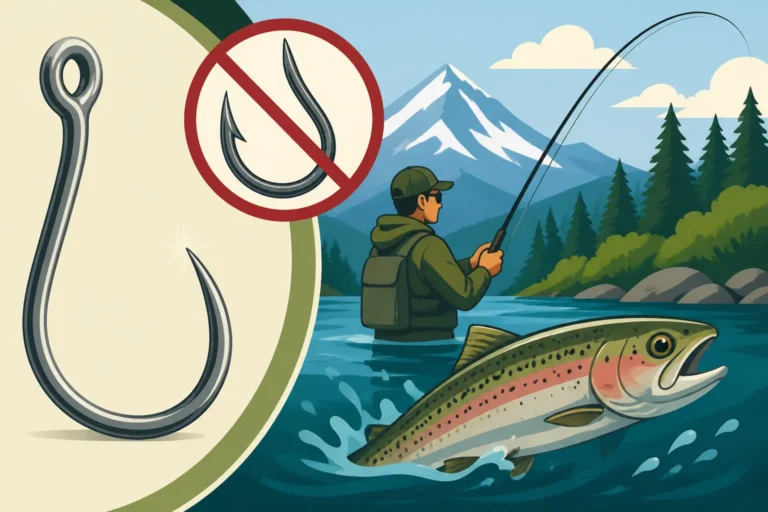
Reading these emergency rules takes practice. They can be written in technical language. Don't skim; read every sentence to understand the nuances. For instance, a rule might state "Cowlitz River downstream of I-5 Bridge: Closed to retention of all salmon, open for catch-and-release steelhead only, barbless hooks required." This means you can still fish, but what you can keep and how you must fish is strictly limited. It's vital to grasp the specifics, as penalties for violations can be steep. Check out What an Emergency Rule Change Actually Modifies for a deeper dive.
Subscribing to WDFW Email Alerts
Want to stay on top of changes without constantly checking the website? WDFW offers various email alert subscriptions, and these are a lifesaver. You can usually find a link to "Sign up for email updates" or "GovDelivery notifications" on their main fishing pages.
You can often customize your subscription to receive alerts for specific regions (e.g., Puget Sound, Columbia River, Eastern Washington), specific species (e.g., salmon, steelhead, halibut), or general news releases. I highly recommend signing up for alerts for any areas or species you plan to fish regularly. When an emergency rule is enacted or modified, you’ll get an email notification directly to your inbox, often with a summary and a link to the full rule change. It's the most proactive way to stay informed and avoid those unwelcome surprises on the water.
Decoding the Sport Fishing Regulations Pamphlet
While the WDFW website provides the most current updates, the annual printed Sport Fishing Regulations pamphlet is still a foundational document. It gives you the big picture, the default rules that apply until an emergency rule modifies them.
The Annual Printed Pamphlet: A Broad Overview
Every year, usually around July 1st, WDFW releases a new set of regulations that cover the fishing year from July 1 to June 30 of the following year. This comprehensive pamphlet outlines statewide rules, specific area rules (e.g., Puget Sound Marine Areas, Columbia River sections, specific lakes and rivers), species-specific rules, gear restrictions, bag limits, and general provisions. It's a hefty document, often 100+ pages, but it's designed to be your primary reference.
You can pick up a physical copy at most sporting goods stores, bait shops, or WDFW offices across the state. They're also available for download as a PDF on the WDFW website, which is handy for keeping on your phone or tablet. Think of it as your base map, giving you the lay of the land before you consult the real-time weather (emergency rules). Our guide on Reading the Washington Sport Fishing Regulations Pamphlet offers more detailed insights.
Key Sections to Pay Attention To
Navigating the annual pamphlet can be daunting, but focusing on these key sections will help immensely:
- General Rules: These apply statewide unless specifically overridden. This includes definitions, general gear restrictions, bait rules, and information on licenses and catch record cards. Don't skip this, as it lays the groundwork for everything else.
- Area-Specific Rules: This is where you'll find the bulk of the regulations tailored to different fishing zones.
- Freshwater Sections: Organized by region (e.g., Puget Sound, Coastal, Columbia River, Eastern Washington), then by major river systems or lakes. Look for the specific river or lake you plan to fish.
- Marine Area Sections: For saltwater, rules are broken down by Marine Area (e.g., Marine Area 1, Marine Area 9). Always know which Marine Area you'll be fishing in.
- Species-Specific Rules: Within each area, rules are often further refined by species, detailing bag limits, size limits, and open seasons for salmon, steelhead, trout, halibut, lingcod, and other popular fish.
- Maps: Many pamphlets include maps of marine areas or river sections, which are incredibly helpful for understanding boundaries.
Always cross-reference. If you're fishing for Chinook in Marine Area 9, you need to look at the general marine rules, then the Marine Area 9 section, and then specifically for Chinook salmon within Marine Area 9. It’s a multi-layered approach to finding the right rule.
Limitations of the Printed Guide
The biggest limitation of the printed pamphlet, as touched on earlier, is that it's a snapshot in time. It represents the intended regulations for the season. However, because fisheries are managed adaptively, these "intended" rules are frequently changed by emergency orders. This means you cannot rely solely on the printed pamphlet, especially for highly managed species like salmon and steelhead, or in popular areas like the Columbia River. Always, always check the WDFW emergency rules page, even if you just read the printed pamphlet cover to cover. It’s the combination of the broad overview from the pamphlet and the surgical precision of the emergency rules that keeps you legal.
Leveraging Technology: Apps and Online Tools
In today's connected world, there are more ways than ever to get real-time fishing information right to your fingertips. This technological leap has made staying informed much easier for the diligent angler.
The Fish Washington App: Your Pocket Companion
The WDFW has developed a free official app called "Fish Washington" (available on both Apple App Store and Google Play Store) that every angler in the state should have on their smartphone. This app is a game-changer for accessing regulations on the go.
Here’s what makes it so useful:
- Interactive Maps: The app uses your phone's GPS to show you exactly which fishing area you're in (e.g., Marine Area 9, a specific river section) and, crucially, what the rules are for that location and species.
- Real-time Regulations: It pulls data directly from the WDFW website, including all emergency rule changes, so you get the most up-to-date information.
- Species Identification: Not sure what kind of trout you caught? The app often includes guides to help identify various species, along with their legal sizes and bag limits.
- Catch Reporting: In some cases, it allows you to record your catch directly in the app, which can integrate with your Electronic Catch Record Cards and the Fish Washington App. While not a substitute for a physical catch card in all cases, it's a step towards streamlined reporting.
- License Information: You can often access your fishing license details within the app, removing the need to carry a physical paper copy, as outlined in Carrying Your Washington Fishing License: Paper, Phone or the MyWDFW App.
Before heading out, especially to a new area, make sure your app is updated and consider downloading the local data for offline use, just in case you lose cell service on the river or out on the sound. It's a fantastic tool to quickly verify rules when you're literally standing on the bank or drifting in a boat.
Other Useful Online Resources and Forums
Beyond the official WDFW channels, there's a wealth of information available online from other sources, which can provide context, discussions, and even peer-to-peer insights.
- Fishing Forums and Facebook Groups: Websites like WashingtonFlyFishing.com, Ifish.net, or local Facebook fishing groups are hotbeds of real-time discussion. Anglers often post about current conditions, recent rule changes they've noticed, and general fishing reports. While these are not official sources and should always be cross-referenced with WDFW, they can alert you to changes you might have missed or provide valuable local knowledge.
- Local Fishing Blogs and News Sites: Many local fishing guides or tackle shops maintain blogs or news sections on their websites where they interpret WDFW rules, post daily updates, or share tips relevant to current conditions. These can be particularly helpful for understanding how rule changes might practically affect your fishing strategy.
- Retailer Websites: Large outdoor retailers like Cabela's, Bass Pro Shops, or even online retailers like Amazon, often have sections related to fishing regulations or links to local government sites. While not a primary source for rule changes, they can sometimes offer supplementary information or links to relevant resources.
- River/Lake Specific Websites: For highly popular fishing destinations, dedicated websites or forums often exist that focus solely on that body of water, providing extremely localized information and discussions.
Remember, always treat unofficial sources as supplementary. The WDFW website and the Fish Washington app are your primary authoritative sources. Use forums and blogs to gather context or tips, but always verify the actual legal regulations through official channels.
Local Knowledge and Physical Outlets
Sometimes, the best information isn't found online, but through good old-fashioned human interaction and local expertise. Especially in smaller communities that thrive on fishing, local spots can be goldmines of up-to-date information.
Sporting Goods Stores and Bait Shops
These places are more than just where you buy your gear; they are often community hubs for anglers. The staff at your local tackle shop are typically avid fishermen themselves and are often the first to know about emergency rule changes, local openings, or closures. They live and breathe fishing and understand the nuances of the local waters better than almost anyone.
When you walk into a reputable bait shop, you'll often see printouts of the latest emergency rules taped to the counter or bulletin board. They'll know which rivers just blew out and closed for steelhead, or which marine area just opened for salmon. Places like Sportco in Fife, Fisherman's Marine and Outdoor in Oregon (often serving SW Washington anglers), or smaller independent shops are invaluable. Don't be shy about striking up a conversation. Ask them about the latest updates, what gear is working, and if they've heard of any recent WDFW announcements. They can often provide insights you won't find anywhere else. Plus, supporting these local businesses helps keep the fishing community vibrant.
Connecting with Local Anglers and Guides
There's a reason why experienced anglers have such tight-knit networks. Information sharing is key. If you're new to an area or a particular fishery, connecting with local anglers, whether through a fishing club, a guide service, or even just chatting at the boat ramp, can be incredibly beneficial.
- Fishing Guides: Reputable fishing guides in Washington make it their business to know the rules inside and out. They are often active participants in fisheries management discussions and are usually the most informed on the water. While you're on a trip with them, they handle all the regulatory compliance, but they are also a wealth of knowledge for your independent trips. Even if you don't book a trip, their websites and social media often provide valuable rule updates and insights.
- Local Anglers: Strike up conversations at boat launches, popular bank fishing spots, or even online forums. Many seasoned locals are happy to share what they know, including the latest rule changes and how they interpret them. Just remember to be respectful, not every angler wants to spill all their secrets, and always verify critical rule information from official WDFW sources.
Building these connections not only helps you stay informed but also enriches your overall fishing experience. The shared passion for the sport often leads to valuable friendships and learning opportunities.
Practical Tips for Staying Up-to-Date on the Water
Even with all these resources, it's easy to get caught off guard. Integrating regulation checks into your regular fishing routine can prevent headaches and ensure compliance.
Pre-Trip Checks and Last-Minute Verifications
This is your golden rule: Always check the regulations immediately before you leave for your trip. Even if you checked yesterday, an emergency rule could have been published overnight.
Here's a good checklist:
- A Few Days Out: Consult the WDFW website for the general annual rules and scan the emergency rule changes page for any new notices in your planned area. Sign up for those email alerts if you haven't already!
- The Day Before: Re-check the WDFW emergency rules page and your Fish Washington app. Confirm the effective dates of any rules you read.
- Morning Of (or at the boat ramp): Do one last quick check on the Fish Washington app. Cell service allowing, a quick refresh can catch any last-minute changes. If you’re buying bait or tackle at a local shop, ask the staff for any updates.
- Print or Screenshot: Always have a way to access the current rules even without cell service. Take screenshots of relevant pages on the WDFW website or the Fish Washington app. If you prefer a physical copy, print out the emergency rules for your specific area. Keeping a physical copy of the relevant sections of the annual pamphlet is also smart. You can find many fishing-related books, including some detailing local regulations, on platforms like Amazon if you prefer a tangible reference.
| Resource Type | Best Use Case | Frequency of Updates | Accessibility | Primary Authority |
|---|---|---|---|---|
| WDFW Website (Emergency Rules) | Mandatory – Real-time rule changes and closures | Daily / Multiple times a week | Online (Desktop/Mobile) | Official |
| Fish Washington App | Mandatory – GPS-based, real-time rules on the go | Daily / Multiple times a week | Mobile App (Online/Offline) | Official |
| WDFW Annual Pamphlet (PDF/Print) | Broad overview of default rules, map reference | Annually (July 1st) | Online (PDF)/Print | Official |
| WDFW Email Alerts | Proactive notifications for rule changes | As changes occur | Official | |
| Local Bait/Sporting Goods Shops | Local insights, posted updates, community knowledge | As informed by WDFW / Word of mouth | In-person | Unofficial/Supportive |
| Fishing Forums/Social Media | Community discussion, reports, anecdotal updates | Constantly | Online | Unofficial |
What to Do If You're Unsure About a Rule
It happens to all of us. You're on the water, you catch a fish, and suddenly you're second-guessing the slot limit or whether bait is allowed. When in doubt, err on the side of caution.
- Release the Fish: If you're unsure about the legality of retaining a particular fish (e.g., size, species, hatchery vs. wild), the safest bet is to immediately release it unharmed. It's better to lose a fish than to face a fine or confiscation. For instance, knowing the rules for Wild Steelhead Release Rules on Washington's Olympic Peninsula Rivers is critical.
- Consult Your Resources: Pull out your phone and check the Fish Washington app or your saved screenshots of the WDFW emergency rules. This is exactly why you have them.
- Change Tactics: If you're unsure about a gear restriction (e.g., barbless hooks, bait bans), switch to a method you know is legal. Better to fish within clear guidelines than risk a citation.
- Ask a Fellow Angler (Carefully): If you see another angler who seems experienced and is adhering to the rules, a polite question might clarify things. However, remember that their advice is not official.
- Contact WDFW (if possible): In some rare cases, if you have service, you might be able to call a WDFW office. However, this is usually impractical when you're actively fishing.
Ultimately, ignorance of the law is not an excuse. Taking the initiative to stay informed is part of being a responsible angler in Washington State. Knowing Washington Sport Fishing Seasons and Emergency Closures and understanding When a Catch Record Card Is Required in Washington are just as important as knowing where to cast.
Disclaimer
The information provided in this guide is for general informational purposes only and is not a substitute for checking the official Washington Department of Fish and Wildlife (WDFW) regulations. Fishing regulations can change frequently and without prior notice. Always consult the official WDFW website, emergency rule updates, and the Fish Washington mobile app immediately before engaging in any fishing activity to ensure compliance with the most current laws and avoid potential penalties.