When a Washington Fishing License Expires
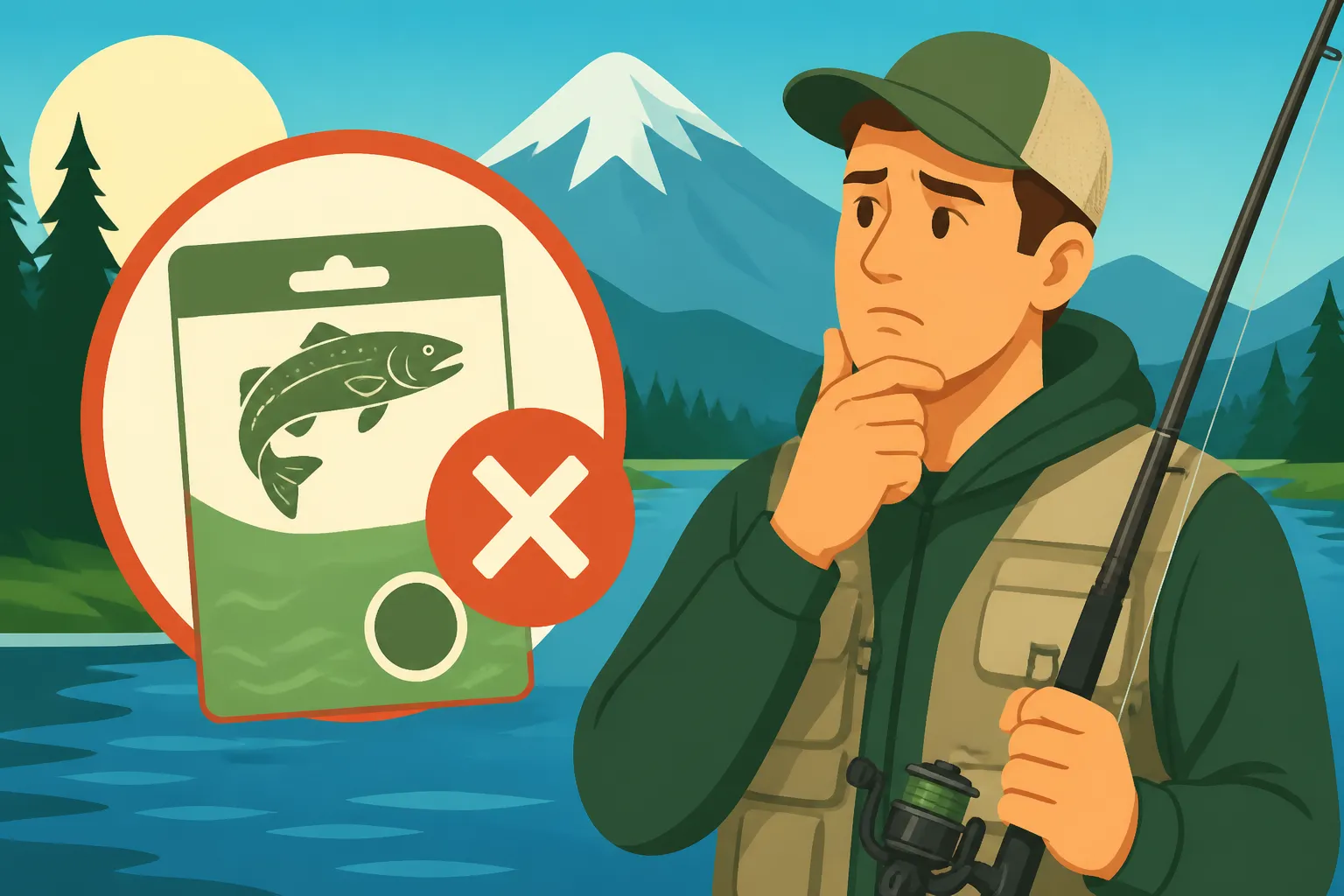
There's nothing quite as frustrating as heading out to your favorite Washington fishing spot, rods rigged, bait ready, only to realize at the last minute – or worse, when a WDFW enforcement officer asks – that your fishing license has expired. It's a common oversight, especially with different license types and varying validity periods. You're not alone in feeling confused by the system, but understanding exactly when your Washington fishing license expires is crucial for a stress-free day on the water and to avoid potential penalties. This guide will walk you through the nuances of Washington's license expiration dates, ensuring you're always legal and ready to cast.
Understanding the Standard Annual Fishing License Expiration
For most anglers in Washington State, the annual fishing license follows a very specific calendar, and it's not always intuitive for newcomers or those used to other states' systems. You might think "annual" means valid for 365 days from the purchase date, but in Washington, that's generally not the case for your main license.
The Uniform Expiration Date: March 31st
The vast majority of Washington's annual recreational fishing licenses, including the freshwater, saltwater, and combination options, all expire on March 31st of each year. This is a critical detail that often catches people off guard. It doesn't matter if you buy your annual license on April 1st, July 15th, or December 20th; it will still expire on the following March 31st. So, if you purchase a license on January 15th, your "annual" license is only valid for a little over two and a half months. This system is designed to align with the Washington Department of Fish and Wildlife's (WDFW) management cycle, which often sets new seasons and regulations effective April 1st.
Imagine you're planning a last-minute winter steelhead trip in February on a river like the Cowlitz River for Steelhead and Salmon in Washington. You might pick up an annual freshwater license, thinking it will last you through next winter. However, come April 1st, that license is invalid, and you'll need to purchase a new one to continue fishing for resident trout or early spring salmon. It's a system that requires a bit of foresight, particularly if you're buying late in the cycle. This consistent end date helps WDFW simplify their regulatory updates and revenue tracking.
This also means that the "value" of an annual license diminishes the later in the fishing year you purchase it. If you're a sporadic angler who only fishes a few times a year, buying an annual license in February might not be the most economical choice. Instead, you might find that short-term options are more suitable for those limited trips, saving you money in the long run. Always consider when you plan to do the bulk of your fishing to make an informed decision on your license purchase.
Why the Fixed Date Matters for Renewals
Knowing that all annual licenses expire on March 31st simplifies the renewal process, in a way. You don't have to remember a random purchase date from months ago. Instead, you can set a reminder for late March each year to renew your license. Many avid anglers make it a tradition to buy their new license as close to April 1st as possible to get the full year's use out of it. This ensures they're covered for spring trout openers, summer salmon seasons, and everything in between.
For example, if you typically start your fishing season targeting Puget Sound salmon in Marine Area 9, you'll want to ensure your license is current before you even think about heading out in April or May. It’s easy to get caught up in planning your gear, checking the tides, and figuring out the best lures, but forgetting that vital piece of paper or digital credential can ruin the whole outing. The WDFW website and various vendors typically begin selling the new licenses a few weeks before April 1st, making it convenient to renew in advance.
Keeping track of your license can also be made easier by using the official WDFW tools. You can often access your license details through the MyWDFW App, which means you don't have to worry about a physical copy getting lost or damaged. However, regardless of how you carry it, that March 31st date is the consistent endpoint for your annual validity.
Short-Term and Specialty Endorsement Expirations
While annual licenses have a fixed expiration date, Washington also offers various short-term licenses and specific endorsements that operate on different schedules. These are crucial to understand, especially if you're visiting or only planning a quick trip.
Short-Term Licenses: The Flexible Option
For those who don't fish regularly or are visiting Washington for a brief period, short-term licenses offer a flexible alternative to the annual option. Washington offers one-day and three-day fishing licenses. Unlike annual licenses, these operate on a "from purchase" validity.
A one-day license is valid for 24 hours from the exact moment of purchase. So, if you buy it at 8:00 AM on a Saturday, it will be valid until 7:59 AM on Sunday. This is perfect for a spontaneous trip or when you have a single day carved out for fishing. Similarly, a three-day license is valid for 72 consecutive hours from the moment you complete the purchase. This makes it ideal for a long weekend trip to explore different fishing spots, perhaps hitting a lake for trout one day and a river for salmon the next. You can often purchase these online, saving you a trip to a vendor. If you're wondering about the cost, you can find details on the One-Day Washington Fishing License Cost or Three-Day Washington Fishing License Cost on the WDFW site.
It's worth noting that while these short-term licenses offer flexibility, they still require you to adhere to all other regulations, including having the appropriate endorsements if you're targeting salmon or steelhead in specific areas. Just because it's a short-term license doesn't mean you get a pass on other requirements, so always read the current Washington Fishing Regulations Every Angler Should Know. Many anglers heading to the Olympic Peninsula for a quick steelhead adventure might opt for a three-day license, but they still need to understand the local river rules, barbless hook requirements, and any emergency closures in effect for rivers like the Sol Duc.
Endorsement Expirations: Tied to Your Base License
Many Washington fishing experiences require specific endorsements in addition to your base fishing license (freshwater, saltwater, or combination). The two most common are the Columbia River Salmon and Steelhead Endorsement and the Two-Pole Endorsement. The crucial thing to remember is that these endorsements do not have their own separate validity periods; they are tied directly to the expiration date of the base annual license they complement.
For instance, your Washington's Columbia River Salmon and Steelhead Endorsement, Explained will expire on March 31st, just like your annual freshwater or combination license. The same goes for the Two-Pole Endorsement, which allows you to fish with two rods in waters where it's permitted. If you renew your annual license, you must also renew your endorsements to continue fishing legally with those privileges. This means if you let your annual license lapse, your endorsements become invalid too, even if you just bought them a month prior.
This integrated expiration system can sometimes be overlooked. An angler might renew their main license but forget to add their Two-Pole Endorsement back on, leading to an awkward encounter with a WDFW officer if they're caught fishing with two rods. Always review your entire license package when renewing to ensure all the endorsements you need for your preferred fishing styles are current. You can typically add these endorsements when you purchase your main license, whether online or at a retail vendor like a local sporting goods store.
Special Cases, Confirmation, and Avoiding Expired License Woes
Even with a clear understanding of the general expiration dates, there are always a few edge cases or best practices that can save you a headache. Knowing how to quickly confirm your license status and understanding the implications of an expired license are vital components of responsible angling.
Confirming Your License Validity
In this digital age, confirming your license validity is easier than ever. While it's always a good idea to check the printed date on your physical license, the most reliable and up-to-date method is often through the official WDFW channels.
The MyWDFW mobile app is an incredibly useful tool for this. You can log in, access your profile, and see all your current licenses and endorsements, along with their exact expiration dates. This is particularly handy if you're already at the boat launch or riverbank and suddenly question if you remembered to renew. The app functions as a digital copy, which is legally sufficient when asked by an enforcement officer. You can learn more about Carrying Your Washington Fishing License: Paper, Phone or the MyWDFW App. You can also look up your license details on the WDFW licensing website by entering your customer ID and birthdate. Many retail vendors who sell licenses, such as those at Walmart or local tackle shops, can also look up your license status for you.
For instance, before embarking on a multi-day trip to Fishing Washington's Olympic Peninsula Rivers, where regulations can change quickly, a quick check on your MyWDFW app can provide peace of mind. Not only can you confirm your license, but the app also often links to current emergency rules, which are equally important. It's a small step that takes minutes but can prevent a ruined trip or a costly fine.
The Risk of an Expired License
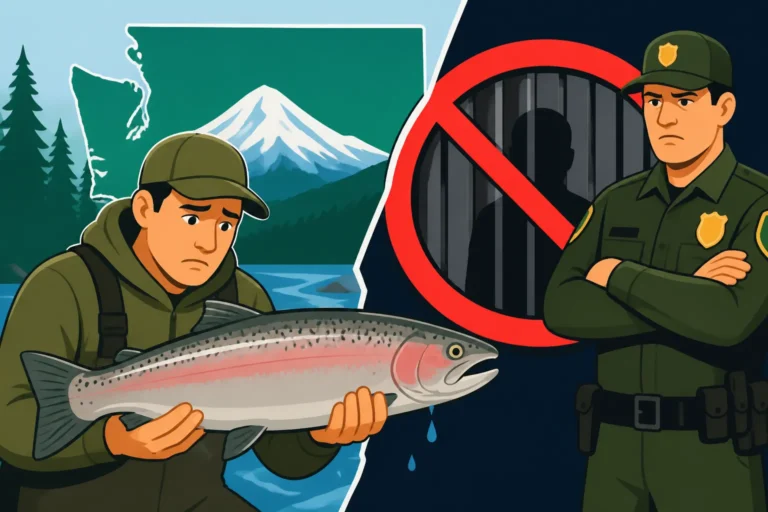
Fishing with an expired license in Washington is a serious offense, even if it's an honest mistake. The penalties can range from fines to, in more severe or repeated cases, the suspension of your fishing privileges. A typical fine for fishing without a license can be substantial, often in the hundreds of dollars, plus court fees. These are not minor tickets; they are legal citations that go on your record. If you are also caught with an illegal catch, or using illegal gear, the penalties can escalate significantly.
Consider a scenario: you’re fishing for lingcod off the Washington coast, excitedly reeling in a nice fish, when a WDFW patrol boat pulls alongside. You present your license, only to find it expired two weeks prior. Not only could you face a hefty fine, but any fish you've caught on that trip could be confiscated. It’s a frustrating and costly lesson that’s entirely avoidable. For a full understanding of the consequences, you might want to read up on Fines and Penalties for Common Fishing Violations.
To avoid this predicament, develop a habit of checking your license status well before your planned fishing trips. If you purchase your license online, save the confirmation email with the expiration date in an easily accessible folder. For those who prefer physical reminders, mark your calendar for March each year, or consider setting a recurring digital alert on your phone. Taking a moment to verify your license status is a small investment of time that offers huge returns in peace of mind and legal compliance.
Planning Your License Purchases Wisely
Given the fixed March 31st expiration for annual licenses, planning your purchase can maximize your fishing season and potentially save you money. The sweet spot for buying an annual license is usually right around April 1st. This gives you a full year of fishing opportunities, encompassing all the major seasons from spring trout planting to fall salmon runs.
If you know you're only going to fish heavily during certain months, say for summer kokanee in Lake Chelan and then again for fall salmon on the Columbia, consider if a short-term license aligns better with your actual fishing schedule. Sometimes, buying a couple of three-day licenses spread throughout the year can be more cost-effective than an annual license bought in, say, January. Always weigh the Washington Annual Fishing License Validity Period against your actual fishing frequency.
Additionally, remember that non-residents also adhere to these same expiration rules, though their Washington Fishing License Guide for Nonresidents will detail different costs. Whether you're a lifelong Washingtonian or visiting from out of state, the March 31st deadline and the "from purchase" rule for short-term licenses apply uniformly. Before hitting the water, a quick double-check on your license’s expiration date can ensure your day is filled with good catches and no unwelcome surprises. You can easily purchase or renew your license through the WDFW website or from numerous vendors found across the state, and even pick up some last-minute gear from retailers like Amazon for your next trip.
Washington Fishing License Expiration Overview
To make it even clearer, here's a quick overview of how different license types typically expire in Washington State:
| License Type | Expiration Rule | Notes |
|---|---|---|
| Annual Freshwater | March 31st of the following year | Regardless of purchase date. |
| Annual Saltwater | March 31st of the following year | Covers marine areas and saltwater species. |
| Annual Combination | March 31st of the following year | Most popular for versatility. |
| One-Day Freshwater/Saltwater | 24 hours from exact time of purchase | Ideal for short, spontaneous trips. |
| Three-Day Freshwater/Saltwater | 72 hours from exact time of purchase | Good for weekend excursions. |
| Columbia River Salmon/Steelhead Endorsement | Expires with the base annual license (March 31st) | Required for specific species on the Columbia and its tributaries. |
| Two-Pole Endorsement | Expires with the base annual license (March 31st) | Allows fishing with two lines where permitted. |
| Puget Sound Crab Endorsement | Expires with the base annual license (March 31st) | Necessary for recreational crabbing in Puget Sound. |
| Razor Clam License (Annual) | March 31st of the following year | For clamming on ocean beaches. |
This table provides a snapshot, but always remember to check the specific dates printed on your license or confirmed via the MyWDFW app, as rules can occasionally change or exceptions apply.
Disclaimer
The information provided in this guide is for general informational purposes only and does not constitute legal advice. Fishing regulations in Washington State can be complex and are subject to change by the Washington Department of Fish and Wildlife (WDFW). Always consult the current official WDFW Sport Fishing Regulations pamphlet and check for emergency rule changes before engaging in any fishing activity. It is the angler's responsibility to know and follow all applicable rules and regulations.