Washington’s Two-Pole Endorsement and Who Needs One
It can be incredibly confusing trying to figure out all the different endorsements and regulations in Washington State fishing. Many of us, myself included, have stood by the water, scratching our heads, wondering if that second rod we just set up is actually legal or if we're risking a ticket. This guide is here to untangle the specifics of Washington's Two-Pole Endorsement, explaining exactly what it is, who needs it, and where you can use it to avoid any unwelcome surprises.
What Exactly is the Two-Pole Endorsement?
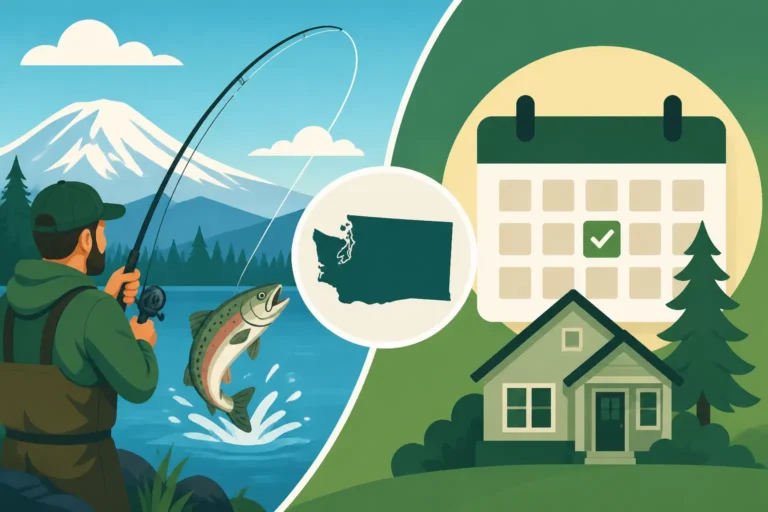
Picture this: you're out on your favorite lake or river, enjoying the peace and quiet, but secretly wishing you had just a little more coverage in the water. Maybe you want to try two different baits, or fish at two different depths, without constantly reeling in and re-casting a single line. That's precisely where the Washington Two-Pole Endorsement comes into play. It’s an additional stamp or authorization that, when added to your valid Washington fishing license, permits you to actively fish with two separate fishing poles simultaneously. Without it, you’re strictly limited to one rod in the water at a time, no matter how many you have rigged up in your boat or on the bank.
The Core Concept: More Rods, More Chances
At its heart, the two-pole endorsement is all about increasing your opportunity to catch fish. Think of it as doubling your odds, or at least your presentation options, without requiring an entirely separate fishing trip. For many anglers, especially those targeting species like trout in lakes or certain salmon runs in larger rivers, having two lines in the water means you can experiment with different lures, baits, or techniques at the same time. You could have a power bait setup on the bottom for trout while casting a spinner with your other rod, or drift a bead while bottom-bouncing roe for steelhead. It adds a layer of strategy and efficiency to your fishing that a single rod just can't provide. This isn't just about catching more fish; it's about making the most of your time on the water, trying different things, and learning what works best in various conditions.
Where It's Valid and Where It's Not
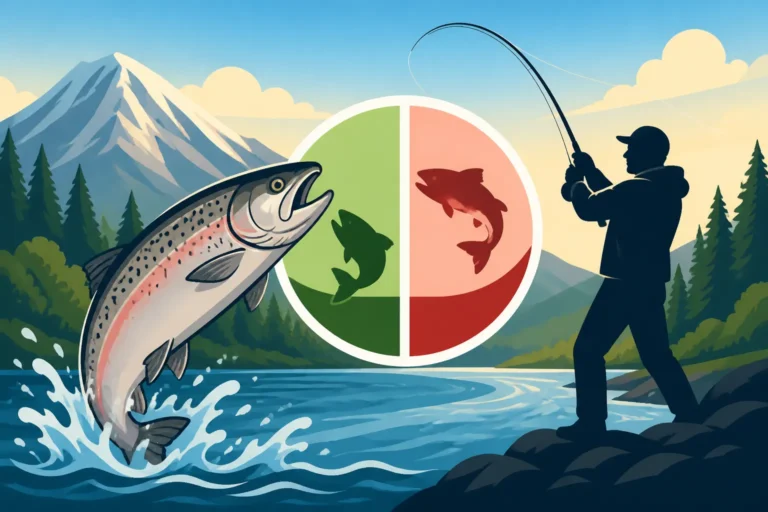
Here's where it gets a little tricky, and it’s a point of frequent confusion for many anglers. While the two-pole endorsement is a fantastic tool, it's not a universal pass to fish with two rods everywhere in Washington. The Washington Department of Fish and Wildlife (WDFW) has specific regulations that dictate where this endorsement applies. Generally, it's valid in freshwater lakes and many rivers and streams. However, there are significant exceptions. It is not valid in marine (saltwater) areas, including Puget Sound and the Pacific Ocean. So, if you're out salmon trolling in Puget Sound or bottom fishing off the coast, you're still limited to one rod per angler, regardless of whether you have the endorsement. Furthermore, specific rivers or sections of rivers, particularly those with sensitive wild fish populations like certain steelhead runs, might have special restrictions that override the two-pole endorsement. Always, always check the current Washington Sport Fishing Regulations Pamphlet before you head out, as rules can change seasonally or even with emergency updates. For example, you might find that while the endorsement is great for most lakes, some rivers are explicitly single-pole only for certain species or at certain times of the year, usually to protect spawning fish or sensitive stocks.
Why Does Washington State Have This Endorsement?
It's easy to look at an additional endorsement and think, "Another fee, another hurdle!" But the two-pole endorsement actually serves a few crucial purposes for Washington State, balancing angler opportunity with conservation efforts. It's not just a random rule; it’s part of a carefully considered strategy for managing our fisheries.
Managing Angler Pressure and Fish Stocks
One of the primary reasons for the two-pole endorsement is to manage angler pressure on specific fish stocks. While it might seem counterintuitive to allow more rods if you want to manage pressure, the system is designed to create more opportunity in areas that can sustain it, often hatchery-supplemented fisheries. By requiring an endorsement and a separate fee, the WDFW can better track participation and generate revenue specifically tied to this increased opportunity. This revenue then helps fund fisheries management, enforcement, and even hatchery programs that provide the fish for these enhanced opportunities. If everyone could just drop two lines anywhere, anytime, without any oversight, it could lead to unsustainable harvest rates in certain areas or during sensitive times for wild fish. The endorsement acts as a gatekeeper, allowing WDFW to open up more fishing options where appropriate, while maintaining tight controls in more fragile ecosystems.
Supporting Hatchery Programs and Opportunity
A significant driver behind the two-pole endorsement is its connection to hatchery fish programs. Washington State invests heavily in its hatcheries, rearing millions of trout and salmon annually to stock lakes and rivers, providing abundant fishing opportunities. These hatchery-raised fish are often the backbone of fisheries where the two-pole endorsement is most commonly used. By allowing anglers to fish with two poles, WDFW is essentially maximizing the recreational harvest of these hatchery fish. This strategy helps meet angler demand, reduces competition for wild fish, and allows anglers to target these robust populations more efficiently. The funds generated from the sale of these endorsements contribute directly to the operation and maintenance of these hatcheries, creating a cycle where angler fees support the programs that, in turn, enhance fishing opportunities. This is particularly relevant in areas like many lowland lakes that are heavily stocked with rainbow trout or certain river sections open to hatchery steelhead, where the goal is often to provide a high-volume, accessible fishery.
Who Needs to Buy a Two-Pole Endorsement?
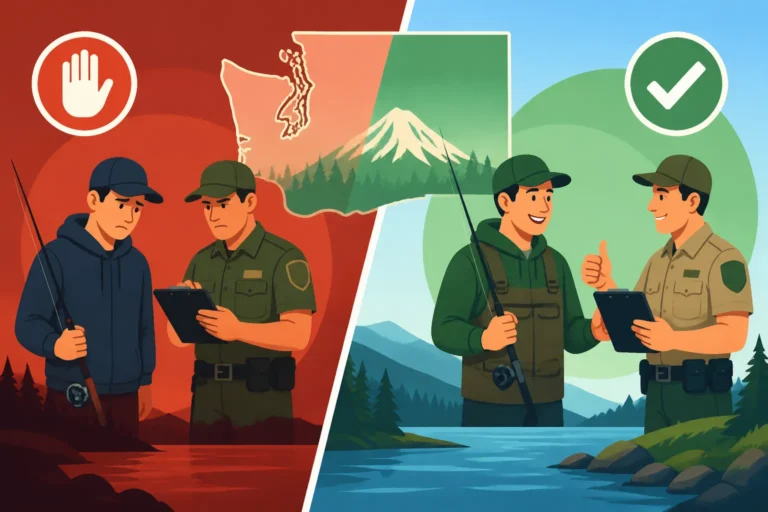
Understanding who needs this endorsement is really important to avoid any misunderstandings with game wardens, and to ensure you're fishing legally. It's not always as straightforward as you might think, especially when families or groups are involved.
Defining "Angler" in the Context of Multi-Rod Fishing
The simplest way to think about it is this: any individual angler who wishes to operate two fishing poles at the same time needs their own two-pole endorsement. It’s tied to the individual, not the boat, the bank, or the household. So, if you and a friend are fishing from the same boat, and both of you want to use two poles, then both of you need a valid fishing license and a two-pole endorsement. You can't just buy one endorsement for the boat and share it, or have one person with an endorsement manage multiple rods for others. Each person actively fishing with two poles must have their own. This often catches people off guard, especially when they're thinking of a casual family outing. If your spouse or child wants to try their hand at fishing with a second rod, they'll need their own endorsement (assuming they're old enough to need a license in the first place, which we'll get to). It's all about individual responsibility for the gear in the water under their control.
Exemptions and Common Misconceptions
While most anglers will need the endorsement to fish with two poles, there are a few important exemptions and common misconceptions to clear up:
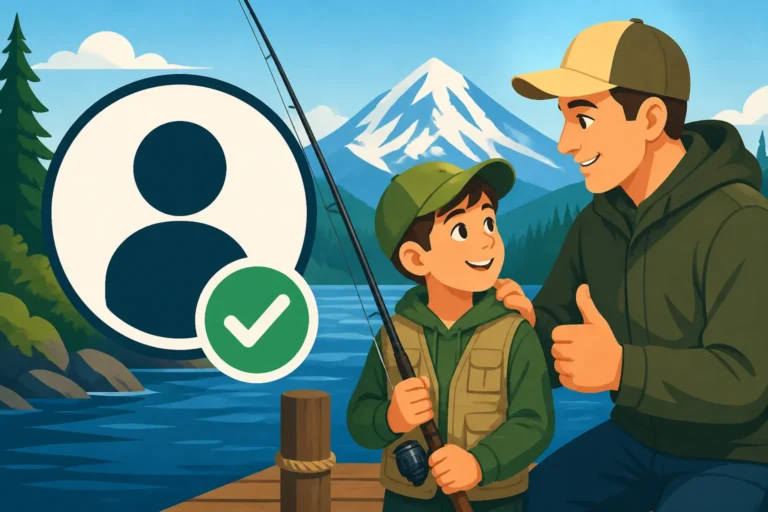
- Kids and Licenses: In Washington, kids under the age of 15 generally do not need a fishing license to fish for most species. This means they also do not need a two-pole endorsement to fish with two poles, as the endorsement is an add-on to a primary license. This is fantastic news for families, as it means your younger anglers can enjoy the added opportunity without the extra cost. However, be mindful of Do Kids Need a Fishing License in Washington? for any specific exceptions. Once a child turns 15, they are required to have a license, and if they want to use two poles, they will need the endorsement.
- Seniors: Washington does offer discounted licenses for resident seniors (70 years and older), but these licenses are still required. If a senior angler wishes to fish with two poles, they will still need to purchase the two-pole endorsement in addition to their discounted senior license. There isn't a free pass for two poles just because you've reached a certain age.
- Disabled Veterans and Other Special Licenses: Similar to seniors, while certain individuals may qualify for complimentary or reduced-fee licenses (e.g., disabled veterans, those with developmental disabilities), the two-pole endorsement is a separate purchase if they wish to utilize two rods.
- "Just holding it for a second": This is a classic one! Many anglers believe if they're "just holding" a second rod for a minute, or someone else's rod while they tie a knot, it's okay. Legally, if that second rod is in the water and you are operating it or could be perceived as operating it, you need the endorsement. It's safer to have only one rod in the water per licensed angler without the endorsement, or ensure anyone handling a second rod is also endorsed.
Let's summarize the basics with a quick table:
| Scenario | Fishing with One Pole (Any Species/Location where legal) | Fishing with Two Poles (Any Species/Location where legal) |
|---|---|---|
| Adult (15-69) | Requires valid WA Fishing License | Requires valid WA Fishing License + Two-Pole Endorsement |
| Resident Senior (70+) | Requires valid WA Senior Fishing License | Requires valid WA Senior Fishing License + Two-Pole Endorsement |
| Child (Under 15) | No License Required (for most species) | No Endorsement Required (for most species) |
| Marine Areas (Puget Sound, Ocean) | Requires valid WA Saltwater/Combination License | NOT ALLOWED (regardless of endorsement) |
| Specific Restricted Waters | Check regulations; may be single-pole only | NOT ALLOWED (even with endorsement) |
How to Purchase and Carry Your Endorsement
Getting your two-pole endorsement is pretty straightforward, thankfully, and there are several convenient ways to do it. The key is to make sure it's properly linked to your primary fishing license and that you have proof of it when you're out on the water.
Online, Retailers, and the MyWDFW App
Just like your regular fishing license, you have a few options for purchasing your two-pole endorsement:
- Online via the WDFW Licensing System: This is probably the easiest and most common method for many folks. You can head directly to the WDFW website, log into your WILD ID account, and purchase the endorsement digitally. It will be added to your existing fishing license profile. This is often the most convenient way to purchase Washington's Annual, Short-Term and Combination License Options as well.
- Authorized License Dealers: Many sporting goods stores, bait shops, and even some grocery stores across Washington are authorized WDFW license dealers. Places like Amazon (for gear, not licenses, of course!) or your local sporting goods store are great for picking up essentials, and the latter can also process your license and endorsement. Just ask the counter person for a two-pole endorsement when you purchase or renew your primary fishing license. They'll print it out for you right there.
- The MyWDFW App: Washington has embraced digital convenience with the MyWDFW app. If you've purchased your endorsement online or through a dealer, it should show up in your digital license profile on the app. This is a fantastic way to carry your license and endorsements without worrying about paper copies. It's increasingly becoming the go-to for checking Washington Fishing Regulations Every Angler Should Know and displaying your credentials.
When you're making your purchase, whether online or in person, make sure you explicitly ask for the "two-pole endorsement" or select it from the add-on options. It's a separate item from your basic freshwater or combination license.
Keeping It Handy: Digital vs. Physical Proof
Once you've bought your endorsement, the next crucial step is ensuring you can present proof of it if a WDFW enforcement officer asks. Getting caught without proof, even if you paid for it, can lead to fines, just like fishing without any license at all.
- Physical Copy: If you purchased your license and endorsement at a retail location, you'll receive a physical printout. It’s a good idea to keep this laminated or in a waterproof holder. Stuff it in your wallet, tackle box, or fishing vest. For those who prefer a tangible copy, you can also print a copy if you purchased online.
- Digital Proof (MyWDFW App): This is where the MyWDFW app shines. Your license, endorsements, and catch record cards (if applicable, which we'll discuss in a moment) are all accessible on your smartphone. This eliminates the worry of losing a paper copy or getting it wet. Just remember to keep your phone charged! This capability is covered more deeply in Carrying Your Washington Fishing License: Paper, Phone or the MyWDFW App.
- Screenshot/Photo: While the app is preferred, having a clear screenshot or photo of your license and endorsement on your phone is better than nothing, especially if you experience an issue with the app. However, WDFW generally prefers the official app or a physical copy.
Regardless of how you carry it, the key is accessibility. Make sure you can easily retrieve and present it if asked by a WDFW officer. It's a simple step that saves a lot of hassle.
Navigating the Nuances: Rules and Restrictions
Having the two-pole endorsement is great, but it’s not a blank check to do whatever you want. There are still layers of rules and species-specific limitations that you need to be aware of. This is where many anglers get tripped up, thinking the endorsement simplifies things when it actually adds a layer of complexity you need to understand.
Species-Specific Limitations
The two-pole endorsement is primarily designed for game fish like trout, kokanee, bass, and sometimes specific salmon and steelhead fisheries where hatchery fish are the target. However, it's critical to remember that specific species or individual bodies of water might have special rules that override the general two-pole allowance.
- Salmon and Steelhead: While you can use two poles for salmon and steelhead in some freshwater areas, this is often highly regulated. For instance, certain rivers might only allow a single pole for steelhead to protect wild stocks, even if you have the endorsement. Always consult the specific river rules in the pamphlet for salmon and steelhead. You might find a river where you can use two poles for hatchery steelhead, but a section upstream is strictly single-pole only. This is frequently seen on rivers that have both hatchery and wild runs, where efforts are made to protect the wild populations. This is often covered in detail under Can You Fish Two Lines From a Boat in Washington? and How Many Rods You Can Fish at Once in Washington.
- Bottomfish and Halibut: As mentioned earlier, marine waters (saltwater) are generally single-pole only. This means if you're out fishing for lingcod, rockfish, or halibut in Puget Sound or off the coast, your two-pole endorsement is not valid, and you must adhere to the one-rod rule.
- Trout and Kokanee: These are often the poster children for two-pole fishing in Washington's lakes and reservoirs. Many of the state's abundant trout and kokanee fisheries are ideal for using two rods, allowing you to cover different depths or try various lures. For example, you could be trolling a Wedding Ring for Kokanee on one rod while jigging a small spoon on the other. Even here, however, always double-check the specific lake regulations, as some small, sensitive lakes might have specific gear restrictions. For Washington River Trout Limit and lake limits, the two poles still contribute to your daily bag.
The takeaway? Don't assume. Always cross-reference the endorsement's general allowance with the specific rules for the species you're targeting and the water you're fishing.
How the Endorsement Interacts with Daily and Possession Limits
This is another point of significant confusion. Having a two-pole endorsement does not double your daily bag limit or your possession limit. It simply allows you to use more gear to reach that limit more efficiently.
- Daily Bag Limit: If the daily limit for rainbow trout is 5 fish, you can still only keep 5 fish, regardless of whether you're using one pole or two. If you catch your limit on your first pole, you must stop fishing with both poles for that species. This is a crucial concept, detailed further in How Bag and Possession Limits Work in Washington. Exceeding the daily limit, even accidentally, is a serious violation.
- Possession Limit: Similarly, the possession limit, which dictates how many fish of a certain species you can have in your possession (whether on your person, in your cooler, or at your campsite) does not change.
- Catch Record Card: If you're fishing for species that require a Catch Record Card (like salmon, steelhead, or sturgeon), you still need to adhere to all the recording requirements. The endorsement doesn't change how you report your catch. If you keep a salmon on your second pole, it's still just one fish that goes on your card.
The core principle here is that the endorsement is about opportunity and method, not about increasing your harvest allowance. It helps you fill your legal limit, not exceed it.
Special Rules for Specific Waters (e.g., Lakes vs. Rivers, Marine Areas)
As briefly touched upon, the applicability of the two-pole endorsement can vary wildly depending on the type of water body you're fishing.
- Lakes: Generally, lakes are the most common and widely open waters for two-pole fishing. This is where the endorsement really shines, allowing anglers to target kokanee, trout, bass, and other warmwater species more effectively. Most lowland lakes and many high-country lakes that are stocked fall into this category. The question Do You Need a Two-Pole Endorsement on Lakes? is often answered with a resounding "yes" if you plan to use two lines.
- Rivers and Streams: This is where the rules get particularly granular. While many sections of larger rivers, especially those with strong hatchery programs like parts of the Cowlitz River or Kalama River, might allow two poles for certain species at certain times, others will be strictly single-pole. Wild Steelhead rivers, for example, are often single-pole only to minimize impact on fragile populations, or might have specific gear restrictions like barbless hooks. Always consult the specific river rules in the WDFW pamphlet. A general rule of thumb is that if a river has very specific restrictions on gear, bait, or catch-and-release, it's more likely to be a single-pole fishery.
- Marine Areas: No matter how many endorsements you have, fishing in Washington's saltwater marine areas (Puget Sound, coastal waters) is always limited to one rod per angler. The two-pole endorsement simply doesn't apply here.
The rule of thumb should always be: "When in doubt, check the regulations." The WDFW regulations pamphlet (available online and at license dealers) is your best friend. It explicitly lists exceptions and special rules for specific waters. Don't rely on what you "heard" from another angler or what was allowed last year, as rules can and do change.
Potential Benefits and Drawbacks of a Two-Pole Endorsement
Like any tool or regulation, the two-pole endorsement comes with its own set of advantages and disadvantages. Understanding both sides can help you decide if it's the right fit for your fishing style and priorities.
The Advantage: Increased Opportunity and Efficiency
For many, the benefits of the two-pole endorsement are clear and compelling. The primary advantage is the significantly increased opportunity and efficiency it brings to your fishing experience.
- Experimentation: With two poles, you can effectively test different baits, lures, or techniques simultaneously. One rod might have a slow-moving worm rig on the bottom, while the other is actively casting a spinner or drifting a float. This allows you to quickly figure out what the fish are biting on that day, in that specific location. It's like having a scientific experiment running in real-time.
- Targeting Different Depths/Areas: If you're fishing a deep lake, you can have one bait presented shallow and another deep, increasing your chances of finding where the fish are holding. From the bank, you could cast one pole far out and keep another closer to shore, covering more water. This versatility is invaluable, especially in new waters or when fish patterns are unpredictable.
- Maximizing Time: Let's face it, our time on the water is precious. The two-pole endorsement helps you make the most of it. If you're plunking for salmon on a large river like the Columbia, you can have two setups deployed, doubling your scent trail and presentation options. If one rod snags, you still have another in the water. This efficiency can lead to more consistent bites and, ultimately, more fish within your legal limits. Many anglers find that investing in specialized rod holders for their boat or bank setup, often found on Amazon, helps manage two rods comfortably and safely.
- Increased Enjoyment: For some, it simply adds more action and engagement to the day. Constantly monitoring two lines, watching two bobbers, or feeling for two different bites can be more exciting and mentally stimulating than focusing on just one. This enhanced engagement can be particularly appealing to active anglers who love to multi-task and optimize their approach.
The Responsibility: Adhering to All Regulations
While the benefits are attractive, the two-pole endorsement also comes with increased responsibility. It doesn't make fishing simpler; it actually demands a higher level of attention to detail and adherence to the myriad of rules.
- Risk of Violations: The most significant drawback is the increased risk of accidentally violating regulations. With two poles in the water, it's easier to inadvertently exceed a Daily Limit for Chinook in Puget Sound or a Daily Steelhead Limit in Washington if you're not paying close attention. You might catch a fish on one rod, and before you've even landed it, the other rod gets a bite. You must immediately stop fishing with the second pole if you've reached your limit on the first. The same goes for species-specific rules: accidentally catching a protected wild steelhead on a second pole where it's catch-and-release only means you now have two fish to deal with (one to release, one to potentially explain).
- Active Control: WDFW regulations generally require you to be in "active control" of your fishing gear. This means you need to be close enough to tend both rods effectively. You can't set up one rod on the bank, walk 100 yards downriver, and set up a second. You need to be able to respond to a bite on either rod promptly. This often limits how far apart you can place your two rods, especially in a crowded bank fishing scenario.
- Complexity for Beginners: For brand-new anglers, managing two poles can be overwhelming. Learning how to cast, identify bites, and properly land a fish with one rod is enough of a challenge. Adding a second rod can complicate things, potentially leading to tangled lines, missed bites, or frustration. It's often best for beginners to master the single-pole technique before upgrading to the endorsement.
- Cost: While not exorbitant, it's an additional fee on top of your standard license. For someone who only fishes occasionally or only uses one pole, it's an unnecessary expense. For instance, a Washington resident freshwater license costs around $30, while the two-pole endorsement adds another $15-$25. It's not a huge amount, but it adds up, especially if you also need a Washington's Columbia River Salmon and Steelhead Endorsement, Explained.
Ultimately, the decision to get a two-pole endorsement depends on your fishing style, experience level, and the types of water you typically fish. For those who want to maximize their time and experiment with different tactics in appropriate freshwater fisheries, it's an invaluable tool. For others, particularly beginners or those who primarily fish marine waters, it might be an unnecessary complication and expense.
Disclaimer
Please remember that fishing regulations, seasons, and rules in Washington State can change frequently, sometimes on short notice, due to in-season adjustments or emergency rules set by the WDFW. Always consult the most current official WDFW regulations pamphlet and check for emergency rule changes before you go fishing to ensure compliance. This guide is for informational purposes only and should not be considered a substitute for the official regulations.