Fishing Washington’s Olympic Peninsula Rivers
Trying to navigate the incredible, yet often confusing, world of fishing Washington's Olympic Peninsula rivers can feel like cracking a secret code. You dream of those pristine waters, the legendary wild steelhead, and the powerful salmon, but then you get tangled up in emergency rule changes, selective gear restrictions, and which river is even open. This comprehensive guide is here to untangle all that, giving you the realistic, in-depth scoop on how to successfully and responsibly fish these majestic waterways.
The Allure of Olympic Peninsula Rivers for Anglers
There’s just something different about the Olympic Peninsula. It’s not just another fishing destination; it’s an experience that calls to a specific kind of angler. You feel it the moment you leave the bustling urban centers behind and drive into the deep, emerald forests. This isn't manicured nature; it’s wild, raw, and utterly captivating.
Why the Olympic Peninsula is a Special Destination
The Olympic Peninsula is truly a gem in the Pacific Northwest, a place where the mountains meet the sea in a dramatic fashion. These rivers, fed by glacier melt and abundant rainfall, carve their way through ancient rainforests before emptying into the Pacific Ocean. What makes them so special for fishing? It’s primarily the wildness. These aren't heavily stocked, urban fisheries. This is where you find some of the last strongholds of wild salmon and steelhead, fish that have never seen the inside of a hatchery. The sheer fight and natural beauty of these native species are unparalleled. You're casting into waters that have supported these runs for millennia, surrounded by towering trees and often, absolute solitude. This ecosystem is a vibrant tapestry, offering not just steelhead and salmon, but also opportunities for resident and sea-run cutthroat trout, which can provide excellent sport on lighter tackle.
The untouched nature of the landscape means the rivers themselves are often pristine, offering incredible water clarity outside of major rain events. This clarity, combined with the wildness of the fish, makes for incredibly rewarding angling, challenging you to refine your techniques and truly connect with the environment. It's a place where you might see elk grazing on the riverbanks, eagles soaring overhead, or even a bear lumbering through the woods. It's more than just catching fish; it's immersing yourself in an ecosystem that feels ancient and vibrant.
Understanding the Unique Challenges and Rewards
Now, let's be realistic: fishing the Olympic Peninsula isn't always easy. It’s definitely not for the faint of heart or those who prefer guaranteed catches every time. The weather can be notoriously unpredictable, swinging from clear, crisp days to torrential downpours in a matter of hours. This means river conditions can change rapidly, with water levels fluctuating dramatically, affecting both access and fish behavior. One day you might have perfect flows, the next the river could be high and muddy from a fresh storm. This constant variability demands flexibility, patience, and a willingness to adapt your plans.
Regulations are another significant hurdle. The Washington Department of Fish and Wildlife (WDFW) frequently implements emergency rule changes, especially for sensitive wild steelhead runs, which means the rules you read last week might be different this week. It's frustrating, I know, but it’s crucial for conservation. You absolutely have to be on top of the latest updates. Access to some prime spots can also be limited, requiring long drives down logging roads or hikes through dense brush.
However, for those willing to embrace these challenges, the rewards are immense. Landing a magnificent, chrome-bright wild steelhead or a powerful Chinook salmon in a remote, untouched setting is a memory that will stick with you for a lifetime. The solitude, the beauty, and the sheer accomplishment of fooling a truly wild fish in its natural element are what keep anglers coming back, year after year, despite the difficulties. It's a true test of skill, endurance, and passion, and for many, that's precisely why it's so appealing.
Key Rivers of the Olympic Peninsula
The Olympic Peninsula is crisscrossed by numerous rivers, each with its own character, challenges, and angling opportunities. While many smaller streams offer fantastic fishing, a few stand out as legendary destinations for their size, fish runs, and sheer beauty.
The Hoh River: A Wild Steelhead Sanctuary
The Hoh River is, without a doubt, one of the most revered rivers on the Olympic Peninsula, particularly famous for its incredible wild winter steelhead. Flowing directly from the Olympic Mountains through the Hoh Rainforest, it's a designated Wild Steelhead Gene Bank river, meaning it's managed primarily for wild fish populations, with strict regulations to protect them. This designation makes it a truly special place, but it also means anglers need to be extra vigilant about the rules.
Fishing here often means practicing catch-and-release for all wild steelhead, typically with selective gear rules in place. This includes regulations like single-point, barbless hooks and often bait bans. It's not uncommon to hear about The Hoh River's Winter Steelhead Season being a prime window for targeting these magnificent fish. Access can be found in various spots, including near the Hoh Rainforest Visitor Center, although much of the upper river flows through Olympic National Park where fishing rules can differ or be entirely prohibited depending on specific areas. The lower river offers more conventional access points.
Successfully fishing the Hoh requires patience and skill. The clear, deep pools and sweeping runs are where these powerful fish often hold. Anglers frequently drift offerings like jigs, beads, or small floats, or swing flies through promising water. The wild fish here are notoriously powerful, making for epic battles that truly test your gear and resolve. The experience of fishing the Hoh is as much about the majestic scenery – the moss-draped trees, the pristine water – as it is about the fish themselves. It's a place that demands respect and rewards effort with unparalleled encounters.
The Sol Duc River: Iconic for Steelhead and Salmon
The Sol Duc River is another iconic Olympic Peninsula waterway, known for its diverse runs of both salmon and steelhead. It's a medium-sized river that offers something for every season. In the winter, the Sol Duc sees strong runs of winter steelhead, attracting anglers from all over the world. These fish are known for their hot, acrobatic fights, making them a prime target for both drift fishing and fly angling. As spring approaches, it also gets a push of summer steelhead, though generally in smaller numbers than the winter run.
Beyond steelhead, the Sol Duc is a fantastic salmon river. You'll find strong runs of Chinook (King) salmon, particularly in the fall, followed by robust pushes of Coho (Silver) salmon. In some years, there are also opportunities for Chum salmon. This means you can often fish the Sol Duc throughout the fall and winter, targeting different species as their runs peak. The river offers a good mix of accessible bank fishing spots, particularly around the Sol Duc Hatchery, and drift boat opportunities. However, like all rivers on the Peninsula, water levels are critical. Too high and it’s a muddy torrent; too low and fish can be hard to find and spook easily.
Given its popularity, especially for steelhead, it’s not uncommon to find areas with a bit more angling pressure than the Hoh. However, the river is large enough to spread out, and the fish runs are typically strong enough to offer good prospects. Checking the WDFW regulations is always a must, as rules for specific stretches, gear types, or retention can change frequently. If you're looking to explore Fishing the Sol Duc River for Wild Steelhead in Washington, be prepared for a truly memorable experience, combining challenging fishing with stunning natural beauty.
The Quillayute River System: Gateway to the Coast
The Quillayute River isn't just one river; it's a sprawling system that includes its major tributaries: the Bogachiel, Calawah, and Dickey rivers. This collective system drains a significant portion of the western Olympic Peninsula and serves as a vital pathway for salmon and steelhead heading to and from the Pacific Ocean. It’s arguably one of the most important and productive systems on the entire peninsula, offering year-round fishing opportunities for various species.
The "Quillayute," as it's often referred to, is the main stem formed by the confluence of the Sol Duc, Bogachiel, and Calawah. Its proximity to the town of Forks makes it a convenient base for anglers exploring the region. In the fall, the system bursts to life with powerful runs of Chinook and Coho salmon, providing incredible opportunities for both bank and drift boat anglers. As winter approaches, the focus shifts to the legendary winter steelhead, with all three major tributaries (Bogachiel, Calawah, Dickey) and the main Quillayute hosting strong runs. The Bogachiel and Calawah are particularly renowned for their winter steelhead fishing.
Due to the size and complexity of the system, understanding specific regulations for each tributary and stretch is absolutely crucial. Different sections might have varying gear restrictions, bait rules, or catch limits. For instance, some areas might be selective gear only, while others allow bait. The diverse nature of Fishing the Quillayute River System in Washington means you can often find fish somewhere in the system, even when one particular river might be blown out or slow. It’s a dynamic fishery that rewards local knowledge and diligent homework. Many guides base their operations around Forks precisely because of the consistent opportunities this expansive river system provides.
The Queets and Clearwater Rivers: Remote Wilderness Experiences
For anglers seeking true solitude and a deep dive into the wilderness, the Queets and Clearwater rivers offer an unparalleled experience on the Olympic Peninsula. These rivers are more remote than the Hoh or Sol Duc, often requiring more planning, effort, and sometimes even special permits for access through tribal lands or Olympic National Park. The Clearwater is a tributary of the Queets, and both are known for their exceptionally wild and pristine environments.
Fishing on the Queets and Clearwater is largely about wild fish. These systems have fewer hatchery programs, leading to incredibly strong, untamed steelhead and salmon runs. This means regulations here are often very strict, emphasizing catch-and-release for wild fish and often imposing selective gear rules, bait bans, and single-point barbless hook requirements. The journey to these rivers is often part of the adventure itself, with long stretches of gravel roads and limited facilities, reinforcing the feeling of being truly off the grid.
Because of their remoteness and the focus on wild fish conservation, these rivers typically experience less fishing pressure than their more accessible counterparts. This translates into a more intimate, solitary angling experience, where your main company might be the abundant wildlife. Targeting winter steelhead on the Queets or Clearwater is a bucket-list item for many serious anglers, a test of skill, endurance, and respect for nature. It's not a place for a casual day trip; it’s a destination for dedicated anglers who value the wilderness experience as much as the fish itself. Always check with the WDFW and, if applicable, tribal authorities for the most current access and fishing regulations before venturing out.
Essential Species to Target and When to Find Them
The Olympic Peninsula rivers are a vibrant ecosystem, supporting a variety of anadromous fish species that offer distinct angling experiences throughout the year. Knowing what to target and when to find them is key to a successful trip.
Winter Steelhead: The Crown Jewel
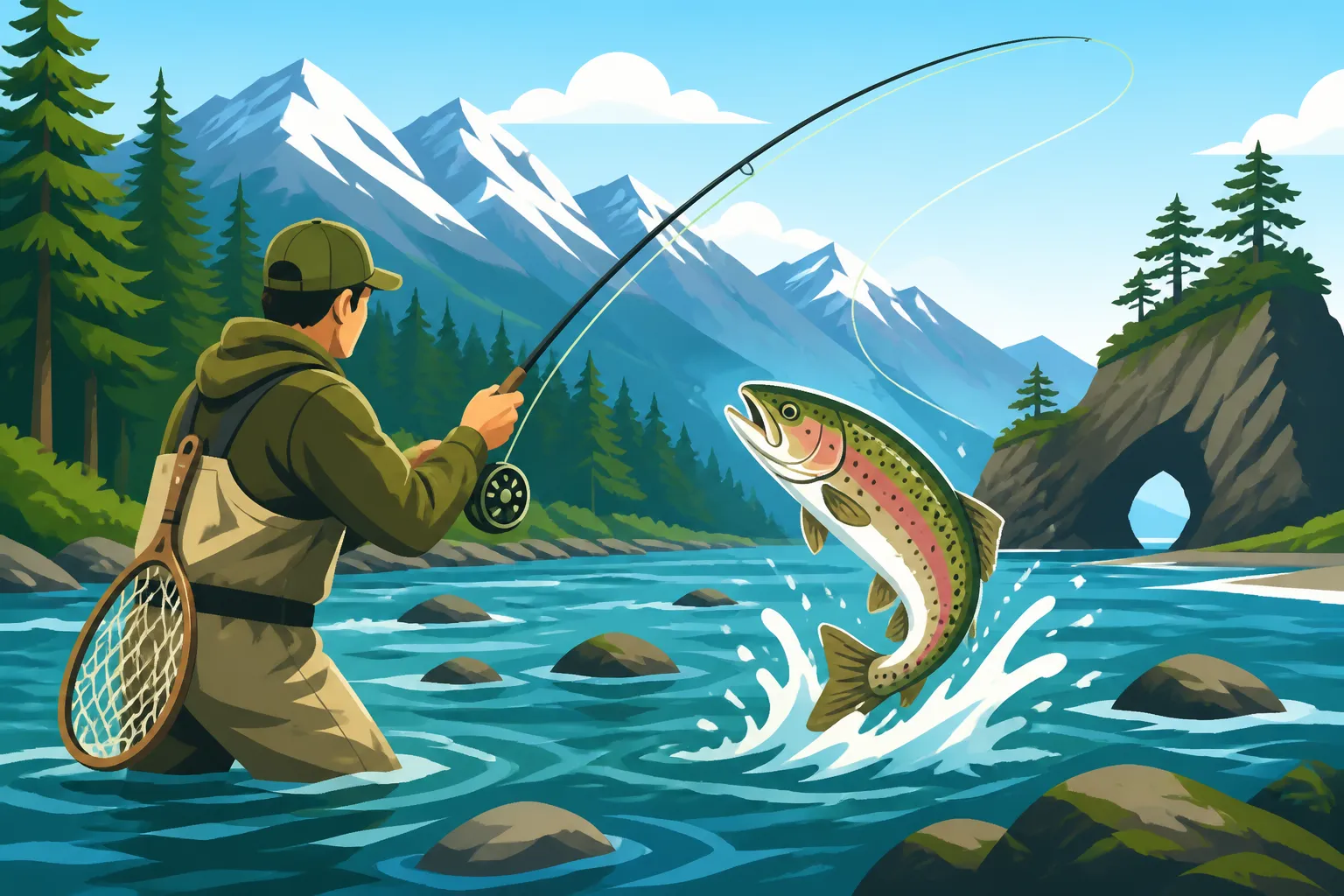
When you talk about fishing the Olympic Peninsula, "winter steelhead" is often the first thing that comes to mind. These ocean-run rainbow trout are, for many, the ultimate prize. They begin entering the rivers in late fall, typically peaking from December through March, and can even be found well into April in some systems. These are powerful, chrome-bright fish that have spent several years in the Pacific Ocean, packing on muscle and developing an incredible fighting spirit. They are renowned for their acrobatic jumps and long, drag-screaming runs, making every hook-up an unforgettable battle.
Targeting winter steelhead requires a specific approach. Techniques popular on these rivers include drift fishing with weighted setups using baits (where legal), jigs, or beads; float fishing with jigs or cured roe under a bobber; and various fly fishing methods, particularly spey casting or nymphing. The choice often depends on water conditions – higher, off-color water might favor larger, brighter offerings and heavier gear, while lower, clearer flows call for finesse, smaller presentations, and lighter leaders.
It’s crucial to understand the difference between Winter vs Summer Steelhead Runs in Washington, Explained. While summer steelhead are present on some Olympic Peninsula rivers, the winter run is by far the most celebrated and abundant. These fish are often wild, meaning strict catch-and-release rules apply to protect their populations. Successfully landing and releasing a wild Olympic Peninsula winter steelhead is a deeply rewarding experience, connecting you to the wild heart of the region.
Salmon Runs: Chinook, Coho, and Chum
Beyond steelhead, the Olympic Peninsula rivers host impressive runs of Pacific salmon, primarily Chinook, Coho, and Chum. These provide exciting fishing opportunities, particularly in the fall months.
-
Chinook (King) Salmon: These are the largest of the Pacific salmon, known for their brute strength and size. They typically enter the rivers from late summer through early fall, peaking in September and October. Targeting Chinook often involves heavier gear, back-trolling plugs, drift fishing large presentations like cured roe, or throwing substantial spinners. While often associated with larger systems like the Columbia River, the Quillayute system, Hoh, and Sol Duc all see significant Chinook runs. Catching one of these titans is a true test of strength and endurance. Understanding When Chinook Salmon Run in Washington's Puget Sound can give you a general idea, but specific OP river timings may vary slightly.
-
Coho (Silver) Salmon: Coho are incredibly popular due to their aggressive nature and acrobatic fights. They typically follow the Chinook, entering the rivers from September through November, with some runs extending into December. Coho readily strike a variety of lures, including spinners, spoons, jigs, and flies. They are also responsive to drift fishing with roe or even bobber-dogging techniques. Their willingness to bite and their spectacular aerial displays make them a favorite among many anglers.
-
Chum Salmon: While sometimes overlooked, Chum salmon offer fantastic sport, especially as they get closer to spawning. They are powerful fish, often weighing in at 10 to 20 pounds, and are incredibly aggressive when hooked. Chum typically arrive in the late fall, from October through December. They are often targeted with brightly colored jigs, flies, or even large twitching jigs. While their table quality declines rapidly once they enter freshwater, their fighting ability makes them a blast to catch.
Each salmon species offers a unique challenge and flavor of fishing, ensuring that the fall months are a vibrant time to be on the Olympic Peninsula rivers. Always verify current bag limits and retention rules, as they can fluctuate based on forecasted returns.
Resident and Sea-Run Cutthroat Trout
While salmon and steelhead grab the headlines, the Olympic Peninsula rivers are also fantastic grounds for various trout species, most notably resident and sea-run cutthroat trout. These beautiful native trout offer more consistent, year-round opportunities and can be incredibly fun to pursue, often with lighter tackle or a fly rod.
Resident Cutthroat Trout spend their entire lives in freshwater. They are abundant in many of the smaller tributaries and the upper reaches of the larger rivers. These fish typically range from 8 to 14 inches but can occasionally grow larger. They are opportunistic feeders and can be caught on small spinners, spoons, worms, or a variety of dry flies, nymphs, and streamers. They provide excellent sport, especially during the warmer months when steelhead and salmon runs might be sparse or closed.
Sea-Run Cutthroat Trout are a unique anadromous subspecies that migrate between freshwater rivers and the saltwater of Puget Sound or the Pacific Coast. On the Olympic Peninsula, they are often found in the lower stretches of rivers, especially during spring and fall, when they are transitioning. These fish are known for their distinctive orange or red slash under their jaw and their aggressive strikes. They tend to be larger than resident cutthroat, often reaching 16 to 20 inches, with some exceeding that. Fly anglers particularly enjoy targeting sea-runs with streamer patterns that imitate baitfish, while spin fishers find success with small spinners and spoons. They are a fantastic target when other species are not in season or when you're looking for consistent action. For more on these incredible fish, you can check out details on Sea-Run Cutthroat in Washington's Puget Sound, keeping in mind their behavior is similar on the coast. These trout embody the wild spirit of the Olympic Peninsula and offer rewarding angling for those who appreciate finesse and year-round opportunities.
Navigating Regulations and Ethical Angling
Fishing on Washington's Olympic Peninsula rivers isn't just about knowing where the fish are; it's also about understanding and respecting the complex web of regulations designed to protect these precious resources. Staying informed and practicing ethical angling are paramount.
Understanding Washington's Complex Regulations
The regulations governing fishing on the Olympic Peninsula rivers can feel like a moving target, and for good reason: they often are. The Washington Department of Fish and Wildlife (WDFW) manages these fisheries with a strong emphasis on conservation, particularly for wild steelhead and salmon. This means rules can change mid-season, sometimes with very little notice, through what are known as emergency rule changes. You absolutely cannot rely on a printed pamphlet from last year or even last month.
Before every single trip, it is your responsibility to check the latest WDFW regulations. Their website is the most up-to-date source, listing all emergency rule changes. These changes can affect everything from open dates, specific species allowed for retention, daily bag limits, and perhaps most importantly on the Olympic Peninsula, gear restrictions. You'll frequently encounter "selective gear rules," which might mean no bait, barbless hooks only, or specific hook configurations. Some rivers or stretches might have "bait bans" permanently or seasonally, while others allow it. Knowing the difference between single-point, barbless hooks and treble hooks is vital, as using the wrong one can lead to a hefty fine. For a broader overview, take a look at Washington Fishing Regulations Every Angler Should Know.
Beyond WDFW rules, remember that some rivers flow through tribal lands, and tribal regulations may apply, sometimes requiring separate permits or adherence to different rules. Always be aware of your location and respect all posted signage. The complexity can be frustrating, but it's a small price to pay for helping ensure these incredible fisheries remain viable for future generations.
Catch-and-Release Practices for Wild Fish
Given the emphasis on conservation, especially for dwindling wild steelhead and salmon populations, practicing proper catch-and-release is not just a recommendation—it's often a legal requirement and an ethical imperative on the Olympic Peninsula. When rules specify "catch-and-release only" for wild fish (typically identified by an intact adipose fin), it means you must release them unharmed.
Proper catch-and-release techniques minimize stress and injury to the fish, significantly increasing its chances of survival. Here are some key guidelines:
- Minimize Fight Time: Land the fish as quickly as possible without over-stressing it.
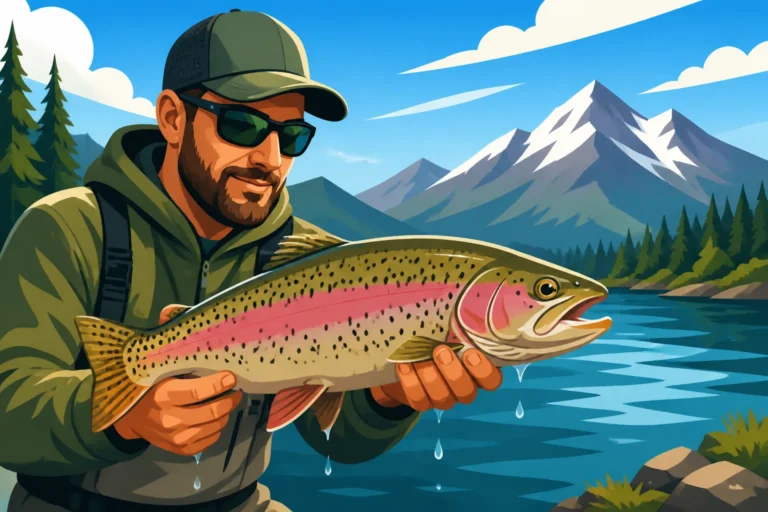
- Keep the Fish in Water: Avoid removing the fish from the water whenever possible. If you need a photo, do it quickly with the fish partially submerged.
- Wet Hands: Always wet your hands before touching the fish to protect its protective slime coat.
- Barbless Hooks: Mandated in many areas, barbless hooks allow for easy and quick removal, reducing damage.
- Use Pliers/Forceps: Have a tool ready to quickly dislodge the hook.
- Avoid Squeezing: Never squeeze the fish, especially around its belly or gills. Support it gently.
- Revive Properly: If a fish is exhausted, hold it gently upright in a current, facing upstream, allowing water to flow over its gills until it swims away under its own power. Don't push it prematurely.
Understanding Wild Steelhead Release Rules on Washington's Olympic Peninsula Rivers is absolutely critical, as fines for illegally retaining a wild fish can be substantial, and the ethical impact is even greater. Our actions on the river directly contribute to the health and future of these wild populations.
The Washington Catch Record Card
If you plan to retain any salmon, steelhead, halibut, or Puget Sound crab, a Washington Catch Record Card is an absolute non-negotiable requirement. This isn't just a formality; it's a vital tool for WDFW to monitor fish populations and manage fisheries sustainably. Failing to possess one when needed, or failing to fill it out correctly, can result in fines and penalties.
You receive a Catch Record Card (CRC) when you purchase your annual or short-term fishing license. It’s a physical card with specific sections for each species. The critical part is knowing when to fill it out:
- Salmon and Steelhead: Any time you retain a salmon or steelhead, you must immediately and completely fill in the required information on your CRC before continuing to fish. This includes the date, species, and location. If you keep a hatchery-marked fish (adipose fin clipped), you record it. If you catch a wild fish you intend to release, you do not record it, but you must release it unharmed.
- Halibut and Sturgeon: Similar immediate recording requirements apply if you retain these species.
- Puget Sound Crab: Specific sections are for crabbing, recording your catch before you leave the fishing area.
At the end of the year, or by a specific deadline (usually around January 31st of the following year), you must return your CRC to WDFW, even if you didn't catch anything. This data helps biologists understand catch rates and inform future management decisions. Losing your card means you must report that to WDFW. You can learn more about its requirements by checking out The Washington Catch Record Card and What It Requires. It’s a simple but incredibly important responsibility for every angler in Washington.
Gear, Techniques, and Strategies for Success
Successfully fishing the Olympic Peninsula rivers demands not only the right mindset and adherence to regulations but also a solid understanding of appropriate gear, effective techniques, and strategic approaches. These rivers are dynamic, and being prepared for various conditions will significantly increase your chances of success.
Rods, Reels, and Line for River Fishing
Choosing the right tackle is fundamental for Olympic Peninsula river fishing, largely dictated by the target species and prevalent conditions.
-
Steelhead Rods: For drift fishing or float fishing for winter steelhead, a medium-heavy spinning or casting rod, typically 9 to 10.5 feet long, is ideal. These longer rods provide better line control for mending, shock absorption for strong runs, and the ability to cast heavy rigs. A rod with a fast action tip and a strong backbone is crucial for setting hooks and battling large fish in current. For fly anglers, spey or switch rods (11-14 feet, 6-8wt) are popular for swinging flies, offering excellent casting efficiency and the power to handle big fish. Single-hand fly rods (9-10 feet, 8-9wt) are also effective for nymphing or throwing streamers.
-
Salmon Rods: When targeting powerful Chinook or Coho salmon, slightly heavier gear is often preferred. A medium-heavy to heavy power spinning or casting rod, often 8.5 to 9.5 feet in length, will provide the necessary leverage. For back-trolling plugs from a boat, stout 8 to 9-foot rods are common. The sheer power of these fish demands a reel with a smooth, reliable drag system and ample line capacity.
-
Reels: For spinning setups, a 3000-4000 series reel is a versatile choice for steelhead and Coho, while a 4000-5000 series might be better for larger Chinook. Baitcasting reels are popular for drift fishing, offering excellent line control. Fly reels for spey or single-hand setups should be robust, with a strong drag and sufficient backing capacity.
-
Line: Mainline choices typically include braided line (20-40 lb test) for its sensitivity and strength, often with a fluorocarbon or monofilament leader (10-25 lb test, depending on water clarity and target species). Fluorocarbon leaders are nearly invisible underwater and offer good abrasion resistance, which is critical in rocky rivers. For fly lines, specialized sinking tips or Skagit/Scandi-style lines are used for swinging flies, while weight-forward floating lines are common for nymphing and dry fly work. Matching your line to your rod and target fish is key for optimal performance.
Popular Lures, Baits, and Flies
The effectiveness of various presentations on the Olympic Peninsula rivers can vary greatly depending on the species, water conditions, and even the time of day. Having a versatile tackle box is essential.
- Jigs: Marabou jigs in various colors (black, purple, pink, white, chartreuse) are incredibly effective for both steelhead and salmon, especially when float-fished under a bobber. They imitate a variety of aquatic insects or baitfish.
- Beads: Trout beads, often imitating salmon or steelhead eggs, are extremely popular for drift fishing for steelhead. Rigged a short distance above a hook, they are highly natural and effective, particularly in clear water.
- Spinners and Spoons: Classic hardware like ""Blue Fox"" spinners, ""Rooster Tails,"" and ""Kastmaster"" spoons are excellent for actively searching for salmon and steelhead. Their flash and vibration can trigger aggressive strikes.
- Cured Roe/Scented Baits: Where bait is legal, cured salmon or steelhead roe is a top producer, especially for steelhead. Its natural scent and texture are irresistible. Other scented soft plastics, like ""Gulp! Eggs,"" can also be effective.
- Plugs: For Chinook and Coho, particularly when back-trolling from a boat, diving plugs like ""Brad's KillerFish"" or ""Kwikfish"" are highly successful.
- Flies: For fly anglers, a diverse selection is needed. For steelhead, popular patterns include various intruders, Hoh Bo Speys, and other large, flashy streamers for swinging, as well as an array of nymphs (e.g., stoneflies, caddis, squirmy wormies) for dead-drifting. For salmon, larger streamers and weighted flies can be effective. Trout anglers will use a mix of nymphs, dry flies, and small streamers.
Experimentation is often required to find what the fish are keying in on. Sometimes a subtle presentation works best; other times, a bright, aggressive lure is the ticket. This is where local knowledge from guides, or advice from tackle shops, becomes invaluable. To dive deeper into some of these methods, Drift Fishing for Steelhead in Washington Rivers offers a more detailed look.
Reading the Water and Approaching the River
Understanding where fish are likely to hold and how to approach those spots without spooking them is a critical skill for success on any river, especially on the Olympic Peninsula where fish are often wild and wary.
-
Identifying Holding Water:
- Pools: Deep, slow-moving sections often at the bend of a river or below a rapid. Fish will rest here, especially in deeper slots or near structure.
- Runs: Moderately flowing sections, often with a consistent depth. Fish might move through these or hold in softer pockets.
- Seams: The transition zones where fast water meets slow water, or where current brushes against a submerged log or boulder. These are prime ambush points where fish can rest out of the main current but easily dart out to feed.
- Tailouts: The shallower, faster water at the end of a pool, just before it drops into a riffle. Fish often stage here before moving upstream or feed on dislodged insects.
- Cover: Overhanging trees, submerged logs (known as ""sweepers""), large rocks, and deep pockets all provide protection from predators and strong currents. Fish, especially larger ones, love to hold in these areas.
-
Approaching the River:
- Stealth: Fish are incredibly sensitive to vibrations and shadows. Approach the riverbank quietly, avoiding heavy footsteps or making loud noises. Stay low and avoid silhouetting yourself against the sky.
- Casting Angles: Always try to cast upstream and across, allowing your presentation to drift naturally downstream into the holding water before passing your position. This minimizes line drag and presents your lure or fly ahead of your location, preventing fish from seeing you.
- Presentation: A natural, drag-free drift is often the most effective. Whether you're drift fishing with bait, nymphing with a fly, or float fishing a jig, aim to have your offering move at the same speed as the current, just like natural food. Avoid unnatural tugs or speeds that would alert wary fish.
- Work the Water Thoroughly: Don't just make one cast and move on. Systematically cover a promising run or pool, making multiple casts and varying your retrieve or drift path slightly each time. Often, it takes several passes to entice a fish to bite.
Learning to "read" the water comes with experience, but by understanding basic fish behavior and their need for safety and food, you can dramatically improve your success rate on the Olympic Peninsula's challenging rivers.
Planning Your Olympic Peninsula Fishing Trip
A successful fishing trip to the Olympic Peninsula involves more than just knowing how to cast. It requires careful planning, from understanding the best times to visit to knowing where to stay and who to turn to for local expertise.
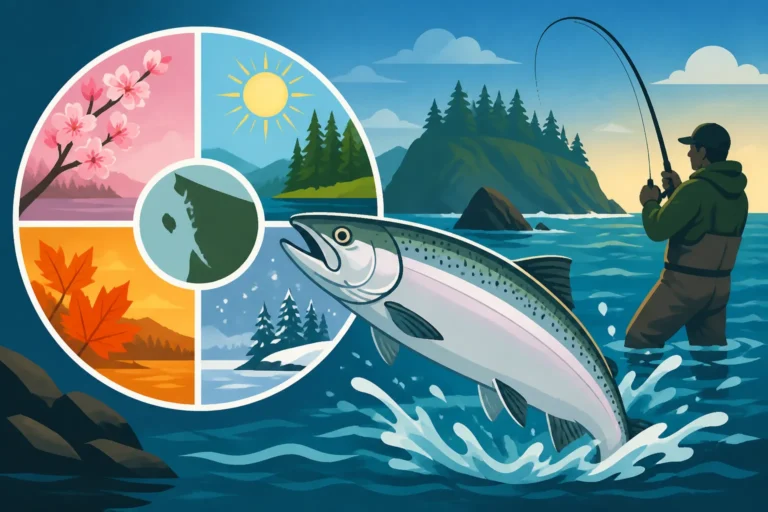
Best Times to Visit and Weather Considerations
The Olympic Peninsula offers fishing opportunities year-round, but the "best" time depends heavily on what species you're targeting.
- Winter (December – April): This is prime time for winter steelhead. Expect cold temperatures, frequent rain, and potentially snow, especially at higher elevations. Rivers will often be high and cold, requiring heavier gear and understanding how to fish off-color water. This is also when emergency closures for wild fish are most common, so vigilance with regulations is key.
- Spring (April – June): This can be a transitional period. Late winter steelhead might still be around. Resident trout fishing picks up as waters warm. Some early summer steelhead might begin to show up in late spring. The weather can be a mix of rain and sunny days.
- Summer (July – August): Generally slower for salmon and steelhead on most rivers, as these fish are primarily ocean-going or awaiting fall rains. However, sea-run cutthroat trout can be excellent, and resident trout fishing is strong. The weather is typically drier and warmer, making for comfortable conditions, but rivers can be very low and clear, making fish spooky.
- Fall (September – November): This is salmon season! Chinook, Coho, and Chum salmon all return to the rivers, offering fantastic action. Early fall can also see a push of summer steelhead. The weather starts to turn, with increasing rainfall, which brings fish into the rivers but can also lead to high water events.
Regardless of the season, weather is a major factor on the Olympic Peninsula. It's notoriously wet, receiving significant rainfall throughout much of the year, especially from fall through spring. This rain directly impacts river levels and clarity. Always check detailed weather forecasts and, critically, river gauges before you go. Websites like the USGS provide real-time streamflow data, which can tell you if a river is high and muddy ("blown out"), at optimal levels, or too low. Being prepared for rain with quality waterproof outerwear is non-negotiable.
Lodging, Amenities, and Local Services
While the Olympic Peninsula is wild, there are several towns and communities that cater to anglers and outdoor enthusiasts, providing essential services.
- Forks: This small town is often considered the epicenter of Olympic Peninsula fishing. It’s centrally located to access the Hoh, Sol Duc, Bogachiel, Calawah, and Quillayute rivers. Forks offers a range of lodging options, from motels and cabins to vacation rentals. Crucially, it's home to some excellent tackle shops, most notably Forks Outfitters, which is a legendary hub for gear, bait, and invaluable up-to-the-minute local fishing reports. You'll find gas stations, grocery stores, and a few dining options here.
- La Push/Neah Bay/Sekiu: These coastal towns are more focused on saltwater fishing but can serve as bases if you're targeting the lower reaches of some rivers or combining a river trip with a saltwater excursion. Lodging is typically more rustic, but the sense of remoteness is profound.
- Port Angeles/Sequim: Located on the northern side of the Peninsula, these larger towns offer more amenities, including a wider selection of hotels, restaurants, and shops. They are a longer drive to the main river systems but can be a good option if you prefer more creature comforts or are exploring the northern rivers like the Elwha (which is currently closed to fishing for salmon and steelhead but is undergoing restoration).
When planning, consider what level of comfort and access to services you desire. Booking accommodations in advance, especially during peak steelhead or salmon seasons, is highly recommended as options can fill up quickly. Always make a point to visit a local tackle shop. The folks behind the counter usually have the best and most current information on river conditions, hot spots, and any emergency rule changes you might have missed.
Hiring a Local Guide for an Enhanced Experience
For many anglers, especially those new to the Olympic Peninsula or targeting a specific species like wild steelhead, hiring a local fishing guide is an incredibly smart investment. A good guide doesn't just put you on fish; they provide an invaluable education and a safer, more efficient experience.
Here’s why hiring a guide can enhance your trip:
- Local Knowledge: Guides spend hundreds of days a year on these rivers. They know which holes are holding fish, what gear is working best on a given day, and how to adapt to changing water conditions. This local expertise is virtually impossible to replicate as an out-of-town angler.
- Safety: The Olympic Peninsula rivers can be powerful and challenging. Guides are experts in navigating these waters, whether by drift boat or on foot. They understand potential hazards, fluctuating flows, and safe wading techniques.
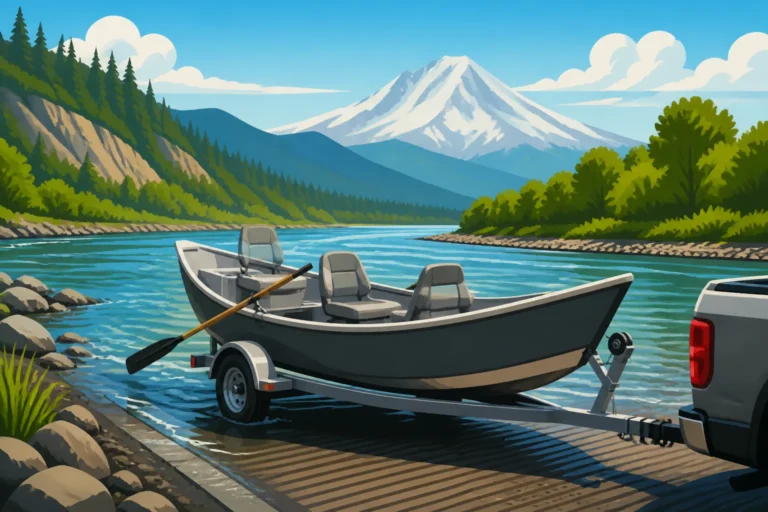
- Access: Guides often have access to private launches or specific stretches of river that might be harder for the average angler to find or utilize.
- Regulations Expertise: With the constantly changing rules, a guide is your best defense against inadvertently violating a regulation. They stay on top of all WDFW emergency rules and ensure everyone fishing with them is compliant.
- Gear and Techniques: Guides provide high-quality gear (rods, reels, tackle, bait where legal), eliminating the need for you to invest in specialized equipment. They also teach you the specific techniques that work best for the local conditions.
- Learning Opportunity: A guided trip is a fantastic way to learn the nuances of river fishing, from reading water to proper fish handling.
You can find reputable guides through local tackle shops (like Forks Outfitters), by searching online, or by using platforms like FishingBooker, which allows you to compare guides, read reviews, and book trips securely. When booking, ask about their experience, what's included in the trip (gear, lunch, fish cleaning), and their cancellation policy. For more detailed information on booking expert help, check out Washington's Olympic Peninsula Steelhead Guides. While a guided trip costs more upfront, the knowledge gained, the increased chances of success, and the peace of mind are often well worth it.
Conservation and Respecting the Environment
Fishing the Olympic Peninsula is a privilege, not a right. The pristine nature of these rivers and the presence of wild fish are gifts that come with a profound responsibility to protect them for future generations. Embracing conservation and adhering to ethical practices ensures these unique fisheries endure.
Leave No Trace Principles on the River
The principles of "Leave No Trace" are more than just polite suggestions; they are a fundamental ethos for anyone venturing into the wilderness, especially sensitive ecosystems like the Olympic Peninsula rivers. These principles are designed to minimize human impact and preserve the natural environment we cherish.
- Plan Ahead and Prepare: This includes checking regulations, weather, and river conditions, but also packing appropriately and thinking about how to manage waste.
- Travel and Camp on Durable Surfaces: Stick to existing trails, access points, and designated camping areas. Avoid trampling sensitive vegetation along riverbanks, which can lead to erosion and habitat degradation.
- Dispose of Waste Properly: "Pack it in, pack it out" is the golden rule. This means all garbage, including fishing line, broken tackle, food wrappers, and anything else you brought with you. Never leave anything behind, even organic waste like fruit peels, as it takes time to decompose and can attract wildlife. Carry a small trash bag for your refuse.
- Leave What You Find: Resist the urge to collect natural souvenirs like rocks, plants, or antlers. Leave the environment as undisturbed as possible for others to enjoy.
- Minimize Campfire Impacts: If fires are permitted and you choose to have one, use established fire rings and keep fires small. Better yet, use a portable stove for cooking.
- Respect Wildlife: Observe wildlife from a distance and never feed animals. Your presence should not alter their natural behavior.
- Be Considerate of Other Visitors: Share the river, maintain a respectful distance from other anglers, and keep noise levels down.
By diligently practicing Leave No Trace principles, we ensure that the wild beauty of the Olympic Peninsula rivers remains untarnished for every angler who follows in our footsteps.
Supporting Sustainable Fishing Practices
Beyond individual actions, supporting sustainable fishing practices is crucial for the long-term health of Olympic Peninsula fisheries. This involves understanding the broader conservation efforts and how our choices contribute to them.
- Adhere to All Regulations: This is the most direct way to support sustainability. Regulations, however complex, are based on scientific data and are designed to manage fish populations responsibly. This includes bag limits, size restrictions, seasonal closures, and gear rules. For instance, respecting Possession Limits vs Daily Limits in Washington ensures that harvest levels are kept within sustainable bounds.
- Fund Conservation: Your purchase of a Washington fishing license and endorsements directly contributes to conservation efforts. License fees support WDFW's work in habitat restoration, fish propagation (for hatchery programs), scientific research, and enforcement. Without these funds, many of the programs vital to sustaining these fisheries would not exist.
- Report Violations: If you witness illegal fishing activity – poaching, exceeding limits, fishing in closed areas – report it to WDFW enforcement. Poaching undermines all conservation efforts and severely impacts fish populations. You can typically report anonymously through a hotline or online.
- Educate Others: Share your knowledge of ethical angling and conservation with fellow anglers, especially newcomers. Many people simply don't know the rules or the best practices. By gently educating, we can foster a larger community committed to protecting these resources.
- Minimize Your Impact Beyond Fish: Consider the broader impact of your fishing. Choose environmentally friendly products when possible, avoid introducing invasive species (e.g., by cleaning your gear), and be mindful of your carbon footprint if traveling long distances.
Ultimately, the future of fishing on Washington's Olympic Peninsula rivers rests on the collective commitment of anglers to act as stewards of this incredible natural resource. By embracing conservation, we ensure that the thrill of hooking a wild steelhead or a powerful salmon remains a possibility for generations to come.
Olympic Peninsula River Comparison Table
To help you visualize the opportunities, here's a quick comparison of some of the key Olympic Peninsula rivers:
| River System | Primary Target Species | Peak Seasons | Typical Access | Key Characteristics |
|---|---|---|---|---|
| Hoh River | Wild Winter Steelhead | Dec – April | Bank, Drift Boat | Wild & pristine, rainforest setting, strict C&R for wild steelhead |
| Sol Duc River | Winter Steelhead, Fall Salmon (Chinook, Coho) | Dec – April (Steelhead), Sept – Nov (Salmon) | Bank, Drift Boat | Iconic, diverse runs, hatchery influence, varied regulations |
| Quillayute System (Bogachiel, Calawah, Dickey) | Winter Steelhead, Fall Salmon (Chinook, Coho, Chum) | Dec – April (Steelhead), Sept – Dec (Salmon) | Bank, Drift Boat | Expansive system, consistent runs, good access from Forks |
| Queets River | Wild Winter Steelhead, Fall Salmon (Chinook, Coho) | Dec – April (Steelhead), Sept – Nov (Salmon) | Remote, Drift Boat, Permits | Wilderness experience, very remote, strict C&R, limited access |
| Clearwater River | Wild Winter Steelhead, Fall Salmon (Chinook, Coho) | Dec – April (Steelhead), Sept – Nov (Salmon) | Remote, Drift Boat, Permits | Tributary of Queets, similar remote & wild characteristics |
Disclaimer
The information provided in this guide is for informational purposes only and is subject to change. Fishing regulations in Washington State, especially on the Olympic Peninsula rivers, can change frequently and without prior notice due to emergency rule changes by the Washington Department of Fish and Wildlife (WDFW). It is the angler's sole responsibility to consult the most current WDFW regulations and any applicable tribal regulations before engaging in any fishing activity. Failure to do so may result in fines or penalties. This guide does not constitute legal advice.