Do You Need to Print Your Washington Fishing License?
It’s a common scenario these days: you’re heading out to your favorite fishing spot, reel in hand, and suddenly that nagging question pops into your head – "Do I really need to print my Washington fishing license, or is my phone good enough?" This guide is here to untangle that uncertainty, diving deep into Washington's rules for displaying your license and offering practical advice to keep you legal and stress-free on the water.
The Evolution of Washington's Fishing License Policy
For years, the paper license was king. You’d carefully fold it into your wallet, or maybe even laminate it, knowing that a game warden would expect to see that physical document. But just like everything else, technology has changed the game, and the Washington Department of Fish and Wildlife (WDFW) has adapted, thankfully making things a little easier for us modern anglers.
The Shift Towards Digital Convenience
Let's be real, who doesn't have their phone with them almost constantly? The thought of carrying another piece of paper, especially when you’re out on the water, where things get wet and grimy, can be a real headache. The good news is that Washington state recognized this convenience factor.
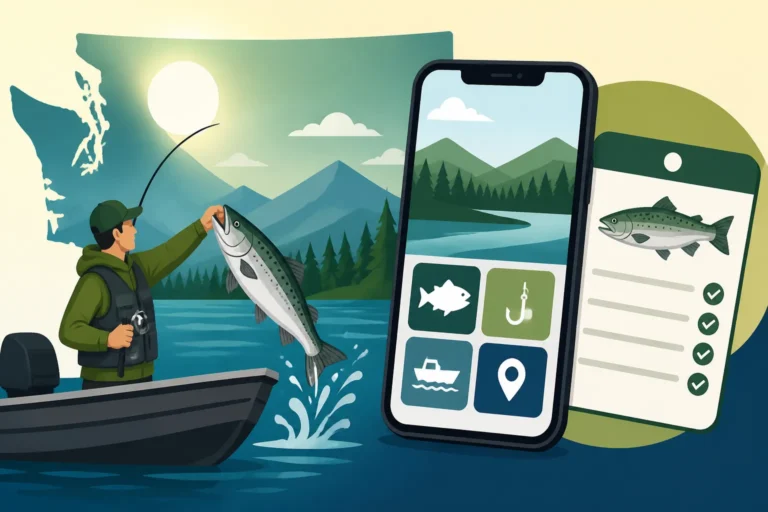
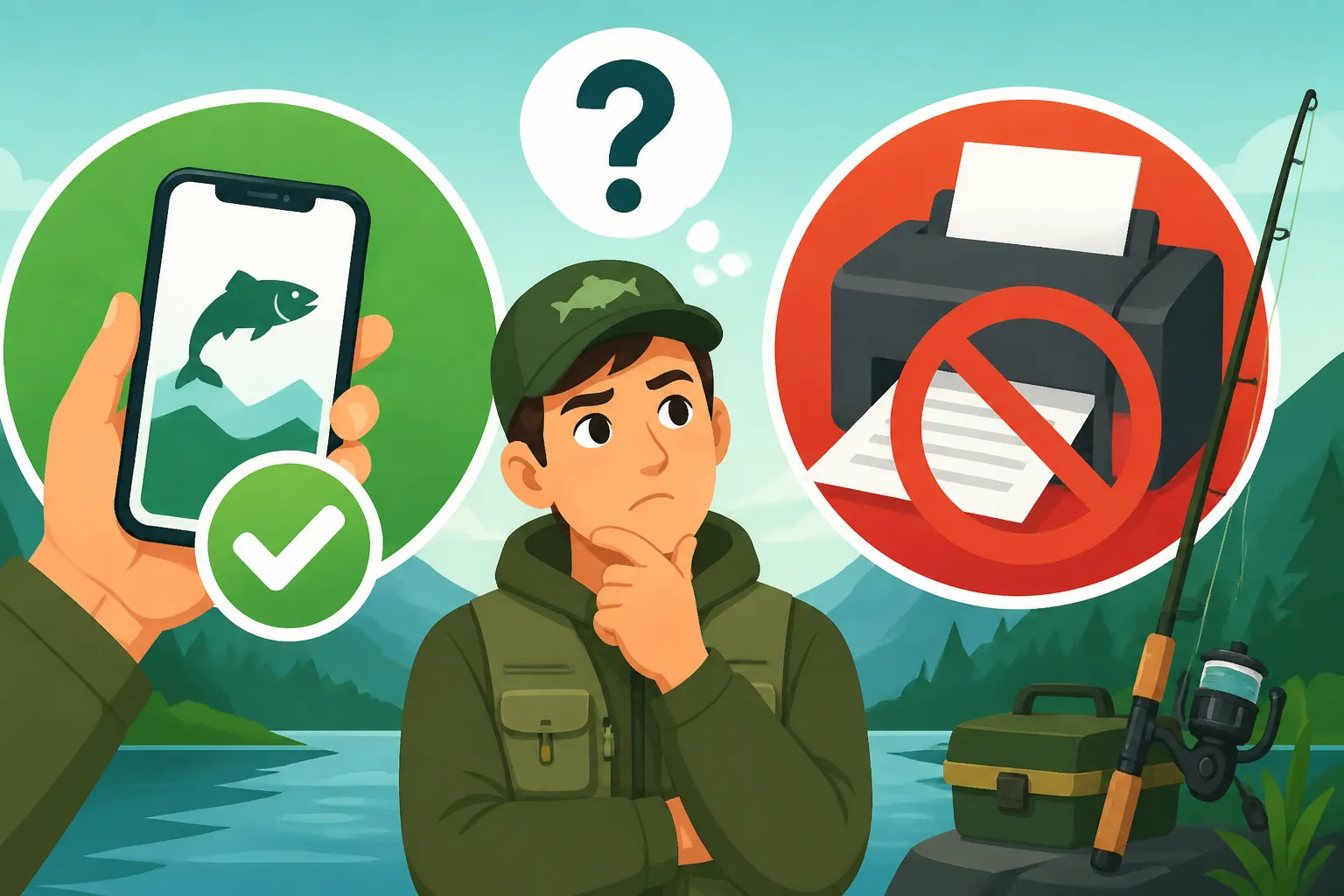
In response to angler feedback and the general shift towards digital documentation, the WDFW now officially allows anglers to carry their fishing license on their electronic devices. That means your smartphone, tablet, or even a robust e-reader can serve as proof of your valid license. This is a huge relief for many of us who worried about losing a paper copy or having it disintegrate in a sudden downpour. Imagine, you're fishing a bustling dock in Edmonds, trying to juggle your gear, a fresh cup of coffee, and now a soaking wet paper license. The digital option simply makes life easier. This flexibility means you can buy your license online through the WDFW licensing system, save the PDF to your device, and be good to go. It's a testament to how far we've come from the days when printing was the only way. For more on this, check out our guide on Carrying Your Washington Fishing License: Paper, Phone or the MyWDFW App.
Understanding WDFW's Stance on Digital Licenses
The WDFW's official stance is clear and angler-friendly: A legible digital image of your current Washington fishing license displayed on an electronic device is absolutely acceptable. This includes any endorsements you might have, like the Columbia River Salmon and Steelhead Endorsement, or your Two-Pole Endorsement. The key here is "legible." If your screen is cracked, your battery is dead, or the glare is so bad that the information can't be read clearly, then you could potentially run into issues. It's not just about having it; it's about being able to present it effectively to a WDFW enforcement officer if asked.
What about your Catch Record Card, you ask? This is where it gets a little different. While your license can be digital, the Catch Record Card, which is essential for tracking salmon, steelhead, and halibut, typically needs to be a physical copy that you mark immediately upon retention of a fish. There are some evolving options for electronic Catch Record Cards through the Fish Washington app, but the standard expectation is still a paper one for most species. It's vital to know The Washington Catch Record Card and What It Requires so you don't inadvertently find yourself in a sticky situation. The intent behind requiring a physical, immediate record is to ensure accurate harvest data, which directly impacts future season setting and conservation efforts.
Practicality vs. Preference: When a Physical Copy Still Makes Sense
Even with the convenience of digital licenses, there are still very valid reasons why some anglers prefer, or should seriously consider, carrying a physical printout. It’s not just about being old-school; sometimes, it’s about preparedness and avoiding potential headaches when you’re miles from civilization or facing an unexpected tech glitch.
Scenarios Where a Paper License is Reassuring
Think about it: you're out on the remote Sol Duc River on the Olympic Peninsula, enjoying a quiet morning chasing steelhead. Your phone, usually your lifeline, suddenly decides to die because it got wet or the battery just couldn't handle the cold. Or maybe you drop it, and the screen shatters, rendering your digital license unreadable. In these moments, a good old-fashioned paper license tucked into a waterproof bag is a true lifesaver. No charging worries, no screen issues, just plain, readable proof that you're legal.
Another scenario is when you're fishing in areas with notoriously spotty cell service. Many of Washington's best fishing spots, especially in the mountains or along remote coastal stretches, are digital black holes. You might have saved your license to your phone, but if you need to pull it up from an email or a cloud storage service, you're out of luck without a signal. Having a physical copy means you're not reliant on a connection.
Furthermore, some anglers just prefer the tangible nature of a paper license. It feels more "official" to them, and easier to present quickly without fumbling through apps. For those who frequently fish with kids, having their licenses printed out might also feel more organized, especially if they don’t all have their own devices. You can literally clip them all to a small lanyard. Even though the official stance is clear, a printed copy offers a layer of redundancy that many seasoned anglers appreciate. You can buy a basic printer fairly affordably, or even pop into a local office supply store like a Staples or FedEx Office to get it printed and perhaps laminated for just a few dollars. If you're looking for durable, waterproof storage options, a quick search on Amazon will show you a plethora of waterproof document sleeves that are perfect for this.
Safeguarding Your Digital and Physical Credentials
Whether you choose digital or paper, safeguarding your license is paramount. For digital copies, always download the PDF directly to your device's local storage rather than relying on an email or cloud link. This ensures you can access it even without cell service. Consider taking a screenshot of it as well, which can sometimes be quicker to pull up. Ensure your phone is charged, and if you’re heading to a remote area, a portable power bank is a wise investment. Many anglers also use rugged, waterproof phone cases, which can protect your device (and your digital license) from the elements.
For paper copies, the best practice is to print several copies. Keep one in your wallet, one in your tackle box, and maybe even one in your vehicle's glove compartment. Laminating your paper license is an excellent idea; it protects it from water, dirt, and general wear and tear, making it last the entire season. You can easily find small, personal laminators or laminating pouches on Amazon or at any office supply store. This small effort can prevent a lot of frustration.
When you're out on the water, especially if you're fishing a river like the Cowlitz River for steelhead or salmon, where WDFW enforcement is common, you want to be able to present your license without delay or complication. Being prepared with a readily accessible, legible license, whether digital or physical, demonstrates responsibility and can make an encounter with an officer much smoother. Remember, enforcement officers are out there to ensure compliance with Washington Fishing Regulations Every Angler Should Know, and having your documentation in order is step one.
What to Do If Your Digital License Isn't Accessible
So, you went the digital route, and now you’re standing on the bank of the Snake River, admiring the scenery, when a WDFW officer approaches. You reach for your phone, and… nothing. Black screen. Or maybe your screen is so busted up from that accidental drop on the boat ramp that the text is unreadable. It happens, and knowing what to do next can save you from a potential citation.
Common Tech Glitches and How to Prepare
Let's face it, technology is fantastic until it isn't. Dead batteries, cracked screens, lost devices, or even just a software update gone wrong can suddenly make your digital license inaccessible. These aren't just minor inconveniences; they can put you in a tough spot with enforcement.
Here are some common tech glitches and how to mitigate them:
- Dead Battery: This is probably the most frequent culprit. Always carry a portable power bank (a.k.a. a "juice pack") and the necessary charging cables. Charge it fully before every trip, especially longer excursions. Keep your phone in a pocket that's insulated from the cold, as cold weather can drain batteries faster.
- Cracked/Unreadable Screen: Accidents happen. A rugged, waterproof phone case is your first line of defense. If your screen does crack beyond legibility, a physical backup license becomes invaluable.
- No Signal/Internet Access: Many prime fishing locations, especially in rural areas or deep canyons like sections of the Columbia River Gorge, have zero cell service. Always download your license PDF directly to your phone's storage. Don't rely on pulling it from your email or a cloud service without an internet connection.
- Lost or Damaged Device: This is the worst-case scenario. If your phone goes overboard or is irretrievably damaged, your digital license goes with it. This is why having at least one printed backup copy, stored separately from your phone, is so strongly recommended.
Remember, prevention is always better than cure. A few thoughtful preparations can ensure your fishing trip isn't ruined by a simple tech hiccup.
Alternative Proof of License and WDFW Contact
If, despite your best efforts, you can't present a legible digital or physical copy of your license when asked, don't panic. The key is to remain calm, cooperative, and honest with the enforcement officer. They are typically understanding, especially if you have a legitimate reason for the inaccessible license and can provide some form of alternative proof.
While not officially sanctioned as a replacement for your license, having other forms of identification that match the information on your license can help. For example, if you can show your driver's license, the officer might be able to look up your license details on their system. However, don't assume they can or will. Their equipment and connectivity might also be limited in remote areas. This isn't a guaranteed fix, but it's better than having no identification at all.
If you find yourself in this situation, or if you've lost your license entirely and need to fish before you can replace it, your best bet is to contact WDFW directly. You can typically reach their licensing division during business hours. While they can't issue a temporary verbal license, they might be able to provide guidance or confirm your license status. You can often find their contact information on the WDFW website or within the MyWDFW App. Keep in mind that calling them from a remote fishing spot might be impossible without cell service, reinforcing the need for preparation.
Ultimately, while the digital option provides immense convenience, the small effort of printing a backup copy or ensuring your device is robustly protected and charged is a minor investment for peace of mind. No one wants their day on the water to end with a fine for fishing without a license, even if it's just a technicality. Knowing Fines and Penalties for Common Fishing Violations can certainly motivate you to stay fully compliant!
| License Type | Digital Copy (Phone/Tablet) | Physical Printout | WDFW App | Notes |
|---|---|---|---|---|
| Fishing License | ✅ Allowed | ✅ Recommended | ✅ Allowed | Must be legible. Backup printout strongly advised. |
| Endorsements | ✅ Allowed | ✅ Recommended | ✅ Allowed | Must be legible. Displayed with your primary license. |
| Catch Record Card | ⚠️ Evolving | ✅ Required | ✅ Evolving | Typically requires immediate physical mark for retained fish. |
| Two-Pole Endorsement | ✅ Allowed | ✅ Recommended | ✅ Allowed | Displayed with your primary license. |
Before every single trip, make it a habit to perform a quick "license check." Confirm your license is still valid (you can look up Washington Annual Fishing License Validity Period if you're unsure), that it’s accessible on your device, and that you have a backup if you prefer one. A little preparation goes a long way in ensuring a stress-free and legal fishing adventure in Washington.
Disclaimer
The information provided in this guide is for general informational purposes only and does not constitute legal advice. Washington fishing regulations are subject to change. Always refer to the most current Washington Department of Fish and Wildlife (WDFW) regulations pamphlet or their official website before heading out to fish. Compliance with all state and local fishing laws is the sole responsibility of the angler.