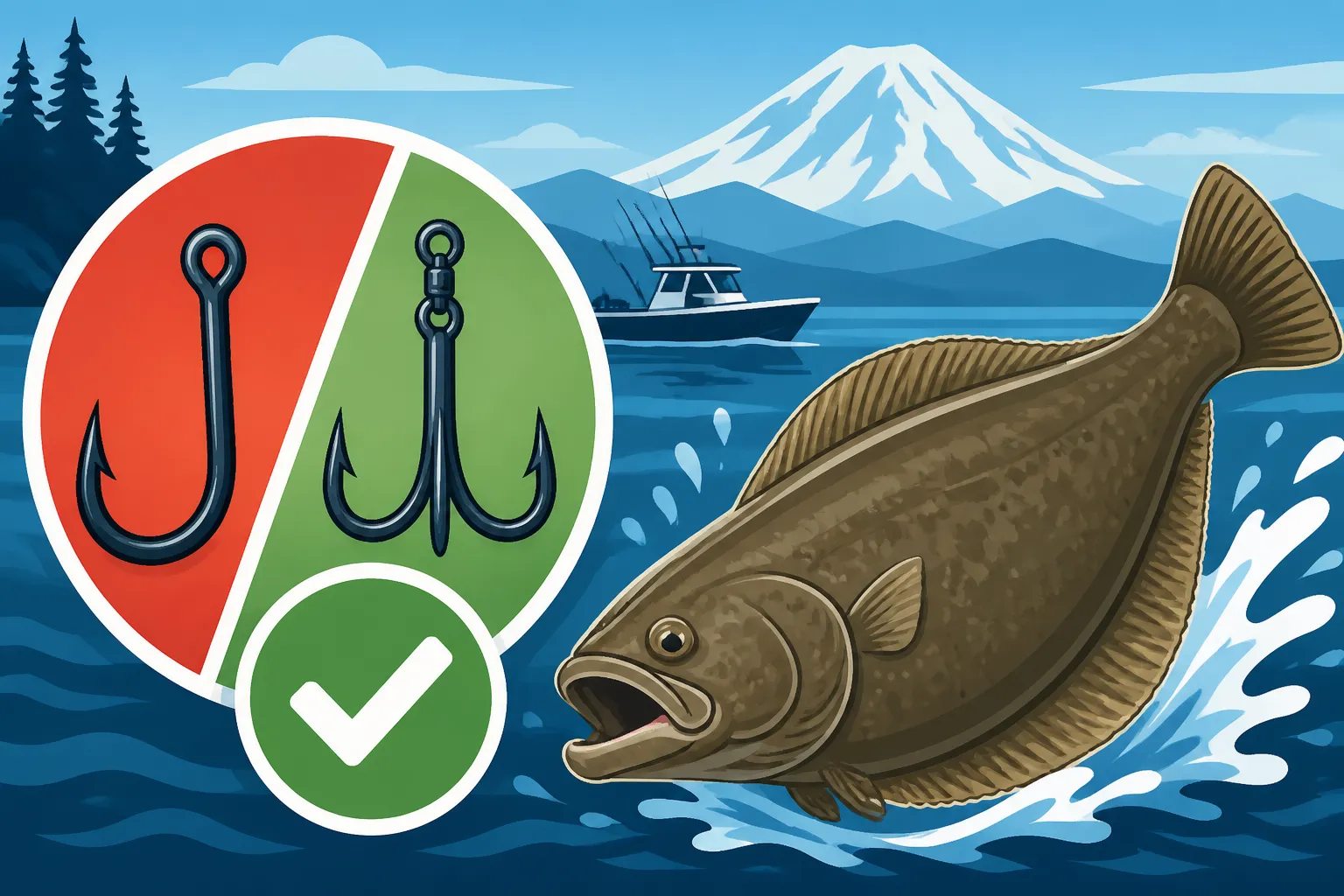
Hook Limit for Washington Halibut Fishing
Navigating the myriad of fishing regulations here in Washington State can feel like trying to untangle a hundred-pound snarl of fishing line – especially when you're dreaming of landing a trophy halibut. It’s easy to get overwhelmed trying to figure out what gear is legal, how many hooks you can use, and if the rules change from one bay to the next. This guide is here to cut through that confusion, helping you understand precisely the hook limits for halibut fishing in Washington so you can fish confidently and legally.
Decoding Washington's Halibut Hook Limits
When it comes to targeting Pacific halibut, a prized catch known for its delicious meat and formidable fight, understanding the gear regulations is paramount. The Washington Department of Fish and Wildlife (WDFW) has specific rules designed to manage these fisheries sustainably, and hook limits are a critical part of that effort. You might hear different rules for salmon or steelhead, but halibut have their own set of guidelines.
Why Hook Limits Matter for Halibut Fishing
It's natural to wonder why these rules exist in the first place, especially when you're just eager to get your lines in the water. For halibut, hook limits are deeply rooted in conservation. Pacific halibut are long-lived, slow-growing fish, making them particularly vulnerable to overfishing. Allowing too many hooks per line could significantly increase catch rates, potentially depleting stocks faster than they can reproduce.
Imagine a busy fishing ground off Westport or Neah Bay. If every angler on every boat could run multiple lines with multiple hooks, the sheer volume of gear in the water would put immense pressure on the halibut population. By limiting hooks, WDFW aims to balance recreational opportunity with the long-term health of the fishery. These regulations, alongside daily and possession limits, are crucial for ensuring that future generations of anglers can also experience the thrill of a halibut fight. It's all about sustainable angling, and every rule, including the seemingly small detail of a hook limit, plays a part.
The Standard Hook Rule for Washington Halibut
Here's the essential takeaway: for Pacific halibut fishing in Washington waters, the general rule is one line per angler with no more than two hooks per line. This applies broadly across the marine areas open for halibut fishing, whether you're off the coast or in Puget Sound.
This isn't like salmon fishing, where you're often restricted to a single Barbless Hook Requirements on Washington Rivers (though halibut regulations typically don't specify barbless, it's good practice for release of non-target species). For halibut, you have the flexibility to use a two-hook rig on that single line. This setup is incredibly common among halibut anglers, allowing for presentation of multiple baits or a larger bait with additional securing points. For instance, you might use a large circle hook with a smaller "trailer" hook to better secure a whole herring or a large piece of squid, or run two single hooks a short distance apart on a spreader bar rig. Just remember, it's still one line you're deploying, even with two hooks attached.
Defining "One Line" and "Two Hooks" in Practice
The "one line per angler" rule is pretty straightforward for most, but it’s worth clarifying what that means when you're fishing with others. Each licensed angler onboard is allowed to fish one line, and each of those lines can have up to two hooks. So, if you have four anglers on a boat, you can have a maximum of four lines in the water, and each of those lines can be rigged with two hooks.
It's important to understand that "two hooks" generally refers to actual fishing points. This means two single-point hooks, or if you're using a treble hook, that counts as one hook for the purpose of the two-hook limit, because it's a single attachment point to your leader. However, most halibut anglers opt for heavy-duty single circle hooks due to their effectiveness in hooking fish in the jaw (reducing gut hooks) and their strength against the powerful halibut. You can often find a wide array of these specialized circle hooks, along with appropriate leader material and weights, from online retailers like Amazon or your local tackle shop. Always ensure whatever you're rigging up strictly adheres to the one line, two hooks per line rule.
Navigating Specific Halibut Fishing Scenarios and Exceptions
While the one-line, two-hook rule is generally consistent for Washington halibut, the world of fishing regulations isn't always black and white. There are nuances, especially when you consider targeting other species or fishing in different marine areas. Staying informed about these specific scenarios is key to a hassle-free trip.
Combination Fishing: Halibut and Other Bottomfish
Sometimes, you're not just out for halibut; you might be hoping to catch some lingcod or rockfish in the same general area. This is where things can get a little tricky, but generally, the halibut hook limit prevails if halibut are a primary target. Most bottomfishing regulations in Washington also permit two hooks per line, so for species like lingcod or cod, you're usually good to go with the same setup.
However, if you're fishing in a marine area with specific restrictions for other species, or if you happen to be in an area where only one hook is allowed for a different target species (which is rare for bottomfish but common for salmon), you need to ensure your gear aligns with the most restrictive rule for the species you are actively trying to catch or that are likely to bite. Always consult the current WDFW regulations for the specific marine area and target species before you drop your line. It's often easier to dedicate a trip to halibut or other bottomfish, rather than trying to combine efforts if there's any ambiguity in the rules for that day.
Gear Restrictions Beyond Just Hooks
The hook limit is just one piece of the puzzle when it comes to legal halibut gear. While it’s the primary concern for this discussion, it’s worth noting other related regulations that complement hook limits and ensure sustainable fishing practices. For instance, there are typically no restrictions on the type of bait you can use for halibut, unlike some freshwater trout or steelhead fisheries where Washington Bait Bans and When They Apply might be in effect.
You'll also need to consider your overall rig. Heavy sinkers are often required to get your bait down to the halibut's deep-water haunts, and the type of spreader bar or leader material you use can impact presentation. While these aren't "hook limits," they are integral to a legal and effective halibut setup. Always double-check that your entire rig, from line to hook, adheres to the WDFW guidelines for the specific marine area you plan to fish.
Marine Area Specifics and Emergency Rules
One of the most crucial things to remember about Washington fishing regulations is that they are dynamic. Halibut seasons, limits, and sometimes even gear restrictions, can vary significantly between different marine areas. What's legal in Marine Area 2 (off Westport) might have a slightly different nuance than in Marine Area 6 (Eastern Strait of Juan de Fuca) or other Puget Sound areas.
WDFW managers monitor halibut stocks carefully, and quotas are often met quickly, leading to closures or emergency rule changes. These changes can happen mid-season, sometimes with very short notice. For example, a productive day for a Washington Halibut Fishing Days could lead to an early closure of that specific marine area. It's not unheard of for a marine area to open with slightly different daily limits or even gear suggestions (though hook limits rarely change). The best practice is to always consult the latest WDFW Sport Fishing Regulations pamphlet and check for emergency rule changes immediately before heading out. This pamphlet, often available digitally or through the Fish Washington App, is your ultimate source for current, hyper-local details.
Practical Tips for Rigging and Staying Compliant
Knowing the rules is one thing; putting them into practice effectively on the water is another. Rigging your gear correctly and maintaining a diligent approach to staying updated on regulations will ensure you have a fun, legal, and successful halibut fishing experience in Washington.
Rigging Your Halibut Setup Legally and Effectively
Once you understand the one-line, two-hook limit, rigging becomes an exercise in efficiency and effectiveness. Many anglers favor a spreader bar rig for halibut. This setup uses a heavy main line, a spreader bar to keep your leader separate from your sinker, and then a leader (often 60-100 lb test monofilament or fluorocarbon) with your hooks.
For a two-hook setup, you can attach two large circle hooks to your leader, spaced a few inches to a foot apart. This allows you to present a larger bait, like a whole salmon head or a substantial piece of octopus, with both hooks securing it. Alternatively, you might use one large circle hook and a smaller "stinger" hook trailing behind, designed to catch short-striking fish. Ensure your hooks are sharp and robust enough to handle a powerful halibut. Many anglers stock up on quality hooks and leader material from sporting goods stores or online platforms like Amazon to ensure they're always ready for the season. Remember, the goal is always to maximize your chances within the legal framework.
The Importance of Checking Regulations Before Every Trip
I cannot stress this enough: always, always check the latest regulations before you head out. Halibut seasons are notoriously short and intensely managed, and what was open or legal last week might be closed or changed this week. WDFW sets these rules based on quotas and real-time fishery data, meaning things can shift on a dime.
The official WDFW website is your best friend here. Look for the "Sport Fishing Regulations" page and specifically navigate to the marine area you plan to fish. Additionally, download the MyWDFW App, which provides direct access to current regulations and emergency rule changes right on your phone. Even if you've been fishing in Washington for years, a quick check before each trip can save you from potential fines and penalties for common fishing violations. This proactive approach ensures you're compliant, contributing to sustainable fisheries, and most importantly, enjoying your time on the water without worry.
| Aspect | General Rule for Washington Halibut Fishing | Notes |
|---|---|---|
| Number of Lines per Angler | One line | Each licensed angler is limited to one fishing line in the water at a time. |
| Maximum Hooks per Line | Two hooks | You can use up to two single-point hooks on that single line. Treble hooks count as one hook. |
| Hook Type | Not specified (barbed typically allowed) | While barbless is common for salmon, barbed hooks are generally allowed for bottomfish like halibut unless specified otherwise. |
| Bait Restrictions | Generally none | Bait bans are rare for halibut; common baits include herring, squid, octopus, or salmon parts. |
| Area Variability | Yes, check Marine Area rules | Specific seasons, daily limits, and very occasionally gear specifics can vary by marine area. |
| Rule Changes | Frequent, especially for halibut seasons | Emergency rule changes can occur quickly; always verify current regulations before fishing. |
Disclaimer
Fishing regulations, seasons, and limits in Washington State are subject to frequent change by the Washington Department of Fish and Wildlife (WDFW). This article provides general information and should not be considered a substitute for checking the official and most current WDFW regulations, including emergency rule changes, before engaging in any fishing activity. Always consult the latest WDFW Sport Fishing Regulations pamphlet or their official website to ensure compliance.