When a Catch Record Card Is Required in Washington
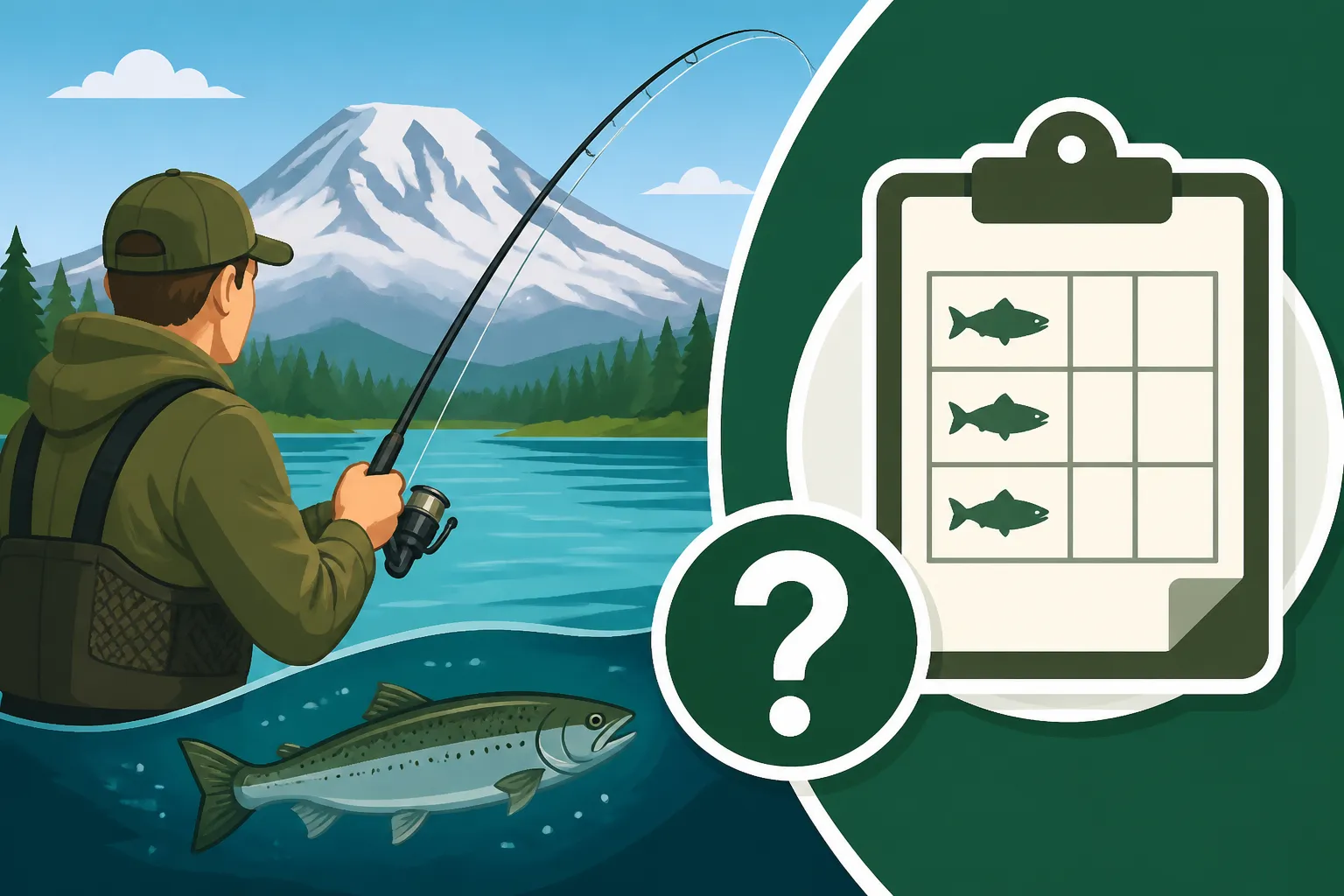
Navigating the ins and outs of fishing regulations here in Washington can sometimes feel like trying to untangle a particularly stubborn fishing knot. One of the most common points of confusion for anglers, both seasoned and new, revolves around the seemingly simple Catch Record Card. It’s easy to feel overwhelmed, wondering if you actually need one, when to fill it out, and what happens if you don't. This guide is here to clear up that murky water, explaining precisely when a Washington Catch Record Card is required so you can focus on the joy of the catch, not the worry of a fine.
The Core Purpose of Washington's Catch Record Card
It’s easy to look at that little card and think of it as just another piece of bureaucratic paperwork. But honestly, it's so much more than that. The Washington Department of Fish and Wildlife (WDFW) doesn't issue these cards just to give us something extra to do. They are absolutely critical tools for managing our precious fish populations, ensuring that future generations can enjoy the same incredible fishing opportunities we do today. Without accurate data, it's impossible to make informed decisions about seasons, limits, and conservation efforts.
Why We Have Catch Record Cards
Imagine trying to manage a pantry without knowing what groceries you've brought in or what you've cooked. You’d quickly run out of essential ingredients or find yourself with an abundance of something nobody wants! That's a bit like what it would be for the WDFW if they didn't track angler harvests. Catch Record Cards provide a direct way for the WDFW to collect real-time data on the number of certain species that anglers are actually catching and keeping. This information, combined with test fisheries and biological surveys, paints a comprehensive picture of fish runs.
It's about sustainability. Our rivers and Puget Sound are home to iconic species like salmon and steelhead, which are incredibly sensitive to fishing pressure and environmental changes. By requiring anglers to report their catches, the state can monitor harvest levels and see if they align with conservation goals and projected returns. If too many fish are being caught, the data helps trigger necessary adjustments, sometimes leading to Emergency Rule Changes: Why Washington's Rules Shift Mid-Season to protect vulnerable stocks. Without this direct input from anglers, the WDFW would be flying blind, making it much harder to balance fishing opportunities with the long-term health of our fisheries.
The WDFW's Need for Data
The WDFW relies heavily on the data collected from these cards to set fishing seasons and limits for the following year. Think of it as an ongoing feedback loop. When you diligently fill out your card and return it, you're essentially casting a vote for sustainable fishing and directly contributing to the scientific understanding of our fish populations. This data isn't just numbers in a spreadsheet; it influences everything from the length of a season to the daily bag limits for various species.
This is especially true for anadromous fish – those that migrate from the ocean to spawn in freshwater – like salmon and steelhead. Their life cycles are complex, and their returns can fluctuate wildly year to year based on ocean conditions, river flows, and even predation. By tracking individual angler catches, the WDFW can differentiate between wild and hatchery fish, understand spawning escapement goals, and even pinpoint areas where certain runs might be struggling. It’s a huge, collaborative effort, and every angler plays a part in providing the vital information needed to ensure these magnificent fish continue to thrive.
Specific Species Requiring a Catch Record Card
Not every fish you catch in Washington requires a Catch Record Card, which is often where the confusion truly sets in. It’s not a blanket requirement for all species, but rather specific, highly managed fish that are either federally protected, economically significant, or of particular conservation concern. Knowing which fish fall into this category is the first step toward staying compliant and avoiding any unfortunate surprises from a WDFW enforcement officer.
Salmon: The Big One
If you're targeting salmon in Washington, whether it's in Puget Sound, the mighty Columbia River, or any of our numerous salmon-bearing rivers, a Catch Record Card is almost certainly required. This applies to all five species of Pacific salmon found here: Chinook (King), Coho (Silver), Sockeye, Chum (Dog), and Pink (Humpy). These are the superstars of our fisheries, drawing thousands of anglers each year, and as such, they are meticulously managed.
Whenever you harvest a salmon, it must be immediately recorded on your Catch Record Card. This isn't something you can put off until you get home. The rules state quite clearly that once a salmon is retained, you must fill in the date, species, and location code. This helps the WDFW track real-time harvests. For those fishing in areas like the Puget Sound, where Daily Limit for Chinook in Puget Sound can be restrictive and change frequently, accurate recording is paramount. Even if you only keep one fish, that one fish needs to be on the card. This data is critical for understanding the health of individual runs and preventing overfishing.
Steelhead: A Special Case
Steelhead, the ocean-going rainbow trout, are another primary species requiring a Catch Record Card. Like salmon, steelhead populations can be incredibly fragile, and many runs are listed under the Endangered Species Act. In Washington, there's often a distinction made between hatchery-origin steelhead (those with a clipped adipose fin) and wild steelhead, which must often be released unharmed. This makes accurate recording of any retained steelhead even more important.
When you successfully land and keep a legal hatchery steelhead, you must immediately record it on your card, just like salmon. This also applies to both winter and summer steelhead runs. Given the complex regulations surrounding these fish, especially regarding selective gear rules and wild fish encounters, having your card correctly filled out demonstrates your commitment to responsible angling. For example, if you're fishing a river with a Daily Steelhead Limit in Washington, the card helps ensure you don't accidentally exceed that limit, especially on multi-day trips. These details are vital for conservation and for helping the WDFW manage these treasured fish.
Halibut and Sturgeon: Other Key Players
Beyond salmon and steelhead, there are other significant species that necessitate a Catch Record Card. Pacific Halibut, a highly sought-after bottomfish, is one of them. Halibut seasons are notoriously short and tightly managed due to conservation concerns, and every fish kept is accounted for. Anglers participating in the halibut fishery off the Washington coast are required to possess and properly fill out a Catch Record Card for each halibut they retain.
Similarly, White Sturgeon, particularly those caught in the Columbia River system, require a Catch Record Card if retained. While many sturgeon fisheries in Washington are strictly catch-and-release, certain areas or seasons might allow for retention within very specific slot limits. If you're fortunate enough to be in a place and time where keeping a legal-sized sturgeon is permitted, that fish must be recorded on your card. This data is essential for managing these long-lived, slow-growing fish, as outlined in regulations concerning the Halibut Possession Limit in Washington and similar species. It’s always best to double-check the current WDFW regulations pamphlet, which you can often find at local tackle shops or online, even on platforms like Amazon if you need a physical copy or laminated version.
Scenarios Where a Catch Record Card Is Always Mandatory
Understanding which species require a Catch Record Card is one thing, but knowing when you absolutely must have one in your possession, ready to be filled out, is equally crucial. It’s not just about the type of fish, but also the intent and the circumstances of your fishing trip. Thinking ahead can save you a lot of headache and keep you on the right side of the rules.
Keeping Your Catch (Not Just Catch and Release)
The most straightforward scenario where a Catch Record Card is mandatory is when you decide to retain a salmon, steelhead, halibut, or sturgeon. Even if you're out purely for catch-and-release, if you end up keeping a legal fish from one of the aforementioned categories, that card needs to be on hand. Many anglers initially think, "Oh, I'm just going to catch and release today," and then get surprised when they land a beautiful hatchery salmon and decide to keep it. Without the card, that legal fish suddenly becomes illegal.
The WDFW's rules are very clear: When You Must Record a Salmon You Keep (and other species). You cannot wait until you're back at the dock, or even worse, back at home. The recording must happen immediately after the fish is brought into possession and before you continue fishing or leave the immediate vicinity. This "immediate" rule is in place to prevent anglers from exceeding limits or illegally sorting fish. Imagine a warden checking your cooler and finding an unrecorded salmon – that's a quick way to a citation. So, even if your plan is C&R, always carry your CRC if there’s even a remote chance you’ll keep a regulated species.
Fishing in Designated Areas and Seasons
Another critical factor determining the need for a Catch Record Card is where and when you're fishing. Washington's fishing regulations are incredibly complex and often vary by marine area, river section, and specific time of year. For instance, if you're fishing in Marine Area 9 for salmon during a peak season, a CRC is absolutely non-negotiable. The same goes for steelhead fishing on the Olympic Peninsula rivers during their winter runs. These are highly managed fisheries with strict quotas and bag limits.
The WDFW regulations pamphlet, which outlines Washington Sport Fishing Seasons and Emergency Closures, will always specify if a Catch Record Card is required for a particular area or species during that specific time. It's an angler's responsibility to know these rules before casting a line. You can't claim ignorance if you're caught fishing for salmon without one in an open salmon season. Always consult the official WDFW regulations, either printed or via the Fish Washington app, before heading out. Sometimes, even if you’re fishing for other species, if you are in an area open for CRC-required species, it's wise to have one just in case of an incidental catch that you might legally retain.
Charter Boats and Guided Trips
Many anglers assume that when they book a charter boat or a guided fishing trip, the guide handles all the paperwork. While guides are fantastic resources and often help with the process, it's a significant misconception that they are responsible for your Catch Record Card. As an individual angler, you are always personally responsible for having your own valid Washington fishing license and the appropriate Catch Record Card, especially when targeting regulated species.
Even if you're fishing with a group on a charter out of Westport for halibut, or on a guided salmon trip on the Columbia River, each individual angler intending to keep a fish must have their own license and CRC. The guide or charter captain cannot provide one for you on the spot, nor can they legally record your fish on their own card. They can certainly assist you in filling it out correctly, which is a great perk of a guided trip, but the legal responsibility rests firmly with you. So, when planning your next adventure, confirm you have all your documents in order. Many guides will remind you of this, but it's a core piece of Washington Fishing Regulations Every Angler Should Know.
When You Might NOT Need a Catch Record Card
Now that we’ve covered when a Catch Record Card is absolutely essential, let’s talk about the scenarios where you can often leave it tucked away. This is where many anglers get confused, thinking they need one for everything. Understanding these exceptions can save you from unnecessary paperwork and ensure you're not carrying extra items you don't need for a specific outing.
General Freshwater Trout and Bass Fishing
If your primary goal is to fish for general freshwater species like rainbow trout, cutthroat trout (non-sea-run), brown trout, kokanee, bass (largemouth or smallmouth), or panfish (crappie, perch), you typically do not need a Catch Record Card. These species are usually managed through daily bag limits and size restrictions, which are outlined directly in the fishing regulations pamphlet. For example, if you're spending a sunny afternoon at a local stocked lake like Lake Sammamish targeting rainbow trout, you’ll only need your general freshwater fishing license.
This applies even if you're keeping a limit of these fish. There's no requirement to record each individual trout or bass on a separate card. The WDFW gathers data on these species through creel surveys (where wardens interview anglers at boat launches or access points) and general license sales demographics, rather than individual catch reports. So, for most casual freshwater fishing trips, you can leave the CRC at home, focusing instead on enjoying the serene waters and the thrill of the bite. Just remember that if you accidentally hook a steelhead in a river that might have them, and you intend to keep it (if legal), you'd need the card.
Marine Area Bottomfish (Mostly)
For much of the marine bottomfish angling, such as targeting Puget Sound lingcod, cabezon, greenling, or many species of rockfish (excluding certain protected rockfish that are catch-and-release only), a Catch Record Card is generally not required for retention. Similar to freshwater species, these are typically managed through daily bag and possession limits, as well as size restrictions, as listed in the WDFW regulations for recreational harvest. If you're out on the Sound jigging for lingcod or dropping bait for black rockfish, you'll need your saltwater or combination fishing license, but not a separate Catch Record Card.
However, there are nuances. Some rockfish species are critically endangered and must be released immediately with the use of a descending device, and absolutely cannot be recorded on a CRC or kept. It's crucial to correctly identify your catch and adhere to the specific regulations for each bottomfish species. When it comes to the vast majority of commonly targeted bottomfish, however, you can breathe a sigh of relief – no CRC necessary for those tasty fillets. You can always check the specific section on bottomfish in the Washington Fishing Regulations Every Angler Should Know to be absolutely sure.
Exceptions for Shellfish and Other Species
Shellfishing, including crabbing for Dungeness or red rock crab, shrimping for spot prawns, or digging for razor clams, does not require a traditional Catch Record Card. Instead, these activities are often managed through separate shellfishing endorsements on your license, specific permits (like for recreational sockeye on Baker Lake sometimes), and unique reporting methods. For instance, when crabbing in Puget Sound, you'll have specific catch reporting cards that are part of your crab endorsement, and these are different from the salmon/steelhead/halibut/sturgeon CRC.
For razor clams, while you'll need a shellfish license, there's no individual "catch record card" in the same vein as for salmon. Compliance is managed through daily limits and monitoring by WDFW staff at the beaches during digs. Similarly, for species like carp, catfish, or warmwater game fish not previously mentioned, a CRC is not required. Always double-check the specific section of the WDFW regulations for the exact species you plan to target and the area you're fishing. When in doubt, it’s safer to assume you might need one if you’re after a prized migratory species.
Here's a quick summary to help clarify:
| Species Category | Catch Record Card Required (if retained) | Notes |
|---|---|---|
| Salmon | Yes | All 5 species (Chinook, Coho, Sockeye, Chum, Pink) in all marine and freshwater areas open to retention. Must be recorded immediately. |
| Steelhead | Yes | Both winter and summer runs, typically for hatchery-origin fish with a clipped adipose fin. Must be recorded immediately. |
| Pacific Halibut | Yes | For recreational harvest off the Washington coast. Seasonally dependent and highly regulated. Must be recorded immediately. |
| White Sturgeon | Yes (if retention allowed) | Primarily on the Columbia River. Most sturgeon fisheries are catch-and-release, but if retention is allowed in a specific season/area, a CRC is required. Check current regulations. |
| Freshwater Trout | No | Rainbow, Cutthroat (non-sea-run), Brown, Brook, Kokanee, etc. Managed by daily bag limits on your general license. |
| Freshwater Bass | No | Largemouth and Smallmouth bass. Managed by daily bag limits on your general license. |
| Other Panfish | No | Perch, Crappie, Sunfish. Managed by daily bag limits on your general license. |
| Marine Bottomfish | No (mostly) | Lingcod, Black Rockfish, Copper Rockfish, Cabezon, Greenling, etc. Managed by daily bag limits on your general saltwater license. Always check for specific protected species or areas. |
| Shellfish | No (separate endorsements/cards) | Dungeness/Red Rock Crab, Spot Shrimp, Razor Clams. These have their own specific reporting requirements or are managed via dedicated endorsements/permits, not the salmon/steelhead/halibut/sturgeon CRC. See The Washington Catch Record Card and What It Requires. |
How to Obtain and Use Your Catch Record Card
Getting your Catch Record Card and knowing how to use it correctly is really quite simple once you know the ropes. It’s part of the responsible angling experience, and frankly, it feels good to be prepared. Think of it as a vital piece of gear, just like your favorite rod and reel, or that special lure you found on Amazon. Having it ready means no last-minute scrambling or, worse, running afoul of the rules.
Getting Your Card (Online vs. In-Person)
Your Catch Record Card typically comes automatically when you purchase an annual fishing license that includes salmon, steelhead, or halibut privileges. If you buy a saltwater or combination license, it's usually issued right along with it. This can be done conveniently online through the WDFW website, or in person at one of hundreds of authorized license dealers across the state, including many sporting goods stores like those found in larger retail chains.
If you purchase a shorter-term license (like a one-day or three-day option) that includes these species, you’ll also receive a CRC at that time. For those rare instances where you might lose your card, or if you somehow acquire a license that should have included one but didn't, you can often request a replacement or a new card directly from the WDFW or a license dealer. Remember, you can also consider an Electronic Catch Record Cards and the Fish Washington App, which offers a digital alternative, though many anglers still prefer the physical card. It's always a good idea to ensure you have both your fishing license and any required Catch Record Cards before you ever leave the house for your fishing trip.
Proper Recording and Reporting
This is where many anglers tend to get a little bit lax, but it's arguably the most critical step. Once you've caught and retained a legal salmon, steelhead, halibut, or sturgeon, you must immediately record it on your card. "Immediately" means exactly that: before you put the fish in your cooler, before you re-bait your hook, before you move to another spot. You need to fill in the date, the species code, and the area code where the fish was caught. Some cards also require an adipose fin clip checkmark for steelhead.
It's a very simple process, but often overlooked in the excitement of the moment. Make sure you have a pen or pencil that actually writes in wet conditions, because let's face it, fishing in Washington usually involves some moisture! You can even find waterproof pens on Amazon designed specifically for this kind of outdoor use. Properly filling out your card ensures that the data is accurate and that you are complying with the regulations. Remember, an unrecorded fish is, in the eyes of the law, an illegally possessed fish, even if you’re within the daily bag limit. If you're ever unsure how to record your catch, there are great resources like How to Fill Out a Washington Catch Record Card available.
The Importance of Timely Return
After your license year ends (typically December 31st), your Catch Record Card must be returned to the WDFW by a specific deadline, usually in January. This applies even if you didn't catch anything, or if you didn't even go fishing for regulated species. This is because the absence of a catch is still valuable data. If everyone who had a CRC returned it, the WDFW would have a much clearer picture of overall fishing effort and success rates.
Failure to return your card can result in a fine or even delay the processing of your fishing license for the following year. It's not a punishment for not catching fish; it's a requirement to contribute to the overall data collection effort that helps manage our fisheries. The WDFW website provides instructions on where to mail your completed card, or you can drop it off at a regional WDFW office. Don't let your valuable data go to waste by forgetting to send in that card!
Common Misconceptions and What Happens If You Don't Comply
It's easy to get caught up in the excitement of fishing and overlook the less glamorous but equally important aspects of regulations. Unfortunately, some common misunderstandings about Catch Record Cards can lead to real problems. It's not just about avoiding a ticket; it's about respecting the resources and ensuring sustainable fishing for everyone.
"It's Just a Piece of Paper" Mentality
One of the most prevalent misconceptions I hear from anglers is that the Catch Record Card is "just a piece of paper" and not really that important. This couldn't be further from the truth. As we've discussed, these cards are vital for collecting data that directly informs fisheries management decisions. Every single recorded fish, or lack thereof, contributes to the scientific models that determine future seasons and limits. When anglers don't comply, whether by not carrying a card, failing to record a catch, or not returning the card, it creates gaps in the data, making it harder for the WDFW to do its job effectively.
Furthermore, ignoring the CRC requirement undermines the efforts of all the other responsible anglers who do follow the rules. It creates an uneven playing field and risks the very resources we all cherish. Imagine if everyone decided not to record their catches—we'd quickly deplete our stocks without even realizing it until it was too late. So, please, dispel that "just a piece of paper" thought. It's a critical component of conservation.
Penalties for Non-Compliance
The WDFW takes Catch Record Card compliance seriously, and there are tangible consequences for not following the rules. Fishing without a required Catch Record Card, failing to immediately record a legal catch, or not returning your card by the deadline can all result in citations and fines. The exact penalty can vary depending on the severity of the violation and whether it's a first offense or a repeat issue.
At the very least, you could be looking at a monetary fine, which can quickly turn a fun day on the water into an expensive headache. In more serious cases, especially if combined with other violations like exceeding bag limits or illegally possessing protected species, you could face more significant penalties, including the forfeiture of your gear, the suspension of your fishing privileges, or even criminal charges for severe poaching offenses. These Fines and Penalties for Common Fishing Violations are designed to act as a deterrent and reinforce the importance of adherence to regulations. It's simply not worth the risk.
Protecting Our Fisheries for Future Generations
Ultimately, the reason for all these rules and regulations, including the humble Catch Record Card, boils down to a single, overarching goal: to protect and preserve Washington's incredible fishing heritage for generations to come. The state is blessed with an abundance of diverse fish species and stunning fishing opportunities, from the deep blue waters of the Pacific to the pristine mountain lakes. But these resources are not limitless.
Every time you correctly fill out and return your Catch Record Card, you are actively participating in the conservation effort. You are providing the necessary data for scientists and managers to make informed decisions that help balance angler desires with the biological needs of the fish. It's a small but powerful way each of us can contribute to the bigger picture of sustainable resource management. By understanding The Washington Catch Record Card and What It Requires and diligently following the rules, you become a steward of the environment, ensuring that the thrill of hooking a wild steelhead or a Puget Sound king salmon remains a possibility for many years down the line.
Disclaimer
Please remember that fishing regulations, seasons, and limits are subject to change at any time. While this guide provides comprehensive information, it is always your responsibility as an angler to consult the most current Washington Department of Fish and Wildlife (WDFW) regulations before heading out. Always check the official WDFW website or the latest printed fishing pamphlet to ensure compliance.