Daily Limit for Chinook in Puget Sound
It can feel incredibly frustrating to gear up for a day of fishing on Puget Sound, only to be hit with a wave of confusion about what you can actually keep. Washington's fishing regulations, especially for Chinook salmon, are notorious for being complex and ever-changing. This guide aims to untangle the nuances of daily Chinook salmon limits in Puget Sound, helping you understand the rules so you can fish with confidence and stay compliant.
Understanding Chinook Daily Limits in Puget Sound: The Basics
Navigating the world of salmon regulations in Washington can feel like learning a new language. You're out there, the rod is bent, and your heart is pounding, but in the back of your mind, there's always that nagging question: "Can I actually keep this fish?" When it comes to Chinook salmon in Puget Sound, understanding the daily limit isn't just about a number; it's about knowing the type of fish, the area you're in, and how it all factors into conservation efforts.
What Constitutes a "Daily Limit" for Chinook?
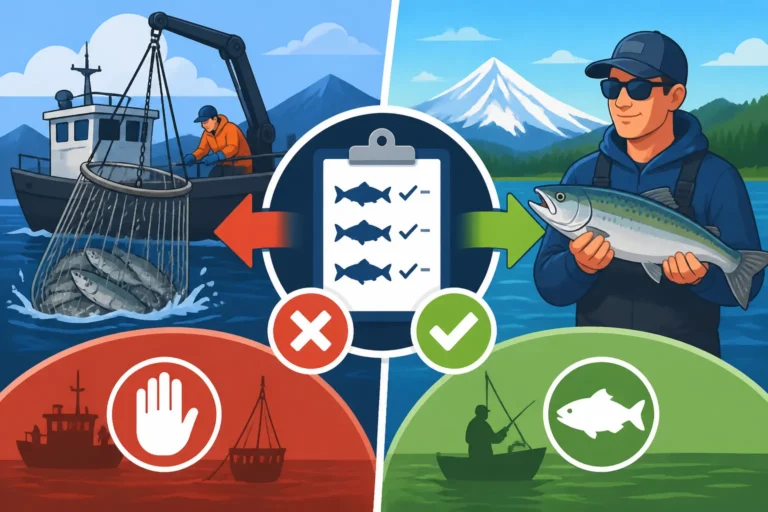
A daily limit, in the simplest terms, is the maximum number of a particular species of fish you're allowed to keep in a single day. For Chinook salmon in Puget Sound, this isn't always a straightforward "one fish" or "two fish" answer. Often, the daily limit specifies not just the quantity, but also criteria like whether the fish must be "marked" (a hatchery fish with a clipped adipose fin) or "unmarked" (a wild fish). This distinction is crucial because wild Chinook stocks are often struggling and need protection to rebuild their populations, while hatchery fish are bred for harvest.
Think of it like this: if the rule states "one Chinook, marked," it means you can only keep one Chinook, and it absolutely must have its adipose fin clipped. Keeping an unmarked Chinook, even if it's the only fish you catch, would be a violation. It’s a conservation measure designed to allow wild fish to return to their spawning grounds, contributing to the health of future generations. These rules can also vary by minimum size, adding another layer of complexity. Sometimes, you'll hear about "possession limits" too, which are different; they refer to the maximum number of fish you can have in your possession over multiple days, or even in your freezer at home, regardless of when they were caught. You can find more details about these distinctions in our guide on How Bag and Possession Limits Work in Washington.
Key Factors Determining Chinook Limits
So, who decides these often-complex limits? The Washington Department of Fish and Wildlife (WDFW), in close collaboration with tribal co-managers and federal agencies, sets these regulations based on a ton of scientific data. It's not arbitrary; it's driven by the health of the salmon stocks, projected returns, and the need to ensure enough fish make it back to their spawning grounds—this is called "escapement." If predicted returns for a specific stock, say from the Skagit River or the Nisqually, are low, you can bet the WDFW will impose stricter limits in the marine areas these fish pass through.
Other factors include international treaties, tribal fishing rights, and even public input during open forums. It’s a constant balancing act between providing recreational opportunities and safeguarding a vital natural resource. For instance, if forecasts for wild Chinook are poor, WDFW might restrict harvest to only hatchery-marked fish to allow those wild stocks to pass through without additional pressure. This scientific rigor is part of why understanding When Chinook Salmon Run in Washington's Puget Sound is so important for anglers, as limits often align with specific run timings and stock health.
The "Marked" vs. "Unmarked" Chinook Rule
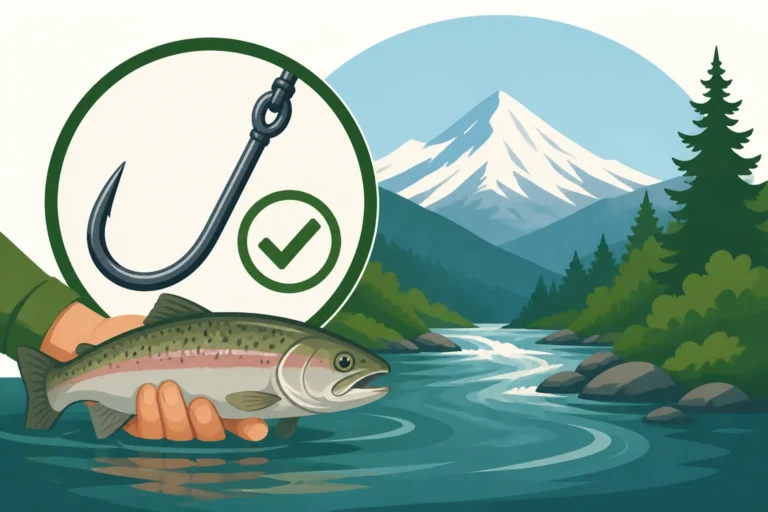
This is arguably one of the most significant and often misunderstood aspects of Chinook regulations in Puget Sound. The "marked" Chinook rule specifically refers to salmon that have had their adipose fin—the small, fleshy fin on their back between the dorsal fin and the tail—removed, or "clipped." This clipping is done at the hatchery before the fish are released, serving as a clear, visible indicator that the fish is of hatchery origin. Wild Chinook, on the other hand, retain their adipose fin.
The purpose is pure conservation: by requiring anglers to release all unmarked (wild) Chinook, WDFW aims to protect and help rebuild struggling wild salmon populations. This means that if you hook a Chinook and it has its adipose fin intact, you must release it immediately and unharmed, regardless of its size or whether it’s the only fish you’ve caught that day. Always have a pair of fish identification guides or a laminated WDFW pamphlet on hand, perhaps tucked into your tackle box, for quick reference. Companies like Amazon offer excellent laminated fishing rule cards that fit right into your gear bag, making it easy to double-check. Getting this wrong can lead to serious fines, so it’s essential to be absolutely certain before you put a fish in your cooler. You can dive deeper into identification with our guide on How to Identify a Washington Chinook Salmon.
Navigating the Ever-Changing Rules: Why Limits Shift
Just when you think you've got the rules down, they seem to change! This isn't out of spite, but rather a necessary response to the dynamic nature of salmon runs and environmental conditions. Being an angler in Washington means being adaptable and constantly informed, because yesterday's rules might not be today's reality.
How WDFW Sets and Communicates Regulations
The Washington Department of Fish and Wildlife (WDFW) has a monumental task: managing diverse fisheries across the entire state. For Puget Sound Chinook, they start with preseason forecasts based on years of data, stock assessments, and input from tribal co-managers. These forecasts lead to an initial set of regulations published annually in the Fishing Regulations Pamphlet. However, these are just starting points. The real complexity comes with "in-season management."
Throughout the year, WDFW biologists monitor actual fish returns, test fisheries, and environmental conditions. If, for example, a run of Chinook is coming in much weaker than predicted, or stronger, they will implement Emergency Rule Changes: Why Washington's Rules Shift Mid-Season. These changes can modify bag limits, open or close specific areas, or alter gear restrictions with very short notice. Keeping up means regularly checking the WDFW website for emergency rules, subscribing to their email alerts, or even calling their hotline before you head out. It’s a lot of work for an angler, but it’s crucial for sustainable fishing. A good waterproof rule book, perhaps purchased from Amazon, can be an invaluable tool to keep the latest regulations handy on the boat.
Understanding Marine Area Specifics
Puget Sound isn't just one big fishing area; it's meticulously divided into various "Marine Areas," each with its own set of rules, seasons, and often, specific Chinook limits. What's legal in Marine Area 9 for Salmon Fishing, Explained, could be completely illegal just a few miles away in Marine Area 10, or vice versa. These boundaries are based on various factors, including the migration routes of different salmon stocks and localized conservation needs.
For example, during certain times of the year, Marine Area 10 (Seattle/Bremerton) might have a daily limit of one marked Chinook, while Marine Area 5 (Sekiu and Pillar Point) might have a two-Chinook limit, with different size restrictions. It's not uncommon for a marine area to open for Chinook fishing only to close shortly after due to specific stock concerns, or open for a limited number of days per week. Always, always consult the most current WDFW regulations for the exact marine area you plan to fish. Misunderstanding these boundaries and their associated rules is a common reason for unintentional violations, and the wardens are out there checking.
The Impact of In-Season Rule Changes
Imagine you’ve planned a long-awaited fishing trip, booked your time off, and the night before, you check the WDFW website only to find that your favorite spot is now closed, or the Chinook limit has been reduced to zero for unmarked fish. This scenario, unfortunately, is a reality for Washington anglers. In-season rule changes are a direct response to real-time data indicating that a salmon run isn't progressing as expected. This could be due to lower-than-forecasted returns, environmental factors like warm water that stress fish, or even higher-than-expected catch rates early in the season.
While these changes can be frustrating, they are vital for protecting vulnerable salmon populations. Failing to stay updated on these emergency rules can lead to hefty fines and even loss of fishing privileges. That's why it's so important to consult resources like Where to Find Current Washington Fishing Rules every single time you head out. Don't rely on what you heard from a buddy last week, or even last night, without double-checking the official source. Many experienced anglers keep a small, portable radio on board tuned to weather and local marine reports, which can sometimes include WDFW updates.
Practical Tips for Anglers: Staying Compliant and Successful
Understanding the rules is one thing; putting them into practice on the water is another. There are definitely things you can do to make compliance easier and ensure your fishing trips remain enjoyable and worry-free.
Essential Gear for Measuring and Identifying Chinook
Before you even launch your boat or cast from the bank, make sure you have the right tools on hand. A reliable measuring tape or fish ruler is absolutely non-negotiable. Many Puget Sound Chinook regulations include minimum size limits, and attempting to eyeball a fish’s length can easily lead to mistakes. I’ve seen countless anglers on the dock trying to guess if their fish is legal, only to be disappointed. Having a clearly marked, rigid ruler or a flexible tape measure (look for ones explicitly designed for fishing, often found on Amazon or at local tackle shops like Fisherman's Marine & Outdoor) makes this process quick and accurate.
Equally important is knowing how to quickly and confidently identify a marked versus an unmarked Chinook. Before you even touch the fish, look for that adipose fin. If it's present, the fish is wild, and it needs to go back into the water as gently and quickly as possible. If it's clipped, then you can proceed to measure it and check for any other relevant rules. Keep a copy of Washington Fishing Regulations Every Angler Should Know easily accessible on your boat or in your tackle box. This readiness will save you stress and potential legal trouble.
Recording Your Catch: The Catch Record Card
Ah, the Catch Record Card. For many anglers, it’s a small piece of paper that feels like extra bureaucracy, but it's actually a cornerstone of Washington's salmon and steelhead management. When a Chinook salmon is legally retained in Puget Sound, you are required to immediately record specific information on your Catch Record Card, including the species, date, and marine area. This isn't just a suggestion; it's the law.
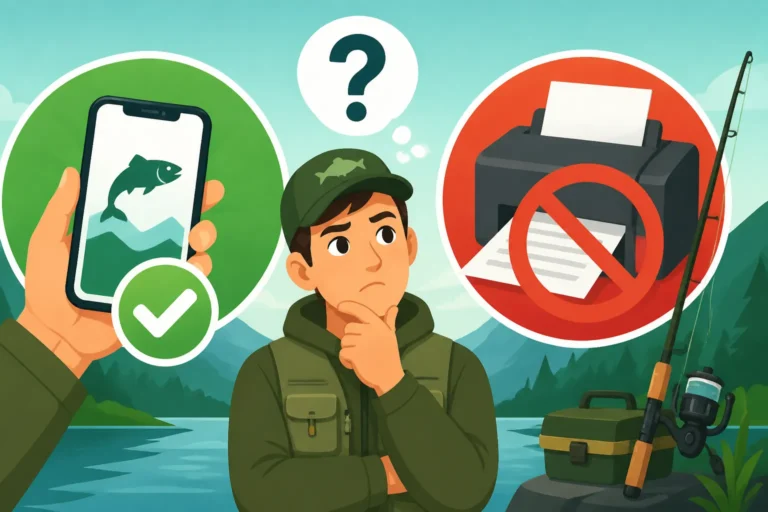
The data collected from these cards provides WDFW with crucial information about harvest rates, which directly influences future season setting and emergency rule changes. Failing to fill out your card immediately and accurately can result in fines. Make sure you understand The Washington Catch Record Card and What It Requires and always carry a pen or pencil that works even when wet. Some anglers prefer to use the Fish Washington App for electronic reporting, which can be super convenient, but always double-check if your area allows for electronic cards, as rules can vary.
Planning Your Trip Around Limits and Openings
The best defense against rule violations is proactive planning. Never assume that yesterday's rules apply today. Before every single fishing trip, whether it's a quick evening outing or a full-day adventure, take the time to check the official WDFW regulations.
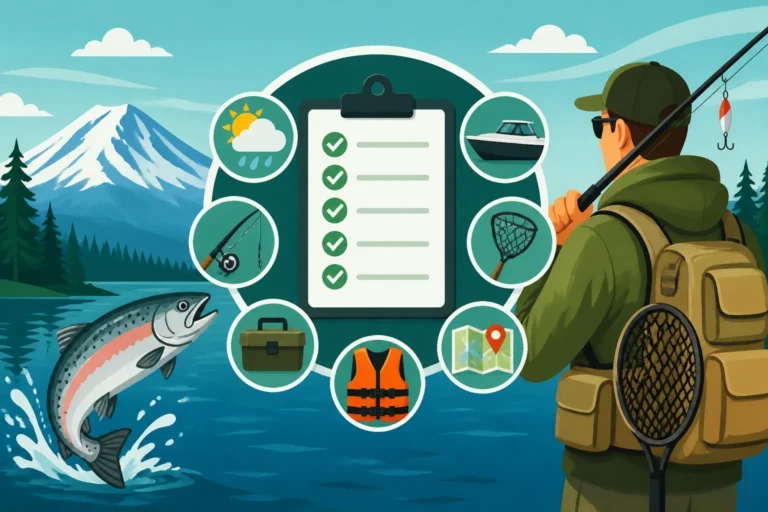
Here’s a quick checklist for planning:
- Check the WDFW Website: Look specifically for emergency rule changes that might have occurred since the last published pamphlet. This is usually the first place new information appears.
- Consult the Pamphlet: Keep a physical copy of the Washington Sport Fishing Regulations Pamphlet on hand, and reference it for the general seasons, size limits, and daily limits for your target Marine Area.
- Local Tackle Shops: Visit or call local tackle shops in areas like Seattle, Everett, or Olympia. These folks are often on the water daily or talking to anglers who are, and they usually have the most up-to-the-minute local knowledge.
- Community Forums/Social Media: While not official sources, local fishing groups on social media can be great for hearing about recent changes or hot bite reports, but always cross-reference with WDFW.
By diligently checking these sources, you ensure that you're fishing legally and responsibly, contributing to the sustainability of Washington's incredible Chinook salmon fishery. It's a small effort that pays off by preventing headaches and protecting our valuable resource for future generations.
Puget Sound Chinook Daily Limits at a Glance (Highly Variable!)
Please remember, the regulations for Chinook salmon in Puget Sound are highly dynamic and subject to frequent in-season changes. This table is for illustrative purposes only and does not represent current or definitive regulations. Always check the official Washington Department of Fish and Wildlife (WDFW) website or the current Sport Fishing Regulations Pamphlet before heading out.
| Marine Area | Typical Season (Illustrative) | General Daily Limit (Illustrative) | Key Considerations (Illustrative) |
|---|---|---|---|
| Marine Area 5 (Sekiu & Pillar Pt.) | Summer/Fall (e.g., July-Sept) | 2 salmon, 1 of which may be Chinook | Marked selective, often specific size limits, sometimes only open for hatchery Chinook. |
| Marine Area 6 (East Juan de Fuca) | Summer/Fall (e.g., July-Oct) | 2 salmon, 1 of which may be Chinook | Marked selective for Chinook, can have weekly limits, sometimes specific days open. |
| Marine Area 7 (San Juan Islands) | Summer/Fall (e.g., July-Sept) | 1 salmon, often Chinook | Highly restrictive, often marked selective, can be closed entirely during peak wild runs. |
| Marine Area 8-1 (Deception Pass) | Late Summer/Fall (e.g., Aug-Oct) | 1 salmon, often Chinook | Marked selective, often very short seasons, sometimes only specific gear allowed. |
| Marine Area 9 (Admiralty Inlet) | Summer/Fall (e.g., July-Aug) | 1 salmon, Chinook | Often hatchery Chinook only (marked selective), can open for very limited periods. |
| Marine Area 10 (Seattle/Bremerton) | Summer/Fall (e.g., July-Nov) | 1 salmon, Chinook | Marked selective, often minimum size limits, can close unexpectedly. |
| Marine Area 11 (Tacoma/Vashon) | Year-round for finfish, Chinook limited | 1 salmon, Chinook | Marked selective, often specific minimum size (e.g., 22"), sometimes closed for Chinook. |
| Marine Area 12 (Hood Canal) | Year-round for finfish, Chinook limited | 2 salmon, 1 of which may be Chinook | Marked selective, often specific minimum size, can have specific areas closed. |
| Marine Area 13 (South Sound) | Year-round for finfish, Chinook limited | 2 salmon, often Chinook | Often no minimum size for Chinook, but still marked selective. |
This table represents hypothetical and illustrative examples of how rules could look. Actual regulations are far more detailed and constantly updated.
Disclaimer
The information provided in this guide is for general informational purposes only and is subject to change. Fishing regulations, especially for Chinook salmon in Puget Sound, are highly dynamic and can be modified at any time by the Washington Department of Fish and Wildlife (WDFW) through emergency rule changes. It is the angler's sole responsibility to consult the most current official WDFW regulations, including emergency rule updates, before engaging in any fishing activity. Failure to do so may result in fines or penalties.