Is Lake Washington Good for Shore Fishing?
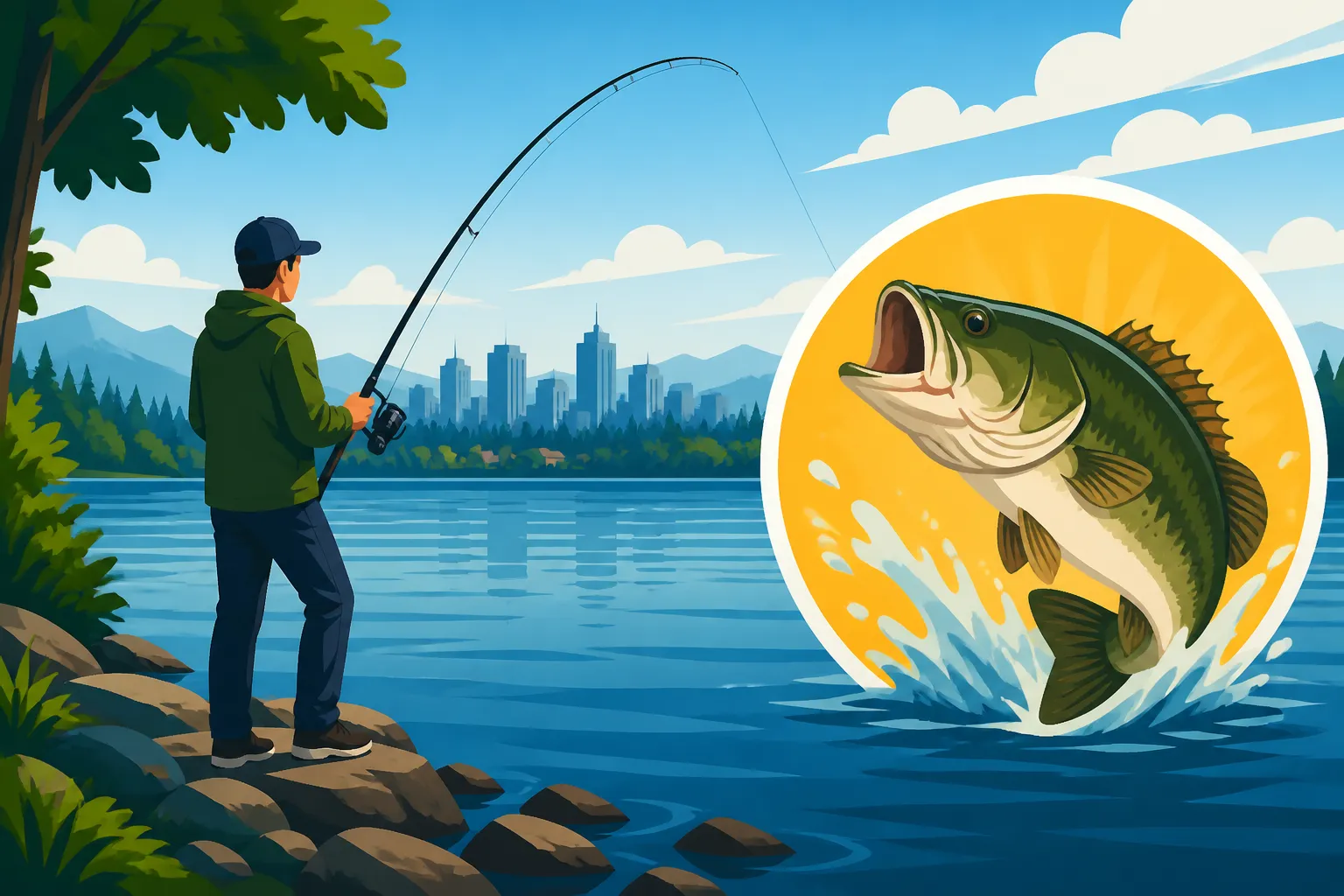
"Is Lake Washington good for shore fishing?" That's a question I hear a lot, usually followed by a bit of a sigh. It's a valid concern, truly. You look at this massive body of water, right in the heart of our biggest metropolitan area, and you just know there are fish in there. But actually getting to them, navigating the urban sprawl, and finding a decent spot without a boat can feel like an impossible puzzle. This guide is all about cutting through that frustration, giving you the real scoop on what to expect, where to go, and how to actually catch some fish from the bank on Lake Washington.
The Reality of Shore Fishing on Lake Washington
Let's be upfront: shore fishing on Lake Washington isn't like casting into a pristine wilderness lake where you have miles of uninterrupted shoreline to yourself. It's an urban fishery, through and through, and that comes with its own unique set of circumstances. But don't let that discourage you! With the right approach and expectations, it can be a surprisingly rewarding experience, offering a quick escape right in the city.
Understanding Lake Washington's Unique Challenges for Shore Anglers
One of the biggest hurdles for bank anglers on Lake Washington is access. This isn't a small, easily waded river. It's a large, deep lake surrounded by a dense population, which means much of the shoreline is privately owned. Think waterfront homes, yacht clubs, and private docks. This significantly limits the public access points, pushing anglers into more concentrated areas.
The lake itself is also quite deep, especially off the main thoroughfares. This means that many desirable fish species, particularly during warmer months, will retreat to cooler, deeper waters that are simply out of casting range for a shore angler. The clear water, while beautiful, also means fish can be spooky, especially in shallower, high-traffic areas. You're often dealing with boat traffic, paddleboarders, and swimmers, all of whom can impact fish behavior and the tranquility of your fishing experience. The bottom can also be quite weedy in shallower areas, which can make retrieving certain lures a challenge and lead to frustrating snags.
What Species Can You Realistically Target From Shore?
While you might dream of hooking a massive Chinook salmon from a public pier, the reality is that certain species are far more accessible and consistent for the shore angler on Lake Washington. Managing your expectations here is key to a fun day.
Your most reliable targets will likely be trout, especially stocked rainbow trout. The Washington Department of Fish and Wildlife (WDFW) regularly stocks lakes around the state, and Lake Washington does receive its share, particularly in certain bay areas. These fish are often eager biters and can provide consistent action, especially in the spring and fall. You might also encounter resident cutthroat trout, though they can be a bit more elusive and require a more stealthy approach.
Bass are another fantastic option. Both smallmouth and largemouth bass thrive in Lake Washington. Smallmouth tend to hug rocky shorelines and structure, making them good targets from public parks with riprap or old pilings. Largemouth prefer weed beds and submerged cover, often found in shallower, calmer bays. These can be incredibly fun to catch and are often quite aggressive.
Don't overlook perch! Yellow perch are abundant in Lake Washington and are excellent eating fish. They often travel in schools and can be found in many of the same areas as bass, particularly near weed lines or docks. They're a great target for beginners or for those looking for consistent action. Other panfish like crappie and bluegill can also be caught, especially in the shallower, weedy areas.
As for salmon, it's a tough ask from shore. While salmon do migrate through Lake Washington to reach spawning rivers like the Cedar, catching them from a stationary bank position is incredibly challenging and often dependent on very specific, short-lived windows and locations. It's not impossible, but it's not something you should base your entire shore fishing trip around, unless you're incredibly dedicated and knowledgeable about specific runs and timing. For those really keen on salmon, exploring a guided trip on the Columbia River or a Puget Sound Salmon Charter might be a more productive route, which you can easily research on platforms like FishingBooker.
Finding Your Feet: Best Public Access Points for Shore Fishing
The key to successful shore fishing on Lake Washington is knowing where to go. Not all public parks are created equal when it comes to angling access, and some spots offer better opportunities for specific species or techniques.
Popular Parks and Piers with Reliable Access
When you're looking for a place to cast a line, you want public land with ample shoreline or a pier that extends into deeper water. Here are a few top contenders around Lake Washington:
- Seward Park (Seattle): This is a fantastic option on the Rainier Valley side of the lake. Seward Park offers extensive shoreline, a long pier, and plenty of amenities. The pier is a real asset for shore anglers, allowing you to reach deeper water and potentially target different species than you would from the immediate bank. The rocky shoreline also provides habitat for bass. It can get busy, especially on nice days, but it's large enough to find a spot.
- Juanita Beach Park (Kirkland): Located on the east side of the lake, Juanita Beach Park has a pier and a lovely sandy beach area. While the beach is popular with swimmers, the pier offers good access to deeper water, and the surrounding areas can hold bass and perch. It's a bit more geared towards family outings, but don't let that deter you from fishing.
- Gene Coulon Memorial Beach Park (Renton): Situated at the very south end of the lake, Coulon Park boasts a really impressive fishing pier that stretches far out into the lake. This is arguably one of the best shore fishing spots on Lake Washington because the pier provides access to a wide range of depths and structures. You'll find anglers targeting trout, bass, and perch here, especially during peak seasons. It's well-maintained and has ample parking.
- Magnuson Park (Seattle): On the north end of the lake, Magnuson Park offers vast open spaces and a lengthy shoreline. While much of it is shallower, there are areas with more structure and weed beds that can hold bass and panfish. It's a great spot if you prefer more open casting space and less crowded conditions than some of the piers.
- Mercer Island's Luther Burbank Park: This park offers a good mix of shallow and slightly deeper water, with plenty of public access along its shoreline. It's often a bit less crowded than the Seattle or Kirkland parks, providing a more peaceful fishing experience. Look for structure like fallen trees or docks (from a respectful distance) that can hold bass.
When visiting any of these spots, remember to check the local park rules in addition to the state fishing regulations. Some parks might have specific hours or restrictions on fishing in certain areas. You'll also want to make sure you have your Washington Fishing License Guide for Nonresidents or understand the distinctions between Resident vs Nonresident Fishing Licenses in Washington before you even leave home. It's always best to be prepared!
Overlooked Spots and Seasonal Opportunities
Beyond the major parks, Lake Washington has numerous smaller, often overlooked nooks and crannies that can offer surprising opportunities. These might include small neighborhood parks, public boat launches, or even roadside pull-offs with limited bank access. The key here is exploration and keeping an eye out for potential spots. A quick drive around the lake with a fishing rod in the trunk can sometimes reveal a gem.
For instance, many of the smaller parks along the western shore of Lake Washington, between Seward Park and Magnuson Park, have small patches of public shoreline or mini-piers that can be productive. Same goes for the eastern shore in spots between Juanita Beach and Coulon Park. These less-trafficked areas can sometimes offer fish that are less pressured.
Seasonal opportunities are huge on Lake Washington.
- Spring: This is prime time for stocked rainbow trout. As the water warms, these fish become very active and are often found closer to shore. It's also when bass start to become more active in shallower waters as they prepare for spawning.
- Summer: The middle of summer can be tough for trout from shore as they move to deeper, cooler water. However, bass fishing can be excellent, especially in the early morning and late evening. Perch are also very active and can be found in schools.
- Fall: As temperatures drop, trout fishing picks back up, and bass can have a strong feeding binge before winter. Perch remain a reliable target. This is also when some of the elusive salmon runs might pass through, though again, success from shore is highly dependent on precise timing and location.
Paying attention to water levels can also reveal new opportunities or submerge existing structure. After a period of heavy rain, for example, newly flooded areas can attract fish, or current lines near creek mouths might concentrate baitfish. Platforms like FishingBooker sometimes feature local guides who share general seasonal insights for different areas, which can be useful even if you're not booking a trip with them. For the most up-to-date information on seasonal openings and closures, always check the Washington Sport Fishing Seasons and Emergency Closures as rules can change.
| Shore Fishing Location | Target Species (Primary) | Best Techniques (Shore) | Notes & Access |
|---|---|---|---|
| Gene Coulon Memorial Beach Park | Trout, Perch, Smallmouth Bass | PowerBait/worms (trout), small jigs (perch), soft plastics/crankbaits (bass) | Excellent long pier access, good parking, can get crowded. Ideal for reaching deeper water. |
| Seward Park | Trout, Smallmouth Bass, Perch | PowerBait/worms (trout), spinners/spoons (trout), soft plastics (bass) | Long pier and extensive rocky shoreline. Popular but ample space. Good structure for bass. |
| Juanita Beach Park | Trout, Smallmouth Bass, Perch | PowerBait/worms (trout), small jigs (perch), spinners/small crankbaits (bass) | Fishing pier, shallower beach areas. Good family spot, can be busy with swimmers. |
| Magnuson Park | Largemouth Bass, Perch, Trout | Soft plastics/weedless lures (bass), bobber & worm/jig (perch), spinners (trout) | Extensive shallow shoreline, good weed beds. More spread out, less crowded for casting. |
| Luther Burbank Park | Largemouth Bass, Perch, Trout | Soft plastics/jigs (bass), bobber & worm (perch), PowerBait (trout) | Mix of shallow and deeper areas, good structure. Generally quieter than city parks. |
Gear and Techniques for Successful Lake Washington Shore Fishing
You don't need a boatload of expensive gear to catch fish from the shore of Lake Washington. A simple, versatile setup and a bit of technique will get you a long way. The key is to be adaptable and observant.
Essential Gear for Bank Anglers on Lake Washington
A light to medium-light spinning rod and reel combo is your best friend for Lake Washington shore fishing. A 6 to 7-foot rod with a fast action is versatile enough to cast light lures for trout, present baits for perch, and handle a decent bass. Pair it with a 2000-3000 size spinning reel spooled with 6-10 lb monofilament or fluorocarbon line. Braided line with a fluorocarbon leader is also a popular choice for sensitivity and strength.
When it comes to terminal tackle, keep it simple but varied.
- Hooks: A selection of sizes from small (size 8-12) for trout and perch, up to medium (size 1/0-2/0) for bass.
- Weights: Split shots, sliding egg sinkers, or walking sinkers in various sizes to get your bait to the desired depth.
- Bobbers: Both fixed and slip bobbers are useful. A slip bobber allows you to fish deeper water with ease.
- Swivels: Small barrel swivels or snap swivels to prevent line twist and easily change lures.
Your bait and lure selection should cater to the species you're targeting.
- For trout: The classic choice is PowerBait in various colors (chartreuse, rainbow, orange) fished off the bottom with an egg sinker. Worms (nightcrawlers) are also deadly, either on the bottom or suspended under a bobber. Corn can be surprisingly effective for stocked trout too. Small spinners like Roostertails or Mepps, and spoons like Kastmasters, are great for casting and retrieving. Consider checking out the article on Lakes That Stock Triploid Rainbow Trout in Washington for more specific insights on what trout are being released and what they might be biting on.
- For bass: Soft plastic baits like wacky-rigged worms, Senkos, creature baits, and small jigs are incredibly effective, especially when worked slowly around structure. Small crankbaits, spinnerbaits, and even topwater lures (for early morning/late evening) can also entice aggressive strikes. If you're looking for more detailed tactics, the techniques discussed in How to Fish for Smallmouth Bass in Eastern Washington can often be applied to Lake Washington's smallmouth populations. For largemouth, target those weed lines and lily pads with weedless frogs or plastics.
- For perch and panfish: Small pieces of nightcrawler or pieces of shrimp under a bobber, or tiny jigs tipped with a grub or a piece of bait, are usually irresistible.
Don't forget comfort items! A folding chair makes waiting for a bite much more pleasant. A cooler for drinks, snacks, and keeping your catch fresh is essential. Sunscreen, a hat, and polarized sunglasses will protect you and help you spot fish or underwater structure. Depending on your chosen spot, waders might even be useful for reaching slightly farther out in shallower areas, although this isn't necessary for most pier fishing.
Effective Strategies for Different Species
Success from shore often comes down to understanding where fish are likely to be and how to present your bait or lure effectively.
Trout:
When targeting stocked trout, especially rainbow trout, they're often found in areas where they were released, which tend to be near public access points and piers.
- Bottom Fishing: The most common method is using a small egg sinker above a swivel, with a 12-18 inch leader terminating in a small hook (size 8-10) with PowerBait molded around it. The PowerBait floats, lifting your bait off the bottom, making it easily visible.
- Bobber Fishing: For fish cruising higher in the water column, a worm or PowerBait under a slip bobber set to a specific depth can be very effective. Cast it out and let it drift, or give it an occasional twitch.
- Casting & Retrieving: Small spinners (1/8 to 1/4 oz) and spoons are great search baits. Cast them out, let them sink to your desired depth, and retrieve at a steady pace. Vary your retrieve speed and add pauses to see what triggers a bite.
Bass:
Both smallmouth and largemouth bass are structure-oriented. Look for docks, fallen trees, rock piles, riprap, and weed lines.
- Smallmouth: Focus on rocky points and riprap. Cast soft plastics like tubes or grubs on a jig head, working them slowly along the bottom. Small crankbaits that imitate baitfish can also be effective when retrieved parallel to the shore.
- Largemouth: Target calmer, shallower bays with lily pads, submerged timber, or dense weed beds. Use weedless setups like Texas-rigged worms or soft plastic frogs over cover. Pitches and flips into tight spots are key. Early morning or late evening can be excellent for topwater lures.
- Jigging: Small jigs, especially those with skirts, can be worked along drop-offs or near structure for both species.
Perch and Panfish:
These species often hang out together in schools, especially around submerged vegetation, docks, and rocky areas in 5-15 feet of water.
- Bobber Fishing: A classic and highly effective method. Use a light bobber, a small split shot, and a tiny hook (size 10-12) baited with a piece of worm, corn, or a small grub. Set your depth just above the weed line or slightly off the bottom.
- Small Jigs: Tiny jigs (1/32 to 1/16 oz) tipped with a small plastic grub, a piece of worm, or a Berkley Gulp! Alive! maggot can be cast and slowly retrieved or jigged vertically near structure.
Remember, understanding Washington Fishing Regulations Every Angler Should Know is paramount. Always double-check bag limits and any special rules for Lake Washington before heading out. And don't forget the practical advice on Carrying Your Washington Fishing License: Paper, Phone or the MyWDFW App so you're always ready if a WDFW officer stops by.
Maximizing Your Chances and Overcoming Obstacles
Shore fishing can be a game of patience and persistence, especially on a large, urban lake like Washington. But by paying attention to a few key factors, you can significantly increase your odds of success.
Timing, Tides, and Weather Considerations
Unlike saltwater fishing where tides play a huge role, tides are not a factor in Lake Washington as it's a freshwater lake. However, timing of day and seasonal patterns are incredibly important.
- Time of Day: For most species, the early morning (dawn to a couple of hours after sunrise) and late evening (a couple of hours before sunset into dusk) are prime feeding times. The light is lower, temperatures are usually cooler, and fish often move into shallower water to feed more aggressively. Mid-day can be slow, especially on bright, sunny days, as fish retreat to deeper, cooler water or denser cover.
- Seasonality:
- Spring (March-May): Excellent for stocked trout and the beginning of the bass bite. Water temperatures are rising, stimulating fish activity.
- Summer (June-August): Trout fishing from shore can slow down as fish go deep. Bass and perch fishing can be very good, especially during low-light hours or in shady spots.
- Fall (September-November): Trout fishing picks back up as the water cools, and bass can enter a strong feeding phase before winter. Perch remain active.
- Winter (December-February): Generally slower for most species from shore, but determined anglers can still find success with trout and occasionally holdover bass or perch, often requiring slower presentations and deeper fishing.
- Weather: Overcast days can often lead to better fishing, as the reduced light encourages fish to be more active throughout the day. A light drizzle can sometimes turn on the bite, especially for trout. High winds, however, can make casting difficult, muddy up shallow areas, and make boat traffic (and thus, fishing disruption) worse. Look for calmer, protected coves on windy days. Temperature changes can also trigger feeding. For example, a warming trend after a cold snap might bring fish shallower.
It's always a good idea to check the weather forecast before you head out. A little preparation can save you from a soggy or frustrating trip.
Navigating Regulations and Etiquette
Fishing in Washington, whether from a boat or the bank, comes with rules. It's not just about what you catch, but how you fish and how you interact with the environment and other people.
- Licenses and Endorsements: The absolute first thing you need is a valid Washington fishing license. Whether you're a resident or a non-resident, an adult needs one. Kids generally don't need a license until a certain age, but it's essential to confirm the specifics. You can find comprehensive details in the Washington Fishing License Guide for Nonresidents or by checking out Resident vs Nonresident Fishing Licenses in Washington. Make sure you have your license on you, either a physical copy or via the MyWDFW App. For more on this, refer to Carrying Your Washington Fishing License: Paper, Phone or the MyWDFW App.
- Regulations Pamphlet: Beyond the license, you must know the current rules for Lake Washington. This includes daily bag limits, size restrictions, and specific gear rules. The Washington Sport Fishing Regulations pamphlet, available online or at license vendors, is your bible. Always check it before you go. This will help you understand Washington Fishing Regulations Every Angler Should Know.
- Catch Record Card: If you somehow manage to hook a salmon or steelhead from Lake Washington (a rare feat from shore, but possible), you'll need to possess a Catch Record Card and record your catch immediately. This is crucial for WDFW to monitor fish populations.
- Respect Private Property: Lake Washington is heavily developed. While you might spot a promising-looking dock or shoreline, if it's not explicitly public access, it's private property. Trespassing is illegal and can lead to fines. Stick to designated public parks, piers, and access points.
- Leave No Trace: Pack out everything you pack in, and then some. This includes old fishing line, bait containers, and any other trash. Respecting the environment ensures that these public fishing spots remain beautiful and accessible for everyone. Many anglers rely on specific spots, and you might find local communities around popular areas. Be courteous, don't hog the best spot, and be mindful of noise. If you encounter any issues or want to report a violation, WDFW has resources available.
- Handling Fish: If you're practicing catch-and-release, learn how to properly handle fish to minimize stress and maximize their survival chances. Wet your hands, use a net, and release them quickly. This is especially important for any sensitive species or those that are out of season or under size limits.
By adhering to these guidelines, you're not just being a responsible angler; you're contributing to the health of the fishery and ensuring that future generations can enjoy the unique experience of shore fishing on Lake Washington. For any questions about specific techniques or species on the lake, even if you're not planning a guided trip, local fishing forums and resources, or even just searching on platforms like FishingBooker, can often provide valuable community insights.
Disclaimer
Fishing regulations, seasons, and access points can change frequently. Always consult the latest Washington Department of Fish and Wildlife (WDFW) regulations pamphlet or their official website before any fishing trip to ensure you are compliant with current rules. This guide provides general information and recommendations but should not be considered a substitute for official WDFW resources.