Where to Fish for Kokanee on Lake Roosevelt
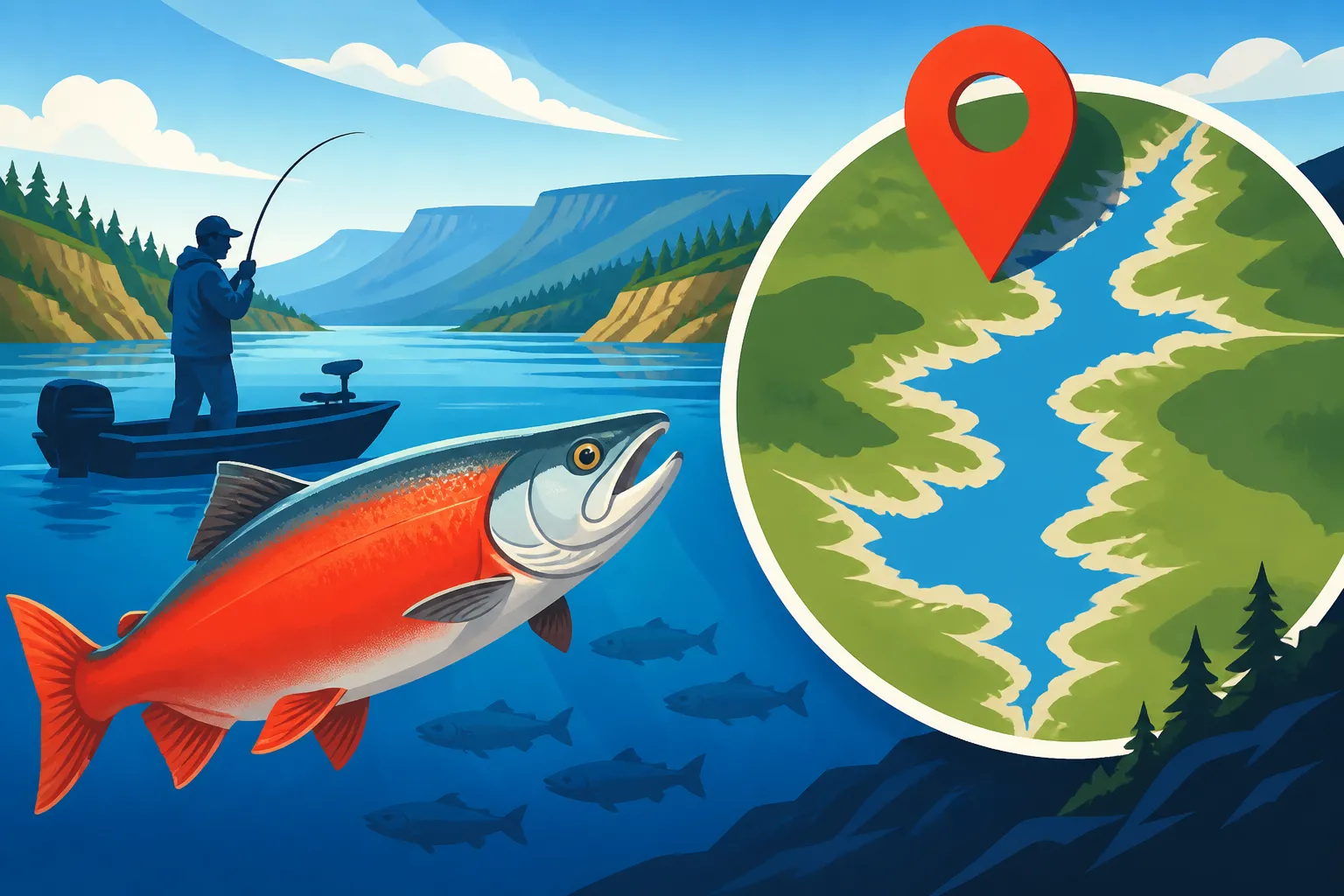
Lake Roosevelt is an absolutely massive body of water, stretching for over 150 miles behind the Grand Coulee Dam. Trying to find a specific species like kokanee salmon in such an immense lake can feel like searching for a needle in a haystack, leaving many anglers feeling overwhelmed and unsure where to even start. This comprehensive guide is designed to cut through that frustration, providing you with targeted information on the best spots and proven techniques to successfully fish for kokanee on Lake Roosevelt.
Understanding Lake Roosevelt’s Kokanee Habitat
Before you even think about dropping a line, it's really helpful to get a feel for what makes Lake Roosevelt tick, especially when it comes to a specific species like kokanee. This isn't your average small trout lake; it's a huge reservoir of the Columbia River, and that brings some unique challenges and opportunities.
The Sheer Scale of Lake Roosevelt and Its Impact
When we talk about Lake Roosevelt, we're talking about a water body that can be truly intimidating. From the Canadian border all the way down to the Grand Coulee Dam, it snakes through canyons and broad valleys, offering countless coves, points, and vast open water expanses. This sheer size means that kokanee, being schooling fish, can be incredibly spread out or concentrated in very specific, often hard-to-find areas. They aren't going to be everywhere at once, and their location can shift dramatically based on season, food availability, and even the daily dam operations that affect water levels and current.
For instance, the northern reaches near Kettle Falls and Marcus offer a different fishing experience than the central sections around Hunter's or Gifford, or the deep water closer to the Grand Coulee Dam itself. The river influence is strongest up north, bringing in cooler water and nutrients, which can be a huge draw for kokanee. Farther south, the lake widens, creating more open areas where kokanee might suspend in the water column over old submerged river channels, making them a bit more nomadic. Without understanding these nuances, you could spend days trolling unproductive water.
Key Environmental Factors for Kokanee
Kokanee are a specific type of fish with very particular preferences, and understanding these can drastically improve your success rate on Lake Roosevelt. They are, after all, landlocked sockeye salmon, and they retain many of their anadromous cousins' traits.
First and foremost, kokanee are cold-water fish. They thrive in water temperatures generally between 45 and 55 degrees Fahrenheit. As Lake Roosevelt warms up in the summer, these fish will retreat to deeper, cooler water, often suspending in what's known as the thermocline – the layer where warmer surface water meets colder deep water. This means if you're fishing shallow in August, you're probably just wasting your time. You've got to find that optimal depth where they're comfortable.
Their diet is another critical factor. Kokanee are primarily zooplankton feeders. These tiny crustaceans and other microscopic organisms are what kokanee actively filter feed on. This means they'll gather in areas where these food sources are abundant, which can sometimes be dictated by current, wind, or even the sun's position. Learning to identify these food-rich areas, often seen as "clouds" on a good fish finder, is a huge advantage.
Finally, structure plays a role, though perhaps less so than for other species like bass or walleye. While kokanee will often suspend in open water, they'll still relate to submerged creek channels, old timber, and sharp drop-offs for shelter or areas where food might concentrate. The presence of current from the Columbia River, especially in the northern parts of the lake, can also funnel food and create holding lies for these fish. Keep an eye out for how the current affects different sections of the lake; it's an often-overlooked factor on such a vast system.
Top Kokanee Hotspots on Lake Roosevelt
Given the immense size of Lake Roosevelt, pinpointing specific areas where kokanee tend to congregate is vital. While these fish are notorious for moving, historical data and local knowledge point to a few consistent hotspots that are worth focusing your efforts on.
Northern Reaches: Kettle Falls and Marcus
The stretch of Lake Roosevelt from Kettle Falls north towards the Canadian border, including the area around Marcus, is a perennial favorite for kokanee anglers, and for good reason. This section of the lake retains more of its riverine characteristics, meaning it often has stronger currents and, critically, cooler water temperatures, especially earlier in the season and during the warmer months. These cooler, well-oxygenated waters are exactly what kokanee prefer.
You'll find numerous deep channels and submerged structures here that hold schools of kokanee. The river's influence also tends to concentrate zooplankton, their primary food source, making these areas feeding grounds. Many anglers have great success trolling these waters with downriggers, targeting depths where baitfish and kokanee schools are visible on their sonar. Access points like Kettle Falls Marina or the Marcus boat launch offer convenient starting points for exploring this productive water. Keep an eye on any river junctions or major bends, as these areas often create eddies where fish can rest and feed.
Central Depths: Hunter's and Gifford
Moving south into the central part of Lake Roosevelt, around the communities of Hunter's and Gifford, the lake begins to widen considerably. Here, you're looking at a different kind of kokanee habitat. While the northern section is more river-like, the central basin offers vast stretches of deep, open water over what were once the Columbia River's main channels. This is where kokanee often suspend in deeper water, sometimes hundreds of feet down, following the thermocline in summer.
The key to fishing these central depths is to cover a lot of water and rely heavily on your electronics. Look for expansive flats or old riverbeds that transition into deeper water, as kokanee will cruise these areas. Using a good fish finder is absolutely essential here to spot those tell-tale arches of kokanee schools. Often, the best fishing in these parts involves precision trolling with multiple rods and downriggers, experimenting with different depths until you hit the strike zone. Marinas and public launches at Hunter's and Gifford provide good access to these wide-open, deeper sections. Remember, these fish can be anywhere in the vastness, so patience and persistent searching are your best tools.
Southern End: Near Grand Coulee Dam
The area closer to the mighty Grand Coulee Dam, while known for its impressive depths and sheer scale, can also hold kokanee, though it often presents a unique set of challenges. The water here is consistently cold due to the dam's releases, which can be a draw for kokanee, especially during peak summer heat when other parts of the lake might be too warm. However, the strong currents and fluctuating water levels caused by power generation can make fishing tricky.
Anglers targeting kokanee near the dam need to be extremely mindful of safety due to these currents. Look for areas just outside the immediate influence of the dam's powerful flows, where the current might slow down enough for kokanee to hold. The deep, canyon-like structure here means fish can be suspended at incredible depths. Precision is paramount, often requiring heavy downrigger weights and specialized gear to get your lures down to where the fish are holding. This area is less about expansive trolling and more about pinpointing specific deep-water congregating spots. Always check the current flow rates and dam operations before venturing too close.
Essential Techniques and Gear for Lake Roosevelt Kokanee
Fishing for kokanee on Lake Roosevelt isn't just about finding the right spot; it's also about employing the right techniques and having the necessary gear to present your bait effectively. These spirited fish can be finicky, so precision and adaptability are key.
Trolling with Downriggers for Depth Control
When it comes to consistently catching kokanee on Lake Roosevelt, especially outside of the early spring, trolling with downriggers is arguably the most effective technique. As we've discussed, kokanee prefer specific temperature ranges, which means they often suspend in deep water, far beyond the reach of conventional tackle. Downriggers allow you to precisely control the depth of your lure, getting it right into the strike zone.
You'll typically want to run multiple rods at various depths, often staggered a few feet apart, until you locate a school. Popular lure choices include small dodgers or flashers paired with a short leader (6-12 inches) to a kokanee bug, wedding ring spinner, or small spoon. Tipping your lure with Shoepeg corn, sometimes soaked in a special kokanee scent, is a time-honored tradition that significantly increases strikes. The corn not only adds scent but also provides a visual attractant and flotation. Your trolling speed is crucial too; generally, 1.0 to 1.8 mph is a good starting point, but let the fish tell you what they prefer on any given day. If you want to dive deeper into the nuances, we have an excellent guide on Downrigging for Deep Kokanee in Summer that covers this in detail. For specific gear, brands like Scotty and Cannon are popular choices for downriggers among Washington anglers, known for their reliability on big waters like Roosevelt.
Jigging for Suspended Kokanee
While trolling covers a lot of water, jigging can be incredibly effective when you've located a concentrated school of kokanee, especially those suspended off the bottom. Modern fish finders, which we'll get to, make this technique possible. Once you mark a school, you can often stop your boat directly over them and drop jigs right into the fish.
Small, heavy jigs, often made of tungsten, are excellent for this. They sink quickly, allowing you to get down to the fish before the school moves on. Popular jig colors include pink, green, orange, or white, sometimes with glow-in-the-dark properties. Again, tipping your jig with Shoepeg corn is highly recommended. The technique involves a gentle lift and fall motion, mimicking a wounded baitfish or an insect. Pay close attention to your line, as kokanee strikes can be subtle. This method is particularly effective in areas where kokanee are tightly schooled, such as certain bends in the river channel or over deep structure. It's an active and engaging way to fish, and you can learn more about it in our article on Jigging for Kokanee in Washington Lakes.
Reading Your Electronics and Water Conditions
In a lake as vast and deep as Roosevelt, your electronics are your best friends. A high-quality fish finder isn't just a luxury; it's a necessity for locating kokanee. These fish often suspend in mid-water, forming dense schools that appear as distinct arches or "clouds" on your sonar screen. Learning to interpret these readings is paramount. You need to be able to distinguish kokanee from other species and accurately determine their depth. If your fish finder also has a temperature gauge, that's an added bonus, as it helps you identify the thermocline where kokanee are most likely to be holding. You might be surprised how much a good fish finder can help, and our guide, Can a Fish Finder Help You Locate Kokanee?, explores this further.
Beyond electronics, always pay attention to the prevailing water conditions. Water clarity, for example, can dictate your lure colors and leader strength. Clearer water might call for more subtle presentations and longer leaders, while stained water might require brighter, more contrasting colors. Current, especially in the northern reaches, can also influence how you present your lures. Sometimes a slight increase or decrease in trolling speed, or a change in your approach angle relative to the current, can make all the difference. Always be observant and willing to adapt.
Seasonal Considerations and Best Practices
Kokanee fishing on Lake Roosevelt is very much a seasonal pursuit, with fish behavior and locations changing dramatically throughout the year. Understanding these patterns is crucial for consistent success.
Springtime Opportunities
As winter slowly gives way to spring, the waters of Lake Roosevelt begin to warm, triggering a shift in kokanee behavior. In early spring, when the water temperatures are still quite cool, kokanee tend to be found shallower than they will be later in the year. They often move into bays and along shallower flats to feed, making them more accessible to anglers without requiring extreme depths.
During this period, trolling can still be highly effective, but you might find success with less gear – sometimes even flat-lining or using planer boards to get your lures away from the boat without needing a downrigger. Small spoons, wedding rings, and even tiny spinners or jigs can work well. The key is to target areas where new insect life is emerging, or where baitfish are congregating. As spring progresses, and the surface temperatures climb, the kokanee will gradually start their migration to deeper, cooler water. This is a great time to experiment with colors; sometimes brighter, more aggressive presentations work best as the fish shake off their winter lethargy.
Summer Deep Water Action
Summer is when Lake Roosevelt kokanee really settle into their deep-water patterns. As the surface water warms considerably, these fish will seek refuge in the cooler, stable temperatures of the thermocline. This means you’ll be focusing heavily on those downrigger techniques we discussed earlier, often targeting depths anywhere from 40 to 100 feet, or even deeper depending on the specific location and the day.
This is the peak season for using flashers and dodgers to attract attention, paired with kokanee bugs, small hootchies, or the ever-popular Wedding Ring spinners. Remember that Shoepeg corn is almost non-negotiable for summer kokanee. Precision is paramount; even a few feet above or below the fish can result in a missed opportunity. Your fish finder becomes your absolute best friend during these months, helping you stay on top of the schools. Don't be afraid to experiment with your trolling speed, from a slow crawl to a slightly faster pace, to entice bites. For more on targeting these deep-dwelling fish, check out our guide on How Deep to Troll for Summer Kokanee.
Fall Spawning Preparations
As summer transitions into fall, kokanee behavior begins to shift dramatically in preparation for their spawning run. Like their anadromous sockeye relatives, kokanee are semelparous, meaning they spawn once and then die. In the fall, they begin to stage and congregate near the mouths of tributaries or along specific shallow areas of the lake where they intend to spawn. Their bodies will take on a distinctive red hue, and males will develop a hooked jaw (kype).
During this period, kokanee fishing can be a mixed bag. While they are actively staging, their focus begins to shift from feeding to reproduction, making them harder to entice with traditional lures. However, they can still be caught, often by targeting these staging areas. As the season progresses, WDFW regulations sometimes close specific areas to protect spawning fish, so always double-check the current rules. This transition period is fascinating to observe, and it marks the end of a life cycle for these beautiful fish. For a broader view of the fishing opportunities throughout the year, refer to our Washington Fishing Seasons: A Month-by-Month Guide.
Respecting Limits and Regulations
No matter how exciting the bite is, always remember that ethical angling and adherence to regulations are paramount. The Washington Department of Fish and Wildlife (WDFW) sets specific daily bag limits and possession limits for kokanee on Lake Roosevelt to ensure the sustainability of the fishery. These limits can change, sometimes even within a season, so it's your responsibility to know what's current.
Before every trip, make it a habit to check the latest WDFW fishing pamphlet or their website. Ignorance of the rules is never an excuse, and violating them can lead to significant fines. For example, Understanding Washington's Daily Bag Limits by Species is crucial. Always count your catch carefully and cease fishing once you've reached your daily limit. If you're on a guided trip, your guide will handle most of these details, but it's still good practice to be aware. If you're planning a trip with a guide, a great resource to find experienced pros who know Lake Roosevelt inside and out is FishingBooker; they list many local guides specializing in kokanee. They can guide you not just to the fish, but through all the regulatory nuances. For a comprehensive overview of all the rules, be sure to read Washington Fishing Regulations Every Angler Should Know. Responsible fishing ensures that Lake Roosevelt remains a fantastic kokanee destination for years to come.
Here's a quick look at some popular kokanee tackle:
| Lure Type | Description | Best Used When | Key Feature |
|---|---|---|---|
| Wedding Ring Spinner | Small, bead-chain spinner with a small blade. | All seasons, often tipped with corn. | Classic kokanee lure, attractive spin. |
| Kokanee Bug/Hoochie | Small, soft plastic squid or insect imitation, often with skirts. | Summer, in deeper water behind a dodger. | Mimics zooplankton, bright colors work. |
| Dodger | Large, flat metal attractor blade, provides flash and wobble. | All seasons, especially when fish are deep and scattered. | Attracts fish from a distance, creates action. |
| Spoon | Small, thin metal lures that wobble. | Spring and fall, or when fish are aggressive. | Versatile, can be trolled or jigged. |
| Jig (Tungsten) | Small, heavy jig for vertical presentation. | When fish are tightly schooled and marked on sonar. | Sinks fast, good for vertical jigging. |
Finding kokanee on Lake Roosevelt requires a combination of local knowledge, the right gear, and a solid understanding of their seasonal patterns. It's a vast and rewarding fishery, and with these tips, you're well on your way to a successful day on the water. If you're still unsure about tackling such a large body of water on your own, consider booking a guided trip. Services like FishingBooker can help you find experienced captains who specialize in Lake Roosevelt kokanee, ensuring you get on the fish and learn the ropes from a pro.
Disclaimer
Fishing regulations and conditions on Lake Roosevelt can change rapidly. Always consult the official Washington Department of Fish and Wildlife (WDFW) regulations before heading out on the water. This article is for informational purposes only and should not be considered a substitute for current official regulations.