Best Access Points on the Nisqually River
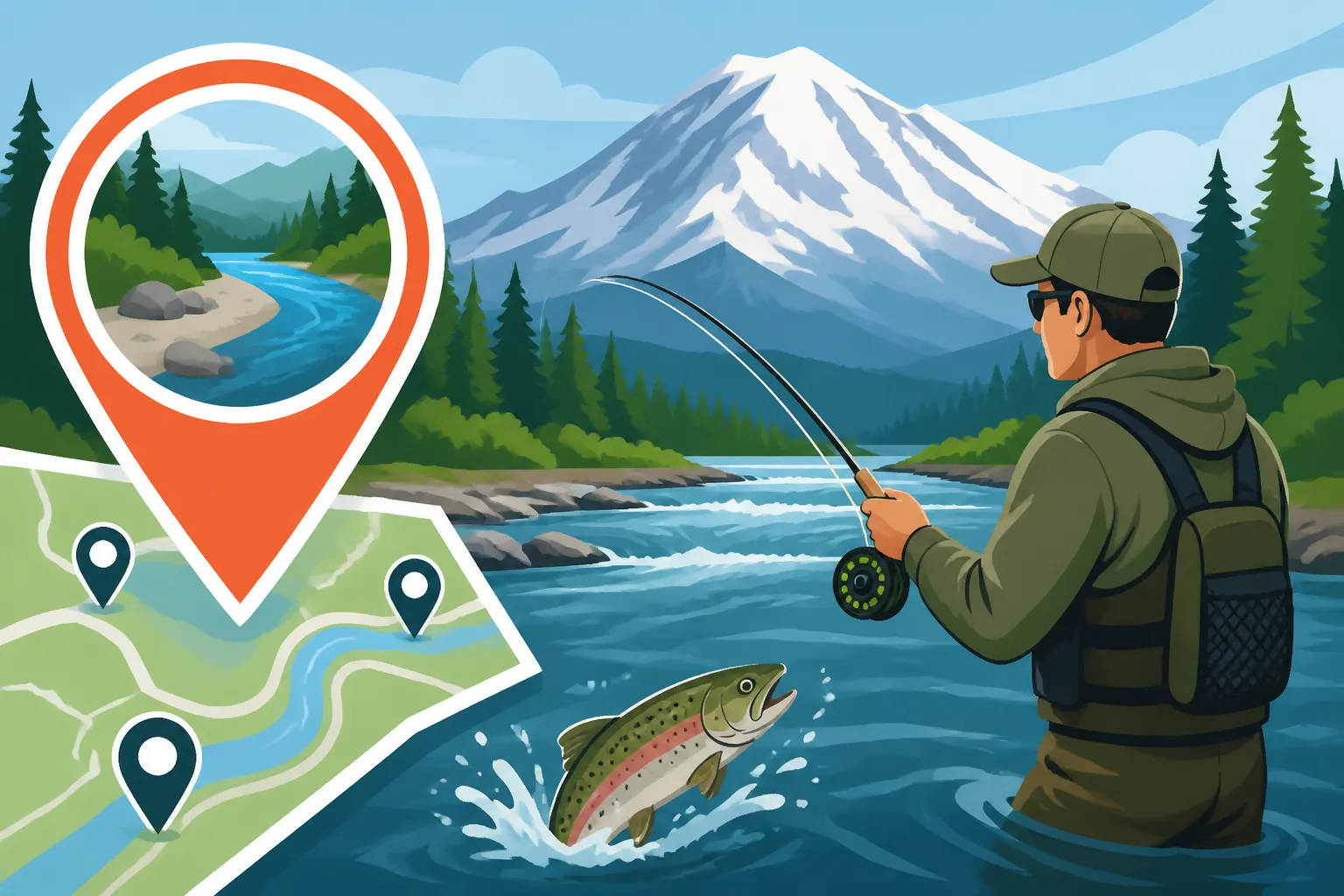
Finding that perfect spot on a river, especially one as storied and productive as the Nisqually, can feel like trying to solve a complex puzzle. You’ve heard the whispers of incredible salmon and steelhead runs, but knowing exactly where to wet a line without trespassing, battling crowds, or hitting a dead end can be incredibly frustrating. This guide is dedicated to cutting through that confusion, giving you a detailed breakdown of the best and most practical access points along the Nisqually River, ensuring your next fishing adventure is more about the catch and less about the search.
Understanding the Nisqually River's Unique Character
The Nisqually River is a gem in Western Washington, flowing from the Nisqually Glacier on Mount Rainier all the way to Puget Sound. This dynamic river system is renowned for its diverse salmon and steelhead runs, making it a highly sought-after destination for anglers. However, its path through both public lands and the Nisqually Indian Reservation means that understanding access is paramount to a successful and respectful fishing trip. The river’s character shifts dramatically from its headwaters to its tidal influence, presenting different fishing opportunities and access challenges.
Navigating Tribal Lands and Public Access
A significant portion of the lower Nisqually River flows through or borders the Nisqually Indian Reservation. It is absolutely crucial to understand and respect tribal sovereignty and land ownership. Fishing on tribal lands without explicit permission or a tribal fishing license is strictly prohibited. The Nisqually Tribe maintains its own fishing regulations and management practices, which differ from those set by the Washington Department of Fish and Wildlife (WDFW). While there are designated public access points, it’s always wise to double-check local signage and be aware of your surroundings. Missteps can lead to fines, confiscation of gear, or even loss of fishing privileges, so always err on the side of caution. For a comprehensive overview of general regulations, you'll want to review your Washington Fishing Regulations Every Angler Should Know.
Key Fish Runs and Their Impact on Access
The Nisqually River hosts impressive runs of Chinook, Coho, Chum, and Pink salmon, as well as both winter and summer steelhead. The timing of these runs heavily influences not only what you're fishing for but also where and how you can access the river. For instance, prime salmon fishing in the lower river might mean crowded banks, while chasing winter steelhead further upstream offers a more solitary experience. Understanding these seasonal migrations is key to choosing the right access point and strategy. For instance, knowing When Chinook Salmon Run in Washington's Puget Sound or When Coho Salmon Run in Washington can help you pinpoint the best times for specific sections of the Nisqually.
Prime Public Bank Fishing Access Points on the Nisqually River
Bank fishing is a popular way to experience the Nisqually, offering relatively easy access for many anglers. While the river can be challenging due to its varied terrain, several spots are well-known for their accessibility and consistent fishing opportunities. Always remember to check for emergency rule changes and current regulations before heading out, as seasons and limits can shift quickly. A quick look at the WDFW website or the annual pamphlet is always a good idea.
Nisqually Tribe Landings and Public Options
While general public access on tribal lands is restricted, the Nisqually Tribe does offer some specific, designated public access points or events that may be open to non-tribal members at certain times. It’s absolutely essential to consult the Nisqually Tribe's Fisheries Department or their official website for current information regarding these opportunities. Never assume access without clear, verified information. Respecting these boundaries ensures a positive relationship between anglers and the tribal community. Some areas around the lower river, particularly closer to the mouth, might have mixed ownership or be adjacent to tribal lands, making awareness of property lines even more critical.
Lower River Hotspots (I-5 to Billy Frank Jr. Nisqually National Wildlife Refuge)
The lower stretches of the Nisqually, particularly those accessible from roads and parks, are often the most popular due to their proximity to population centers and strong returning fish.
- I-5 Bridge Area: Just off I-5, where the freeway crosses the Nisqually River, there are often informal access points. While not always officially maintained, anglers frequently find ways to reach the banks here. Parking can be limited and requires careful attention to signage to avoid trespassing or parking violations. This area is typically good for targeting salmon, especially during the peak of the fall runs. The current here can be swift, so Bank Fishing Techniques for Washington Salmon like plunking or drift fishing with heavier weights are often effective. It’s a busy spot, so expect company, especially on weekends during a hot bite.
- Nisqually Delta/Billy Frank Jr. Nisqually National Wildlife Refuge (Limited Fishing): While the refuge itself is a spectacular natural area, fishing within the refuge boundaries is highly restricted, often limited to specific areas or completely closed to protect sensitive habitats and wildlife. However, the approach roads and areas just outside the immediate refuge boundaries can sometimes offer opportunities, especially in the tidally influenced sloughs and estuary areas. These spots might hold resident cutthroat trout or provide opportunities for salmon as they stage before entering the main river. Access here often requires walking and being very mindful of tides. Always check WDFW and refuge regulations before planning a trip here, as rules are strictly enforced. The beauty of this area makes it tempting, but respect for conservation is paramount.
- Luhr Beach: Located near the mouth of the Nisqually, Luhr Beach offers saltwater access to Nisqually Reach, rather than the river itself. However, migrating salmon often pass through this area, making it a potential spot for bank fishing, especially for coho and pink salmon during their runs. This is primarily a saltwater access point, offering boat launches for those wanting to venture into the Sound, but bank anglers can find success casting into the estuary mouth. It's also a popular spot for crabbing, so it's a multi-use area.
Mid-River Opportunities (Upstream of the Refuge)
Moving upstream from the tidewater, the river narrows, the current becomes more defined, and the habitat transitions to more traditional river fishing conditions.
- Nisqually River Park (Yelm-Tenino Trail Access): Further upstream, near Yelm, the Nisqually River Park provides a more developed access point. This park offers trails that follow the river, often providing decent bank access for fishing. Parking is available, and the trails make it easier to move along the river to find promising runs and pools. This stretch is known for both salmon and steelhead, particularly winter steelhead. Drift fishing with bait, jigs, or artificial eggs is a common and effective method here. Anglers often spend time exploring the various bends and pockets the river creates. This area is generally more family-friendly, with picnic areas and facilities.
- WDFW Access Sites (Various): WDFW maintains several access points along the Nisqually, though they might be less developed than formal parks. These often consist of gravel parking areas and a path to the river. Locating these usually requires consulting a detailed WDFW access map or local knowledge. These spots are excellent for anglers seeking a more rugged, less crowded experience. Here, you'll want to practice techniques like Drift Fishing for Steelhead in Washington Rivers or casting spinners and spoons for aggressive salmon. Conditions can vary greatly depending on water levels, so scouting the area first is a good idea. Sometimes, these spots are just a wide pull-off with a well-worn trail to the water.
Boat Launch and Drift Opportunities
For those who prefer to fish from a boat, the Nisqually offers limited but valuable launch points, primarily for drift boats, rafts, and smaller power boats. Boating the Nisqually can be exhilarating but also challenging, with varying currents, submerged hazards, and logjams, especially during high water.
Official Launches and River Drift Planning
- Luhr Beach Public Boat Launch: As mentioned, Luhr Beach is the primary public boat launch near the mouth of the Nisqually River. This launch provides access to Nisqually Reach and the lower estuary. It's suitable for various boat types, from small aluminum boats to larger Puget Sound fishing vessels. From here, you can target salmon as they congregate before entering the river, or explore the tidal flats for other species. This is generally the best option for those looking to fish the absolute lowest section of the river and the adjacent saltwater.
- Upstream Ramps (Limited): Official, well-maintained boat ramps further upstream are scarce. Most upstream "launches" are informal put-in points best suited for drift boats or rafts. These often require a 4×4 vehicle and a good understanding of local access. Anglers typically float sections of the river, pulling out at designated (or sometimes informal) take-out points. Planning a drift trip requires careful consideration of access, safety, and a shuttle plan. Many anglers looking to explore these less accessible sections of the river find that booking a guided trip is the safest and most effective option. Platforms like FishingBooker can connect you with experienced guides who specialize in Nisqually River drift trips, offering their expertise and equipment.
Considerations for Kayak and Drift Boat Anglers
Kayaks and drift boats offer incredible access to sections of the Nisqually that are otherwise unreachable. Their shallow draft allows them to navigate skinny water and avoid hazards that would stop larger boats. However, safe navigation requires experience, especially with river currents and potential strainers (fallen trees). Always wear a life jacket, file a float plan, and be aware of rapidly changing river conditions. Winter steelheading from a drift boat on the Nisqually can be an incredible experience, allowing you to cover vast amounts of water and present your offerings to undisturbed fish. When planning such an adventure, consider consulting local guides through services like FishingBooker, especially if you're new to floating rivers in Washington.
Essential Tips for Nisqually River Anglers
Beyond just knowing where to go, understanding how to approach fishing the Nisqually will significantly increase your chances of success. It's a river that rewards patience, preparation, and respect for its unique ecosystem.
Timing Your Trip for Success
The Nisqually's fishing opportunities are highly seasonal.
- Fall (Late Summer to Fall): This is prime time for salmon, particularly Chinook and Coho. The lower river and estuary will be bustling with activity. This is when you'll often see the largest numbers of fish pushing into the system. Knowing the specific run timing for each salmon species will greatly influence your success.
- Winter (Late Fall to Early Spring): This is steelhead season. Winter steelhead are prized for their fighting ability and resilience. You'll generally find these chrome beauties further upstream as they move to their spawning grounds. Fishing during this period can be cold and wet, so appropriate gear is essential. Checking current flow rates and water clarity is vital for a successful winter steelhead trip.
- Spring/Summer: While primary salmon and steelhead runs might be winding down, these months can offer opportunities for resident trout (rainbow, cutthroat) in the upper river sections, or for species like smallmouth bass in certain areas. Always check the WDFW pamphlet for specific open seasons for these species.
Gear Considerations for Nisqually Fishing
The Nisqually River demands versatile gear.
- Rods and Reels: For salmon, a medium-heavy spinning or casting rod (8.5 to 10.5 feet) with a reel spooled with 15-25 lb monofilament or braid is common. For steelhead, a lighter action rod (8.5 to 9.5 feet) paired with a reel spooled with 10-15 lb line is ideal for drift fishing. Fly anglers will often use 7 to 9 weight rods for salmon and 6 to 8 weight rods for steelhead, particularly if they are Spey Casting in Washington and Who Should Try It.
- Terminal Tackle: Bait (cured roe, sand shrimp), jigs, spinners, spoons, and various drift fishing setups (like Corkies for steelhead) are all effective depending on the species and conditions. Always check for Washington Bait Bans and When They Apply or specific hook requirements, such as Barbless Hook Requirements on Washington Rivers.
- Waders and Boots: Chest waders and felt-soled or studded wading boots are a must for bank anglers who want to safely navigate the river's slippery, uneven bottom and access prime fishing lies. The water can be extremely cold, especially during winter steelhead season.
- Safety Gear: A life jacket is non-negotiable for boat anglers and highly recommended for waders, especially in swift current or unfamiliar territory. A wading staff can also provide crucial stability.
Respecting Regulations and the Environment
Fishing on the Nisqually River, like any cherished natural resource, comes with responsibilities.
- Know the Rules: The Nisqually has specific rules for gear, seasons, and bag limits. Always consult the most current WDFW Sport Fishing Regulations pamphlet or the WDFW website before you go. Rules can change mid-season due to emergency closures, so a quick check on your phone via the Fish Washington app or WDFW website is a must before every trip. This includes understanding How Bag and Possession Limits Work in Washington and completing your The Washington Catch Record Card and What It Requires accurately for salmon and steelhead.
- Leave No Trace: Pack out everything you pack in, including discarded fishing line and bait containers. Respect private property, stay on designated access paths, and avoid disturbing wildlife.
- Responsible Fish Handling: If you're practicing catch-and-release, especially for wild steelhead or species under restriction, learn proper fish handling techniques to ensure the fish's survival. This is particularly vital for delicate species, and knowing What to Do If You Catch a Wild Steelhead by Accident is crucial.
Nisqually River Access Points & Target Species Overview
To help you visualize your next trip, here's a quick summary of key access points and what you might expect to find there.
| Access Point | Primary Fish Species | Best Fishing Method(s) | Notes |
|---|---|---|---|
| I-5 Bridge Area | Chinook, Coho, Chum Salmon | Plunking, Drift Fishing | High traffic, swift current, limited parking. Check for tribal lands. |
| Nisqually Delta (Refuge Periphery) | Resident Cutthroat, Staging Salmon | Spinners, Fly Fishing, Small Jigs | Highly restricted, check refuge rules carefully. Tidal influence. |
| Luhr Beach | Salmon (estuary), Crab | Boat Launch, Bank Casting (saltwater) | Primary boat launch for lower river/Sound. Popular for crabbing. |
| Nisqually River Park (Yelm) | Chinook, Coho, Winter Steelhead | Drift Fishing, Spoon/Spinner Casting | Good bank access, trails, family-friendly. |
| WDFW Upstream Access (Various) | Winter/Summer Steelhead, Trout | Drift Fishing, Fly Fishing, Lures | Less crowded, often require walking. Conditions vary with water level. |
Navigating the Nisqually River for fishing can be incredibly rewarding, but it demands careful planning and a deep respect for both the environment and local regulations. By utilizing these access points and following these guidelines, you'll be well on your way to a memorable Washington fishing experience.
Disclaimer
Fishing regulations, seasons, and access points can change frequently. Always consult the official Washington Department of Fish and Wildlife (WDFW) regulations pamphlet or website and any specific tribal regulations before planning your fishing trip. The information provided here is for general guidance only and should not be considered a substitute for official sources. Respect private property and tribal lands at all times.