Is Potholes Reservoir in Washington Good for Ice-Out Walleye?
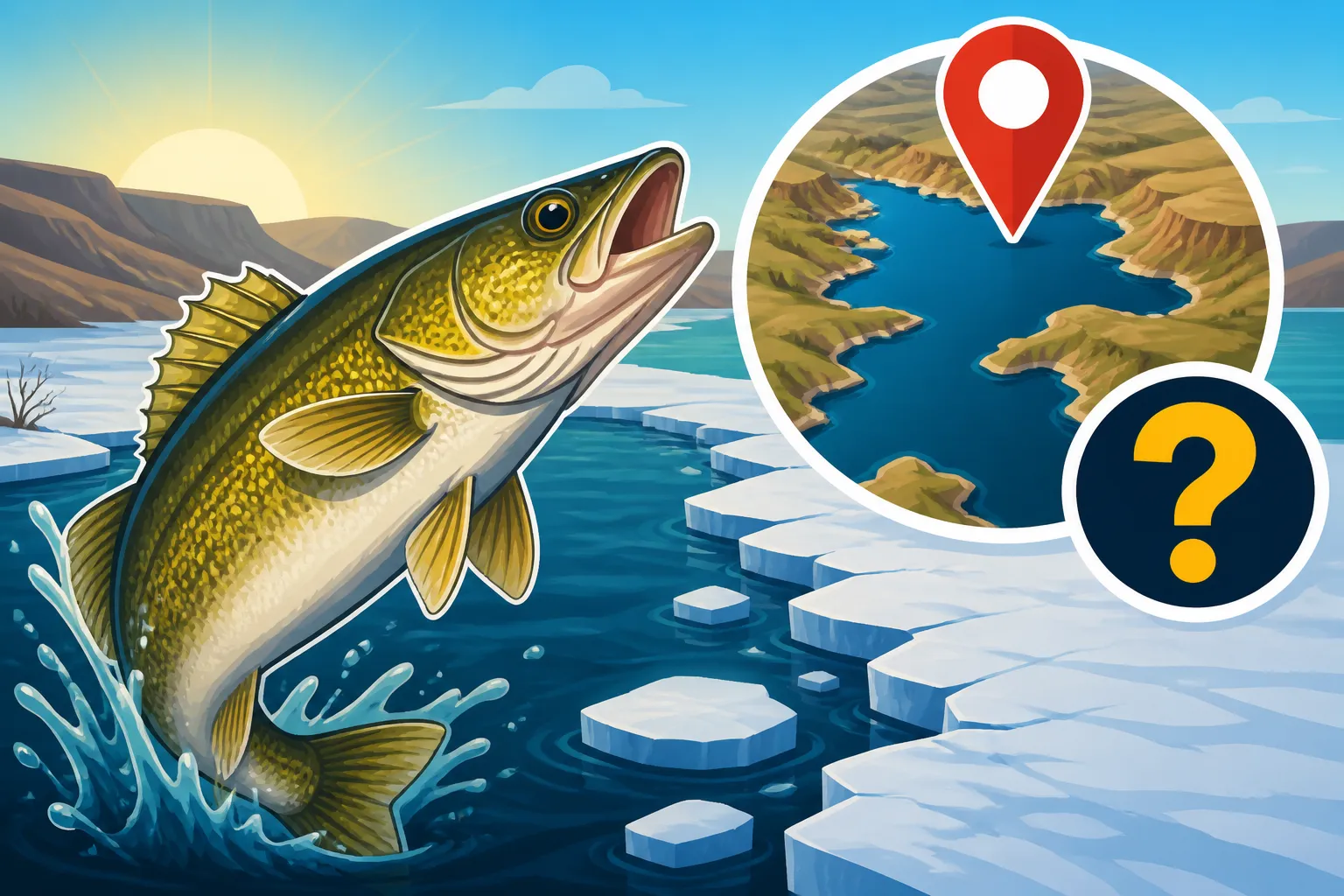
The chill finally starts to recede, the days get a little longer, and for many Washington anglers, the thoughts turn to one thing: ice-out walleye at Potholes Reservoir. If you've ever wondered if this unique central Washington fishery truly shines in those early spring days, you're not alone. This guide is all about diving deep into why Potholes is a prime destination for targeting walleye as the ice recedes, offering a comprehensive look at the tactics, gear, and local knowledge you'll need for success.
Potholes Reservoir: A Walleye Paradise and Why Ice-Out is Special
Potholes Reservoir is a truly unique fishery in Washington State, often heralded as a walleye mecca. Its distinctive landscape, shaped by ancient glacial floods, creates an ideal habitat for these elusive fish, and the period right after the ice melts off is a particularly exciting, albeit challenging, time to target them.
Understanding Potholes Reservoir's Unique Fishery
Potholes Reservoir isn't your typical lake. Its most defining feature is the "dunes area," a vast expanse of submerged sand dunes, islands, and channels that were created by the Missoula Floods. This incredible underwater topography provides an endless array of structure, ambush points, and forage opportunities that walleye absolutely thrive in. Beyond the dunes, you have the main reservoir, which connects to the Crab Creek system, adding another layer of complexity and prime habitat. The diverse bottom structure, ranging from sand and gravel to rocky points and submerged vegetation, creates a perfect ecosystem for a robust walleye population.
What makes Potholes truly stand out for walleye is the abundant forage base. There are plenty of yellow perch, kokanee, and various minnows that serve as a high-calorie diet for growing walleye. This rich food source contributes to the reservoir's reputation for producing not just good numbers of fish, but also some truly impressive trophies. Anglers consistently pull out walleye in the 5-10 pound range, with even larger specimens making appearances, making it a dream destination for those seeking that personal best. Understanding the nuances of this unique underwater world is the first step to unlocking its potential, especially when the transition from ice to open water occurs.
The Allure of Ice-Out Walleye Fishing
"Ice-out" is that magical, yet often fleeting, period when the winter's icy grip finally loosens its hold on the lake. For walleye anglers, it signals the beginning of a truly special season. After months of being under a blanket of ice, the first few weeks of open water bring a surge of activity that can lead to some incredible fishing. Walleye, which are often somewhat lethargic under the ice, become incredibly active as the water begins to warm and oxygen levels increase. They start moving from their deeper winter haunts into shallower areas, driven by an instinct to feed heavily in preparation for the upcoming spawn.
The challenge and reward of ice-out fishing lie in this transitional period. The weather can be fickle, with cold fronts and strong winds being common, but the fish are often concentrated and aggressively feeding. They're looking for easy meals, making them vulnerable to well-presented baits and lures. What might seem like an unlikely time to fish for some is actually a prime window for seasoned walleye anglers who understand how to read the changing conditions. It's a time of renewed hope and energy on the water, marking the true beginning of the open-water fishing season in central Washington.
Tactics and Techniques for Ice-Out Walleye at Potholes
Successfully targeting walleye at Potholes during the ice-out period requires a nuanced approach, understanding their post-winter behavior, and adapting your tactics to the still-cold water conditions. It's a game of patience, precision, and knowing where to look.
Locating Walleye During the Post-Thaw Period
As the ice melts, walleye undergo a significant shift in their behavior and location. Initially, they'll often be found transitioning from deeper wintering areas to shallower zones that warm up first. Think about the northern banks, shallower bays, or areas protected from cold winds that receive more direct sunlight. These spots, even if only a few degrees warmer, can hold a concentration of fish.
A key factor during ice-out is the pre-spawn movement. Walleye will begin to stage near spawning grounds, which often include rocky points, gravelly flats, or the edges of channels. At Potholes, this often means focusing on the structure within the dunes area, especially humps and points that rise significantly from the surrounding bottom, or the main lake shorelines that have rocky compositions. The mouth of Crab Creek and its main channel can also be prime locations, as walleye will often move into these areas. They might not be actively spawning yet, but they'll be in the vicinity, feeding to build energy. Using good electronics, like a side-imaging sonar, is absolutely critical for identifying these subtle depth changes and finding schools of fish that might be hugging the bottom or relating to specific pieces of structure. Don't be afraid to slowly cruise likely areas, marking fish and bait, before dropping a line.
Effective Baits and Lures for Hungry Walleye
When the water is still cold, walleye are often less willing to chase fast-moving baits. Slow, methodical presentations are usually the key to success.
- Jigs: These are perennial walleye favorites, and during ice-out, they're deadly.
- Blade baits: Lures like the Heddon Sonar or Rapala Rippin' Rap can be incredibly effective. Their vibration and flash call fish in, and they can be jigged vertically or cast and retrieved with a lift-drop cadence. The key is to let them hit the bottom, lift them just a foot or two, and let them fall again.
- Hair jigs and bucktail jigs: These offer a subtle, natural presentation that cold-water walleye often can't resist. Think black, brown, or olive colors. Tip them with a small piece of minnow or a soft plastic trailer for added scent and bulk.
- Soft plastics on jig heads: Paddle tail swimbaits, grubs, or small creature baits rigged on a lead head jig (1/4 to 3/8 ounce) are excellent choices. Again, a slow retrieve with pauses, or vertical jigging, works wonders. Colors like chartreuse, white, or natural perch patterns can be highly effective.
- Rip baits/Stick baits: Suspending jerkbaits or "rip baits" like a Rapala Husky Jerk or Smithwick Rogue can be fantastic, especially in shallower areas. Cast them out, let them sit, then give them a few sharp jerks followed by a long pause. The suspending action keeps the lure in the strike zone, irritating curious walleye into biting.
- Live Bait: While artificials are popular, sometimes nothing beats live bait. If regulations allow (always check the latest Washington Fishing Regulations Every Angler Should Know), live shiners, fatheads, or nightcrawlers fished on a slow-death rig or a simple jig head can be irresistible. This is often a game-changer when fishing is tough.
The common thread for all these choices is a slow, deliberate presentation that allows the walleye ample time to inspect and commit to the bait.
Best Fishing Methods: Trolling, Jigging, or Casting?
Each method has its place during the ice-out period at Potholes, and often, combining them or switching between them based on conditions will yield the best results.
- Trolling: This is an excellent way to cover water, especially when you're trying to locate scattered fish or follow contour lines.
- Shallow crankbaits: In the immediate post-ice period, many walleye will be in 5-15 feet of water. Trolling small, shallow-diving crankbaits (think Flicker Shads, Walleye Divers) at very slow speeds (0.8-1.5 mph) can be highly effective. Match colors to local forage or go with bright, aggressive patterns.
- Bottom bouncers with spinner rigs: As the water warms slightly, or if fish are deeper, bottom bouncers with a crawler harness or spinner rig can be deadly. Keep your speed slow, just enough to get the blades turning. This is a classic walleye technique that works throughout the season.
- Jigging: When fish are concentrated, or you're working specific structures like humps, points, or the edges of channels, jigging is often the most productive.
- Vertical jigging: Position your boat directly over marked fish or structure and drop your jig straight down. Use small lifts and drops, always maintaining contact with the bottom. This is where sensitive rods truly shine, allowing you to feel even the most subtle "thunk" of a walleye inhaling your bait.
- Casting and retrieving: If fish are spread out in shallower flats or along weed edges (later in spring), casting jigs or rip baits and slowly working them back to the boat can trigger strikes.
- Casting: For targeting specific areas like wind-blown points, shallow rocky banks, or the edges of submerged vegetation, casting is king. Use your rip baits, swimbaits, or even spinnerbaits (if the water has warmed a bit) and work them slowly. Fan casting to cover a wide area from a single spot can help you find where the active fish are holding.
No matter the method, staying flexible and paying close attention to what the fish are telling you on any given day is paramount to success.
Essential Gear and Preparation for Potholes Ice-Out Fishing
Fishing Potholes Reservoir during the ice-out demands not just the right techniques, but also the proper gear and a keen understanding of safety, especially given the unpredictable early spring weather. Being prepared makes all the difference between a productive day and a miserable one.
Rods, Reels, and Line Choices
Having the right setup for walleye fishing is crucial, particularly when bites can be subtle in cold water.
- Rods: You'll want rods that offer a good balance of sensitivity and power. For jigging and casting, a 6'6" to 7' medium-light to medium-power spinning rod with a fast action tip is ideal. This allows you to feel those faint taps and subtle "pressure" bites that walleye are famous for. If you're primarily trolling heavier bottom bouncers or larger crankbaits, a medium-heavy baitcasting rod around 7-7'6" with a moderate-fast action can absorb the shock of a strike while still providing the backbone needed to land a big fish. Graphite rods are excellent for sensitivity.
- Reels: Pair your spinning rods with a good quality 2500 or 3000 series spinning reel. For baitcasting setups, a low-profile baitcaster with a smooth drag system is perfect. The key is smooth operation and a reliable drag, as you'll often be fighting larger fish in open water.
- Line: This is perhaps the most critical component for cold-water walleye.
- Braided line: For your main line, 10-20 lb braided line is highly recommended. It has virtually no stretch, which vastly improves sensitivity, allowing you to feel even the lightest bites. The thinner diameter also helps with casting distance and cutting through current or wind.
- Fluorocarbon leader: Because braided line can be highly visible in clear water, and walleye are notoriously line-shy, always tie on a 6-10 lb fluorocarbon leader. Fluorocarbon is nearly invisible underwater and is abrasion-resistant, which is a big plus when fishing around rocky structure. A blood knot or an Alberto knot are excellent choices for connecting braid to fluorocarbon.
This combination provides the best of both worlds: superior feel with braid, and stealth with fluorocarbon.
Navigating the Reservoir and Safety Considerations
Potholes Reservoir, with its complex submerged dunes and varying depths, requires careful navigation. The early spring also brings cold water and often unpredictable weather, making safety a top priority.
- Boat Control: A reliable electric trolling motor with GPS Spot-Lock is almost a necessity for effectively fishing Potholes. It allows you to precisely hold your position over structure while jigging, or to maintain a super-slow, consistent trolling speed. Understanding how to use your boat's electronics (sonar, GPS, mapping) to navigate the dunes and identify hazards is paramount. Always be aware of your depth and surroundings.
- Submerged Hazards: The dunes area, while excellent habitat, is also riddled with submerged humps and shallow spots that can be dangerous, especially if you're unfamiliar with the area. It's easy to get turned around or run aground. Always consult up-to-date navigational charts and proceed with caution.
- Cold Water Safety: Early spring means cold water. Even if the air temperature feels mild, the water itself can be dangerously cold (often in the 40s Fahrenheit). A fall into this water can quickly lead to hypothermia.
- Wear a PFD: Always wear a Coast Guard-approved personal flotation device (PFD), especially when running the boat or if conditions are rough.
- Dress in Layers: Wear non-cotton, quick-drying layers, including a waterproof outer shell. Even on sunny days, wind and spray can quickly chill you.
- Communication: Let someone know where you're going and when you expect to return. Carry a fully charged cell phone in a waterproof bag, and consider a VHF radio if you're venturing far from shore.
- Emergency Gear: Have a throwable flotation device, a first-aid kit, and a dry bag with spare clothes, snacks, and water on board.
- Check the Forecast: Always check the marine or lake forecast before heading out. High winds can make Potholes very rough and dangerous.
Taking these precautions seriously will ensure your ice-out walleye trip is not only successful but also safe.
Licensing and Regulations Specific to Potholes
Before you even think about dropping a line in Potholes Reservoir, you absolutely need to make sure your paperwork is in order. Washington State has specific requirements that apply to all anglers, and ignoring them can lead to hefty fines.
First and foremost, you'll need a current Washington fishing license. For freshwater fishing at Potholes, a freshwater endorsement is necessary, which often comes as part of an annual package or can be purchased as a daily or multi-day option depending on your trip length. The easiest way to get one is online through the Washington Department of Fish and Wildlife (WDFW) website or at a licensed dealer like a sporting goods store. Remember that your annual license has a specific validity period, and you'll want to be sure you know When a Washington Fishing License Expires to avoid any surprises.
Beyond the license, it's critical to be intimately familiar with the specific regulations for Potholes Reservoir. The general WDFW Sport Fishing Regulations pamphlet is your bible. You can find out how Washington Fishing Regulations Every Angler Should Know are laid out in detail there. For walleye, pay close attention to:
- Daily Bag Limits: How many walleye you can legally keep in a 24-hour period.
- Possession Limits: The maximum number of fish you can have in your possession, including those at your camp or home.
- Size Limits: Walleye often have slot limits or minimum/maximum size restrictions. For example, some regulations might require you to release fish within a certain size range to protect spawning stock, while allowing you to keep smaller or larger ones.
- Gear Restrictions: Are there any specific hook requirements, bait bans, or limitations on the number of rods you can use? For instance, while a two-pole endorsement allows you to fish with two lines in many lakes, always verify it applies to your target species and water body.
Walleye are a managed species, and WDFW might implement emergency rule changes to protect fish populations or adjust harvest opportunities. It's your responsibility to know these changes. You can learn more about Emergency Rule Changes: Why Washington's Rules Shift Mid-Season and always check the WDFW website or local notices before heading out. A quick search for "How to Check for Emergency Rule Changes in Washington" will point you to the right resources. Having the correct license and understanding the rules not only keeps you legal but also contributes to the sustainable management of this incredible fishery.
Beyond Walleye: Other Opportunities at Potholes During Ice-Out
While walleye might be the primary draw for many during the ice-out at Potholes, the reservoir offers a diverse fishery. It's always a good idea to be aware of other species that might be active, either as a backup plan or simply for added variety during your trip.
Targeting Other Species
Even if you're laser-focused on walleye, it's worth knowing what else might be biting in the cold water.
- Smallmouth Bass: Potholes Reservoir has a fantastic population of smallmouth bass. During the ice-out period, they can often be found in similar areas to walleye – rocky points, humps, and transition zones where the water warms slightly. While they might not be as active as during their summer peak, a slow presentation with jigs, tubes, or small crankbaits can entice them. They offer a powerful fight on light tackle and can be a welcome bonus catch. You can often find them on the same kind of structure you would for Smallmouth Bass on Washington's Columbia and Snake Rivers.
- Largemouth Bass: Largemouth are typically a bit slower to become active than smallmouth in cold water. You'll generally find them deeper in the initial ice-out period, in areas with submerged brush, wood, or dense vegetation. As the season progresses and shallow bays warm up, they'll become more accessible. Slowly working jigs, Texas-rigged plastics, or even lipless crankbaits can tempt them.
- Crappie: Potholes is also known for its crappie fishery. These panfish will often move into shallower, protected bays and areas with submerged timber or brush piles as the water starts to warm. Small jigs, mini-crankbaits, or even live minnows under a bobber can be effective. They offer light-tackle fun and are excellent table fare.
- Rainbow Trout: WDFW regularly stocks rainbow trout in Potholes Reservoir, and these fish are often quite active in cooler water. Trolling small spoons or spinners, or even bait fishing from shore with powerbait or worms, can yield success. This can be a great option for a family outing or to switch things up if the walleye are being particularly finicky. For more general information, check out "Best Washington Lakes for Trout Fishing".
Being open to targeting different species can save a slow day and add to the overall enjoyment of your Potholes experience.
Resources and Local Knowledge
One of the biggest advantages you can give yourself when fishing a new or challenging body of water like Potholes during ice-out is tapping into local knowledge.
- Local Tackle Shops: These are invaluable resources. Stores like Mar Don Resort's tackle shop or other local bait and tackle retailers in Moses Lake or Othello often have the most up-to-date information on fishing conditions, recent catches, and what baits or techniques are currently working. The staff usually live and breathe local fishing and are happy to share insights. They can tell you which areas are producing, what depths fish are being found at, and even help you pick out the hottest lures.
- Fishing Guides: If you're new to Potholes, or specifically to ice-out walleye, consider hiring a local guide for your first trip. A good guide knows the reservoir like the back of their hand, understands the seasonal patterns, and can put you on fish quickly. They'll also teach you the specific techniques that work best there. You can explore options through platforms like FishingBooker, which lists local guides and charters. Booking a guide can save you years of trial and error and significantly increase your chances of success. Learn more about How to Book a Fishing Charter in Washington before you go.
- WDFW Website and Publications: Always keep an eye on the official WDFW website for the latest regulations and news, including any in-season rule changes. Washington Sport Fishing Seasons and Emergency Closures is a good starting point. They also publish weekly fishing reports that can give you a general idea of conditions, though these might not always be hyper-specific to ice-out walleye at Potholes.
Leveraging these resources ensures you're going into your trip as informed and prepared as possible, maximizing your chances of a memorable Potholes Reservoir ice-out experience.
Ice-Out Walleye Lure and Bait Comparison for Potholes
Here's a quick look at some popular and effective options for targeting walleye at Potholes Reservoir during the ice-out period, highlighting their strengths and ideal usage.
| Lure/Bait Type | Description | Best Use During Ice-Out | Pros | Cons |
|---|---|---|---|---|
| Blade Baits | Metal lures that vibrate strongly when jigged. | Vertical jigging over structure, casting & ripping | Strong vibration and flash, versatile, good for searching | Can snag easily in heavy cover, aggressive action needed |
| Hair Jigs | Natural hair tied on a jig head. | Slow, subtle presentation in cold water | Very natural look, subtle action, good for finicky fish | Less flash/vibration, slower retrieve, can be light for current |
| Soft Plastics | Paddle tails, grubs on jig heads. | Casting & slow retrieve, vertical jigging | Highly versatile, various colors/shapes, can add scent | Can be torn by fish, requires good jigging technique |
| Suspending Jerkbaits | Hard plastic lures that suspend at depth. | Casting along shallow contours, rip-pause retrieve | Stays in strike zone, imitates injured baitfish | Less effective deeper, slower retrieve might be too fast |
| Bottom Bouncers & Spinners | Weight system with spinner/bait harness. | Slow trolling or drifting over flats/structure | Covers water, presents bait naturally, can use live bait | Bulky, not for shallow casting, can snag on bottom |
| Live Minnows | Small live baitfish (e.g., shiners). | Fished on jig head, bottom bouncer, or slip bobber | Irresistible natural presentation, scent and action | Requires keeping alive, regulatory restrictions apply, slower |
Disclaimer
Fishing regulations, seasons, and access can change rapidly. Always consult the latest Washington Department of Fish and Wildlife (WDFW) regulations and local notices before planning any fishing trip to ensure you are compliant with all current rules. This guide is for informational purposes only and does not substitute for official WDFW publications.