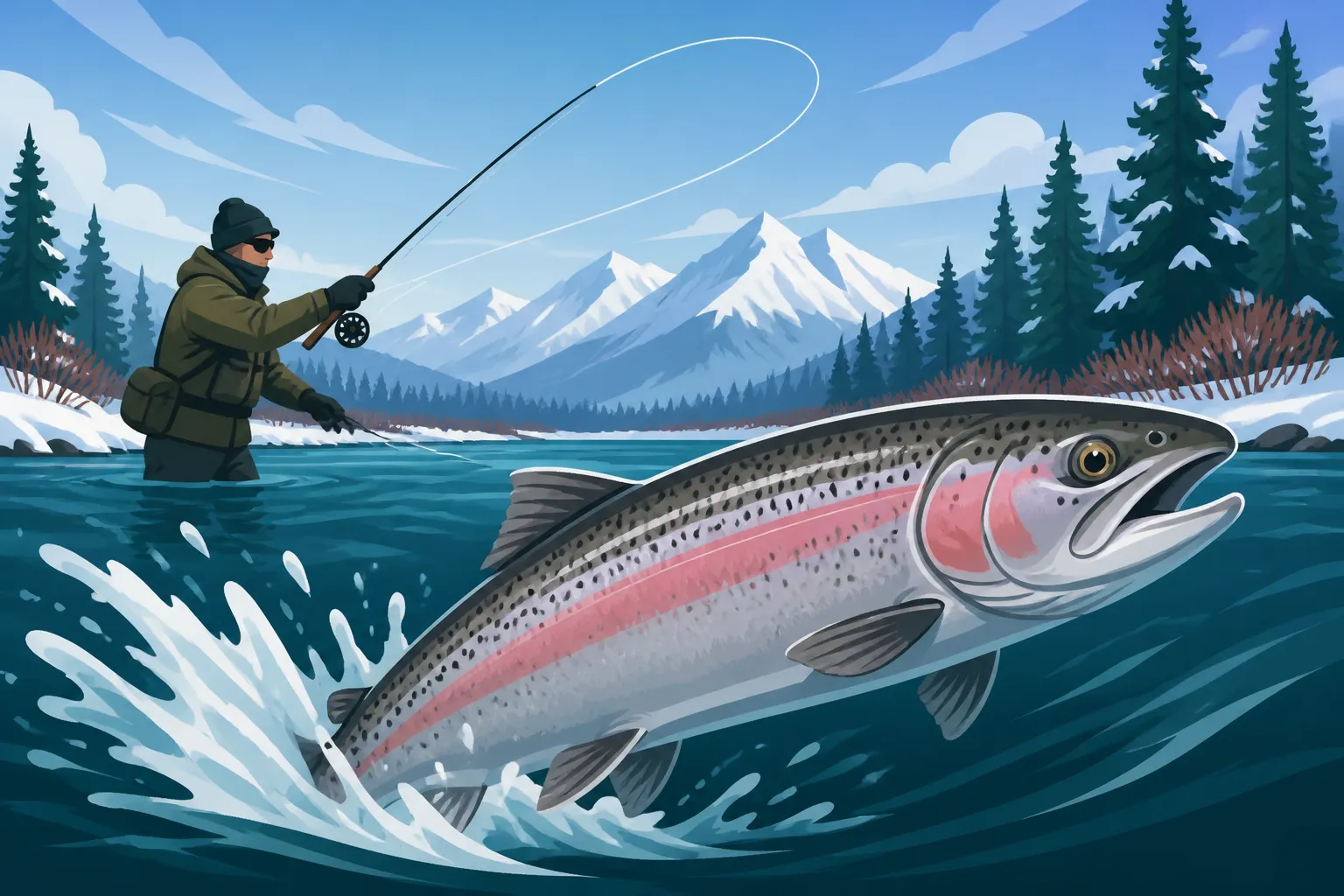
Washington’s Skagit River and Its Winter Steelhead Run
For many Washington anglers, the Skagit River's winter steelhead run is less a season and more a pilgrimage. Yet, the river's wild and often elusive nature, combined with frequently changing regulations, can make planning a trip feel like navigating a maze. This comprehensive guide will peel back the layers of complexity, offering a realistic look at what it takes to experience the legendary Skagit winter steelhead, from understanding their habits to mastering the techniques and rules that govern this iconic fishery.
The Mystique of Skagit Winter Steelhead
The Skagit River holds a truly special place in the hearts of Washington anglers, particularly when it comes to winter steelhead. This isn't just another river; it's a living legend, a challenging classroom, and a place where dreams of chrome bright, wild fish are both born and, sometimes, heartbreakingly dashed. But that inherent challenge is precisely what gives it its enduring mystique.
Why the Skagit is Legendary for Steelhead
The Skagit River is, without a doubt, one of Washington's most fabled steelhead rivers. Its reputation stems from a long, storied history of producing incredible numbers of large, wild winter steelhead. Unlike many other systems that rely heavily on hatchery supplementation, the Skagit has historically maintained a strong, naturally spawning population of these incredible anadromous rainbow trout. This means that every fish you encounter is a testament to the river's health and the resilience of its wild inhabitants. The Skagit's sheer size, its glacial-fed waters, and its diverse habitat—from vast, sweeping runs to deep, boulder-strewn pools—create an ideal environment for steelhead to thrive.
However, its legendary status also comes with a caveat: the fishing can be incredibly tough. The wild nature of these fish means they are often more wary, more sensitive to environmental changes, and less forgiving of mistakes than their hatchery-reared counterparts. Anglers who successfully land a Skagit winter steelhead often talk about it with a reverence usually reserved for once-in-a-lifetime trophies, and for good reason. It's a true test of skill, patience, and perseverance. The thrill isn't just in the catch, but in the entire pursuit, knowing you're on a river system that has produced some of the most beautiful and powerful wild steelhead in the Pacific Northwest.
Understanding the Winter Steelhead Life Cycle
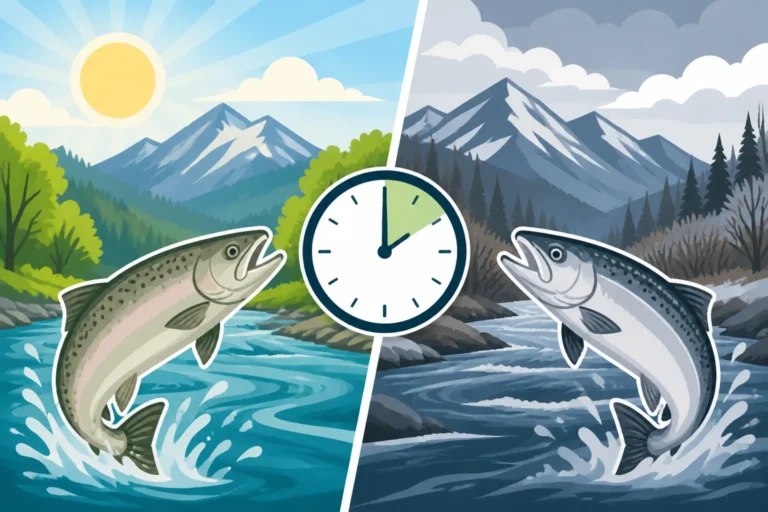
To truly appreciate the Skagit winter steelhead, it helps to understand their life cycle. These are ocean-going rainbow trout, born in the freshwater tributaries of the Skagit, migrating to the Pacific Ocean, and then returning to their natal streams to spawn. The "winter" steelhead designation refers to the time of year they enter the freshwater system. Typically, the first of these incredible fish begin to show up in the lower river around November, with the run building through December, January, and peaking in February and March. Some fish can even linger into April, depending on the year and water conditions.
Once they enter the river, their primary objective is to reach their spawning grounds, which can be many miles upstream in the various forks and tributaries of the Skagit, like the Sauk and the Cascade rivers. During this journey, they don't actively feed in the same way they would in the ocean. Instead, they are driven by instinct and rely on the energy reserves built up during their time at sea. This is why getting a steelhead to bite often involves provoking a reactionary strike rather than mimicking natural feeding. They'll hold in specific types of water, conserving energy, waiting for the right conditions to push further upstream. Understanding these behaviors – where they rest, when they move, and what might trigger a strike – is absolutely fundamental to finding success on the Skagit.
Navigating Skagit River Access and Regulations
Fishing the Skagit River, especially for winter steelhead, requires more than just good gear and technique; it demands a thorough understanding of where you can go and, perhaps more importantly, what the rules are. This river has a long history of conservation efforts, and as a result, regulations can be particularly stringent and subject to change.
Key Access Points for Anglers
The Skagit River is a long and expansive system, offering various access points for both bank anglers and those with boats. However, many popular spots have seen increased pressure over the years, and knowing where to go, and how to get there legally, is crucial.
In the lower river, areas around Mount Vernon and Burlington offer some initial access, though these sections can be heavily influenced by tides and are often where the first fish enter. As you move upstream, popular spots include the areas around Sedro-Woolley and Concrete. These sections provide a mix of bank access, often near public parks or designated fishing areas, and several boat launches. For example, the launch at Marblemount is a common put-in for many drift boat anglers, allowing access to prime stretches of river. Farther upstream, past Rockport and into the upper river, access can become more limited due to private property and more rugged terrain, but there are still opportunities for intrepid anglers, particularly if you're willing to hike. Always make sure you're on public land or have permission to access private property, and be respectful of local communities.
Navigating these access points often means dealing with varied terrain, from muddy banks to rocky shores. It's not uncommon to see vehicles parked strategically along rural roads, indicating a trail down to a promising run. However, overcrowding can be an issue at peak times, so having alternative spots in mind is always a good idea. Knowing the river well enough to find less-pressured water can make all the difference in a successful outing.
The Ever-Changing Regulatory Landscape
If there's one thing that defines fishing on the Skagit River for winter steelhead, it's the dynamic and often frustrating regulatory environment. Unlike many other fisheries that have relatively stable seasons, the Skagit is frequently subject to emergency closures and specific gear restrictions, particularly when it comes to wild steelhead. It's a constant source of anxiety for anglers who cherish this river.
The Washington Department of Fish and Wildlife (WDFW) manages these runs with an extremely conservative approach, given the precarious status of wild steelhead populations. This often translates into early season closures, specific gear requirements (like mandatory single-point barbless hooks), and sometimes, entire sections or even the whole river being closed to all steelhead retention, or even all fishing. For a detailed overview of the broader rules, you might want to read our guide on Washington Fishing Regulations Every Angler Should Know. These decisions are made based on real-time data, such as fish counts at weir facilities and run forecasts, and are designed to protect the spawning population.
This means that you absolutely must check for Emergency Rule Changes: Why Washington's Rules Shift Mid-Season and current regulations before every single trip. A section that was open last week might be closed today, or gear that was legal might now be prohibited. The WDFW website is the authoritative source, and I highly recommend using the WDFW's official resources or the Fish Washington app. Getting caught fishing a closed section, or using illegal gear, isn't just a minor infraction; it can result in significant fines and penalties, and it undermines the very conservation efforts designed to protect the fish you're trying to catch. Being informed is not just about staying legal; it's about being a responsible steward of this precious resource. For current information, always check Where to Find Current Washington Fishing Rules directly.
Essential Gear and Techniques for Skagit Steelhead
Successfully tempting a Skagit winter steelhead requires not just patience, but also the right tools and a solid understanding of the techniques that put them on the hook. These powerful, ocean-fresh fish demand robust gear and a nuanced approach.
Rods, Reels, and Lines for Winter Steelhead
When targeting winter steelhead on the Skagit, you need gear that can handle strong currents, potentially heavy sinkers, and fish that average 8-15 pounds, with some exceeding 20! Durability and sensitivity are key.
For drift fishing or float fishing, a rod in the 9' to 11' range, rated for 8-15 lb line or 10-20 lb line, is a common choice. Longer rods help with line control, mending, and absorbing the shock of a powerful run. Popular options include specialized steelhead rods from brands like Lamiglas, G. Loomis, or Fenwick, but any medium-heavy to heavy action salmon/steelhead rod will suffice. For reels, a good quality spinning reel in the 3000-4000 series or a baitcasting reel with a smooth drag system is essential. Many seasoned anglers prefer baitcasting reels for their ability to deliver precise casts and better control when drift fishing.
Main line choice often comes down to personal preference. Monofilament in 12-17 lb test is traditional, offering good knot strength and shock absorption. However, many anglers have switched to braided line (20-30 lb test) for its incredible sensitivity and strength, often pairing it with a fluorocarbon leader (10-15 lb test) for invisibility in clear water. For specific advice on line, you might consult our guide on Best Line Weight for Washington Steelhead. The leader material and length are critical for presenting your bait or lure naturally. Always carry extra leader material; the Skagit's rocky bottom is notorious for abrasions and break-offs.
Effective Fishing Techniques on the Skagit
The Skagit River's varied structure and currents lend themselves to several effective techniques for winter steelhead. The most common involve presenting bait or lures naturally to fish that are not actively feeding but can be provoked into striking.
Drift Fishing: This is perhaps the most iconic and widely used method on Washington steelhead rivers. It involves bouncing a weighted presentation along the bottom, allowing it to tumble naturally downstream with the current. Common setups include a three-way swivel or a sliding sinker rig (often called a "drift rig"), with a leader of varying length (18-36 inches) tied to bait or an artificial presentation. Baits like cured roe, shrimp, or even sand shrimp are highly effective. Artificials include brightly colored yarn, plastic worms, or beads that imitate fish eggs. The key to successful drift fishing is maintaining a delicate balance: enough weight to tick the bottom without dragging, and enough line out to allow a natural drift without excessive slack that would prevent you from feeling a strike. Our guide on Drift Fishing for Steelhead in Washington Rivers offers a deeper dive into this technique.
Float Fishing (Bobber Dogging): This technique has gained immense popularity for its visual appeal and effectiveness, especially in holding water or when fish are suspended. A large, high-visibility float (often a Drennan or Raven style) is used to suspend your bait or jig at a precise depth, drifting it through prime holding water. Small pencil weights or split shot are usually crimped above a swiveled leader, which then leads to a jig, baited hook, or plastic worm. The beauty of float fishing is that the bobber indicates even the subtlest takes, and it's less prone to snagging the bottom than traditional drift fishing. It's particularly effective in deeper runs and slower pools.
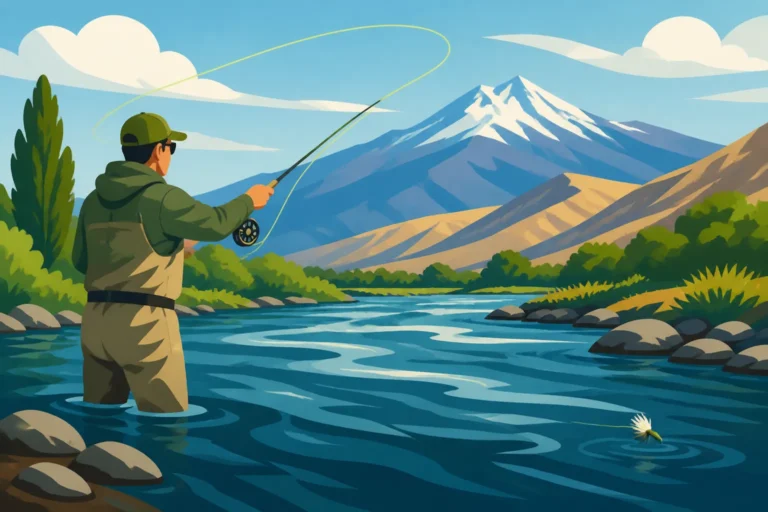
Fly Fishing: For the purist, fly fishing for Skagit winter steelhead is the ultimate challenge and reward. This generally involves using spey rods to cast heavy sink-tip lines and large, weighted intruder or streamer patterns. The technique focuses on swinging the fly through likely holding water, allowing the current to impart action to the fly. This method requires a significant investment in specialized gear and a high level of casting skill, but the feeling of a wild Skagit steelhead pulling on a swung fly is unparalleled. For more on this, check out Fly Fishing Techniques for Winter Steelhead in Washington. Regardless of the technique, always use Barbless Hook Requirements on Washington Rivers on the Skagit as it is a wild steelhead river.
When and Where to Find Skagit Winter Steelhead
Timing and location are absolutely critical when it comes to pursuing winter steelhead on the Skagit. These fish are creatures of habit but also incredibly sensitive to environmental factors, making river conditions a huge determinant of success.
Peak Season and River Conditions
While winter steelhead can enter the Skagit as early as November, the run typically builds through December, with the peak season generally running from January through March. This is when you'll find the highest concentrations of fish in the river, pushing upstream towards their spawning grounds. However, "peak season" doesn't necessarily mean "easy fishing." Winter in Washington means unpredictable weather, which directly translates to volatile river conditions.
Water Level: This is perhaps the single most important factor. The Skagit is a large river, fed by glaciers and significant rainfall. Heavy rains or sudden thaws can cause the river to rise rapidly, turning it into a fast, murky torrent. While some anglers prefer a slightly elevated, "green" water color, a "blown out" river (high and muddy) makes fishing incredibly difficult and often unproductive. Conversely, prolonged dry spells can lead to very low, clear water, making fish extremely wary and harder to approach. The ideal is often a stable, slightly elevated flow with good visibility—what anglers call "fishable" water. Understanding What Changes When a Washington River Is Blown Out can save you a wasted trip.
Water Clarity: Following directly from water level, clarity is paramount. Steelhead rely on their eyesight to some extent, and too much turbidity makes it hard for them to see your presentation. Look for at least 2-3 feet of visibility. If the river looks like chocolate milk, you're better off waiting for it to drop and clear. Our article on How Water Clarity Affects Steelhead Fishing delves deeper into this.
Water Temperature: While less of a daily variable, water temperature plays a role in fish activity. Colder water (below 40°F) can make fish more lethargic, holding tight to the bottom. As temperatures rise slightly into the low to mid-40s, fish can become more active and willing to bite. However, winter steelhead are accustomed to cold water, so extreme cold is more of an issue for angler comfort than fish activity.
Hot Spots and Holding Water
Knowing the characteristics of typical steelhead holding water is crucial. These fish are trying to conserve energy while moving upstream, so they'll seek out lies that offer a balance of current, depth, and cover.
Runs and Riffles: Steelhead will often hold in the deeper seams of medium-speed runs, especially where the current transitions from a faster riffle to a slower pool. The "tail-out" of a pool, where the water begins to speed up again before a riffle, is also a prime location. These areas provide current breaks and oxygenated water. Anglers often target these sections with drift or float fishing, covering the water meticulously.
Pools and Deep Water: Deeper pools, especially those with structure like large boulders, submerged logs, or ledges, provide excellent holding water during periods of high flows or very cold temperatures. Steelhead will tuck into these sanctuaries to rest and avoid the main current. Fly anglers often swing their flies through these deeper sections, while float fishing can effectively present baits to suspended fish. Look for "frog water" – the slower, deeper sections where the current barely moves – especially on colder days.
Confluence Zones: The junctures where tributaries like the Sauk or Cascade rivers meet the main Skagit are often prime holding areas. These confluences can provide different water temperatures, clarity, and increased oxygen, drawing fish in. They also represent critical migratory pathways for fish heading into those tributaries to spawn.
When scouting a river section, look for these features: current breaks, distinct depth changes, submerged structure, and areas where the river bottom changes from fast gravel to slower, deeper cobble or rock. Think like a fish: where would you rest while making an arduous journey upstream?
The Conservation Imperative: Fishing Responsibly on the Skagit
The Skagit River's wild winter steelhead are a precious and increasingly vulnerable resource. As anglers, we have a profound responsibility to treat these fish with the utmost respect and to adhere to practices that ensure their survival for future generations.
Wild Steelhead and Catch-and-Release Ethics
Given the fact that Skagit winter steelhead are almost exclusively wild fish, and often protected, catch-and-release fishing is the norm, if not the law. This means that every angler must be acutely aware of proper handling techniques to maximize the fish's survival rate post-release. A live release is the ultimate goal, and it's a testament to responsible angling.
Firstly, use barbless hooks. This is not just a recommendation; it's often a mandatory regulation on the Skagit. Barbless hooks minimize tissue damage and allow for quick, clean releases. Secondly, minimize fight time. While the thrill of a long battle is undeniable, it exhausts the fish, making it more vulnerable to predators and less likely to survive spawning. Use appropriately sized gear that can subdue the fish efficiently.
When you land a fish, keep it in the water as much as possible. Steelhead are not designed to breathe air, and even a short time out of the water can cause significant stress and damage to their gills. If you need a photo, do it quickly with the fish partly submerged, or support its weight horizontally in the water. Avoid touching the fish's eyes or gills, and handle it gently with wet hands only, or a rubberized net. Never drag a fish onto the bank. Finally, once released, support the fish in the current until it regains its strength and swims away on its own power. Do not simply toss it back; give it time to recover. These ethics are especially important, and our guide on Wild Steelhead Release Rules on Washington's Olympic Peninsula Rivers (which applies broadly to wild steelhead) offers more detailed steps.
Supporting Skagit River Steelhead Recovery
Beyond responsible catch-and-release practices, anglers can contribute to the long-term recovery and health of Skagit River steelhead in broader ways. Conservation is a collective effort, and every action, no matter how small, can make a difference.
One of the most impactful ways is to stay informed and advocate for strong conservation policies. This means understanding the biological challenges facing Skagit steelhead—habitat degradation, warming waters, and predation pressures—and supporting organizations dedicated to habitat restoration and sustainable fishery management. Groups like the Wild Fish Conservancy or Trout Unlimited often have initiatives focused on critical systems like the Skagit.
Another key aspect is adherence to all regulations, no matter how restrictive they may seem. The rules are put in place for a reason: to protect the spawning population. Reporting violations to WDFW enforcement officers is also part of being a responsible angler, helping to deter illegal activities that directly harm fish stocks. Furthermore, consider volunteering for river cleanup efforts or participating in citizen science programs that monitor water quality or fish populations. Every piece of trash removed, every invasive species reported, contributes to a healthier ecosystem. The future of Skagit winter steelhead depends on a collaborative approach that blends passion for the sport with a deep commitment to environmental stewardship.
Planning Your Skagit Steelhead Adventure
A successful Skagit winter steelhead trip isn't just about showing up with a rod; it's about meticulous planning, adapting to conditions, and often, leveraging local expertise. This river can be unforgiving, but with the right preparation, it can also deliver an unforgettable experience.
Hiring a Local Guide
For many anglers, especially those new to the Skagit or winter steelhead fishing in general, hiring a local guide is an invaluable investment. The Skagit is a complex system with constantly changing water conditions and highly sensitive fish. A skilled, experienced guide brings an immense amount of knowledge to the table that would take years to acquire on your own.
Firstly, guides know the river like the back of their hand. They know which runs are fishing well, which access points are open, and where the fish are likely to be holding based on current water levels and clarity. They spend countless days on the water, observing patterns and fine-tuning their approach. Secondly, guides are constantly up-to-date on the latest regulations and emergency closures, which, as we discussed, are frequent on the Skagit. They'll ensure you're fishing legally and responsibly. Finally, they provide all the necessary, high-quality gear, often custom-tuned for Skagit conditions. This includes specialized rods, reels, and terminal tackle that can be costly to acquire for a beginner.
While booking a guide might seem like an added expense, it significantly increases your chances of success and, more importantly, provides a safe and educational experience. It’s also a great way to learn new techniques and gain insight into the subtle nuances of steelhead fishing. You can often find reputable guides through online platforms like FishingBooker, which lists many experienced local operators specializing in the Skagit. Many guides on FishingBooker offer various trip lengths and options, making it easier to find one that fits your schedule and budget. Consider checking out Booking a Guide for the Skagit River in Washington for more specific advice.
What to Expect and How to Prepare
Beyond the fishing itself, a winter steelhead trip on the Skagit demands careful preparation for the elements and an understanding of the overall experience. This isn't a fair-weather fishery; it's often cold, wet, and challenging.
Weather and Clothing: Expect anything from freezing rain and snow to brisk, clear days. Layering is absolutely essential. Start with moisture-wicking base layers, add insulating fleece or down, and top it off with a waterproof and windproof outer shell. A good pair of waterproof waders (neoprene for warmth) and sturdy wading boots with good traction are non-negotiable. Don't forget warm, waterproof gloves, a warm hat, and plenty of extra dry clothes for after the trip. Our guide on Rain Gear You Need for Winter Steelheading provides an excellent checklist.
Food and Hydration: Cold weather saps energy quickly. Pack plenty of high-energy snacks like granola bars, nuts, and sandwiches. Hot coffee or tea in a thermos can be a lifesaver. Staying hydrated is important even in cold weather.
Safety: The Skagit is a powerful river. Always fish with a buddy if possible. Wear a wading belt with your waders to prevent them from filling with water in case of a fall. If fishing from a boat, ensure all safety gear (life jackets, first aid kit) is readily accessible. Cell service can be spotty in some remote areas, so have a plan for emergencies.
Mindset: Winter steelhead fishing on the Skagit is often more about the pursuit and the natural beauty of the surroundings than it is about guaranteed limits. Be prepared for slow periods, for challenging conditions, and for the distinct possibility of not hooking a fish. Embrace the journey, the cold crisp air, the majestic eagles soaring overhead, and the sheer privilege of being on one of Washington's most iconic rivers. When that tug finally comes, it will be all the more rewarding.
| Skagit River Section | Typical Access | Primary Techniques | Key Considerations |
|---|---|---|---|
| Lower River (Mount Vernon/Burlington) | Bank, Small Boat | Drift, Float, Spoon/Spinner | Tidal influence, first fish enter, often murky |
| Mid River (Sedro-Woolley/Concrete) | Bank, Boat Launches | Drift, Float, Fly (some) | Good mix of runs/pools, consistent holding water |
| Upper River (Marblemount/Rockport) | Bank, Drift Boat | Drift, Float, Fly | Closer to spawning grounds, often clearer, can be crowded at launches |
| Tributaries (Sauk/Cascade Rivers) | Bank, Drift Boat | Fly, Drift | Sensitive spawning areas, strict rules, often wild-only |
Disclaimer
Fishing regulations, seasons, and access can change rapidly in Washington State. Always consult the official Washington Department of Fish and Wildlife (WDFW) website or their current sport fishing regulations pamphlet before planning any fishing trip.