Distance From Port Angeles to Neah Bay
For many Washington anglers, the pull of Neah Bay is undeniable, yet the thought of the long drive from population centers like Port Angeles can feel daunting. The journey to this remote northwestern tip of the Olympic Peninsula isn't just about covering miles; it's about navigating winding roads, understanding tribal land access, and preparing for a truly wild fishing experience. This guide will walk you through the specifics of the distance, travel time, and crucial planning steps to ensure your fishing expedition from Port Angeles to Neah Bay is as smooth and successful as possible.
Understanding the Journey: Distance and Drive from Port Angeles to Neah Bay
Heading out to Neah Bay from Port Angeles is more than just a quick hop down the road; it's an intentional journey into a truly wild and stunning part of Washington State. While it might not seem like a vast distance on a map, the nature of the roads and the remoteness of the destination mean you need to plan accordingly.
The Direct Route: Miles and Estimated Driving Time
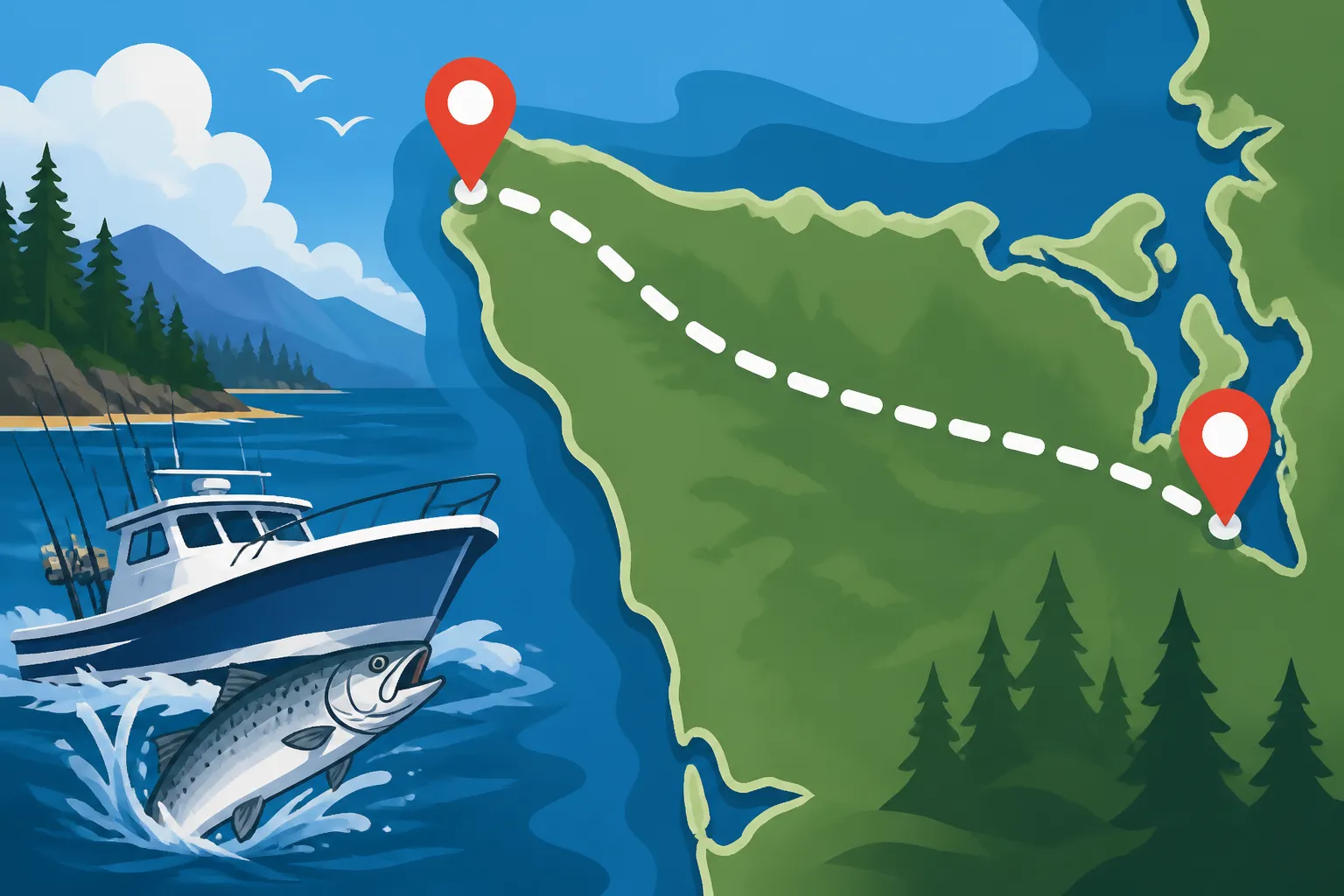
When you punch Neah Bay into your GPS from Port Angeles, you'll see a route that typically takes you west along Highway 112, a scenic byway that hugs the northern coastline of the Olympic Peninsula. The direct driving distance is approximately 70-75 miles, depending on your exact starting point in Port Angeles and your destination within Neah Bay.
Now, here's where expectations need to be managed: that 70-75 miles is not a fast highway cruise. Due to the winding nature of Highway 112 and subsequent roads, the estimated driving time usually falls between 1 hour and 45 minutes to 2 hours and 15 minutes. This isn't your typical interstate travel where you can maintain high speeds. You'll encounter sharp turns, elevation changes, and sometimes slower traffic, especially if you're behind RVs or logging trucks. It's truly a "scenic drive" in every sense of the word, so plan to enjoy the views rather than rushing.
For anglers keen on getting out on the water early, this means a very early start from Port Angeles. If your charter departs at 6:00 AM from Neah Bay, you'll want to be on the road from Port Angeles by 3:30 AM or 4:00 AM at the absolute latest, factoring in time for coffee, last-minute checks, and a bit of a buffer. Rushing this drive in the pre-dawn hours is not advisable due to the road conditions and wildlife activity.
Navigating the Olympic Peninsula's Roads
Highway 112, also known as the Strait of Juan de Fuca Scenic Byway, is the primary artery for this trip. It's a two-lane highway for almost its entire length, offering breathtaking views of the Strait and, on clear days, Vancouver Island. While well-maintained, it’s prone to inclement weather during the colder months, which can bring anything from heavy rain to ice and snow at higher elevations. Always check road conditions before you head out, especially in winter.
After passing through small communities like Clallam Bay and Sekiu, you'll eventually turn onto Bayview Avenue or a similar local road that leads directly into the village of Neah Bay. This final stretch is often even more winding and slower-paced as you get closer to the Makah Reservation boundary and the heart of the fishing community. Keep an eye out for local signage and adhere to speed limits, which are often reduced through residential areas and the tribal lands.
Special Considerations: Makah Reservation and Fuel Stops
A critical aspect of traveling to Neah Bay is that it lies within the Makah Indian Reservation. This means visitors must purchase a Makah Recreation Permit to access tribal lands, including the boat launch, beaches, and even many of the roads within the reservation. This permit is separate from your state fishing license and is non-negotiable for visitors. We’ll delve more into securing this permit shortly, but it’s vital to understand its necessity for any activities beyond simply driving through the reservation (which isn't really an option to Neah Bay anyway).
Regarding fuel, while there are gas stations in Port Angeles, Clallam Bay, and a few options in Neah Bay itself, it's always wise to fill up your tank before leaving Port Angeles. Fuel prices can be higher in more remote areas, and options become scarcer the further west you go. Running out of gas on the remote stretches of Highway 112 is a frustrating and easily avoidable situation. Additionally, cell service can be spotty to non-existent on certain parts of the drive, so don't rely solely on your phone for navigation or roadside assistance if you have an issue. A printed map or downloaded offline maps can be a lifesaver.
Why Anglers Make the Trek: Neah Bay's World-Class Fishing
Despite the significant drive, anglers flock to Neah Bay year after year, and for good reason. This remote outpost is the gateway to some of the most productive and exciting saltwater fishing in Washington State, offering unparalleled opportunities for trophy salmon, giant halibut, and a variety of bottomfish.
Unparalleled Salmon Fishing: Kings and Silvers
Neah Bay, located at the mouth of the Strait of Juan de Fuca and the edge of the Pacific Ocean, is a prime migration corridor for salmon. Anglers here consistently target Chinook (King) salmon and Coho (Silver) salmon, often in sizes that would make other regions blush. Marine Area 4, which surrounds Neah Bay, is known for its robust salmon runs.
During the peak seasons, typically summer for Chinook and late summer into fall for Coho, the waters outside Neah Bay become a hive of activity. Anglers will troll with downriggers, using bait like herring or artificial lures such as spoons and hootchies, hoping to intercept these powerful ocean-bright fish as they stage before entering the Strait or head further south down the coast. The opportunity to catch a 20-pound or even 30-pound Chinook is a strong motivator for making the long drive. Understanding When Chinook Salmon Run in Washington's Puget Sound is key, as the Neah Bay fishery often kicks off before or overlaps with other areas. Similarly, being aware of When Coho Salmon Run in Washington helps plan for the fast-paced action these acrobatic fish provide.
Hunting the Giants: Halibut and Lingcod
Beyond salmon, Neah Bay is perhaps most famous for its incredible Pacific Halibut and Lingcod fishing. The deep, nutrient-rich waters of the Pacific, just a short boat ride from the harbor, are prime habitat for these large, hard-fighting bottom dwellers. Halibut fishing is strictly regulated with specific season dates and quota limits, often resulting in only a handful of fishing days each year, making the demand for these trips incredibly high. Anglers typically drop heavy jigs or bait rigs (like whole herring or octopus) to the ocean floor, sometimes hundreds of feet down, to entice these massive flatfish. If you're looking for an unforgettable fight and some of the best eating fish in the ocean, Neah Bay delivers. You can learn more about Halibut Fishing Techniques for the Washington Coast to prepare for this thrilling pursuit.
Lingcod, with their prehistoric appearance and aggressive strikes, are another major draw. They often inhabit rocky reefs and structure, providing a different type of challenge. Jigging with large swimbaits or metal jigs over these areas can yield impressive results, with fish commonly reaching 20-30 pounds, and occasionally much larger. Neah Bay’s deep-water structure also supports a variety of other rockfish species, though many are protected or have strict catch limits, requiring anglers to be familiar with Washington Fishing Regulations Every Angler Should Know before dropping a line.
Exploring Marine Area 4: A World-Class Fishery
Neah Bay is situated in Washington's Marine Area 4, also known as the "Neah Bay" marine area. This zone encompasses the waters from Tatoosh Island and Cape Flattery east to the Sekiu River, and out into the Pacific Ocean. Its unique geographical position means it benefits from both the Strait of Juan de Fuca and direct access to the open Pacific, creating diverse habitats and attracting a wide array of species.
Anglers launching from Neah Bay have immediate access to prime fishing grounds. The offshore banks, ledges, and rocky pinnacles create ideal conditions for bottomfish, while the migratory paths of salmon are just outside the harbor. This proximity to productive fishing sets Neah Bay apart from many other launch points further inside Puget Sound or the Strait. It's often considered one of the most consistent and productive fishing areas in the state for sheer volume and size of fish, making the drive and effort entirely worthwhile for many dedicated anglers.
Planning Your Expedition: Permits, Charters, and Logistics
A successful fishing trip to Neah Bay requires more than just knowing how to fish; it demands meticulous planning. From understanding local regulations to booking accommodations, every detail contributes to a smooth and enjoyable experience in this remote yet rewarding destination.
Obtaining Your Makah Recreation Permit
As mentioned, Neah Bay is on the Makah Indian Reservation, and a Makah Recreation Permit is required for all non-tribal visitors to engage in recreational activities, including fishing, camping, hiking, and accessing the boat launch. This permit helps support the local infrastructure and services on the reservation. You can usually purchase these permits at various locations within Neah Bay, such as the Makah Tribal Center, Washburn's General Store, and certain tackle shops. Some online options might also be available through the Makah Tribe's official website, which is worth checking before your trip for the most current information and purchase methods.
It’s crucial to have this permit displayed correctly on your vehicle, typically on the dashboard, to avoid any issues with tribal law enforcement. Don't forget, this permit is in addition to your standard Washington fishing license, which you'll need for fishing in state waters (though waters within the reservation may have separate tribal fishing regulations if you are not on a licensed charter). Make sure you understand Washington Fishing License Guide for Nonresidents if you're visiting from out of state, or what's required for residents.
Booking Your Neah Bay Fishing Charter
For many anglers, especially those without their own offshore-capable boat, booking a charter is the best way to experience Neah Bay's fishing. Neah Bay is home to a fleet of experienced charter captains who specialize in targeting salmon, halibut, and lingcod in the challenging offshore waters. Given the remoteness and specific fishing conditions, a local guide provides invaluable expertise, specialized gear, and a safer experience.
Charters typically operate on a full-day basis, departing very early in the morning. Due to the limited halibut season days and the popularity of salmon fishing, Neah Bay charters book up incredibly fast. It's not uncommon for prime dates to be reserved months in advance, sometimes even a year out for specific halibut openers. Websites like FishingBooker are excellent resources for finding and comparing available charters, reading reviews, and checking pricing. When contacting a charter, inquire about What's Included in a Washington Puget Sound Salmon Charter (though it will be an ocean charter in Neah Bay, many items are similar), what fish they target, and their cancellation policy, especially regarding weather. It’s important to understand How Far in Advance to Book a Washington Charter to secure your spot.
Accommodations and Local Services in Neah Bay
Neah Bay is a small, remote community, and accommodation options are limited compared to larger towns. You'll find a few small motels, cabins, and campgrounds. Many anglers opt for basic lodging or bring RVs and camp. The Makah Marina offers RV hookups and tent sites, which are popular choices. During peak fishing season, these fill up quickly, so booking well in advance is essential.
Local services include general stores like Washburn's, which stocks basic groceries, fishing tackle, and fuel. There are also a couple of small restaurants and cafes offering straightforward meals. Remember, this isn't a bustling metropolis; services are practical and cater to the fishing and tribal community. Plan to be self-sufficient for much of your trip, bringing snacks, drinks, and any specialized gear you might need. Don’t expect extensive nightlife or luxury amenities; the draw here is the untamed beauty and the incredible fishing.
Maximizing Your Remote Fishing Adventure
Once you’ve tackled the logistics and made the trek, you’ll want to ensure you get the most out of your time on the water. Remote fishing destinations like Neah Bay demand a little extra thought and preparation to ensure a safe, comfortable, and productive trip.
Packing Smart: Gear and Essentials
When heading to Neah Bay, think "prepared for anything." The weather on the outer coast can change dramatically and quickly. Even on a sunny summer day, ocean conditions can be cool, windy, and damp. Essential packing items include:
- Layered Clothing: Waterproof and windproof outer layers are a must. Fleece and wool layers underneath will keep you warm.
- Warm Hat and Gloves: Crucial for cold mornings and offshore breezes.
- Waterproof Boots: Deck boots or sturdy rubber boots will keep your feet dry on a charter boat.
- Food and Drink: Pack plenty of water, snacks, and lunch, as charter boats may not provide them.
- Seasickness Medication: If you're prone to motion sickness, take preventative medication before you depart. The open ocean swells can be significant.
- Sun Protection: Sunscreen, sunglasses, and a wide-brimmed hat, even on cloudy days.
- Cooler with Ice: For transporting your fresh catch home. While charters often clean and fillet fish, you'll need a way to keep it cold. You can ask Do Charters Clean and Package Your Fish? when booking.
While charters typically provide all the necessary fishing gear, bringing your own favorite rod and reel for an additional setup (if allowed by the guide) can sometimes add to the experience. For those with their own boats, ensure all your safety gear is up to snuff – flares, life jackets, VHF radio, and a reliable GPS are non-negotiable for offshore fishing.
Safety First: Understanding Ocean Conditions
Neah Bay offers incredible fishing, but it also means dealing with the open Pacific Ocean, which demands respect. Conditions can be rough, with significant swells and chop, even on days that seem calm closer to shore. Always check the marine weather forecast for Marine Area 4 before heading out, especially if you're in your own boat. Pay close attention to swell height, wind speed, and wave period.
If you're on a charter, trust your captain's judgment. They are experts in navigating these waters safely. If conditions are deemed unsafe, charters may cancel or postpone trips for your safety. While frustrating, it's always the right call. For private boaters, never push beyond your boat's capabilities or your own comfort level. This is not the place to learn about big water. Ensure your boat is well-maintained, and you have sufficient fuel and safety equipment for offshore excursions.
Extending Your Trip: Other Nearby Fishing Opportunities
While Neah Bay is a destination in itself, its location on the Olympic Peninsula means you're not far from other fantastic fishing spots. On your drive back towards Port Angeles, you could consider stopping at the Sekiu area for calmer Strait fishing, or even venture further east into some of the rivers that feed into Puget Sound for different angling experiences.
For example, if you still have an itch to fish after your Neah Bay trip, you could explore river systems known for their steelhead or salmon runs further inland. Or, you might combine your ocean adventure with some trout fishing in one of the many beautiful lakes on the Olympic Peninsula. Even the drive itself, with its stunning views of the Strait of Juan de Fuca and the Olympic Mountains, offers opportunities for wildlife viewing and photography. Making your Neah Bay trip part of a larger Washington Fishing Seasons: A Month-by-Month Guide adventure can create truly unforgettable memories.
Disclaimer
Please note that fishing regulations, license requirements, and tribal access rules can change frequently. Always consult the latest Washington Department of Fish and Wildlife (WDFW) regulations and the Makah Tribe's official resources before planning and undertaking any fishing trip to Neah Bay or other locations within Washington State. This guide is for informational purposes only and should not be considered a substitute for official sources.