Bush Point’s Location on Whidbey Island
Ah, the sheer joy (and occasional headache) of trying to figure out exactly where that legendary fishing spot is, isn't it? You hear whispers of "Bush Point" and visions of chrome-bright salmon dance in your head, but then you pull out a map and realize Washington's waterways are vast and often confusing. It can be frustrating to know a name but not the precise coordinates of where the magic happens. This guide is here to clear up that mystery, giving you a detailed breakdown of Bush Point's location on Whidbey Island and why it's such a significant spot for anglers pursuing the Puget Sound's most prized catches.
Understanding Bush Point's Geographical Significance
When you hear locals talk about "Bush Point," they're not just referring to any old stretch of coastline. This particular area holds a unique geographical position that makes it a true hotspot for migrating salmon and other desirable fish species. Its location isn't just a point on a map; it's a critical confluence of currents, depths, and structures that create an irresistible pathway and feeding ground for fish moving through Puget Sound.
Pinpointing Bush Point on Whidbey Island
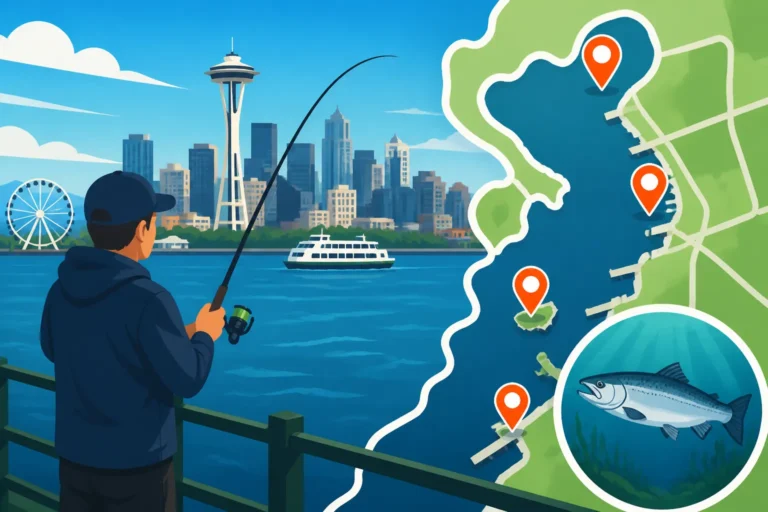
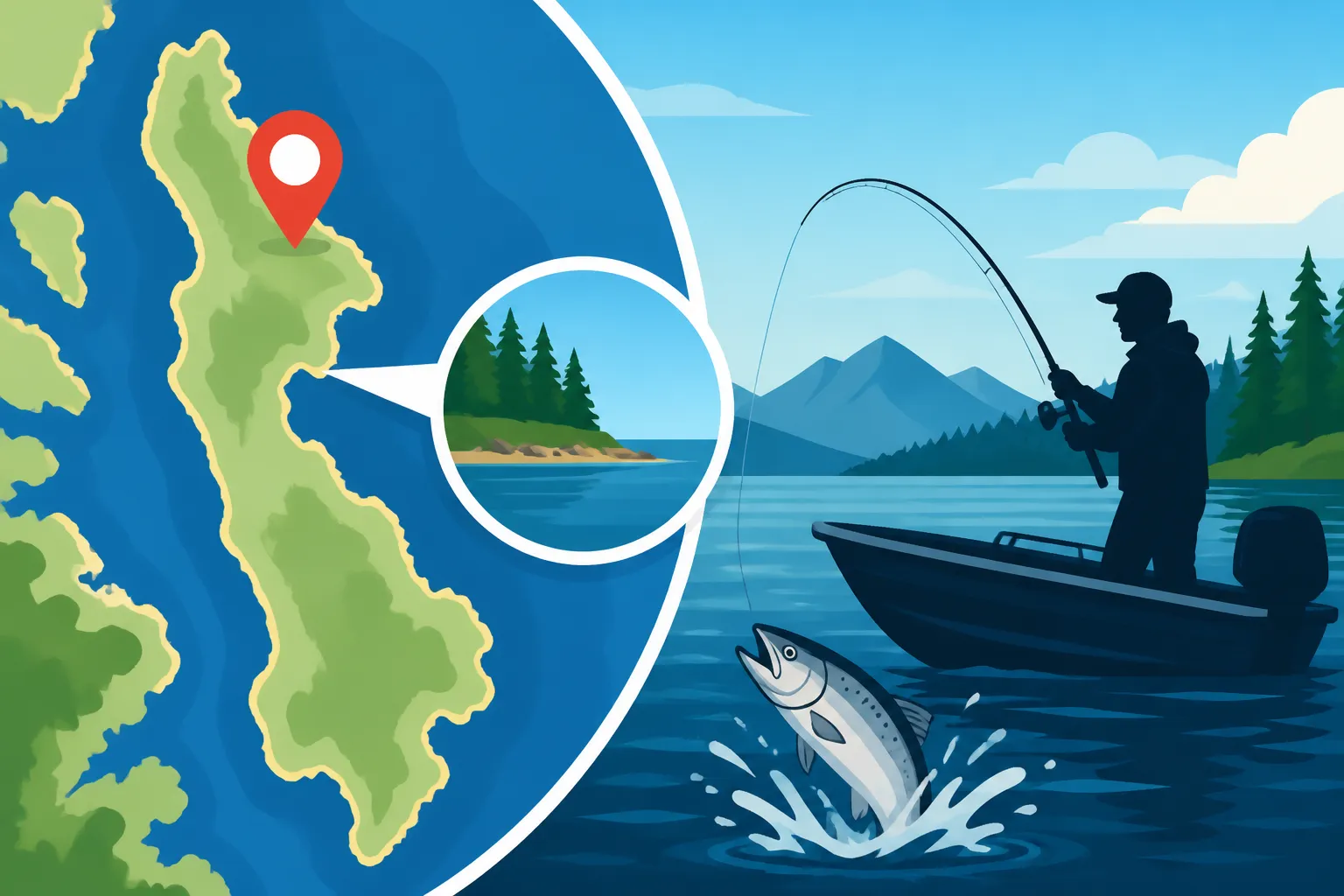
Bush Point is nestled on the southwestern tip of Whidbey Island, proudly guarding the entrance to Admiralty Inlet. If you're looking at a chart, it's roughly across from the northern end of Marrowstone Island and the eastern shore of the Olympic Peninsula. Imagine a giant funnel: Admiralty Inlet is that crucial choke point where the vast waters of the Pacific Ocean, after entering through the Strait of Juan de Fuca, narrow significantly as they push into the main basin of Puget Sound. Bush Point is right on the edge of that funnel, making it a natural bottleneck for marine life.
Specifically, Bush Point falls squarely within Marine Area 6 for Salmon Fishing, Explained. However, depending on the precise lines drawn by Washington Department of Fish and Wildlife (WDFW), its immediate proximity to the entrance of Puget Sound means it can sometimes be influenced by regulations pertaining to Marine Area 9 for Salmon Fishing, Explained, which starts just a stone's throw to the east. This distinction is crucial for anglers, as regulations can vary between these areas, sometimes even daily due to emergency rule changes.
The underwater topography here is fascinating. The currents are incredibly strong, especially during tidal exchanges, constantly scouring and shaping the seafloor. You'll find a mix of rocky reefs, sandy bottoms, and abrupt drop-offs that create a complex habitat. This turbulent environment oxygenates the water, brings in nutrients, and disorients baitfish, making it an ideal ambush point for predatory salmon. It’s not just a flat, featureless bottom; it's a dynamic, ever-changing underwater landscape that fish instinctively navigate and exploit.
For landlubbers, Bush Point is situated a short drive southwest of Keystone, a small community famous for its ferry terminal to Port Townsend. The charming town of Coupeville is also within easy reach to the northeast, offering services and amenities. These nearby landmarks help orient you, but remember, the magic of Bush Point is truly out on the water.
Why Location Matters for Fishing Success
The strategic location of Bush Point at the mouth of Admiralty Inlet is the secret to its consistent fishing success. Think of it like a highway interchange for fish. Salmon, especially migratory species like Chinook and Coho, use these major corridors as they return to their natal rivers to spawn. As these fish navigate from the ocean into the protected waters of Puget Sound, they must pass through Admiralty Inlet, and by extension, past Bush Point.
The powerful tidal flows that surge through this narrow inlet are a double-edged sword for fish. While they provide a constant supply of food, they also require considerable energy to swim against. This means fish will often seek out eddies, current breaks, and deeper pockets of calmer water to rest and feed. Bush Point offers exactly these types of features. The varied underwater structure creates current seams and upwellings that concentrate baitfish – herring, candlefish, and squid – providing an abundant buffet for hungry salmon.
Experienced anglers understand that understanding these currents and where they create feeding zones is paramount. Fishing during optimal tide swings can mean the difference between an empty cooler and a limit of prized salmon. The ebb and flow of the tide essentially dictates when and where the fish will be actively feeding, or simply holding, making Bush Point a textbook example of how critical geographical features are to fishing strategy. This is why knowing the specific currents and understanding Washington Fishing Seasons: A Month-by-Month Guide can dramatically improve your chances.
Accessing Bush Point for Your Fishing Adventure
Getting to Bush Point, whether by boat or with plans for shore fishing, requires a bit of planning, especially if you're coming from the mainland. While it's a fantastic spot, it's not always the easiest to reach, which often helps keep the crowds a little thinner than more accessible areas.
Driving Directions and Ferry Considerations
For many anglers traveling from the Seattle-Tacoma metropolitan area, reaching Whidbey Island typically involves a ferry ride. The most common route is the Washington State Ferries service from Mukilteo to Clinton. This is often the quickest way to get onto the island, but be forewarned: ferry waits, especially on weekends, holidays, or during peak summer months, can be legendary. Always check the ferry schedule and anticipated wait times on the WSDOT website before you leave. It's not uncommon for waits to stretch for hours, so arrive early or consider an alternative route if time is critical.
Once you land in Clinton on Whidbey Island, you'll follow Highway 525 north, which eventually merges into Highway 20. You’ll wind your way past charming small towns and rural landscapes. To reach Bush Point itself, you'll typically turn southwest off Highway 20 onto local roads, such as Bush Point Road or Smugglers Cove Road, which will lead you directly to the point. Pay close attention to signage, as some roads may be private.
Alternatively, if you're driving up from the south or east and want to avoid the ferry entirely, you can drive around to the north end of Whidbey Island via Deception Pass. This scenic route, though longer, completely bypasses ferry waits. You would take I-5 North to Burlington, then Highway 20 West across the stunning Deception Pass bridge and down the length of Whidbey Island. While beautiful, this can add significant driving time, so weigh your options based on your starting point and urgency.
Parking at Bush Point, especially for shore access, can be limited. There are some public access points, but much of the surrounding land is private. Be respectful of private property signs and avoid blocking driveways or gates. Always confirm public access points before venturing out, and plan to arrive early to secure a spot if you're fishing from shore, particularly on busy days.
Launching Your Boat or Fishing from Shore
For those with their own boats, launching near Bush Point provides the ultimate flexibility to explore the area. The closest major boat launch is at Keystone, just a few minutes' drive northeast. This launch offers good access to Admiralty Inlet. Other options further afield might include the Coupeville boat launch or even those in Oak Harbor or Cornet Bay, depending on your preferred starting point and the size of your vessel.
Launching and navigating in the vicinity of Bush Point demands respect for the powerful currents. These waters are not for the faint of heart or inexperienced boaters. The ebb and flow of the tide can create standing waves, rips, and strong cross-currents that can challenge even seasoned captains. Always check marine forecasts and tide tables before heading out. Safety should be your absolute top priority; ensure all required safety gear is onboard, and everyone wears life jackets. A good VHF radio is also essential, as cell service can be spotty in some areas.
If you’re a bank angler, fishing from shore at Bush Point is indeed possible, though it requires specific knowledge and caution. There are limited public access spots along the point where you can cast from the beach or rocky outcrops. However, it's critical to understand the tides. The water can rise and fall rapidly, potentially stranding you or submerging your gear if you're not paying attention. Fishing from shore often means adapting your techniques; long casts are often necessary, and heavy weights are required to hold bottom in the strong currents. While you won't have the same mobility as a boat, dedicated shore anglers can still find success here, particularly for salmon migrating close to the bank. Just remember to pack light, wear appropriate footwear for slippery rocks, and always prioritize safety.
For those without a boat or perhaps looking for an expert’s touch, numerous fishing charters operate out of nearby ports like Keystone, Oak Harbor, and even Port Townsend. These charters specialize in navigating these complex waters and putting you on the fish. A great way to find reputable local guides who fish this area is through platforms like FishingBooker. They list experienced captains who know the specific nuances of Bush Point's currents and hot spots, ensuring you have the best possible chance at a successful outing.
What Makes Bush Point a Premier Fishing Destination
Bush Point isn't just a place; it's a phenomenon for anglers in Washington. Its reputation is built on the consistent opportunity to intercept some of the most sought-after game fish in the region. There's a reason so many boats congregate here when the fishing is hot, and it all comes back to the predictable movements of specific species.
Target Species and Prime Seasons
The undisputed "king" of Bush Point is the Chinook salmon, also affectionately known as King salmon or Blackmouth Chinook when they are resident in Puget Sound before their spawning run. These powerful fish are the main draw, known for their size and fierce fights. Anglers specifically target them during their summer and late fall migratory periods. You can learn more about Chinook Salmon: Washington's King of Fish to understand their habits and characteristics.
Another highly anticipated species is the Coho salmon, or Silver salmon. These acrobatic fighters typically make their appearance in late summer and early fall, offering thrilling action on lighter tackle. Bush Point is a fantastic spot to intercept these fish as they stage before heading into the various river systems of Puget Sound. For more on these, check out Coho Salmon Fishing in Washington. In odd-numbered years, you might also encounter good runs of Pink salmon (humpies) passing through, adding another exciting option to the mix.
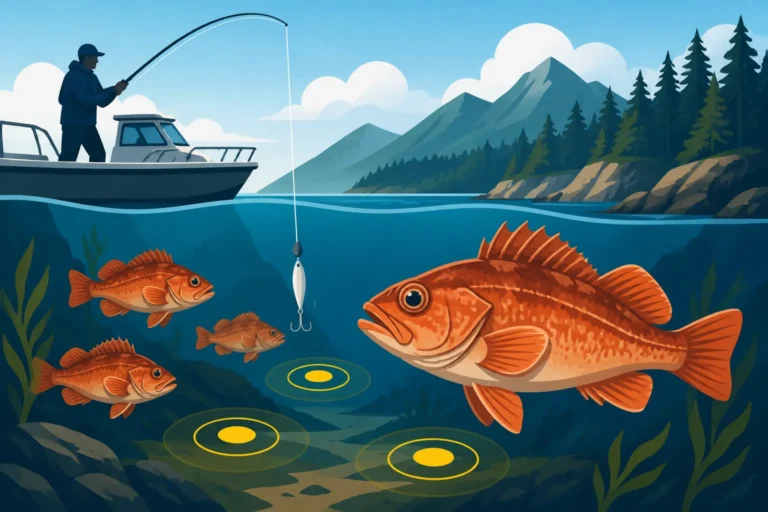
While salmon are the primary focus, Bush Point's diverse underwater structure also supports a variety of bottomfish. Lingcod, with their impressive size and aggressive bites, can be found here seasonally, particularly around the rocky reefs and ledges. Various species of rockfish also inhabit these waters, though anglers must be extremely mindful of specific regulations for Rockfish Species Along the Washington Coast, as many are protected and require careful handling and descending devices if caught. It’s vital to be aware of the exact Washington Fishing Regulations Every Angler Should Know for both salmon and bottomfish before you drop a line.
| Target Species | Prime Seasons at Bush Point | Notes |
|---|---|---|
| Chinook Salmon | Summer (June-August), Late Fall (Sept-Oct) | King salmon, strong fighters, often deep |
| Coho Salmon | Late Summer (August-September) | Agile, acrobatic, often found higher in water column |
| Pink Salmon | Odd Years (late July-Sept) | Smaller, plentiful in odd years, good for beginners |
| Lingcod | Spring (March-June) | Aggressive bottom dwellers, strict seasons |
| Rockfish | Year-round (specific species) | Various species, often protected, check rules carefully |
Effective Fishing Techniques and Gear for Bush Point
Given the strong currents and the migratory nature of the fish at Bush Point, specific techniques tend to be far more effective than others.
Trolling is arguably the most popular and productive method for salmon here. Boats will often troll with downriggers to get their gear to the precise depths where salmon are holding. Popular lures include baitfish imitations like spoons (e.g., Coho Killers, Silver Horde), hootchies (squid skirts) behind flashers, or plug-cut herring or anchovies. The key is to match the hatch and present your lure at the correct depth and speed. This is where experience truly pays off, and understanding Trolling for Salmon in Washington's Puget Sound is crucial. The strong currents mean you might need heavier cannonball weights on your downriggers to maintain depth.
Mooching is another traditional and highly effective technique, especially for Chinook. This involves slowly drifting with the current, presenting bait (usually cut-plug herring or anchovies) on a special mooching rig with two hooks. The bait is allowed to sink and then slowly reeled up, mimicking an injured baitfish. The natural drift and movement of the boat combined with the enticing flutter of the bait can be incredibly effective when fish are concentrated.
Jigging can also be productive, particularly when salmon are schooled up or holding in deeper holes. Heavy jigs (e.g., Crippled Herring, P-Line Laser Minnows) are dropped to the bottom and then jigged aggressively to attract a bite. This method can also be effective for lingcod and other bottomfish when they are in season.
For gear, you’ll want sturdy rods and reels capable of handling powerful fish in strong currents. A medium-heavy to heavy action rod (8.5-10.5 feet for trolling/mooching) paired with a robust level-wind or star-drag reel spooled with 20-30lb monofilament or braided line is a good starting point. Don't skimp on leader material; 25-40lb fluorocarbon is often preferred for its invisibility and abrasion resistance. Heavy sinkers or downrigger weights are essential to get your gear into the strike zone.
Regardless of the technique, paying close attention to the tides is paramount. The strength and direction of the current at Bush Point will dictate everything from your trolling speed to how your bait presents. Often, the hour or two around the peak of the tide change, either high or low, can be particularly productive as the currents slacken slightly, allowing fish to feed more easily. Many anglers choose to hire a local guide, especially if they are new to the area. A guide, often found on platforms like FishingBooker, can provide invaluable insight into current conditions, hot spots, and specific rigging techniques that are working on any given day.
Navigating Regulations and Responsible Fishing at Bush Point
Fishing at Bush Point, like anywhere in Washington, comes with a set of rules and responsibilities. These regulations are in place to ensure sustainable fisheries for future generations, and adhering to them is not just about avoiding fines – it’s about being a good steward of our natural resources.
Understanding Local Fishing Rules and Endorsements
The first and most critical step before any fishing trip to Bush Point is to consult the most current WDFW regulations. These rules can be complex and are prone to change, sometimes on very short notice due to Emergency Rule Changes: Why Washington's Rules Shift Mid-Season. Always check the WDFW website or the Fish Washington app for the very latest information, especially concerning Marine Area 6 and 9.
Key regulations to be aware of include:
- Season Dates: Salmon seasons vary by species and marine area. What's open for Chinook might be closed for Coho, or vice-versa.
- Daily Bag Limits: There are strict limits on how many fish of each species you can keep per day. These also vary by species and area. Be sure you understand How Bag and Possession Limits Work in Washington.
- Size Restrictions: Minimum and sometimes maximum size limits apply to certain fish. For instance, specific minimum lengths for Chinook are common.
- Gear Restrictions: Are you allowed to use bait? Barbless hooks are frequently required for salmon and steelhead in many areas, including parts of Puget Sound. Make sure you know if Barbless Hook Requirements on Washington Rivers or marine areas apply.
- Catch Record Card: If you're targeting salmon or steelhead, you absolutely need The Washington Catch Record Card and What It Requires. It’s mandatory to record your catch immediately upon retention, even if you’re fishing with a guide. Failure to do so can result in significant penalties.
It’s not enough to just know the general rules; you need to know the specific rules for Marine Area 6 (and potentially 9) for the exact dates you plan to fish. These specific nuances are what can trip up even experienced anglers, so a quick check of the WDFW website right before you head out is always a smart move.
Safety and Conservation Practices
Beyond just following the rules, responsible fishing at Bush Point also encompasses a strong commitment to safety and conservation.
Boat Safety: For those on the water, the strong currents and unpredictable weather of Admiralty Inlet demand utmost respect. Always monitor marine weather forecasts and be prepared for rapidly changing conditions. Life jackets are not just a recommendation; they are often legally required, and always a good idea. Ensure your boat is properly maintained, and you have all necessary safety equipment onboard, including flares, a first-aid kit, and a functional VHF radio. Let someone know your float plan – where you’re going and when you expect to return.
Shore Fishing Safety: If you're fishing from the bank, be aware of your surroundings. Rocky areas can be slippery, especially at low tide, so wear appropriate footwear. Pay close attention to the incoming tide, as it can cut off access to certain spots or quickly engulf your gear. Never turn your back on the water, and always be mindful of private property lines.
Conservation:
- Catch-and-Release: For fish that are either out of season, undersized, or simply not intended for retention, practice proper catch-and-release techniques. Minimize handling, use barbless hooks, and release the fish quickly and gently. This is especially vital for wild steelhead, which are often protected and must be released.
- Respect Limits: Never exceed your legal daily bag limit or possession limit. These limits are carefully set by WDFW biologists to protect fish populations.
- No Waste: It is illegal to waste fish that you have legally caught. If you keep it, you must use it.
- Leave No Trace: Pack out everything you pack in. Leave the fishing spot cleaner than you found it, picking up any discarded line, bait containers, or trash.
By understanding Bush Point's unique location, how to access it, what fish to target, and how to fish ethically and safely within regulations, you're set for a truly rewarding Washington fishing adventure. Good luck out there, and may your lines be tight!
Disclaimer
Fishing regulations, seasons, and access can change rapidly. Always consult the official Washington Department of Fish and Wildlife (WDFW) website or the current sport fishing pamphlet for the most up-to-date and accurate information before planning any fishing trip. This guide is for informational purposes only and should not be considered a substitute for official WDFW regulations.