What to Pack for a Washington Fishing Road Trip
There’s nothing quite like the open road, the anticipation building with every mile as you head toward Washington’s incredible fishing grounds. But that excitement can quickly turn into frustration if you arrive only to realize you’ve forgotten a crucial piece of gear, a necessary document, or even just a warm layer. This guide is all about setting you up for success, ensuring your Washington fishing road trip is smooth, comfortable, and most importantly, productive, by detailing everything you need to pack.
Essential Documents and Digital Preparedness
Before you even think about loading a single fishing rod, your absolute first priority for any Washington fishing adventure is to ensure all your paperwork is in order. Skipping this step can quickly turn a fantastic trip into a costly one, and nobody wants that kind of memory.
Licenses and Endorsements
Imagine driving all the way to a pristine river on the Olympic Peninsula or a bustling Puget Sound access point, only to discover you don't have the right permit. It’s a gut-wrenching feeling. Washington has a variety of fishing licenses – freshwater, saltwater, combination, and even short-term options depending on your length of stay. If you're coming from out of state, it’s critical to understand the nuances of a Washington Fishing License Guide for Nonresidents compared to what residents need. The rules for a Resident vs Nonresident Fishing Licenses in Washington can be quite different in terms of cost and eligibility.
Beyond the basic license, many specific fisheries require endorsements. Planning to chase fall Chinook on the mighty Columbia? You’ll likely need a Columbia River Salmon and Steelhead Endorsement. Want to maximize your chances on a lake for trout? The Two-Pole Endorsement allows you to fish with two rods, a real game-changer if you’re trying different depths or baits. Always double-check the Washington Department of Fish and Wildlife (WDFW) regulations for the specific area and species you'll be targeting.
Once purchased, ensure you have your license readily available. While many of us live with our phones attached to our hips, always having a physical printout of your license, especially in remote areas where cell service is spotty, is a smart move. That said, the MyWDFW app now allows you to display your license digitally, so knowing Can You Show Your License on Your Phone in Washington? offers modern convenience, but always have a backup plan.
Catch Record Cards and Reporting Tools
Catch Record Cards (CRCs) are another non-negotiable item, particularly if you’re targeting salmon, steelhead, or halibut. These cards are vital for WDFW to monitor harvest rates and manage fish populations effectively. Failure to possess one when required, or to properly fill it out, can lead to fines. Understanding The Washington Catch Record Card and What It Requires is crucial before you even wet a line.
It’s not just about having the card, it’s about using it correctly. You need to record your catch immediately after retention, marking down species, date, and location. This isn't just a suggestion; it's a legal requirement. Knowing When a Catch Record Card Is Required in Washington will save you headaches. For those who prefer digital convenience, WDFW also offers the Fish Washington App, which provides an Electronic Catch Record Cards and the Fish Washington App option. While handy, always make sure your device is charged and functional, and again, consider a paper backup if you're venturing far off the beaten path.
Navigation and Communication
Venturing into Washington’s vast and varied landscapes means you’ll often find yourself far from reliable cell service. Relying solely on your phone for navigation is a recipe for getting lost, especially if you're trying to find a hidden river access point or a remote lake. Download offline maps to your phone or dedicated GPS device before you leave home. Apps like Google Maps, Gaia GPS, or even a good old-fashioned paper map paired with a compass can be lifesavers.
For true backcountry adventures, consider a satellite communication device like a Garmin inReach or a Zoleo. These devices allow you to send messages and, more importantly, an SOS signal even when completely out of cell range. A NOAA weather radio can also be invaluable for receiving critical weather alerts, which can change rapidly in the mountains or on the coast. These tools aren't just for convenience; they're for safety, ensuring you can call for help or get vital information in an emergency.
Fishing Gear: Rods, Reels, and Tackle Box Essentials
Now for the fun stuff – the gear! Washington offers an incredible diversity of fishing opportunities, from small mountain streams to vast ocean expanses. Packing smart means bringing versatile gear that can handle different conditions and target species.
Rods and Reels for Diverse Waters
You wouldn't use a delicate trout rod to battle a Puget Sound King salmon, nor would you want a heavy saltwater setup for delicate fly fishing on the Yakima River. The key here is versatility, but also specificity where needed. For river fishing, especially for salmon and steelhead, a medium-heavy spinning or casting rod in the 9-10 foot range is often ideal for drift fishing or float fishing. If you're heading to the high lakes for trout, a lighter 6-7 foot spinning rod will be perfect.
Saltwater fishing, whether you're trolling for salmon in Puget Sound or bottom fishing off Westport, will require more robust gear. A stout 7-8 foot rod with a strong conventional or heavy-duty spinning reel loaded with braid is typically the go-to. Don’t forget sturdy rod cases and reel covers to protect your valuable equipment during transport on bumpy roads or crowded ferry decks. It's an investment that pays off by preventing costly damage.
Tackle Box Must-Haves
Your tackle box is your arsenal, and it needs to be well-stocked and organized for the variety of fishing you'll encounter. For salmon and steelhead, essentials include a range of lures like spinners (e.g., Blue Fox, Mepps), spoons (e.g., Koho, Buzz Bomb), and various colored twitching jigs. Don’t forget soft plastics and scent, especially if you're back-bouncing or drift fishing. Be mindful of Washington Bait Bans and When They Apply, as some rivers or seasons restrict the use of bait. Always check the current regulations for your specific destination.
Terminal tackle is equally important. A variety of hooks (single, treble, octopus) in different sizes, along with an assortment of weights (pencil lead, slinkers, cannonballs), swivels, and leader lines (fluorocarbon is a favorite for its low visibility) are crucial. Remember that many Washington rivers, like the Skykomish, have Are Barbless Hooks Required on the Skykomish? rules, so make sure you have a good supply of these. Beyond the tackle, pack essential tools: needle-nose pliers for hook removal, sturdy scissors or line clippers, and a multi-tool can save the day when you need to make quick repairs or adjustments.
Specialty Gear for Washington's Unique Fisheries
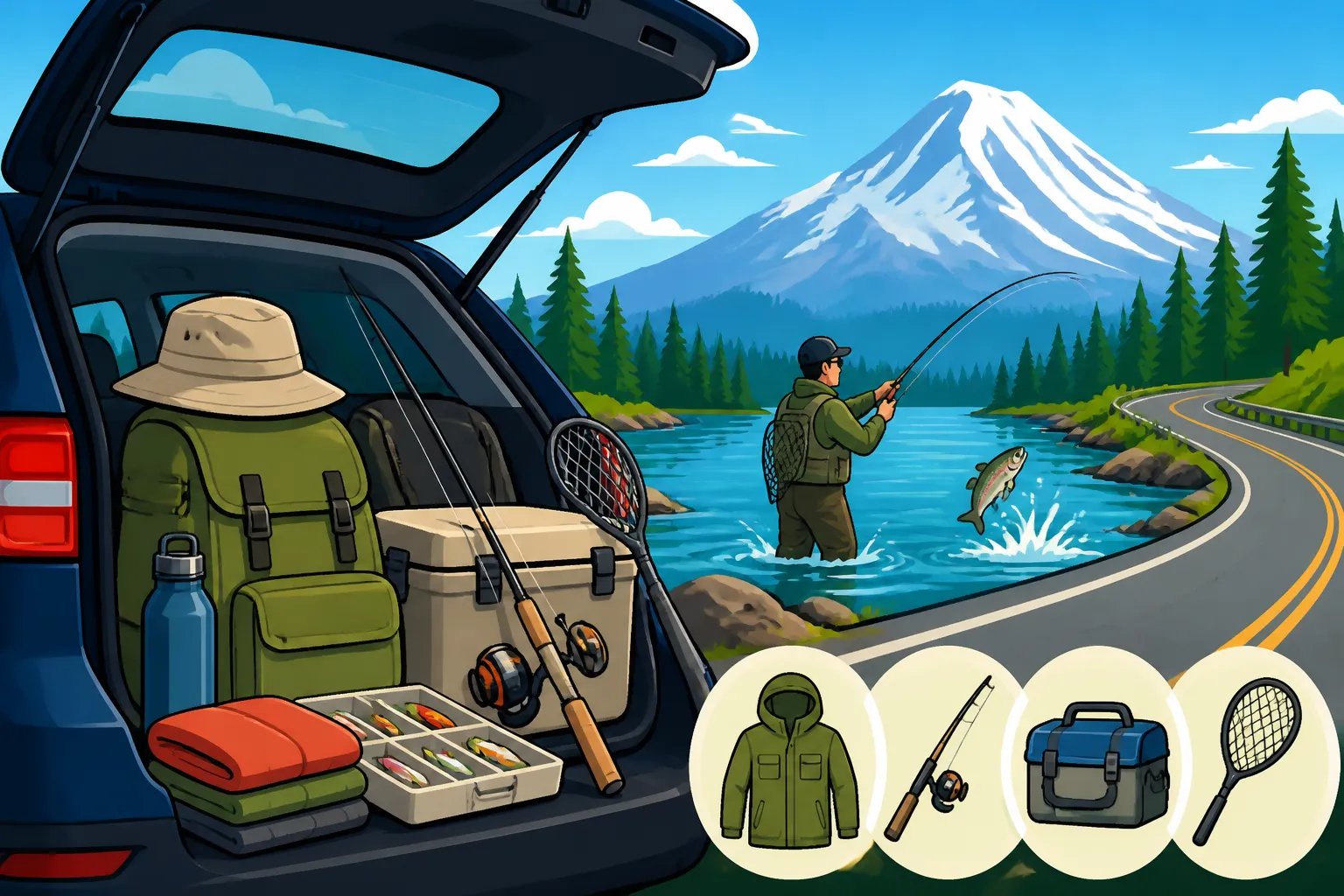
Washington's diverse fisheries often call for specialized gear to truly maximize your success and comfort. If you plan on any river wading, a good pair of waders and wading boots is indispensable. Breathable waders are great for warmer weather or if you’ll be doing a lot of walking, while neoprene offers superior warmth for those chilly winter steelhead mornings. Make sure your boots have good grip, as riverbeds can be slick.
A quality net is also a must-have. A rubberized, knotless net is gentler on fish if you plan on catch-and-release, minimizing scale and slime removal. For those venturing onto larger lakes or Puget Sound, a fish finder or depth sounder can be a game-changer, helping you locate schools of fish or ideal bottom structure. And if you're serious about salmon trolling in the Sound, a downrigger setup is standard equipment, allowing you to present your lures at precise depths. Understanding Are Downriggers Legal in Puget Sound? is also important for local regulations.
Clothing, Comfort, and Safety on the Road
Washington's weather is famously unpredictable. You can experience all four seasons in a single day, especially if you're moving between coastal areas, mountainous regions, and the drier eastern side of the state. Packing smart layers is the key to comfort and safety.
Layering for Washington's Unpredictable Weather
The golden rule for dressing in Washington is layering. Start with a good base layer made of merino wool or synthetic fabric that wicks moisture away from your skin. Avoid cotton for base layers, as it loses its insulating properties when wet and takes ages to dry. Next, add a mid-layer for insulation, like a fleece jacket or a puffy vest.
Your outer layer should be a waterproof and windproof shell. This is perhaps the most critical piece of clothing you'll pack. Whether it's a sudden squall on the Columbia River or a persistent drizzle on the Olympic Peninsula, staying dry is paramount to staying warm and comfortable. Investing in quality Rain Gear You Need for Winter Steelheading can make or break your trip. Don't forget a warm hat and a pair of waterproof gloves – cold hands can quickly cut short an otherwise great fishing day.
Footwear and Hand Protection
Just like your clothing, your footwear needs to be ready for anything. Waterproof hiking boots are essential for accessing riverbanks or hiking to remote lakes. Consider bringing a pair of comfortable, easy-to-slip-on camp shoes or sandals for when you're relaxing around the campfire or driving. If you'll be wading, specialized wading boots are necessary, but even if you're not, a spare pair of waterproof boots is a good idea.
Your hands are your primary tools for fishing, so protecting them is key. Pack a couple of pairs of fishing gloves. Fingerless gloves can offer sun protection and improved grip in mild weather, while neoprene or fleece-lined waterproof gloves are crucial for colder conditions, especially if you'll be handling wet lines or fish. A spare pair is always a good idea, as wet gloves quickly become uncomfortable.
First Aid, Sun Protection, and Personal Essentials
A comprehensive first aid kit is non-negotiable for any road trip, especially one involving fishing in potentially remote areas. Stock it with bandages, antiseptic wipes, pain relievers, blister treatment, allergy medication, and any personal prescriptions. If you're heading out on saltwater charters, motion sickness medication like Dramamine or Bonine can be a lifesaver. FishingBooker, for instance, often reminds its users about such preparations when booking coastal charters.
Even on overcast days in Washington, UV rays can be intense, especially when reflecting off water. Pack plenty of high-SPF sunscreen, polarized sunglasses to reduce glare and protect your eyes (they also help you spot fish!), and a wide-brimmed hat. Bug spray is another must-have, particularly if you’re fishing still waters or in forested areas during warmer months. A reliable headlamp or flashlight with extra batteries is invaluable for early mornings, late evenings, or emergency situations. Don't forget to pack plenty of snacks, water, and hydration solutions. Staying fueled and hydrated keeps your energy up and your focus sharp for those long hours on the water.
Camp and Vehicle Preparedness for Anglers
Your vehicle isn't just transport; it’s your mobile basecamp. Thoughtful planning for your camp setup and vehicle essentials can elevate your entire fishing road trip experience.
Cooking and Food Storage
There’s nothing quite like fresh-caught fish cooked over a campfire, or even just a hot meal after a long day on the water. A good quality cooler (or two!) is paramount for food storage and, more importantly, for keeping your catch fresh. Brands like Yeti or RTIC are popular for their excellent insulation, crucial for multi-day trips. Pack plenty of ice or dry ice.
Bring a reliable camp stove and fuel, along with basic cooking utensils, plates, and cups. Don't forget biodegradable soap and a sponge for cleanup. Plan out your meals with a mix of non-perishable items and fresh ingredients. A good coffee setup, whether it's a French press or pour-over kit, is often considered essential by early-morning anglers.
Shelter and Sleep Systems
Depending on your preference, your shelter could be a tent, a rooftop tent, or a comfortable setup in the back of your vehicle. Ensure your sleeping bag is rated for the lowest temperatures you might encounter, and a good sleeping pad makes a huge difference in comfort and insulation from the cold ground.
If you're car camping, a dedicated sleeping platform or a comfortable air mattress can turn your vehicle into a cozy retreat. Camp chairs and a small folding table provide a comfortable space to relax, tie knots, or enjoy a meal after a day of casting.
Vehicle Essentials and Emergency Kit
Your vehicle is your lifeline, so proper preparation is non-negotiable. A fully inflated spare tire, a tire repair kit, and a portable jump starter pack are fundamental. A basic toolkit with wrenches, screwdrivers, and a headlamp should always be on hand. If you plan on venturing onto forest service roads or less maintained paths, consider bringing recovery gear like a tow strap, shackles, and a small shovel.
Always start your day with a full tank of gas, especially if you're heading to remote areas where gas stations are few and far between. A spare set of car keys, kept separate from your main set, can prevent a major headache. Consider packing binoculars for spotting wildlife or identifying distant fishing spots, and a waterproof camera with extra batteries for capturing those memorable moments (because we all know the big ones sometimes get away before anyone else sees them!).
Post-Trip Planning: Fish Care and Cleanup
The trip isn’t over until your catch is properly cared for and your gear is cleaned. This final stage is crucial for enjoying the fruits of your labor and ensuring your equipment lasts for many trips to come.
Handling and Storing Your Catch
The moment you land a keeper, especially salmon or halibut, the clock starts ticking for proper care. Have a dedicated cooler, filled with plenty of ice, ready to immediately chill your fish. The quicker you get your fish on ice, the better the quality and flavor will be when you get home. It’s a good practice to bleed your fish immediately after retention, which also improves meat quality.
Once back at camp or your accommodation, you’ll want to fillet your fish. A sharp fillet knife and a stable cutting board are essential. Have a supply of Ziploc bags or, even better, a portable vacuum sealer if you have access to power. Properly bagging and labeling your fillets will keep them organized and freezer-burn-free. If you're flying home, knowing How to Package Fish for a Flight Home can save you a lot of grief at the airport, ensuring your prize makes it safely to your kitchen.
Cleaning and Maintenance on the Road
After a successful fishing trip, your gear will inevitably be covered in grime, salt, or fish slime. Taking a few minutes to clean and maintain your rods, reels, and tackle while on the road or as soon as you get home will extend their lifespan significantly. Rinse saltwater gear thoroughly with fresh water to prevent corrosion. A dedicated rod and reel cleaner and lubricant can help maintain smooth operation.
Don’t forget about your personal cleanup! A quick rinse of wading boots and waders, especially before packing them away, can prevent odors and mold. Always pack plenty of trash bags to ensure you leave no trace behind, respecting Washington’s beautiful natural environments. Responsible angling includes proper waste disposal and leaving fishing spots cleaner than you found them.
Washington Fishing Road Trip Packing Checklist
| Category | Item | Importance | Notes |
|---|---|---|---|
| Documents | Fishing License(s) | High | Physical copy + MyWDFW App |
| Catch Record Card(s) | High | Paper or Fish Washington App, check Washington Fishing Regulations Every Angler Should Know for specific rules | |
| Photo ID | High | Driver's License/State ID | |
| Vehicle Registration/Insurance | High | Proof of ownership and coverage | |
| Offline Maps (digital/paper) | High | For navigation in areas with no cell service | |
| Fishing Gear | Rods & Reels (appropriate for target species) | High | River, lake, saltwater specific setups |
| Tackle Box/Bag | High | Lures, bait, terminal tackle, tools | |
| Waders & Boots | Medium | Essential for river fishing | |
| Fishing Net | Medium | Rubberized for catch and release | |
| Pliers, Scissors, Hook Remover | High | Essential for safety and efficiency | |
| Fish Finder/Downrigger (boat fishing) | Low-Medium | If applicable for your vessel/target | |
| Clothing & Comfort | Layering Clothes (base, mid, outer) | High | No cotton base layers! |
| Waterproof/Windproof Jacket & Pants | High | Quality rain gear is a must | |
| Warm Hat & Gloves | High | For cold mornings/evenings | |
| Waterproof Hiking Boots | High | Comfortable and durable for varied terrain | |
| Camp Shoes/Sandals | Medium | For relaxation around camp | |
| Polarized Sunglasses | High | Eye protection & glare reduction | |
| Sunscreen & Lip Balm | High | UV protection is vital | |
| Bug Spray | High | Especially for still waters or forests | |
| Safety & Personal | First Aid Kit | High | Comprehensive kit for minor injuries |
| Personal Medications | High | All prescriptions + over-the-counter essentials | |
| Headlamp/Flashlight + extra batteries | High | For low-light conditions and emergencies | |
| Water Bottles/Hydration Pack | High | Stay hydrated on the go | |
| Snacks & Food | High | Energy for long days; planned meals for camp | |
| Toiletries & Towel | High | Basic hygiene essentials | |
| Satellite Communication Device | Low-Medium | For remote areas without cell service | |
| Camp/Vehicle Specific | Cooler(s) with Ice | High | For food and fish storage |
| Camp Stove & Fuel | High | For cooking hot meals | |
| Cooking Utensils & Tableware | Medium | Plates, cups, cutlery, cleaning supplies | |
| Tent/Sleeping System | High | Tent, sleeping bag, sleeping pad | |
| Camp Chairs & Table | Medium | For comfort at camp | |
| Tire Repair Kit & Jump Starter | High | Vehicle emergency preparedness | |
| Basic Toolkit & Recovery Gear | Medium | For roadside issues or off-road excursions | |
| Trash Bags | High | Pack it in, pack it out! | |
| Catch Care | Fillet Knife & Cutting Board | High | For processing your catch |
| Ziploc Bags/Vacuum Sealer | High | For storing fillets | |
| Fish Cleaning Supplies | Medium | Towels, brushes, water |
Remember, every trip is a little different, and what you pack will depend heavily on where you're going, what you're fishing for, and how long you'll be gone. If you're considering hiring a guide for some of your trip, perhaps through a platform like FishingBooker, they can often provide specific gear recommendations or even supply the necessary equipment. Sometimes, even just browsing the types of trips offered on FishingBooker can give you ideas for gear specific to certain areas, like if you're looking for The Best Places to Fish in Washington State. Taking the time to prepare thoroughly will pay dividends in enjoyment, safety, and a full cooler of delicious Washington fish!
Disclaimer
The information provided in this guide is for general informational purposes only and is not a substitute for checking current regulations. Fishing rules and seasons in Washington State, managed by the Washington Department of Fish and Wildlife (WDFW), can change frequently and without much notice, often due to in-season updates based on fish returns. Always consult the official WDFW website or the most current fishing regulations pamphlet before heading out on any fishing trip.