Is the Kalama River in Washington Good for Beginners?
For many new anglers, the idea of stepping onto a river for the first time can feel overwhelming. You’re left wondering: "Which river is right for me? Where do I even start with all the gear and regulations?" It's a valid concern! This guide is here to break down whether the Kalama River in Washington is a friendly starting point for beginners, helping you navigate its waters with confidence and hopefully, success.
The Kalama River's Reputation for Anglers
The Kalama River, flowing from the western slopes of the Cascade Mountains into the Columbia River, holds a special place in the hearts of many Washington anglers. It's not just another pretty river; it’s a workhorse for salmon and steelhead, renowned for its strong hatchery programs which help support consistent returns, making it a viable option for those looking to get into the sport.
Why the Kalama Attracts Fishermen
The Kalama is a relatively accessible river, especially in its lower and middle sections, with plenty of public access points that don't require specialized gear like drift boats for success. Its consistent hatchery returns of both spring Chinook and winter steelhead mean there's often something to fish for, and these hatchery fish are generally more aggressive and less wary than their wild counterparts, offering a better chance for a beginner to hook up. The river isn't excessively large or powerful compared to some of Washington's other major rivers, making it less intimidating for those learning to read water and present baits or lures. This combination of accessibility, consistent fish presence, and manageable flow makes it a popular choice, though sometimes a busy one.
Common Species Found in the Kalama
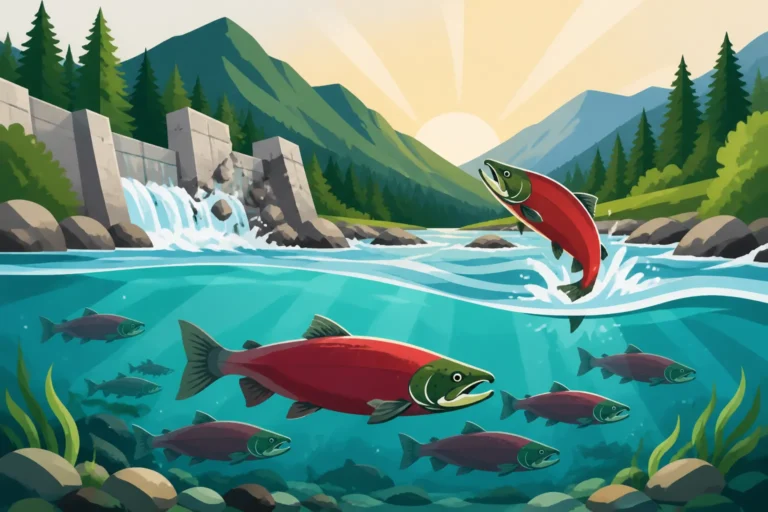
The Kalama River is primarily known for its anadromous fish runs – species that migrate from the ocean to spawn in freshwater. For beginners, the main targets are typically Chinook salmon (especially the robust spring run) and steelhead, both winter and summer varieties. You might also encounter Coho (silver) salmon during their fall run, and occasionally some resident trout. The hatchery focus ensures that there are often "keeper" fish available, which is a huge motivator for new anglers. Understanding the specific runs and species can greatly increase a beginner's chances. For instance, knowing When Chinook Salmon Run in Washington's Puget Sound, or in this case, the Kalama, helps you plan your trip for peak opportunity. While Chinook are often called "kings," even a smaller hatchery fish can put up a fantastic fight and provide excellent table fare, making it a truly rewarding experience for a first-timer.
Navigating the Kalama as a Novice Angler
Venturing out on the Kalama for the first time can seem like a lot, but with a bit of planning, it’s completely manageable. The key is to start simple, focus on accessible areas, and understand the basic tools and rules of the game.
Accessible Bank Fishing Spots for Beginners
One of the Kalama's big appeals for beginners is the abundance of bank access, particularly in its lower and middle stretches. Popular spots often include areas around the hatchery, which usually have good parking and well-worn trails, and various pull-offs along the Kalama River Road. Look for spots where the river widens a bit, or where there are slower-moving runs and pools that fish might hold in. The Washington Department of Fish and Wildlife (WDFW) website is a fantastic resource for identifying public access points, often complete with maps. These are typically easy to get to, don't require wading into deep, fast currents right away, and allow you to practice casting and presentation without the added complexity of a boat. Always be mindful of private property signs; respecting these boundaries is crucial for maintaining public access in other areas.
Gear and Techniques for First-Timers
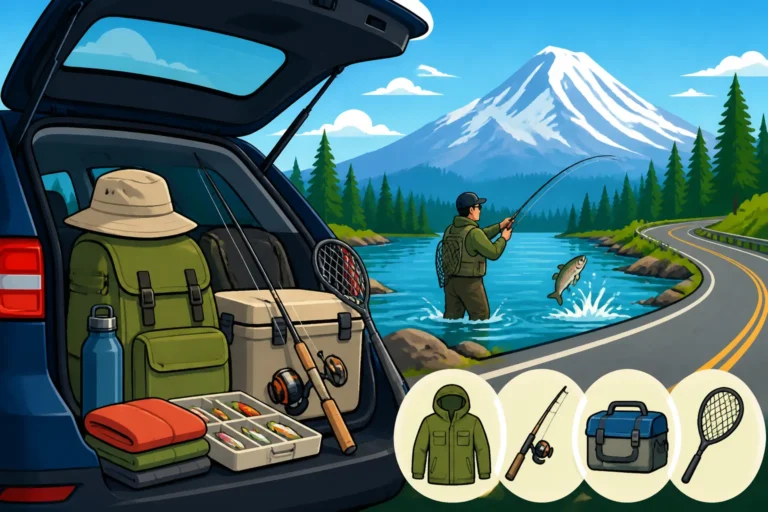
For beginners on the Kalama, keeping your gear simple and versatile is paramount. A medium-heavy spinning rod (8'6" to 10'6" is common for river salmon and steelhead) paired with a reliable reel spooled with 15-20 lb monofilament or braid is a good start. As for tackle, focus on what's effective and easy to learn. Drift fishing with bait (like cured roe or shrimp) or artificials (like Cheaters, Corkies, or soft beads) is a classic and highly productive method for steelhead and salmon in rivers. This involves using a small weight to get your offering down to the fish's level, letting it tumble naturally downstream. Plunking, which uses heavier weights to hold bait in place in faster currents, is another popular and relatively straightforward technique, especially for salmon. Don't forget essentials like a good pair of waders (if you plan to step into the water), a net, a pair of pliers for hook removal, and a comfortable vest or small pack for your tackle. For more detailed insights into effective river fishing, consider resources on Drift Fishing for Steelhead in Washington Rivers or even general Bank Fishing Techniques for Washington Salmon.
When it comes to lures and baits, the general rule of thumb is to match the water conditions. Brighter colors like chartreuse, pink, and orange often work well in cloudy or high water, while more natural tones might be better in clear conditions. Always check the current regulations, as bait bans or specific hook requirements (like barbless hooks) can change by season and river section.
Here’s a simple table outlining beginner-friendly gear and techniques for the Kalama:
| Gear Type | Recommended Item | Why It's Good for Beginners |
|---|---|---|
| Rod & Reel | 8'6" – 10'6" Medium-Heavy Spinning Rod & Reel | Versatile for casting and fighting salmon/steelhead, easy to use |
| Main Line | 15-20 lb Monofilament or Braided Line | Strong enough for big fish, good knot retention (mono) |
| Leader Line | 10-15 lb Fluorocarbon or Monofilament | Less visible to fish, adds abrasion resistance |
| Terminal Tackle | Weights (pencil lead, slinkies), Swivels, Beads, Corkies, Hooks (size 1/0 to 3/0) | Essential for drift fishing; simple to rig |
| Baits | Cured Salmon Roe, Sand Shrimp, Soft Beads, Worms | Highly effective scent and visual appeal |
| Lures | Spinners (e.g., Blue Fox), Spoons (e.g., Little Cleo) | Easy to cast and retrieve, good for aggressive fish |
| Essentials | Waders, Fishing Vest/Pack, Landing Net, Pliers, Clippers | Comfort, organization, safe fish handling |
Understanding Fishing Seasons and Regulations
Washington's fishing regulations can feel like deciphering an ancient scroll, and it's a common frustration for seasoned anglers, let alone beginners. Before you even think about wetting a line, you absolutely must get familiar with the current rules. The Kalama River falls under specific WDFW regulations that can change not just annually, but sometimes even in-season due to emergency rule changes. You'll need a valid Washington fishing license, and if you plan to target salmon or steelhead, a Columbia River Salmon and Steelhead Endorsement, Explained is required, as the Kalama is a tributary of the Columbia.
Always refer to the official WDFW Sport Fishing Regulations Pamphlet – or better yet, check the online version or the Fish Washington app – right before your trip. Pay close attention to:
- Open Seasons: When are salmon and steelhead open? These can vary by species and river section.
- Bag and Possession Limits: How many fish of each species can you keep per day, and how many can you have in your possession? Understanding Washington's Daily Bag Limits by Species is crucial.
- Gear Restrictions: Are bait bans in effect? Are barbless hooks required? These are common on the Kalama.
- Time Restrictions: Some areas might have specific fishing hours.
- Selective Fisheries: Rules often distinguish between hatchery and wild fish, with wild fish frequently requiring immediate release. Knowing How to Tell Wild Steelhead From Hatchery Steelhead is essential, usually by checking for a clipped adipose fin.
Ignorance of the rules is never an excuse for a violation, and the fines can be steep. So take the time to read through Washington Fishing Regulations Every Angler Should Know. It might feel like homework, but it's your ticket to a legal and enjoyable day on the water.
Challenges and Considerations for New Anglers
While the Kalama River offers a welcoming environment for beginners in many ways, it's not without its challenges. Being aware of these potential hurdles can help you prepare mentally and practically, leading to a much more positive first experience.
When the River Gets Crowded
The very attributes that make the Kalama great for beginners – good access and consistent hatchery returns – also make it incredibly popular. During peak salmon and steelhead runs, especially on weekends or holidays, expect company. Popular bank access points, particularly around the hatchery or well-known public stretches, can become quite crowded. This can be intimidating for a new angler still trying to get the hang of casting or drifting without tangling lines with a neighbor. The polite way to approach crowded spots is to ask if a spot is open or if you can squeeze in. Often, fellow anglers are friendly and willing to offer advice, but courtesy goes a long way. If you find a spot too crowded, consider moving to a less popular (though possibly less productive) area, or try fishing during weekdays or very early mornings when pressure is lighter. This is part of the reality of fishing productive rivers in Washington; you're often sharing the bounty.
Navigating River Conditions and Hazards
River fishing isn't like casting into a calm lake. Rivers are dynamic environments that change with weather and water flow. The Kalama, like many rivers, can experience significant fluctuations in water level and clarity, especially after heavy rains. High, muddy water can make fishing difficult, while low, clear water demands a much more stealthy approach. Safety is always paramount. Fast currents, slippery rocks, and deep pockets are inherent hazards. If you plan to wade, investing in good quality wading boots with felt or studded soles is a must. Always use a wading staff for stability, especially if you're unfamiliar with the river bottom. Never wade alone, and always let someone know where you're going and when you expect to return. Pay attention to the weather forecast and river flow reports (often available online from USGS or local dam operators) before you head out. Sometimes, it's safer and more productive to simply stay home if conditions are particularly dangerous or unfishable.
The Learning Curve for Specific Species
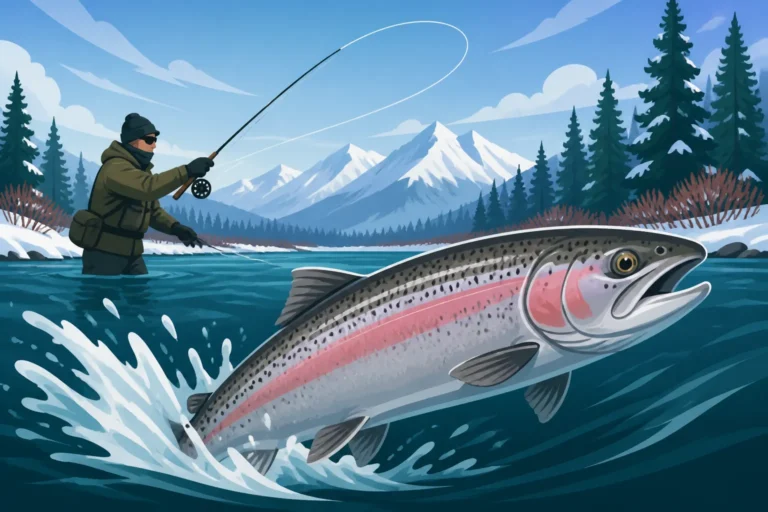
While hatchery fish can be more eager to bite, landing a large Chinook or a spirited steelhead still presents a learning curve. These are powerful fish, and a beginner might struggle with the initial hookset, playing the fish without breaking the line, or properly netting it. For example, a big spring Chinook can make blistering runs, stripping line off your reel with incredible force. Steelhead, on the other hand, are known for their acrobatic jumps and head shakes. It’s important to understand the basics of fighting a strong fish: keep your rod tip up, let the reel's drag do its job, and try to keep the fish's head pointed away from snags. Don't be discouraged if you lose a few fish; it's part of the learning process! Every lost fish teaches you something valuable for the next encounter.
Making Your First Kalama Trip a Success
Going from simply "fishing" to actually "catching" often comes down to preparation, realistic expectations, and sometimes, a little help. The Kalama River can be a fantastic classroom for a new angler, provided you approach it with the right mindset.
Tips for Planning Your Beginner Outing
A successful first trip to the Kalama starts long before you reach the riverbank. First, decide what you want to target. Are you hoping for a spring Chinook, or is the allure of a winter steelhead more appealing? This will dictate your timing and gear. Check the WDFW website for the most up-to-date regulations, including any emergency rule changes that might affect your chosen spot. Look up How to Check for Emergency Rule Changes in Washington, as these can literally change overnight. Pack layers of clothing, even on sunny days, as weather in Washington can be unpredictable. Waterproof outerwear is almost always a good idea. Bring plenty of water and snacks, and a garbage bag to pack out all your trash – leave no trace. Consider going with an experienced friend or family member who can offer guidance and help you navigate the nuances of river fishing. Their insights can be invaluable, from rigging advice to identifying prime holding water.
Considering a Guided Experience
For many beginners, booking a guided trip is the absolute fastest and most effective way to learn the ropes on a river like the Kalama. A professional guide knows the river intimately, understands the seasonal runs, current fishing regulations, and can put you on fish faster than you could ever hope to on your own. They provide all the necessary gear, bait, and invaluable instruction on casting, presentation, and fighting fish. Think of it as a hands-on masterclass. While there's an upfront cost, the knowledge gained can shave years off your learning curve. Platforms like FishingBooker allow you to find reputable guides who specialize in the Kalama River, often with reviews from previous clients, making it easy to see who's experienced with beginners. They often have dedicated trips, for instance, for the spring Chinook or winter steelhead runs. If you're serious about learning and want to maximize your chances of catching fish on your first few outings, a guide is an investment worth considering. You can search for "Booking a Guide for the Kalama River in Washington" to find options.
Respecting the River and Fellow Anglers
One of the most important lessons for any angler, especially a beginner, is the principle of stewardship and respect. This means leaving the river cleaner than you found it, following all regulations meticulously, and showing courtesy to other people on the water. When sharing crowded spots, give fellow anglers ample space to cast and drift. Avoid "fishing over" someone else's line or cutting off their drift. If you're walking along the bank, try not to spook fish that others might be targeting. Practicing proper catch-and-release techniques for any fish you don't intend to keep, especially wild steelhead or salmon, is vital for conservation. Handle fish gently, keep them in the water as much as possible, and use a de-hooking tool. The health of the Kalama River and the enjoyment of its resources depend on every angler doing their part.
Disclaimer
Fishing regulations, seasons, and access points in Washington State are subject to change without notice. Always consult the most current Washington Department of Fish and Wildlife (WDFW) regulations pamphlet or their official website before heading out on any fishing trip. This guide is for informational purposes only and does not constitute legal advice regarding fishing regulations.