Where Rockfish Bite Near Sekiu, Washington
Trying to pinpoint those elusive rockfish hiding spots near Sekiu can feel like searching for a needle in a haystack, especially with the vast, diverse waters of the Strait of Juan de Fuca stretching out before you. It's easy to spend hours drifting or casting without much to show for it if you don't know where to focus your efforts. This comprehensive guide is going to dive deep into where exactly these feisty bottom dwellers like to hang out in the Sekiu area, giving you the insider knowledge to make your next trip a rockfish success.
Sekiu's Unique Underwater Landscape for Rockfish
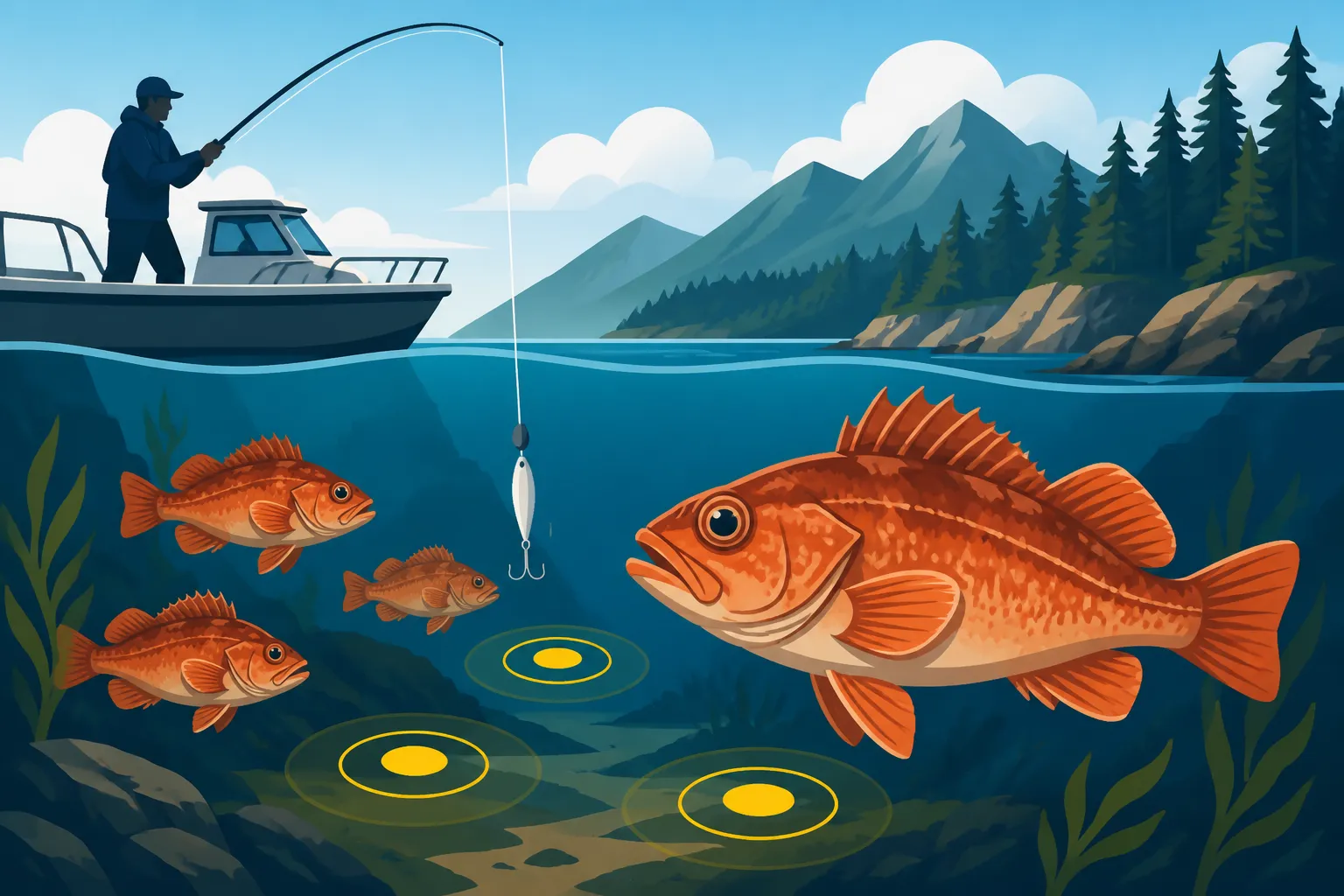
Sekiu, nestled on the Olympic Peninsula along the Strait of Juan de Fuca, is a true gem for bottomfishing. What makes it so special for rockfish, in particular, isn't just its pristine waters, but the incredible, often dramatic, underwater topography. This isn't your average flat sandy bottom; we're talking about a submerged world of craggy peaks, rocky ledges, deep canyons, and lush kelp forests, all of which create the perfect ambush points and hiding spots for various rockfish species.
The Strait of Juan de Fuca's Rocky Reefs and Currents
The Strait of Juan de Fuca acts as a funnel, channeling powerful tidal currents that scour the seafloor and expose ancient rock formations. These currents also bring a constant supply of nutrients and baitfish, creating a vibrant ecosystem that rockfish absolutely thrive in. Think of it like a buffet line for these predatory fish. Areas like Slip Point and Kydaka Point, just to the west and east of Sekiu respectively, are prime examples of where these currents interact with significant rocky structures, forming complex habitats. The underwater geology here is a mix of basalt and sedimentary rock, creating ledges, crevices, and large boulders that provide shelter and hunting grounds.
Anglers often overlook the importance of current when targeting rockfish, but it's crucial. Fish position themselves in slower water, just out of the main current flow, waiting for food to be swept past them. Learning to "read the water" above these structures can give you a huge advantage. Stronger currents typically mean more active feeding, but also require heavier gear to get your presentation down to the strike zone. If you're new to fishing these specific currents, considering a guided trip booked through a platform like FishingBooker can be incredibly helpful; local guides know these nuances intimately.
Depth and Habitat Preferences of Common Sekiu Rockfish
Not all rockfish are created equal, and they certainly don't all prefer the same depths or types of cover. Understanding the preferences of the common species you're likely to encounter around Sekiu can dramatically improve your success rate.
- Black Rockfish: These are often the most common catch and are typically found in shallower waters, usually from 20 to 100 feet. They love hanging around kelp beds, rocky shorelines, and near-surface structure. They're often aggressive feeders and will readily strike jigs and swimbaits. You'll find them schooling up, especially around baitfish.
- Copper Rockfish: Coppers prefer slightly deeper, more rugged terrain than blacks, often in the 50 to 150-foot range. They are masters of camouflage, blending perfectly with their rocky surroundings. Look for them hunkered down on ledges, in rocky caves, or near significant drop-offs. They tend to be a bit more solitary than black rockfish.
- China Rockfish: These are truly beautiful fish, and while not as prevalent as blacks or coppers, they're a prized catch. They are deep-water dwellers, often found between 100 and 300 feet, closely associated with complex rocky reefs and pinnacles. They’re usually caught incidentally while targeting other bottomfish.
- Yellowtail Rockfish: These can be found in mid-water columns, sometimes schooling over deeper reefs, making them a bit unique among rockfish. They'll often feed on baitfish high in the water column above deeper structure.
Each of these species demands a slightly different approach, both in terms of depth targeted and presentation, but the common thread is always structure. Knowing your target species' habitat preferences means you're not just casting blindly; you're placing your lure where the fish are most likely to be.
Prime Rockfish Hotspots Around Sekiu
Sekiu is blessed with a multitude of outstanding rockfish spots, ranging from easily accessible nearshore areas to deeper, offshore pinnacles that require a boat and good navigation skills. The key is knowing where to look for that crucial structure.
Nearshore Reefs and Kelp Beds
For those without large boats, or who prefer the experience of kayaking or shore fishing, Sekiu still offers fantastic opportunities. The rocky shoreline extending both east and west from the Sekiu marina, particularly around Slip Point, is riddled with excellent nearshore reefs and kelp beds. These areas often hold abundant black rockfish and even some cooperative coppers in the deeper sections.
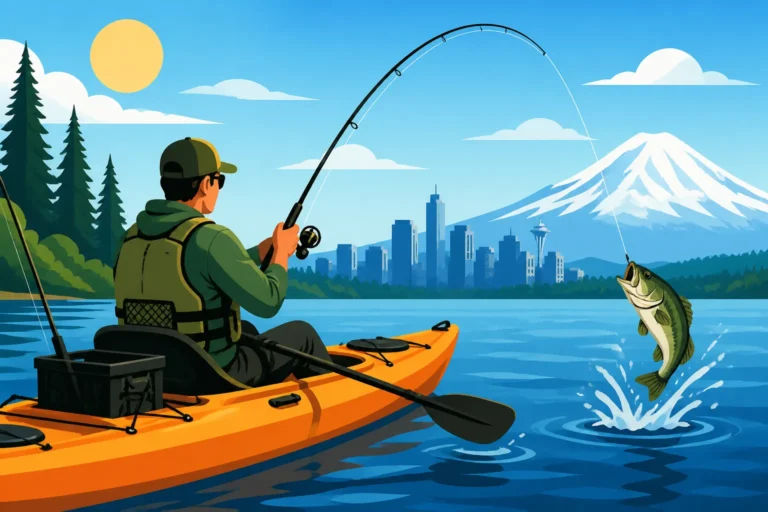
Imagine paddling your kayak along the shore just west of Sekiu. You’re looking for dark patches on the surface or breaks in the water indicating kelp beds or submerged rocks. As you approach these areas, you’ll want to drift slowly, casting jigs or soft plastics into the edges of the kelp or over the rocky structure. On a calm day, the water can be incredibly clear, allowing you to actually see some of the underwater landscape. These spots are particularly good during incoming or outgoing tides when the current brings baitfish through the kelp. While you might not land a trophy lingcod here, the action with black rockfish can be non-stop and a blast on lighter tackle. Just remember that many rockfish species in Washington are catch-and-release only, so be sure to understand Rockfish Species Along the Washington Coast before you head out.
Offshore Pinnacles and Structure
The real honey holes for a wider variety and larger size of rockfish (and often lingcod, which share similar habitats) lie a bit further offshore. The Strait of Juan de Fuca floor near Sekiu is dotted with numerous submerged pinnacles, seamounts, and extensive rocky reefs that rise dramatically from the depths. These are navigationally challenging areas, often marked on charts but requiring precise boat positioning and a good fish finder.
Some of the most productive areas are found roughly north and northwest of Sekiu, out towards the Canadian border. While I can't give you exact secret GPS coordinates (those are hard-earned by local anglers!), look for significant depth changes on your chart, especially areas where the bottom rises sharply from 200-300 feet up to 80-150 feet. These 'humps' and pinnacles act as magnets for baitfish, which in turn attract hungry rockfish, lingcod, and sometimes even salmon. Drift fishing jigs or dropping heavily weighted bait rigs over these pinnacles is the primary method here. This is also where you might consider booking one of the many Guided Trips Out of Sekiu, Washington, as experienced captains will have these spots dialed in, knowing exactly how to position the boat for optimal drifts. They can also provide insight into How to Book a Fishing Charter in Washington if you're thinking about a future trip.
Structure-Rich Points and Drop-offs
Beyond the isolated pinnacles, the major points of land near Sekiu also offer fantastic rockfish opportunities due to the dynamic interaction of current and structure. Kydaka Point to the east, and points further west towards Neah Bay, are classic examples. These areas often feature sheer rock walls extending deep underwater, creating ledges and overhangs where rockfish love to hide.
When fishing these points and drop-offs, the strategy is often to work the edges of the main current. Look for areas where the current creates eddies or softer water, as this is where fish will expend less energy and wait for food. You might find a vertical jigging technique particularly effective here, allowing you to work the lure right along the rock face at various depths. Pay close attention to your fish finder to identify shelves or clusters of fish holding tight to the bottom. Remember that Washington Fishing Regulations Every Angler Should Know are always subject to change, so a quick check before each trip is non-negotiable, especially for areas known for diverse species and varying management rules.
Essential Techniques and Timing for Sekiu Rockfish
Catching rockfish isn't just about finding them; it's about presenting your offerings effectively and understanding the best conditions for success. A little knowledge about techniques and timing can make a world of difference.
Effective Lures and Bait for Bottomfish
Rockfish aren't overly picky, but certain presentations are consistently more effective.
- Jigs: Lead head jigs paired with soft plastic curly tail grubs or paddle tails are probably the most versatile and effective lures for rockfish. Colors like chartreuse, white, motor oil, and green/black flake are all excellent choices. The weight of the jig needs to match the depth and current; a good rule of thumb is to use just enough weight to maintain bottom contact without too much scope. Jigging involves dropping the lure to the bottom, then lifting and dropping it repeatedly, mimicking a wounded baitfish or crustacean. This is especially effective when you're drift fishing over rocky structure.
- Swim Baits: Heavier swimbaits that sink quickly can also be deadly, especially for bigger rockfish or lingcod. Brands like P-Line or Berkley Gulp! offer excellent options that are scented to attract fish. These can be cast and retrieved, or jigged vertically.
- Bait Rigs: For a more passive approach, or when the bite is slow, a simple two-hook dropper rig with bait can be highly effective. Squid strips, herring pieces, or even chunks of mackerel are all excellent baits. Drop the rig to the bottom and let it sit, or impart a slow, subtle jigging motion. This is a classic method for Bottom Fishing Techniques for Lingcod and Rockfish off Washington.
Regardless of your chosen offering, remember to keep your hooks sharp. Rockfish have tough mouths, and a dull hook can easily lead to missed bites.
Optimal Tides and Weather Conditions
Timing is everything, and for rockfish around Sekiu, this often boils down to tides and, of course, safe weather.
- Tides: The period around slack tide (the brief time between an incoming and outgoing tide, or vice-versa) is often the easiest and most productive for bottom fishing. During slack tide, the currents are at their weakest, allowing you to fish lighter weights and maintain better control of your presentation. However, don't discount the moving tides entirely. As mentioned earlier, moderate currents can bring food and trigger active feeding. The trick is to find those sweet spots out of the main rip. Stronger tides can make it nearly impossible to fish the bottom effectively without using excessively heavy gear, which can be exhausting.
- Weather: The Strait of Juan de Fuca can be notoriously fickle, especially when the wind picks up. While rockfish don't care about rain, strong winds can make boating hazardous and fishing miserable, or even impossible. Always check the marine forecast before heading out. Calm days are not only safer and more comfortable but also allow for more precise boat control and presentation, which is key to effectively working rocky structure. It's often recommended to bring appropriate gear, and understanding What to Bring on a Washington Fishing Charter will prepare you for varying conditions.
Gear Recommendations for Rockfish in Sekiu
Having the right gear makes a huge difference, both in terms of effectiveness and enjoyment.
- Rods and Reels: A medium-heavy to heavy conventional rod (often referred to as a "boat rod") with a fast action tip, paired with a stout conventional reel, is ideal. Look for rods in the 6'6" to 7'6" range capable of handling 20-50 lb test line and weights up to 12-24 ounces. The reel should have a good drag system and be capable of holding at least 200-300 yards of line. For lighter tackle enthusiasts in shallower waters, a heavy spinning setup can also work.
- Line: Braided line (30-65 lb test) is highly recommended for bottom fishing. Its lack of stretch provides excellent sensitivity to feel bites and bottom structure, and its thinner diameter cuts through the water better, allowing you to use less weight. A fluorocarbon leader (30-50 lb test, 3-6 feet long) is essential at the business end for abrasion resistance against rocks and invisibility to fish.
- Terminal Tackle: A good selection of lead head jigs (1-8 oz, depending on depth and current), heavy-duty swivels, and stout hooks (2/0 to 6/0) are necessary. Don't forget a variety of soft plastic grub tails and possibly some bait.
- Descending Devices: This is critical for responsible rockfish angling. Many rockfish suffer from barotrauma (swimming bladder expansion) when brought up from deep water. A descending device allows you to return them to depth safely, significantly increasing their survival rate. Learning Descending Devices for Rockfish and How to Use One is an essential part of being a good steward of the resource.
Navigating Regulations and Conservation
Fishing for rockfish in Washington, particularly within the Strait of Juan de Fuca near Sekiu, comes with very specific regulations designed to protect these long-lived species. It's not just about catching fish; it's about doing so responsibly and sustainably.
Understanding Rockfish Seasons and Limits
The Washington Department of Fish and Wildlife (WDFW) has complex rules for rockfish, primarily due to concerns about overfishing and the slow reproductive rates of many species. This means that many rockfish species are designated as "prohibited to retain" and must be immediately released. These species often include canary, yelloweye, vermilion, and quillback rockfish, among others. It's absolutely crucial to be able to identify your catch and know which ones you can keep and which must go back.
For species that are open to retention, daily bag limits are typically very restrictive, often just one fish, and possession limits might also apply. Specific marine areas, including those around Sekiu, can have unique rules or even outright closures for certain rockfish species. Always check the most current WDFW regulations pamphlet before every trip. You can also find updates on Washington Sport Fishing Seasons and Emergency Closures, which are vital given how quickly rules can change. For an even deeper dive into specific species, you might want to read about Rockfish Species Along the Washington Coast.
Responsible Catch and Release Practices
Given the tight regulations and conservation concerns, practicing proper catch and release is paramount, especially when targeting rockfish.
- Quick Identification: Learn how to quickly identify common rockfish species. If you're unsure, or if it's a prohibited species, be prepared to release it.
- Minimize Handling: Handle fish as little as possible. If you must handle them, do so with wet hands or gloves to protect their slime coat, and support their body weight.
- Dehooking Tools: Keep a pair of long-nose pliers or a dehooking tool handy to quickly remove hooks. If a fish is deeply hooked, it may be better to cut the line as close to the hook as possible rather than risk further injury.
- Descending Devices: As mentioned, these are non-negotiable for deep-caught rockfish. Barotrauma symptoms include bulging eyes, distended stomach, and a protruding stomach lining. A descending device allows the fish to be weighted and released back to the depth from which it was caught, recompressing its swim bladder and giving it a much better chance of survival. Ignoring this simple tool can lead to unnecessary fish mortality. Understanding Why Do Some Rockfish Need a Descending Device? is important for any responsible angler in Washington.
By following these guidelines, you're not just complying with the rules; you're actively participating in the conservation efforts that ensure healthy rockfish populations for future generations of anglers around Sekiu and beyond.
| Rockfish Species | Common Depth Range (feet) | Preferred Habitat | Common Lures/Bait | Retention Status (General WA Rules) |
|---|---|---|---|---|
| Black Rockfish | 20-100 | Kelp beds, rocky shorelines, nearshore | Jigs, swimbaits, grubs, herring | Often open with limited bag limit |
| Copper Rockfish | 50-150 | Ledges, rocky caves, complex reefs | Jigs, soft plastics, squid, herring | Often open with limited bag limit |
| China Rockfish | 100-300 | Deep rocky reefs, pinnacles, crevices | Jigs, bait (squid), metal jigs | Often prohibited to retain |
| Yellowtail Rockfish | 50-200 | Mid-water over deep reefs, schooling | Jigs, swimbaits, bait (herring, shrimp) | Often open with limited bag limit |
| Canary Rockfish | 100-600 | Offshore reefs, pinnacles, deep structure | Deep jigs, large bait, shrimp flies | Prohibited to retain |
| Yelloweye Rockfish | 100-900+ | Deep, complex rocky bottoms, caves | Large jigs, whole bait, deep-water shrimp flies | Prohibited to retain |
Note: Retention status for specific rockfish species can vary significantly by Marine Area and change frequently. ALWAYS consult the current WDFW Sport Fishing Rules pamphlet before fishing.
Disclaimer
Fishing regulations in Washington State, especially those concerning salmon, steelhead, and bottomfish, are subject to frequent changes. Emergency rule changes can occur at any time due to conservation needs, in-season fishery updates, or other factors. While this guide provides general information, it is your responsibility to check the latest WDFW regulations before every fishing trip. Always consult the official WDFW website or the most current fishing pamphlet for the most accurate and up-to-date rules and seasons.