Is Alki Point Good for Salmon Fishing?
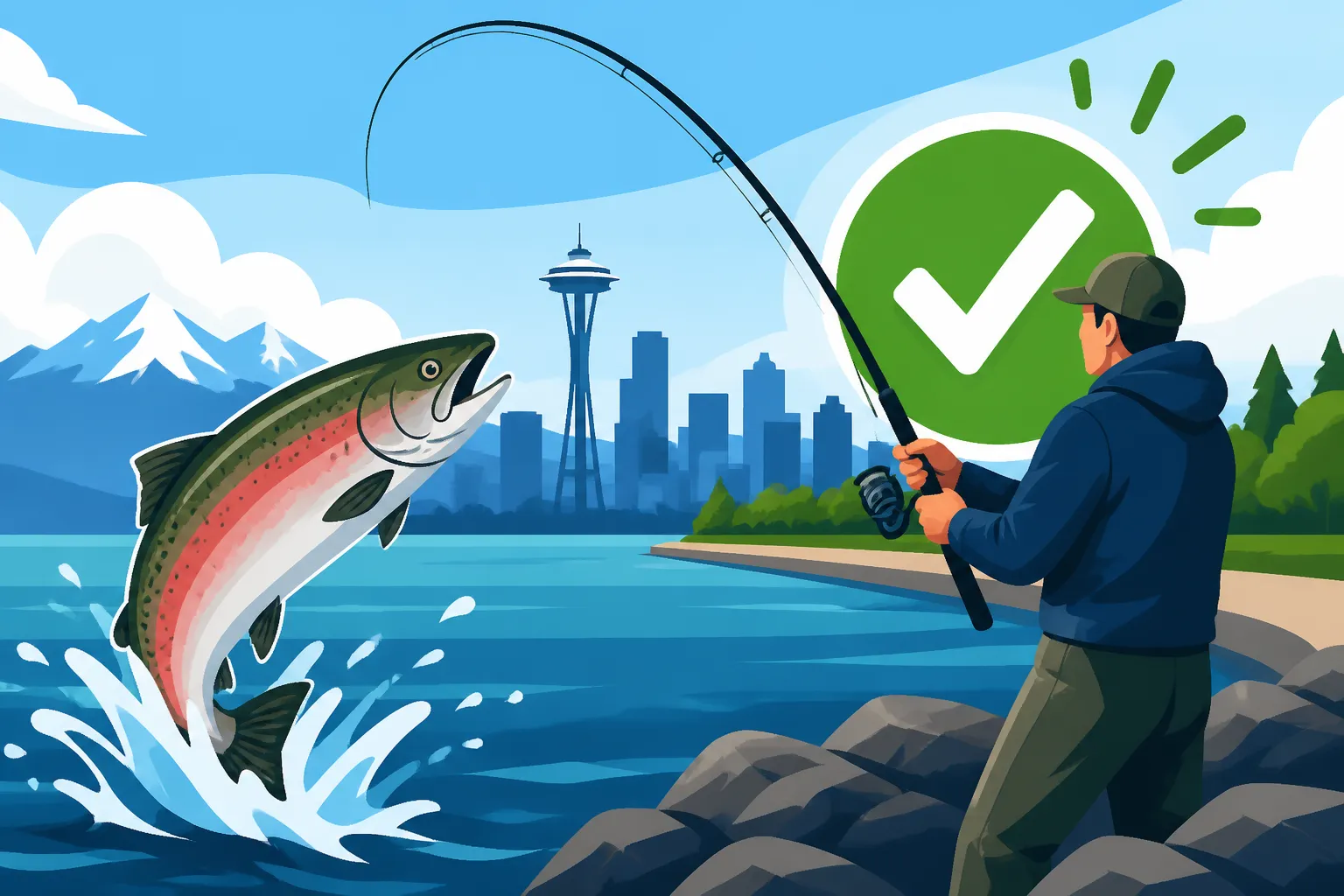
Oh, Alki Point! It’s a truly iconic spot in Seattle, isn't it? With those stunning views of the city skyline, the ferry boats gliding by, and the Olympic Mountains often peeking through, it's natural for any angler to gaze out at the water from that bustling beach and wonder, "Could this be a secret salmon hotspot?" Many of us have felt that same tug of curiosity. Unfortunately, when it comes to consistently catching salmon directly from Alki's shores, the reality can often lead to a bit of a letdown. This guide will dive deep into why Alki might not be the salmon haven you dream of from the bank, what you might realistically expect, and, most importantly, where you can find much better opportunities if salmon are truly your goal.
The Allure and Reality of Salmon Fishing at Alki Point
Alki Point, with its vibrant beach culture and picturesque backdrop, draws people for all sorts of recreation. It’s a wonderful place to walk, bike, kayak, or simply enjoy a Puget Sound sunset. But when you trade your picnic basket for a salmon rod, the picture changes quite a bit. It’s not that salmon never swim by, but the conditions and migration patterns just aren't set up to make it a consistently productive shore-based fishery.
Shoreline Characteristics and Accessibility for Anglers
From an angler's perspective, Alki Point's shoreline is, frankly, pretty challenging for salmon. You’re looking at primarily sandy or pebbly beaches, often shallow for a good distance offshore, and lacking the kind of pronounced structure—like deep drop-offs, kelp beds, or rocky reefs—that salmon typically hug during their migrations. These fish, especially Chinook and Coho, prefer cover and depth when traveling through open water. Alki’s gentle slope and open nature don’t offer much of that. Add to that the constant parade of pleasure boats, paddleboarders, swimmers, and general beachgoers during warmer months, and you have an environment that's far from the tranquil, fish-friendly habitat salmon usually seek. It's a fantastic spot for sunbathing, but less so for serious salmon pursuit from the bank.
What Salmon Species Might Pass Through These Waters
While Alki Point isn't a major staging area for salmon, some species might occasionally pass through the general vicinity. You might, on a very rare and lucky day, intercept a stray resident Coho or even a small Chinook (often called a "blackmouth" if it's a feeder fish that hasn't started its spawning migration yet). During odd-numbered years, especially late summer, you could encounter Pink salmon as they make their way to spawning rivers. Chum salmon are even less likely to be caught here from shore, as they tend to hold deeper and are less inclined to bite traditional gear in open water. Most of these fish are simply transiting through a very wide body of water, making it a needle-in-a-haystack scenario for a shore angler. They're usually hugging deeper channels or specific current lines that are well out of casting range.
Regulatory Considerations for Fishing Marine Area 10 Seattle/Bremerton Area
It's crucial to remember that Alki Point falls within Marine Area 10, often referred to as the Seattle/Bremerton area. Like all areas in Washington, specific regulations apply here, and they can change frequently based on conservation needs and run forecasts. Before you even think about casting a line, you absolutely need to consult the most current Washington Department of Fish and Wildlife (WDFW) regulations pamphlet for Marine Area 10. These rules will dictate everything from legal fishing days for specific salmon species to daily bag and possession limits, and even gear restrictions. Don't just assume; always double-check. The last thing you want is to accidentally run afoul of the rules, especially with species-specific openers and closures. For a full understanding of the complex rules, you might want to look at our guide on Washington Fishing Regulations Every Angler Should Know.
Why Alki Point Isn't a Prime Shore-Based Salmon Hotspot
Let's get real about why Alki Point, despite its proximity to a major metropolitan area and Puget Sound, just doesn't stack up as a top-tier shore salmon fishing destination. It's not about a lack of fish in the Sound entirely, but rather about the specific conditions and typical salmon behavior.
Lack of Deep Water and Cover for Migrating Salmon
Salmon are, by nature, very strategic travelers. When they're migrating back to their natal rivers to spawn, they follow established routes, often preferring deeper channels, current breaks, and areas with good structure that offer cover and congregation points. They're not generally known for cruising along open, shallow urban beaches. The primary migration corridors for Chinook, Coho, and other salmon species heading into Puget Sound rivers like the Duwamish, Nisqually, Puyallup, or even up into the larger Sound systems, tend to be further offshore, in deeper waters, or along more rugged, structured shorelines. Alki, with its relatively flat, featureless bottom that extends a good distance out, simply doesn't provide these preferred conditions. From shore, you're mostly casting into featureless water that salmon are likely passing quickly through, if at all, at depths you can't reach.
High Recreational Use and Urban Runoff Impacts
Think about a typical summer day at Alki. You've got kayakers, paddleboarders, personal watercraft, swimmers, beachcombers, and countless boats passing by. This constant activity creates noise, vibrations, and visual disturbances that can deter sensitive migrating salmon from coming close to shore. Salmon are wary creatures, especially as they get closer to freshwater and their spawning instincts kick in. A bustling urban beach is not conducive to their quiet, focused journey. Furthermore, being in an urban setting means there’s always the potential for urban runoff, which can impact water quality and clarity after heavy rains. While Seattle has made great strides in managing stormwater, these factors can still create an environment that's less appealing to salmon than more pristine, less-trafficked areas of the Sound.
Comparing Alki to More Productive Puget Sound Shoreline Spots
If you're determined to catch salmon from shore in Puget Sound, you'll have significantly better luck at locations that offer the deep water, current breaks, or distinct structure that salmon favor. Rather than spinning your wheels at Alki, consider these alternatives that have proven track records for shore-based salmon fishing:
- Point No Point: Located on the northern tip of the Kitsap Peninsula, this spot is famous for its strong currents and deep water close to shore, making it a prime location for migrating salmon. You can often find Chinook and Coho here, especially during peak seasons. It's a bit of a drive, but often worth it. For more on this productive spot, check out Point No Point's Location on Whidbey Island.
- Possession Bar: Situated off the south end of Whidbey Island, this is a well-known salmon highway. While often fished from boats, certain tides and areas can offer decent shore opportunities, particularly for Coho.
- Bush Point: Also on Whidbey Island, Bush Point offers similar advantages to Possession Bar with strong currents and accessible deep water.
- Lincoln Park (Seattle): Closer to Alki, but on the other side of West Seattle, Lincoln Park has some rocky stretches and deeper water accessible from shore that can occasionally produce resident salmon or migrating Coho.
- Mukilteo Lighthouse Park: Further north near Everett, this location offers access to deep water and strong currents where salmon funnel. It’s a very popular spot for shore anglers targeting migrating salmon. You might find more detail on this area in our discussion of Best Shore Fishing Spots Near Seattle.
These locations, while requiring a bit more travel, dramatically increase your odds of encountering salmon from the bank compared to Alki Point.
Maximizing Your Chances (If You Still Want to Try Alki from Shore)
Alright, so you've heard the realistic assessment, but your heart is still set on casting a line for salmon from Alki Point. Maybe it’s convenience, maybe it’s the view, or maybe you just love a challenge! While the odds are definitely stacked against you for a trophy Chinook from shore, there are still some approaches and expectations you can set to make the most of your effort. It's about adjusting your goals and tactics to suit the environment.
Realistic Expectations and Target Species for Shore Anglers
Let's be clear: from the shore at Alki, you're mostly targeting opportunity. Your best bet will likely be smaller, resident salmon or those that happen to be cruising shallower than usual.
- Resident Coho (Blackmouth): These are often smaller, immature Chinook salmon that stay in Puget Sound year-round, feeding. They tend to be more opportunistic and might come into shallower water.
- Pink Salmon: In odd-numbered years (e.g., 2023, 2025), Pink salmon flood into Puget Sound in late summer. They often travel in large schools and can be caught closer to shore. Their smaller size and aggressive nature can make them a fun target.
- Small, Migrating Coho: Later in the summer and into fall, mature Coho salmon will begin their migration. A few might swing close enough to shore for a cast.
Don't go expecting to land a massive "king" salmon from the Alki shore. Instead, think about the thrill of a fight from a smaller, feisty fish. This shift in mindset is key to enjoying your time.
Recommended Gear and Tactics for Alki's Unique Conditions
If you're going to give Alki a shot from shore, you need to adapt your gear and tactics to maximize your limited chances.
- Rod and Reel: A medium-heavy spinning rod, 9-10 feet in length, paired with a matching reel spooled with 20-30 lb braided line is a good starting point. This setup allows for long casts, which you'll definitely need to reach potential fish-holding water, and gives you enough backbone to fight a salmon if you hook one. A fluorocarbon leader of 15-20 lb test, about 4-6 feet long, will offer invisibility in the often clear Puget Sound waters.
- Lures: Forget the heavy trolling gear. For shore casting, you’ll want lures that cast far and can be worked effectively.
- Casting Spoons: Look for metal casting spoons in sizes from 1/2 oz to 1 oz. Popular colors include chartreuse, blue/chrome, green/chrome, or pink. Names like Buzz Bombs, P-Line Lazer Minnows, or Gibbs Minnows are good choices. Work them with a cast-and-retrieve motion, varying your speed and adding twitches.
- Jigs: Heavy lead jigs, often tipped with a piece of bait (like a small herring strip or a Berkley Gulp! Alive! shrimp), can also be effective. Again, focus on colors like green, blue, or pink. Jig them vertically or cast and retrieve with a bouncing motion.
- Bait: While lures are often preferred for casting distance, some anglers might try drifting a bobber with a piece of cured herring or a sand shrimp on an incoming tide, especially if there's a bit more current. This can be less effective due to the lack of structure, but it’s an option.
- Long Casts are Key: The most important tactic at Alki from shore is to cast as far as you possibly can. The deeper, more productive water is typically well beyond the reach of a casual cast.
Timing Your Efforts: Tides, Dawn/Dusk, and Seasonal Considerations
Success in any salmon fishery often boils down to timing, and Alki is no exception.
- Tides: Focus your efforts around the high tide transition, especially the hour leading up to and the hour after the peak high tide. This is when the water is deepest closest to shore, and baitfish might be pushed in, potentially drawing salmon with them. Understanding Best Tide for Puget Sound Salmon Fishing in Washington is critical.
- Dawn and Dusk: As with most fisheries, low-light conditions at dawn and dusk often provide the best bite. Salmon feel more secure feeding during these times.
- Seasonal Considerations:
- Late Summer (August-September): This is your best window for resident Coho and, especially in odd years, Pink salmon. This is when Pink salmon often run thickest, and they tend to be more receptive to shore casting.
- Fall (September-October): Mature Coho salmon continue their migration. While Alki isn't a primary spot, some might still be caught as they stage near river mouths elsewhere in the Sound.
Always check the WDFW fishing regulations for specific marine areas before you head out, as seasons for different species can be very precise and change frequently. Our guide on Washington Sport Fishing Seasons and Emergency Closures can help you track these dates.
When Boat Fishing Near Alki Becomes an Option (and Why It's Different)
While shore fishing for salmon at Alki is a tough go, the story changes dramatically if you have access to a boat, or if you're considering a guided trip. Being on the water opens up a whole new world of possibilities, allowing you to bypass the limitations of the shoreline.
Accessing Deeper Water and Submerged Structure with a Boat
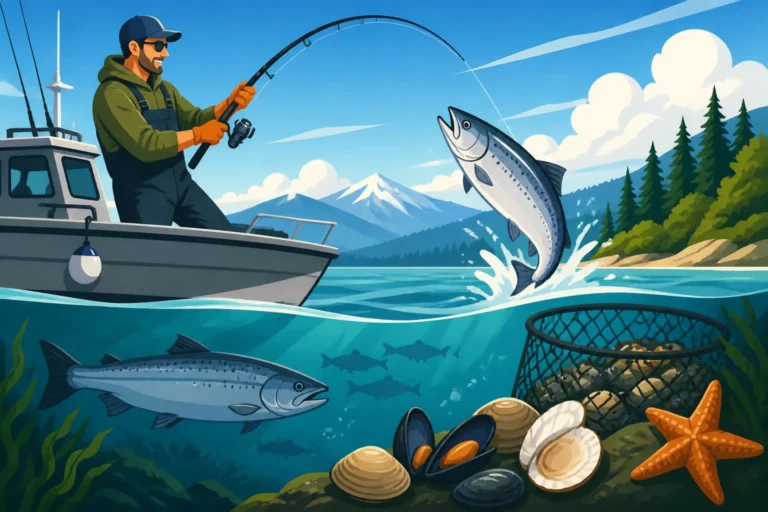
The primary reason boat fishing near Alki Point is more effective is simple: access. With a boat, you can reach the deeper water, the subtle drop-offs, and the submerged structures (like old pilings or hidden reefs) that salmon truly relate to. These are the highways and rest stops for migrating fish, and they're simply unattainable from the beach. Boats allow you to cover vast amounts of water, searching for schools of baitfish or concentrations of salmon using sonar. You can target specific depths where salmon are holding, rather than just casting blindly into shallow, open water. This flexibility is what makes the difference between a frustrating day of casting and a genuinely productive salmon outing.
Techniques for Trolling or Mooching in the Alki Vicinity
With a boat, you can employ proven Puget Sound salmon techniques that are impossible from shore.
- Trolling: This is perhaps the most popular and effective method. It involves dragging lures or bait behind a moving boat, often using downriggers to get your gear down to precise depths. Near Alki, you'd typically be trolling anywhere from 50 to 150 feet deep, depending on the time of year and target species. Popular trolling setups include flashers paired with hoochies (squid skirts), spoons, or whole cured herring. When Trolling for Salmon in Washington's Puget Sound, you're mimicking a baitfish swimming through the water, which is incredibly attractive to actively feeding salmon.
- Mooching: This technique involves drifting with the current, dropping a weighted, cut-plug herring or whole herring down through the water column, and imparting a gentle jigging motion. It's a very natural presentation and can be deadly when you locate a school of salmon that are feeding or staging. Mooching requires more feel and active participation than trolling but can be incredibly rewarding. Our article on Mooching for Salmon in Washington's Puget Sound provides a great overview.
- Electronics: Modern fish finders and chartplotters are indispensable tools. They help you locate bait balls, identify underwater structure, and mark schools of salmon, making your efforts much more targeted and efficient.
Chartering a Boat for a More Productive Puget Sound Salmon Experience
If you don't own a boat or aren't comfortable navigating Puget Sound's waters, booking a fishing charter is an excellent way to experience salmon fishing near Seattle, including the waters potentially accessible from Alki. Charter captains are local experts; they know the prime spots, the current regulations, and the most effective techniques. They provide all the necessary gear, bait, and often even clean your catch. It takes all the guesswork out of the equation and significantly boosts your chances of success.
Many reputable charters operate out of Seattle or nearby ports, offering half-day or full-day trips. You can easily find and compare options on platforms like FishingBooker, which lists a variety of experienced captains specializing in Puget Sound salmon. A good captain will take you to areas where the fish are actively biting, which might be near Alki or in other productive regions of Marine Area 10, 9, or 11. Booking a charter is often the best way for visitors or those new to the area to experience the thrill of salmon fishing in Washington without a significant personal investment in equipment. If you're looking to explore options, check out our guide on How to Book a Fishing Charter in Washington. The investment in a charter for Puget Sound Salmon Charter Cost in Washington is often well worth it for the experience and increased catch rates.
General Washington Salmon Fishing Insights to Keep in Mind
Beyond Alki Point specifically, there are some overarching principles that apply to virtually all salmon fishing in Washington State. Understanding these will not only make you a more successful angler but also a more responsible one, helping to preserve this incredible resource for future generations.
Understanding Washington Fishing Regulations and Catch Limits
Washington's fishing regulations are notoriously complex, and for good reason: they are designed to protect fragile wild salmon and steelhead populations while allowing for sustainable harvest of abundant hatchery-raised fish. The rules vary dramatically by marine area, by river, by species, and even by the day of the week or time of year. This complexity means that relying on old information or hearsay is a recipe for trouble.
You must always consult the most current WDFW Sport Fishing Regulations pamphlet, available online or at license vendors. This document is your bible. It will detail daily bag limits (how many fish you can keep in a 24-hour period), possession limits (how many fish you can have on hand, in your cooler, or at home), and any specific size restrictions or requirements for adipose fin clips (indicating a hatchery fish). For instance, in many areas, wild Chinook salmon (those with an intact adipose fin) must be released immediately, while hatchery Chinook can be retained. Being able to identify How to Identify a Washington Chinook Salmon and tell How to Tell a Chinook From a Coho is crucial for compliance. Failing to understand or adhere to these regulations can lead to hefty fines and even loss of fishing privileges.
Importance of Checking Emergency Rule Changes
One of the most frustrating but necessary aspects of Washington salmon fishing is the frequency of emergency rule changes. Fisheries managers at WDFW constantly monitor salmon returns, run sizes, and catch rates. If a run is weaker than expected, or if a particular harvest guideline is met quickly, WDFW can and will implement emergency closures or restrictions with very little notice. This could mean a fishery that was open yesterday is closed today, or a bag limit is reduced overnight.
These changes are vital for conservation, especially for wild populations. It means that even if you checked the regulations last week, you need to check again right before you head out. WDFW typically posts these updates on their website and through their "Fish Washington" app. Ignoring these updates can lead to inadvertent violations. Our article on Emergency Rule Changes: Why Washington's Rules Shift Mid-Season explains this process in detail and why it’s so important. It's a pain, no doubt, but it's part of the deal when fishing in a state with such precious and volatile fisheries.
Best Times of Year for Various Salmon Runs in Puget Sound
Understanding the general salmon calendar in Puget Sound will significantly improve your overall success, whether you're fishing from a boat near Alki or exploring other areas. Different salmon species have distinct migration windows:
- Chinook Salmon (Kings): Often start appearing in Puget Sound waters in late spring, with peak opportunities typically from late June through August. These are the largest and most prized salmon. Best Time to Fish for Chinook in Washington's Puget Sound is often late summer.
- Coho Salmon (Silvers): While some resident Coho are around year-round, the main migratory runs typically start in late summer (August) and peak through September and October. They are known for their acrobatic fights.
- Pink Salmon (Humpies): These are unique in that they primarily run in odd-numbered years (e.g., 2023, 2025). When they show up, they do so in massive numbers, usually peaking in August and early September. They are smaller but aggressive and can offer incredible action.
- Chum Salmon (Dogs): These later-season salmon typically arrive in large numbers in October and November. They are less targeted by anglers for table fare but offer a powerful fight.
Knowing these general timelines will help you decide when and where to focus your efforts. For a complete breakdown, consult our comprehensive guide, Washington Fishing Seasons: A Month-by-Month Guide.
Alki Point Shore Fishing vs. Productive Puget Sound Shore Spots
To give you a clearer picture, here’s a quick comparison of what you might expect when trying to fish for salmon from the shore at Alki Point versus heading to a more recognized, productive Puget Sound shoreline location.
| Feature | Alki Point (Shore Fishing) | Productive Puget Sound Shore Spots (e.g., Point No Point, Mukilteo) |
|---|---|---|
| Primary Target | Opportunistic resident Coho, Pink salmon (odd years), occasional small Chinook | Migratory Chinook, Coho, Pink, Chum salmon |
| Likelihood of Catch | Low to Very Low | Moderate to High (during peak seasons) |
| Water Depth | Predominantly shallow, gradual slope | Often deep water accessible close to shore, distinct drop-offs |
| Underwater Structure | Generally featureless, sandy/pebbly bottom | Reefs, rock piles, kelp beds, current breaks |
| Crowd/Disturbance | High recreational traffic (swimmers, boats, walkers) | Moderate to High (other anglers), less general recreational use |
| Required Gear | Long casting rods, spoons, jigs | Similar casting gear, but often with heavier lures/weights |
| Best Seasons | Late summer (August-September) for Pink/Coho | Summer (Chinook/Coho), Fall (Coho/Chum), Odd Years (Pinks) |
| Travel from Seattle | Easy, within city limits | Requires travel (30 min to 2+ hours from Seattle) |
| Overall Recommendation | Scenic spot for a cast, but don't expect much salmon action | Worth the drive for a higher chance of salmon |
As you can see, while Alki is a beautiful spot for a casual cast, it’s not where you’ll find consistent salmon action from the shore. If salmon are your goal, investing time in travel to more productive shore fishing locations or considering a boat trip will yield far better results.
Disclaimer
The information provided in this guide is for general informational purposes only and is subject to change. Fishing regulations in Washington State are dynamic and can be modified frequently by the Washington Department of Fish and Wildlife (WDFW) through emergency rule changes. Always consult the most current official WDFW regulations prior to any fishing trip to ensure compliance with all laws and to verify seasons, limits, and gear restrictions. The author and publisher are not responsible for any violations incurred as a result of outdated or misinterpreted information.