Is Hood Canal Good for Shore-Based Salmon Fishing?
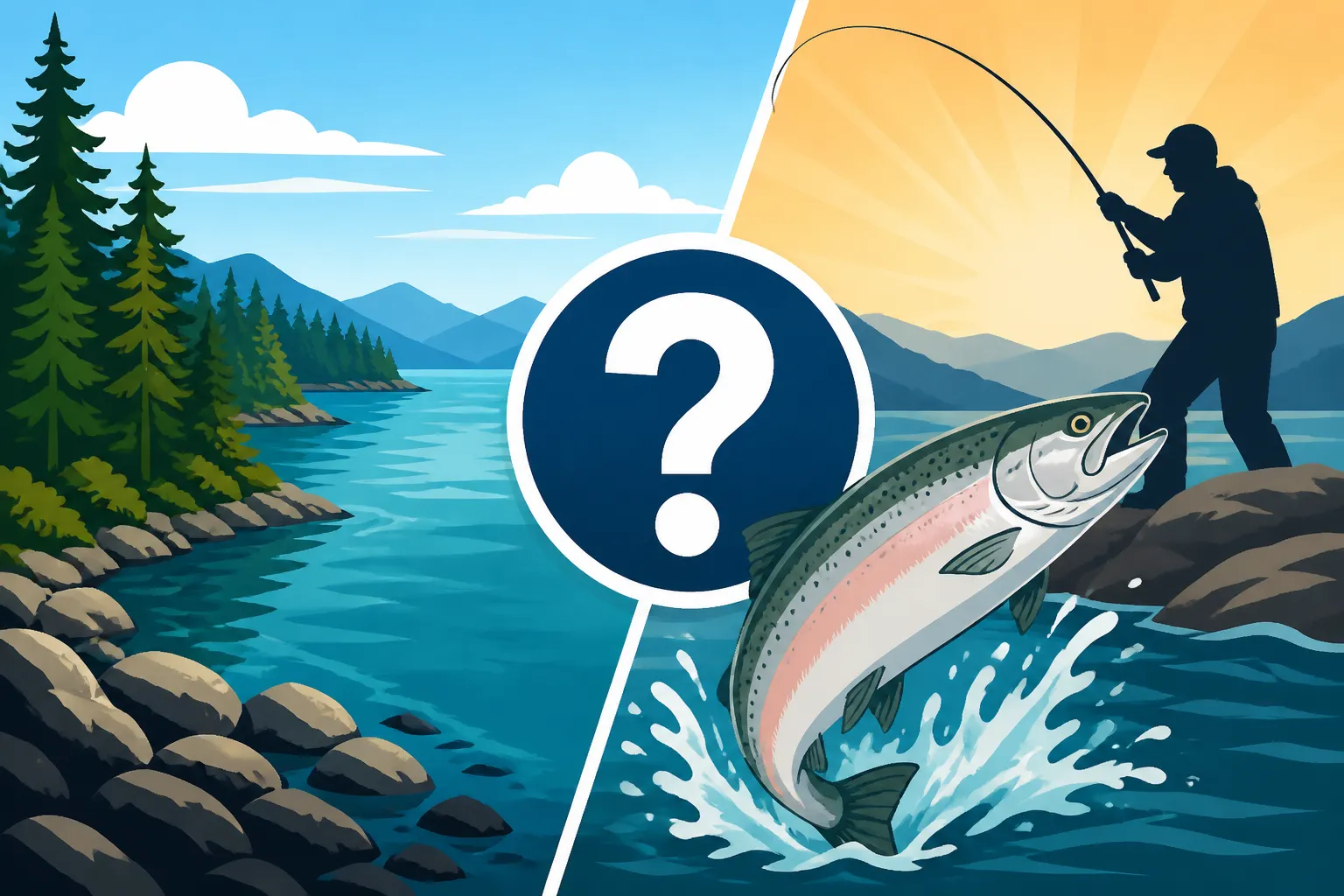
Oh, the dream of strolling along the shore, casting a line, and reeling in a feisty salmon, especially in a picturesque place like Hood Canal! It's a vision many anglers share, and honestly, the thought of landing a chrome bright fish without the hassle and expense of a boat is incredibly appealing. But let's be real: shore-based salmon fishing, especially in a unique body of water like Hood Canal, comes with its own set of challenges and triumphs. It's not always as simple as tossing a lure and getting a bite, but with the right knowledge, gear, and a healthy dose of patience, it’s absolutely possible to experience the thrill. This guide will dive deep into whether Hood Canal is truly good for shore-based salmon fishing, what to expect, and how to maximize your chances of success.
Understanding Hood Canal's Unique Salmon Dynamics for Shore Anglers
Hood Canal is a fascinating and often frustrating body of water for anglers. It's not your typical Puget Sound marine area, nor is it a river. This deep, narrow fjord, carved by glaciers, presents some very specific conditions that impact how salmon behave and, consequently, how accessible they are from shore.
The Challenges of Deep Water Access from Shore
One of the biggest hurdles for shore-based salmon fishing in Hood Canal is its incredible depth, often right off the bank. Unlike many shallow bays or estuaries where salmon might cruise closer to the shoreline, Hood Canal drops off dramatically in many places. Think of it like a giant bathtub with very steep sides. Salmon, particularly larger Chinook and even many Coho, tend to travel and feed in deeper water, often in the main channels or along shelves that are simply out of casting range for the average shore angler.
This means you're not just competing with other anglers; you're often competing with the sheer geography of the place. You might be standing on a rocky beach, casting your heart out, while the schools of salmon are comfortably hugging the contours of a underwater canyon a hundred yards out. It’s a classic case of "fish are there, but I can't reach them." This isn't to say it's impossible, but it demands a different strategy than, say, targeting salmon in a shallower river mouth. The water conditions can also change rapidly with tides, influencing where baitfish are concentrated and, by extension, where salmon might decide to feed closer to shore.
Salmon Species and Their Shore-Based Habits in Hood Canal
While the deeper, migratory salmon might be a challenge, Hood Canal does offer opportunities for specific species more prone to cruising the shallows or being pushed into accessible areas.
- Resident Coho (Blackmouth): These are often the bread and butter for Hood Canal shore anglers. Unlike the larger, ocean-migratory Coho that primarily return to rivers to spawn, resident Coho — often called "blackmouth" in their immature stage – live their entire lives within Puget Sound and its arms like Hood Canal. They are opportunistic feeders and frequently come into shallower waters to chase baitfish, especially during low light conditions or when bait is driven to the surface. You can find information on specific seasons and habits in our guide on when Coho Salmon Run in Washington. These fish are typically smaller than their ocean-going cousins, but they are aggressive, feisty, and make for excellent table fare.
- Chum Salmon: Hood Canal is famous for its massive Chum salmon runs, particularly in the fall. While many of these fish are headed for rivers like the Skokomish, some will stage in the deeper parts of the Canal before making their final push. When they are thick in certain areas, particularly near river mouths or along current seams, they can sometimes be intercepted from shore. However, Chum salmon are notoriously difficult to entice with lures or bait once they've entered freshwater or are actively staging to spawn. Our guide on when Chum Salmon Run in Washington Rivers provides more detail on their behavior.
- Pink Salmon (Humpies): During odd-numbered years, Hood Canal can see significant runs of Pink salmon. Like Chum, they can be found in large numbers and sometimes come within casting range, especially near river mouths or points. They are generally more aggressive biters than Chum, often hitting small spoons or flies.
- Chinook Salmon: While Chinook salmon, often called "Kings," are present in Puget Sound, they are less commonly targeted from shore in Hood Canal. They prefer deeper water and larger baitfish, making them a rare catch for shore anglers here. If you're specifically after Chinook, you're usually better off with a boat, trolling at depth. For more on these magnificent fish, check out our piece on Chinook Salmon: Washington's King of Fish.
So, while the dream of a huge Chinook from shore might be a long shot, the reality of hooking into a plump resident Coho or even a feisty Pink or Chum during their runs is much more attainable. It’s all about managing expectations and understanding the target species.
Prime Shore-Based Salmon Fishing Locations in Hood Canal
Finding the "perfect" spot for shore-based salmon fishing in Hood Canal means looking for specific geographic features that overcome the depth challenge. You're searching for areas where the salmon's deep-water habitat comes closer to the shore, or where currents concentrate baitfish and, by extension, salmon.
Public Access Points with Salmon Potential
While much of Hood Canal is private property, there are several public access points that offer opportunities for shore anglers. Keep in mind that "good" is relative, and success often hinges on timing and conditions.
- Twanoh State Park (Hood Canal East Shore): This state park offers a decent stretch of public beach and a boat launch. While it's popular for crabbing and clamming, it can also produce resident Coho, especially in the early mornings or late evenings when they might be cruising the shallows. The area around the dock and where the creek empties can be particularly productive after a rain or during strong tidal exchanges. The depth isn't immediate here, but there are areas where currents can push baitfish.
- Hoodsport (Hood Canal West Shore): Near the town of Hoodsport, especially around the public pier and nearby shorelines, you might find opportunities. This area is close to the mouth of the Skokomish River, which sees strong salmon returns. While most fish here are staging for the river, some resident Coho or even a stray Chum might be within casting distance, particularly during peak fall runs. The pier offers better depth access than a flat beach.
- Belfair State Park (North Hood Canal): Located at the very northern tip of Hood Canal, Belfair is at the mouth of the Union River. This estuary-like environment can be excellent for Chum and Pink salmon when they are running hard in odd years. The water here is shallower, and salmon preparing to enter the river will often mill about, making them more accessible to shore anglers. However, regulations can be very specific here, so always check the WDFW pamphlet.
- Potlatch State Park (Hood Canal West Shore): Similar to Hoodsport, Potlatch State Park offers some public access and is also near a river mouth (Skokomish River). When salmon are staging, especially Chum, there's a chance to intercept them. The key is to look for areas with current or structure that might hold fish.
- Dosewallips State Park (Hood Canal West Shore): Further north, Dosewallips offers excellent camping and river access. While the river itself is regulated for salmon, the beach areas can sometimes yield resident Coho, especially where the river outflow creates a plume that attracts baitfish.
Remember, these are potential spots. Success often requires scouting, understanding the tides, and being present during peak activity. You can also research local fishing reports online, or consider a short guided trip through services like FishingBooker to get direct insights from local experts on the most productive shore spots.
Timing Your Shore Trips for Success
Timing is absolutely critical when you're fishing for salmon from shore in Hood Canal. It can often make the difference between a memorable day and a frustrating blank.
- Tides, Tides, Tides: Salmon, especially resident Coho, are highly influenced by tidal movement. Moving water often concentrates baitfish, and salmon follow their food. The incoming or outgoing tide (known as the "exchange") can be particularly productive. Look for periods of strong tidal flow around points or river mouths. Slack tide, when the water is still, often means slower fishing. Understanding the Best Tides for Puget Sound Salmon Fishing in Washington can really boost your chances.
- Time of Day: Just like many predators, salmon are often most active during low-light periods. Dawn and dusk are prime times for shore fishing. The reduced light often encourages baitfish to move shallower, and salmon will follow. Overcast days can extend these productive periods.
- Seasons:
- Resident Coho: These can be targeted almost year-round, though spring and fall often see increased activity as they mature.
- Chum Salmon: Fall (typically October-November) is prime time for Chum. While tough to catch, their sheer numbers mean a higher probability of success from shore during peak runs.
- Pink Salmon: Odd-numbered years in late summer (August-September) are when you'll find Pink salmon in Hood Canal. They are generally more aggressive than Chum and can provide excellent shore action.
- Migratory Coho: Late summer and fall (August-October) bring in the larger, ocean-run Coho, though these are typically targeted from boats. Still, some might cruise close enough to shore, especially near major river entrances.
Always double-check the Washington Fishing Regulations Every Angler Should Know for Hood Canal (Marine Area 12) before heading out, as seasons and rules can change frequently.
Essential Gear and Techniques for Hood Canal Shore Fishing
Since you're casting from shore and often trying to reach fish that are further out or in deeper water, your gear choices are paramount. You need equipment that can cast far, handle strong currents, and subdue a powerful salmon.
Rods, Reels, and Line for Reach and Power
Shore fishing for salmon is not the time for ultralight gear. You need a setup that offers both casting distance and the backbone to fight a strong fish, potentially through kelp or other structure.
- Rods: Look for spinning rods in the 9 to 10.5-foot range. A longer rod allows for greater casting distance, which is crucial in Hood Canal. The power should be medium-heavy to heavy, with a fast action tip. This combination gives you the leverage to cast heavy lures and the power to control a fighting salmon. Brands like Lamiglas, Shimano, or Daiwa offer excellent options in this category.
- Reels: Pair your long rod with a robust spinning reel in the 4000 to 6000 size range. It needs a smooth drag system and ample line capacity. Saltwater-rated reels are a good investment as they are built to withstand the corrosive marine environment.
- Line: Spool your reel with 20-30 lb braided mainline. Braid has superior casting distance due to its thinner diameter and no stretch, which gives you excellent sensitivity to detect subtle bites. Always tie on a 20-30 lb fluorocarbon leader (4-6 feet long) to your braid using an FG knot or similar strong knot. Fluorocarbon is nearly invisible in water and more abrasion-resistant, which is vital when fishing around rocks or against a salmon's rough mouth.
Productive Lures and Baits for Shore-Bound Salmon
The best lures and baits for shore-bound salmon in Hood Canal are those that mimic local baitfish, can be cast a good distance, and work effectively in varying depths.
- Spoons: Metal casting spoons are a workhorse for shore anglers. They cast like a bullet and have a fantastic fluttering action on the retrieve. Popular choices include:
- Buzz Bombs: These unique, weighted spoons wobble erratically on the retrieve and on the drop. They are excellent for getting depth quickly and imitating a dying baitfish. Sizes from 2-4 oz are good for distance.
- P-Line Lazer Minnows: These slender spoons have a tight wobble and mimic slender baitfish. Their aerodynamic shape helps them fly far.
- Kastmasters or Crocodiles: Tried and true, these offer good flash and vibration.
- Technique: Cast as far as you can, let it sink to your desired depth (counting it down helps), then retrieve with varying speeds, adding pauses or twitches to impart an erratic action.
- Twitching Jigs: These lead-head jigs with soft plastic or marabou tails are incredibly effective for Coho and often Chum. They are generally fished by casting out, letting them sink, then retrieving with a "twitch-twitch-pause" motion. This makes the jig dart and dance like a fleeing baitfish. Weights from 1/2 oz to 1 oz are common.
- Bobber and Jig/Shrimp: In areas with less current or when targeting salmon holding closer to structure, a bobber and jig or even a live/dead sand shrimp under a float can be effective. This allows your presentation to suspend at a specific depth for a longer period. This is a common method for Bank Fishing Techniques for Washington Salmon in many areas.
- Scent: Always apply a good quality scent like Pro-Cure Bait Sauce to your lures or baits. Salmon rely heavily on their sense of smell, and an added scent can often trigger a bite from a hesitant fish.
Remember, fishing from shore often means you have a limited "strike zone" you can effectively cover. Focus your efforts on areas where you see baitfish activity, diving birds, or where the current seems to be concentrating food.
Navigating Regulations and Maximizing Your Experience
Fishing in Washington, especially for salmon, comes with a complex set of regulations designed to protect wild stocks and ensure sustainable fisheries. Hood Canal is no exception, and in some ways, it's even more nuanced due to its unique ecosystem and salmon runs.
Understanding Hood Canal's Specific Fishing Rules
Before you even tie a knot, the first thing you need is a valid Washington Fishing License Guide for Nonresidents (or resident, depending on your status) and a Washington Catch Record Card. Without these, any salmon you catch is illegal. The validity period of your license is important, so ensure you understand your Washington Annual Fishing License Validity Period.
Hood Canal is primarily classified as Marine Area 12 by the Washington Department of Fish and Wildlife (WDFW). This means it has its own distinct set of regulations, which can differ significantly from adjacent marine areas or freshwater rivers.
- Emergency Rule Changes: This is where many anglers get tripped up. Washington's salmon fisheries are managed adaptively, meaning rules can change mid-season based on in-season run updates, escapement goals, and other biological factors. A river or marine area that was open yesterday might be closed today, or gear restrictions might be added. Our guide on Emergency Rule Changes: Why Washington's Rules Shift Mid-Season is a must-read. You absolutely must check the WDFW website for "Emergency Rules" before every single trip. This isn't optional; it's a legal requirement and the only way to stay compliant. There's even a specific section on Where to Find Current Washington Fishing Rules.
- Bag and Possession Limits: These are highly species-specific and can vary based on whether the fish is a hatchery (adipose fin-clipped) or wild fish. You need to know how to identify salmon species and whether they are hatchery or wild. Our guide on How Bag and Possession Limits Work in Washington provides a comprehensive overview.
- Size Restrictions: Minimum and sometimes maximum size limits apply to certain salmon species. Always carry a measuring tape.
- Gear Restrictions: This is crucial. In some areas or during certain times, only specific gear is allowed. Barbless hooks are often required for salmon and steelhead. Make sure you understand these before you cast out.
- Catch Record Cards: Any time you retain a salmon or steelhead, you must immediately record it on your Catch Record Card. Failure to do so can result in fines and penalties. Learn more in our article The Washington Catch Record Card and What It Requires.
Ignoring these rules isn't just risky; it can lead to hefty fines, confiscation of gear, and even loss of fishing privileges. When in doubt, call the WDFW enforcement office or check the most up-to-date regulations.
Safety and Etiquette for Shore Anglers
Being a responsible and safe angler makes the experience better for everyone.
- Tidal Awareness: Hood Canal has significant tidal swings. If you're fishing from a beach, be acutely aware of the incoming tide, especially if you walked around a point or over rocks that could become submerged, trapping you. Consult tide charts and keep an eye on the water level.
- Slippery Rocks: Many Hood Canal beaches are rocky and can be incredibly slick with seaweed or algae. Wear appropriate footwear with good traction. Wading boots or hiking boots with aggressive soles are a good idea. A wading staff can also provide extra stability.
- Private Property: A significant portion of Hood Canal's shoreline is privately owned. Respect private property signs and fences. Only access areas that are clearly designated as public access points. Trespassing is illegal and gives all anglers a bad name.
- Be Considerate: Public access points can get crowded, especially during good runs. Give other anglers ample space to cast and retrieve. Avoid walking directly in front of someone who is actively fishing. If you're setting up near others, a friendly nod or greeting goes a long way.
- Leave No Trace: Pack out everything you pack in, including any fishing line, bait containers, or food wrappers. Leave the area cleaner than you found it.
- Wildlife: Hood Canal is home to diverse wildlife. Give seals, sea lions, and marine birds their space. Never feed wild animals.
For those who want to expand their salmon fishing beyond shore, especially for larger Chinook or offshore Coho, considering a guided trip might be a good option. Websites like FishingBooker allow you to browse and book experienced Washington salmon charters, providing all the necessary gear and expertise to target fish in deeper waters. While it's not shore fishing, it can offer a different perspective and introduce you to the area's full potential.
Ultimately, while shore-based salmon fishing in Hood Canal might require a bit more effort and specific targeting, it's absolutely a viable and rewarding pursuit. It often comes down to dedication, understanding the nuances of the water, and knowing which species offer the best shore opportunities.
Recommended Shore Fishing Gear & Techniques for Hood Canal
| Category | Item/Technique | Description | Best For |
|---|---|---|---|
| Rod | Spinning Rod (9-10.5 ft) | Medium-heavy to Heavy power, fast action for long casts and fighting power. | Resident Coho, Chum, Pink Salmon |
| Reel | Spinning Reel (4000-6000 size) | Smooth drag, good line capacity, saltwater-rated. | All shore-based salmon |
| Mainline | 20-30 lb Braided Line | Thin diameter for casting distance, no stretch for sensitivity. | All shore-based salmon |
| Leader | 20-30 lb Fluorocarbon (4-6 ft) | Invisible underwater, abrasion-resistant. Connect to braid with FG or similar strong knot. | All shore-based salmon |
| Lures | Buzz Bombs (2-4 oz) | Weighted metal jig with erratic flutter on retrieve and drop. Excellent for depth. | Resident Coho, Pink, occasional Chum |
| Lures | P-Line Lazer Minnows | Slender casting spoons with a tight wobble, good for distance and imitating baitfish. | Resident Coho, Pink |
| Lures | Twitching Jigs (1/2 – 1 oz) | Lead-head jig with soft plastic or marabou tail. Fished with a "twitch-twitch-pause" retrieve. | Resident Coho, Chum |
| Bait | Sand Shrimp (under float) | Can be effective in areas with less current or when fish are holding close to structure. | Resident Coho, Chum |
| Scent | Pro-Cure Bait Sauce | Apply to all lures and baits to add an olfactory attractant. | Enhances all lure/bait effectiveness |
| Technique | Cast & Retrieve | Vary retrieve speed, add pauses and twitches. Allow lures to sink to different depths. | Spoons, Lazer Minnows, Twitching Jigs |
| Technique | Bobber Fishing | Suspend bait or small jigs at a set depth. Best in calmer water or near structures. | Resident Coho, Chum (if biting) |
| Timing | Moving Tides | Incoming or outgoing tides with strong current are often most productive, especially around points or river mouths. | All salmon species |
| Timing | Dawn & Dusk | Low light conditions often bring salmon closer to shore to feed. | All salmon species |
| Safety | Check WDFW Regulations | Crucial for emergency rule changes, bag limits, and gear restrictions specific to Marine Area 12. | Legal compliance, avoiding fines |
| Safety | Tide Charts & Footwear | Be aware of tidal swings and wear grippy, waterproof footwear for slippery rocks. | Personal safety |
| Etiquette | Respect Property & Other Anglers | Avoid trespassing and give fellow anglers space. Leave no trace. | Positive fishing experience for all |
Disclaimer
Fishing regulations, seasons, and access can change. Always consult the official Washington Department of Fish and Wildlife (WDFW) regulations, emergency rule updates, and local signage before heading out on any fishing trip. This guide is for informational purposes only and does not constitute legal advice or an exhaustive list of all rules and regulations.