How Rain Affects Fishing on the Hoh River
The Hoh River, flowing through Washington's stunning Olympic Peninsula, is a true gem for anglers, yet it's also a river that keeps you on your toes. One of the biggest questions and sources of frustration for anyone planning a trip there is, "How does rain affect the fishing?" It’s a valid concern, as the persistent drizzle and heavy downpours characteristic of the Pacific Northwest rainforest can transform the river in a heartbeat. This guide will walk you through the intricate dance between rain and the Hoh River, helping you understand how to adapt your strategies and still find success, even when the skies open up.
The Hoh River's Unique Relationship with Rain
The Hoh isn't just any river; it's a dynamic system deeply intertwined with the weather patterns of the Olympic Mountains. Understanding this relationship is crucial for any angler hoping to master its waters.
Understanding the Hoh's Temperament
The Hoh River originates high in the Olympic Mountains, fed by glaciers and countless tributaries as it carves its way through the lush Hoh Rainforest before emptying into the Pacific Ocean. This unique geography makes it incredibly sensitive to precipitation. Unlike some rivers fed by large lakes that can buffer changes, the Hoh's watershed is relatively steep and drains quickly. When rain falls, especially in the higher elevations, that water makes its way into the main stem rapidly.
This means the Hoh can rise and fall much faster than many other rivers, often changing dramatically overnight or even within a few hours during a heavy storm. Its glacial origins also contribute to its often milky, turbid appearance, even on clearer days, as it carries fine silt from the glaciers. This natural turbidity is an important baseline to consider when assessing how much rain-induced murkiness is present. Anglers coming from areas with more stable river systems might find this unpredictable nature frustrating, but it’s simply the Hoh showing its true character. Learning to read these changes is part of the challenge and reward of fishing this iconic river.
The Impact of Different Rain Scenarios
Not all rain is created equal, and its effect on the Hoh River can vary wildly depending on its intensity and duration. A light, gentle drizzle over a few hours is a completely different beast than a prolonged, heavy downpour that lasts for days.
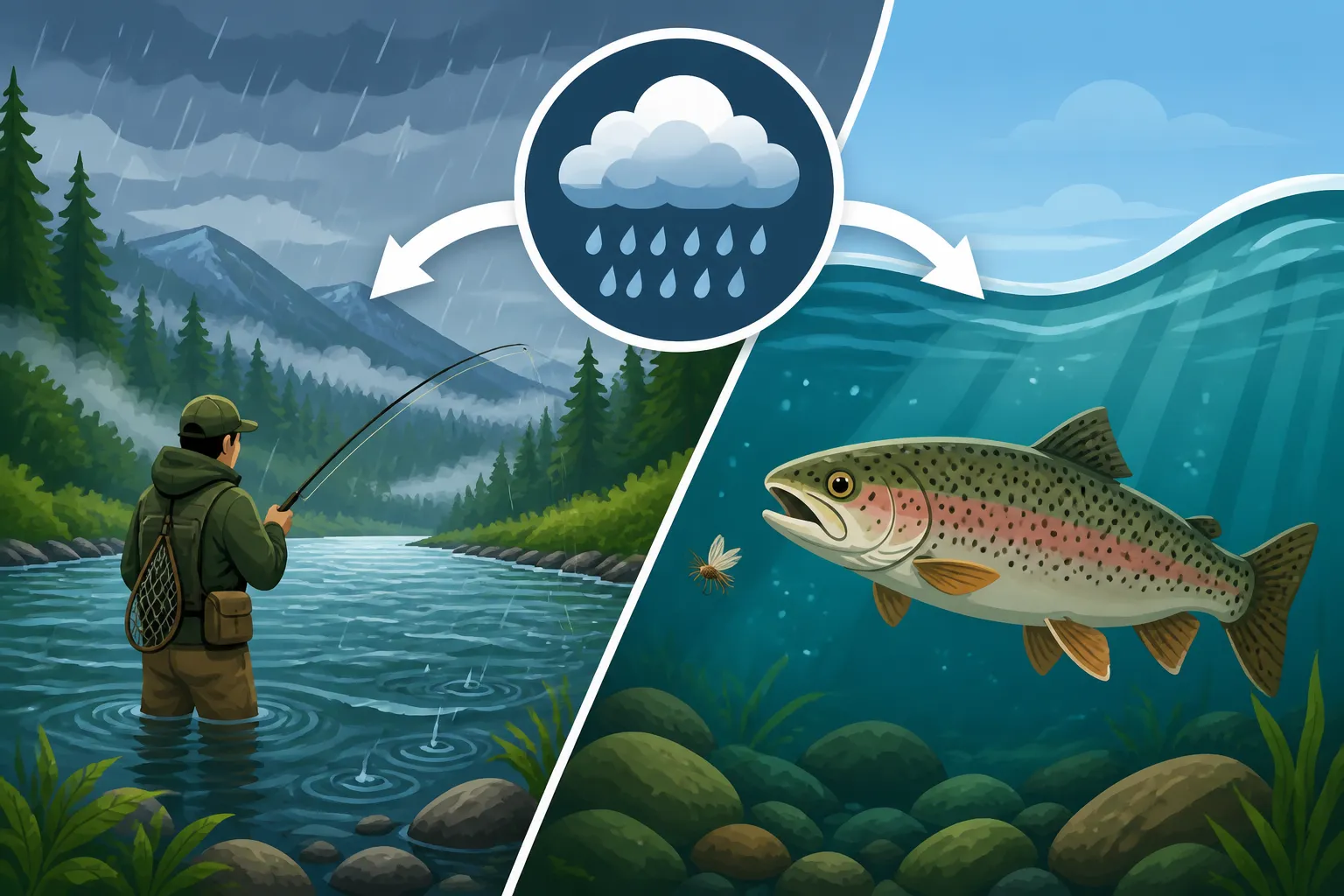
A light rain, often referred to as a "freshet," can actually be a fantastic thing for fishing on the Hoh. This gentle increase in flow dislodges insects and other food sources from the banks, sending them tumbling downstream and encouraging fish to feed more actively. The slight increase in water height and the surface disturbance from the rain also provide a bit of natural camouflage, making fish feel more secure and less wary of anglers on the bank or in a drift boat. The water might get a little "stained" – a slight tea color or increased turbidity – which can further improve fishing by reducing visibility for the fish, making them less likely to spook and more willing to strike at a presented lure or bait. During these times, the river can truly come alive, offering some of the best fishing opportunities.
Conversely, a heavy, prolonged rain event, especially when combined with melting snow at higher elevations, can quickly turn the Hoh into a raging torrent. The river can swell to dangerous levels, carrying significant amounts of debris like logs and branches. The water clarity can drop to near zero, often described as "chocolate milk," making it nearly impossible for fish to see your presentation. These are what we call "blown-out" conditions. In such scenarios, fishing becomes incredibly challenging, if not entirely impossible or even unsafe. The river might stay blown out for several days, or even a week, after the rain stops, slowly dropping and clearing as the massive volume of water drains from the watershed. Understanding these extremes helps you anticipate the river's mood and plan your trip accordingly.
Adapting Your Approach to Rising Water and Clarity
The key to successful fishing on the Hoh when rain is a factor is adaptation. You can't fight the river; you have to work with it. This means paying close attention to river conditions and being willing to change your tactics.
Reading the River: Water Level and Color
Before you even make your first cast, you need to become a detective of the river. The most critical pieces of evidence are water level and color. For water levels, checking online resources like the USGS stream gauge for the Hoh River near Spruce is invaluable. This real-time data will show you the current flow (measured in cubic feet per second, or cfs) and gauge height, along with a trend graph indicating if the river is rising, falling, or stable. A rapidly rising graph often spells trouble, while a slowly falling or stable one, especially after a rise, can signal improving conditions.
Visually, watch for cues directly on the river. Is the bank being eroded? Are there fresh lines of debris higher up on the banks than before? Is the water visibly flowing faster? As for color, observe the clarity. Is it clear enough to see a few feet down, or is it opaque? The "stained" or "green water" color, which often accompanies a gentle rise or fall, is usually ideal. It’s slightly off-color, perhaps a murky green or light tea color, indicating enough turbidity to offer fish comfort without completely hindering their ability to see. If it looks like chocolate milk, you're likely in a full-blown "blown-out" situation, where success will be minimal. Being able to read these signs accurately will tell you whether it's worth fishing at all, and if so, how to adjust your methods.
Gear and Technique Adjustments for Rainy Conditions
When the Hoh starts to rise and lose some clarity due to rain, your typical clear-water tactics often won't cut it. It's time to make some significant adjustments to your gear and presentation.
First, increase your weight. The higher, faster water requires heavier lead or larger sinkers to get your presentation down to where the fish are holding, which is often deeper and closer to the bottom in these conditions. Fish will expend less energy fighting the current and will typically hug the bottom or sit in slower seams and eddies.
Next, think about color and profile. In diminished visibility, fish rely more on scent and contrast. Brighter, more fluorescent colors like chartreuse, hot pink, and vibrant orange become highly effective. These colors stand out better in murky water. Consider using larger profile baits or lures as well. A bulkier roe bag, a larger yarnie, or a bigger spoon or spinner can create more vibration and a more noticeable silhouette, making it easier for fish to detect.
Your presentation needs to slow down. Fish are less likely to chase in fast, turbid water. A slower drift, allowing your bait to tumble naturally at the fish's level, is often more effective. This might mean adjusting your leader length or using a different float setup if you're float fishing. Focus on drift fishing for steelhead in Washington rivers, allowing your presentation to bounce along the bottom in a controlled manner.
Finally, re-evaluate where you're fishing. The main current lines can be too fast and turbulent. Instead, target the softer water: eddies, current seams where fast water meets slow, bank runs, and the inside bends of the river. Fish will seek refuge from the strong current in these calmer areas. Getting closer to the bank, sometimes just a few feet from shore, can be incredibly productive, as fish will move out of the heavy current to conserve energy. For insights on navigating these challenging conditions, you might find valuable advice from guides listed on platforms like FishingBooker, who have extensive experience adapting to the Hoh's moods.
Safety First: Navigating a Swollen Hoh
While the excitement of potentially hooking a big steelhead or salmon is undeniable, safety must always be your paramount concern when fishing a rain-swollen Hoh River. These conditions can be incredibly dangerous, even for experienced anglers.
The most immediate danger is the strong current. What might be a moderate flow on a clear day can become a raging torrent after heavy rain. Wading into these conditions is extremely risky. Even shallow water can sweep you off your feet if the current is powerful enough, and the riverbed can become unstable and unpredictable with shifting gravel and debris. Always wear a well-fitting personal flotation device (PFD) if you are wading or fishing from a boat, no matter how confident you are in your swimming abilities. It could be the difference between life and death.
Submerged obstacles are another major hazard. High water can cover logs, rocks, and other debris that would be visible in normal flows. Stepping onto a submerged log or getting caught on a snag by your line can quickly lead to a dangerous situation. Be extremely cautious where you wade, and if in doubt, don't go there.
Slippery banks and muddy trails are also common after rain. The rainforest environment means vegetation can be dense and the ground slick, increasing the risk of slips and falls. Wear appropriate footwear with good traction, and always watch your footing. If you're fishing from a boat, be aware of increased debris in the water, which can pose a threat to your propeller or hull.
Ultimately, knowing when to call it a day is a sign of a truly smart angler. If the river is rising rapidly, the water is completely opaque, or you feel uncomfortable with the conditions, it's always best to pack it in and wait for safer, more fishable conditions. There will always be another day to fish. Remember, What to Check Before Every Washington Fishing Trip always includes assessing safety.
Prime Fishing Windows Around Rain Events
Despite the challenges, rain on the Hoh isn't always a bad thing. There are specific windows of opportunity that can provide some of the most memorable fishing experiences.
The "Green Water" Sweet Spot
Experienced Hoh River anglers know that the period following a significant rain event, when the river is dropping and just beginning to clear, often presents the "green water" sweet spot. This is when the river has transitioned from a chocolate milk color to a slightly off-color, murky green or tea stain, but is still significantly higher and faster than its low-water summer levels. It's truly a magical time, and often produces some of the best fishing for Steelhead: Washington's Ocean-Run Rainbow Trout and salmon.
During this phase, several factors align to create ideal conditions. The water level is often still elevated, which brings fish into areas they wouldn't normally hold, such as shallower margins and softer pockets closer to the bank. The decreased clarity provides excellent cover for these powerful anadromous fish, making them feel bolder and more likely to strike aggressively. They've had a chance to rest after the initial high-water surge but are now ready to feed again. For anglers, this means you can often get away with slightly heavier leaders and less stealth than you might need in gin-clear conditions. It's a window of opportunity that seasoned anglers on the Washington's Olympic Peninsula Rivers eagerly await, and learning to identify it is a skill that will dramatically improve your success.
Fishing During Light Rain
While heavy rain can shut things down, a gentle, persistent drizzle or light rain can actually enhance fishing, especially for steelhead. It creates a subtle but beneficial change in the river environment.
The main advantage is the increased surface disturbance. This breaks up the smooth surface of the water, making it harder for fish to see you on the bank or in a boat. It acts as natural camouflage, allowing you to approach fish-holding lies more stealthily. For fish, it can make them feel more secure and less prone to spooking, potentially encouraging them to move into shallower feeding lanes.
Light rain also often coincides with a slight increase in flow and a subtle drop in water temperature, which can invigorate fish. It can dislodge terrestrials and aquatic insects from the bank, washing them into the river and stimulating a feeding response. Many anglers find that fish are more aggressive and willing to chase lures or take bait during these conditions. If you're geared up with the Rain Gear You Need for Winter Steelheading, a day of light rain can be one of the most comfortable and productive times to be on the water, offering a peaceful and rewarding experience.
Post-Flood Opportunities
After a major flood event on the Hoh, when the river has been completely blown out and deemed unfishable for days, patience is a virtue. But once the river begins its gradual drop and slow clearing process, new opportunities emerge. This isn't the same as the "green water" sweet spot; this is a longer recovery phase where the river system is recalibrating.
As the massive volume of water recedes, fish that were pushed into extreme slack water or deep pockets begin to redistribute themselves throughout the river. They'll start to re-establish their lies in more traditional holding water as the current speeds stabilize and clarity slowly improves. The water might still be quite high, but the heavy debris flows will have largely subsided, and the color will be improving from opaque to a darker stain.
Your strategy here involves targeting specific features: the seams on the edges of main current, the tailouts of larger pools, and behind significant structure where the current is broken. These are the places where fish will first congregate. Anglers who are willing to wait out the worst of a flood and then hit the river during this post-flood drop can be rewarded with aggressive fish that haven't seen a presentation in a while. It's a time for diligent scouting and adapting to conditions as they literally change hour by hour. This is where understanding How Water Clarity Affects Steelhead Fishing becomes paramount.
Tools and Resources for Tracking Hoh River Conditions
Success on the Hoh River, especially when rain is in the forecast, heavily relies on being well-informed. You need real-time data and local insights to make smart decisions.
Real-Time River Data
The internet has revolutionized how anglers can monitor river conditions, and for a river as dynamic as the Hoh, these tools are indispensable. Your go-to resource should be the USGS stream gauge data. Specifically, look for the "Hoh River near Spruce" gauge, as this provides real-time information on water flow (cfs) and gauge height. The graphs will show you historical data and current trends, allowing you to see if the river is rising rapidly, slowly dropping, or holding steady. A sudden spike in cfs after heavy rain or a steady decline after a flood are crucial indicators.
Beyond the USGS, the Washington Department of Fish and Wildlife (WDFW) often provides updates and forecasts on river conditions, particularly during critical seasons. While they might not offer minute-by-minute data like the USGS, their reports can give you a broader picture of fishing prospects. Local tackle shops, like Forks Outfitters in the nearby town of Forks, are also incredible repositories of current information. Many shops maintain their own websites or social media pages where they post daily updates on river conditions, water clarity, and recent catch reports. A quick call or check of their online presence can save you a wasted trip. For example, knowing When the Hoh River's Winter Steelhead Season is peaking makes these checks even more vital.
Weather Forecasts and Local Knowledge
While stream gauges tell you what the river is doing, weather forecasts tell you what it will do. Combining both is the ultimate strategy for planning a successful trip around rain. Don't just look at a general regional forecast; seek out detailed, hourly forecasts for the Olympic Peninsula, specifically for the Hoh River watershed. Pay attention to predicted rainfall amounts, duration, and the elevation of the snowline. Heavy rain coupled with a rising snowline means potential for a rapid and significant rise in the river.
Beyond technical data, there's no substitute for local knowledge. Guides who spend countless days on the Hoh River, year after year, possess an intuitive understanding of how the river behaves under different conditions. They know the subtle signs, the specific spots that hold fish during a rise, and when it's genuinely unsafe or unfishable. Before heading out, consider connecting with a local guide, perhaps through a platform like FishingBooker. They can offer invaluable insights, confirm current conditions, and even suggest alternative locations if the Hoh is truly blown out. Many guides are happy to share general information, and for a challenging river like the Hoh, their expertise is worth its weight in gold. Sometimes, even if you don't book a trip, their perspective can help you avoid a frustrating and unproductive day on the water.
Hoh River Conditions and Fishing Outlook
| Rain Intensity | River Condition (Typical) | Water Clarity (Typical) | Fishing Outlook | Recommended Approach |
|---|---|---|---|---|
| Light Drizzle | Stable to Slight Rise (Freshet) | Clear to Slightly Stained | Excellent to Good | Standard techniques, subtle colors, focus on natural drifts. Fish often more active. |
| Moderate Rain | Moderate Rise, Increasing Flow | Stained to Green Water | Good to Fair (Green Water Sweet Spot) | Heavier weights, brighter colors (chartreuse, pink), larger baits/lures. Target seams, eddies, slower water. |
| Heavy/Prolonged Rain | Rapid Rise, High Flow, Debris | Chocolate Milk (Blown Out) | Very Poor to Unsafe | Avoid fishing. Dangerous conditions, fish unlikely to bite. Prioritize safety. |
| Post-Rain Drop (Initial) | Falling Water Level, Still High | Dark Stain to Murky | Fair to Good (as clarity improves) | Heavy weights, bright colors. Target pockets, slower runs, re-establishing lies. Patience is key. |
| Post-Rain Drop (Clearing) | Stable to Slow Drop, Returning to Normal | Green Water to Clear | Excellent to Good (Green Water Sweet Spot again) | Adapt as clarity improves – lighter leaders, more natural colors, varied presentations. Fish become more accessible. |
Disclaimer: Fishing conditions on the Hoh River are subject to rapid change. Always consult the latest WDFW regulations and local advisories before planning your trip. Be mindful of river safety and personal limitations.