Can You Fish From a Kayak on Lake Washington?
The thought of getting out on Lake Washington in a kayak, casting a line, and enjoying the tranquility away from crowded shorelines or expensive boat launches sounds absolutely idyllic, doesn't it? But then the questions start bubbling up: Is it even allowed? Is it safe with all those big boats zipping around? What can you even catch from a kayak out there? It’s a completely valid set of concerns that can make a seemingly simple idea feel overwhelming. This guide is here to untangle all those questions and give you a comprehensive look at what it really takes to successfully and safely fish from a kayak on Lake Washington, so you can stop wondering and start paddling.
Kayak Fishing on Lake Washington: A Resounding Yes with Caveats
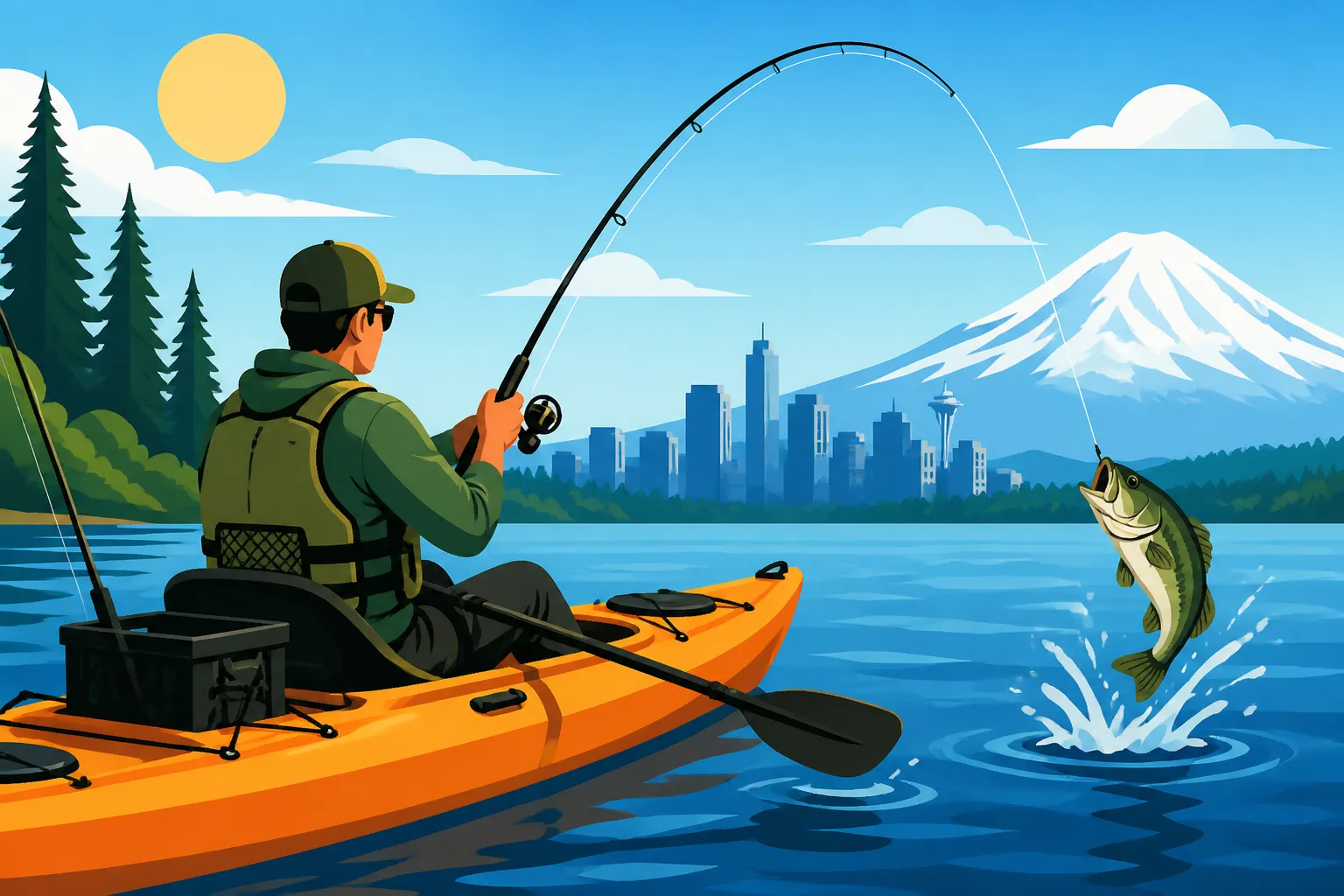
Absolutely, you can fish from a kayak on Lake Washington! In fact, it's becoming an increasingly popular way for anglers to access prime fishing spots that might be unreachable from shore or too expensive to get to with a full-sized boat. Lake Washington offers a fantastic urban fishery, and a kayak provides a unique, intimate perspective of its waters. However, it's not quite as simple as just throwing your kayak in the water and hoping for the best. There are important considerations for safety, local regulations, and the types of fish you'll be targeting.
The beauty of kayak fishing lies in its simplicity and accessibility. You don't need a huge truck to tow a boat, nor do you have to deal with the hassle and cost of launching at crowded ramps. Many anglers find the quiet, stealthy approach of a kayak allows them to get closer to fish without spooking them, especially in shallower bays or along weed lines. Imagine paddling silently into a serene cove as the sun rises, casting your line where bigger, noisier boats can't go. That's the allure of kayak fishing here. Just remember that while you might be silent, you're not invisible, and sharing the water means being aware of other users.
While the "can you" is an easy yes, the "should you" comes with a few more points to ponder. Lake Washington is a large, urban lake, susceptible to winds that can whip up chop quickly, and it's heavily trafficked by everything from small pleasure craft to large yachts. This means your personal safety gear, awareness, and choice of kayak are paramount. But with proper planning and preparation, a kayak can unlock incredible fishing opportunities, letting you explore the vastness of the lake in a way few other vessels can. You can find more general information about diverse fishing opportunities by checking out guides like The Best Places to Fish in Washington State to broaden your perspective on the region's offerings.
Why Choose a Kayak for Lake Washington?
Opting for a kayak on Lake Washington comes with a surprising number of benefits that make it a compelling choice for many anglers. First and foremost is the cost factor. Compared to purchasing, maintaining, and fueling a powerboat, a fishing kayak is a significantly smaller investment. This makes the sport accessible to a wider range of people who might not have the budget or storage space for a traditional fishing boat. You can often transport a kayak on the roof of most vehicles, eliminating the need for a trailer.
Beyond the economics, kayaks offer unparalleled access to specific types of water. Shallow coves, lily pad fields, and tight shoreline structures that would be off-limits to larger boats become prime hunting grounds for a kayak angler. This stealthy approach often translates to more bites, as you're not disturbing the fish with engine noise or large wakes. The quietness also enhances the overall experience, allowing you to truly connect with nature, even within the bustling Seattle metropolitan area. It’s a unique blend of urban convenience and wilderness immersion.
Finally, the physical activity and health benefits are a huge draw for many. Paddling a kayak is a fantastic full-body workout that combines cardio with core and upper body strength. It’s a way to enjoy the outdoors, stay active, and pursue your passion for fishing all at once. Plus, the sense of accomplishment you get from paddling to a secret spot and catching a fish you worked for is incredibly rewarding. Just remember, a good fishing session from a kayak might involve a fair bit of paddling, so make sure you're up for the workout!
Understanding Lake Washington's Unique Kayak Challenges
Lake Washington, while beautiful and accessible, presents some distinct challenges for kayak anglers that are important to acknowledge and prepare for. Its sheer size means that weather conditions can change rapidly. A calm morning can quickly turn into a windy afternoon with significant chop, making paddling difficult and potentially dangerous, especially for smaller or less stable kayaks. Large wakes from powerboats are another constant concern, capable of easily capsizing an unsuspecting kayaker. Always stay vigilant and be prepared to brace for impact.
The busy nature of the lake also means you’re sharing the water with a diverse group of users, from rowers and paddleboarders to jet skis and luxury yachts. This high traffic requires a heightened sense of situational awareness. You are a small vessel, and it’s up to you to make yourself visible and understand right-of-way rules to avoid collisions. This often means staying closer to shorelines or seeking out less-trafficked areas, particularly during peak boating season.
Lastly, the depth and structure of Lake Washington can be challenging for certain types of fishing from a kayak. While the shallower coves are great for bass, reaching deeper trout or salmon sometimes requires specialized gear like downriggers that can be awkward to operate from a small, unstable platform. Knowing your target species and adjusting your expectations, or your gear, accordingly is crucial for a successful outing. For specific insights into regulations, understanding Fishing From Boats vs Banks: Different Rules can provide context for how your vessel choice impacts your approach.
Essential Gear and Safety for Kayak Fishing
Successfully and safely fishing from a kayak on Lake Washington demands more than just a paddle and a fishing rod. You need to be properly equipped for both angling and, more importantly, for safety on a large body of water. Think of your gear as your portable fishing station and your lifeline, all rolled into one. Neglecting safety gear, especially, is not just risky, it can be life-threatening on a lake as dynamic as Lake Washington.
First off, your kayak itself needs to be suitable. While any kayak can technically be used, a dedicated fishing kayak offers features like increased stability, rod holders, comfortable seating for long hours, and ample storage for tackle and a cooler. Sit-on-top kayaks are often preferred for fishing due to their ease of re-entry should you capsize, and their open deck space. Beyond the vessel, personal flotation devices (PFDs) are non-negotiable and legally required. You should wear it, not just have it stowed. A whistle, a bright flag or light for visibility, and a marine radio or fully charged cell phone in a waterproof bag are also crucial.
Then there's the fishing tackle. What you bring depends on what you're targeting. For bass in the shallower areas, a medium-light spinning rod with topwater lures, soft plastics, or crankbaits will serve you well. For trout, light spinning gear with small spoons, spinners, or bait under a bobber is effective. Remember, space is at a premium in a kayak, so be selective and efficient with your tackle. Bringing a small tackle box with essential lures and tools is often better than hauling a huge one.
Choosing the Right Kayak for Lake Washington
When it comes to selecting a kayak for fishing on Lake Washington, stability and functionality are key. Forget the sleek, fast touring kayaks; what you really want is a fishing-specific model. These boats are designed with a wider beam and often a pontoon-style hull, making them much more stable, which is crucial when casting, landing fish, or rummaging through your tackle. The last thing you want is to feel like you're going to tip over every time you shift your weight.
Sit-on-top kayaks are overwhelmingly the preferred choice for kayak fishing. They are incredibly user-friendly, especially if you're new to the sport. If you do happen to capsize, getting back on a sit-on-top is usually a much simpler affair than re-entering a sit-in kayak in open water. Many models also offer raised seating, which can significantly improve comfort for long fishing sessions and provide a better vantage point for spotting fish. Brands like Hobie, Old Town, and Perception are popular choices among serious kayak anglers, offering features like pedal drives for hands-free propulsion, integrated rod holders, and extensive storage.
Consider the length and weight of the kayak as well. Longer kayaks generally track better and are faster, which can be beneficial on a large lake like Washington, especially if you need to cover significant distances. However, they are also heavier and harder to transport and launch solo. A good balance for Lake Washington might be a kayak in the 10 to 14-foot range. Before making a purchase, it's highly recommended to try out a few different models, perhaps through a rental, to see what feels most comfortable and stable for you.
| Kayak Type | Pros for Lake Washington Fishing | Cons for Lake Washington Fishing | Ideal Target Species/Areas |
|---|---|---|---|
| Sit-on-Top | Highly stable, easy re-entry, ample deck space, good for standing | Can be slower, heavier, you get wet (exposed to elements) | Bass, panfish in coves; trolling for trout in calmer waters |
| Sit-in (Recreational) | Lighter, faster, keeps you dry, good for smaller anglers | Less stable, difficult re-entry, limited deck space, harder to cast | Trout, panfish in calm coves; short trips |
| Pedal-Drive | Hands-free propulsion, excellent for trolling, very stable, comfortable | Expensive, heavy, more complex maintenance, can get snagged in weeds | Bass, trout, especially when covering distance or trolling |
| Inflatable | Portable, lightweight, easy storage | Less stable, susceptible to punctures, slower, difficult to paddle in wind | Best for very calm days, short trips, or hard-to-access spots |
Essential Safety Practices for Kayak Anglers
Safety must be your absolute top priority when kayak fishing on Lake Washington. This isn't just a suggestion; it's a necessity given the potential hazards of a large, busy lake. Always, and I mean always, wear your personal flotation device (PFD). It’s not a fashion statement; it’s a life-saving device. Even if you’re a strong swimmer, a sudden capsize in cold water or if you're knocked unconscious means your PFD is your only chance.
Visibility is another critical safety measure. You are a small object on a vast expanse of water. Brightly colored kayaks and PFDs help, but consider adding a safety flag or a bright 360-degree light, especially if you're out during dawn, dusk, or in low light conditions. Keep an eye on the weather forecast and be prepared for sudden changes. Lake Washington can go from glassy calm to whitecaps in a matter of minutes if the wind picks up. If the forecast looks iffy, postpone your trip. Remember, no fish is worth risking your life. For comprehensive safety tips, especially regarding other vessels, consider resources on Fishing From Boats vs Banks: Different Rules to enhance your understanding of waterway etiquette.
Finally, communicate your plans. Let someone know where you're going, your planned route, and when you expect to return. Carry a fully charged cell phone in a waterproof case, and ideally, a marine-band VHF radio for emergency communication. Know how to self-rescue in case of a capsize. Practice re-entering your kayak in shallow water so you’re prepared if it happens further out. Taking these precautions might seem excessive, but they are standard for responsible open-water kayak angling.
What You Can Catch and How to Target Them from a Kayak
Lake Washington is a surprisingly diverse fishery, offering opportunities for both warm-water and cold-water species. From the feisty largemouth and smallmouth bass lurking in the shallows to the elusive cutthroat and rainbow trout in deeper waters, and even the occasional salmon when they make their way in, there’s plenty to target. The key to success from a kayak is understanding where these fish live and adapting your techniques to your mobile, low-profile platform.
For bass anglers, the lake's abundant docks, fallen trees, and weed lines are prime territory. Kayaks excel at quietly sneaking into these tight spots where bigger boats can’t reach. Trout fishing might involve more open-water trolling or still-fishing near drop-offs. And for those chasing salmon, understanding their migration patterns and the specific depths they hold at is crucial. The great thing about kayak fishing is that you can often paddle to where the bite is hot without burning a ton of fuel.
No matter your target, simplicity in tackle and technique usually wins. You don't have the space or stability for elaborate setups. Focus on proven lures and baits, efficient casting, and mindful paddling. The quiet approach of a kayak can often give you an advantage, allowing you to present your offering to undisturbed fish. For a deeper dive into one of the main species, check out Largemouth Bass in Western Washington Lakes for more localized tips.
Targeting Bass from a Kayak on Lake Washington
Lake Washington is a fantastic bass fishery, holding both largemouth and smallmouth, and a kayak is arguably one of the best ways to target them. Largemouth bass tend to congregate in the shallower, warmer, and more structured areas of the lake. Think of those docks, fallen trees, lily pads, and submerged vegetation that line the shorelines, especially on the eastern side around Kirkland, Bellevue, and Renton, or in the southern reaches towards the mouth of the Cedar River. A kayak allows you to silently navigate right into these prime ambush points.
For largemouth, focus on casting soft plastics like Senkos, jigs, or weedless frogs directly into or around heavy cover. Topwater lures like poppers and walk-the-dog baits can be incredibly exciting during low-light conditions. Smallmouth bass, on the other hand, often prefer deeper, rockier structures. Look for them around bridge pilings (like under the I-90 or SR-520 bridges), rocky points, or submerged humps. Jigs, drop-shot rigs, and small crankbaits fished near the bottom are excellent choices for smallmouth. Your kayak's quiet approach is a massive advantage here, letting you get right on top of fish without spooking them.
The key to bass fishing from a kayak is precise casting and managing your line effectively. A shallow-water anchor system, like a stick anchor or a small drag anchor, can be invaluable for holding your position while you work a promising spot. Remember that Lake Washington can get quite clear in spots, so matching your lure color to the forage and using lighter fluorocarbon leaders can make a difference.
Kayak Fishing for Trout and Other Species
While bass get a lot of attention, Lake Washington also offers good opportunities for trout, particularly rainbow and cutthroat. These fish often cruise deeper sections of the lake or near drop-offs and cooler water. From a kayak, targeting trout usually means trolling or still-fishing. Trolling with small spoons, wedding rings tipped with bait (like a worm or corn), or small spinners can be effective. You’ll need a rod holder and perhaps a small depth finder to locate schools of fish or structure. When trolling, a pedal-drive kayak is a game-changer as it allows you to maintain a consistent speed while still having your hands free to manage your rod. For more on trout, our guide on Rainbow Trout Fishing in Washington can offer further insights.
Beyond trout and bass, you might encounter other species. Yellow perch are abundant and offer fantastic light tackle action, often found in the same areas as largemouth bass. Their firm, white flesh makes them excellent table fare. There are also occasional reports of kokanee (landlocked sockeye salmon) and even migratory salmon entering the lake during spawning runs, though these are less common targets for dedicated kayak anglers on Lake Washington compared to rivers or Puget Sound. If you're looking for different types of fishing adventures or even considering a guided trip elsewhere, resources like FishingBooker can help you explore options and find local insights from experienced captains, even if they're not kayaking the lake itself.
When targeting these deeper-water species, being mindful of wind and boat traffic is even more critical, as you'll often be in more open water. Always prioritize safety and be prepared to head for shore if conditions deteriorate.
Launch Points and Navigation on Lake Washington
Knowing where to launch your kayak and how to navigate Lake Washington safely and efficiently are crucial elements for a successful fishing trip. Unlike larger boats that are restricted to designated ramps, kayaks offer much more flexibility for launching. However, not all access points are created equal, especially when it comes to parking, proximity to good fishing, and safety from boat traffic.
Seattle and the surrounding cities offer numerous parks and public access points along the lake's shores. Some are tiny, quiet beaches perfect for sliding a kayak into the water, while others are large parks with expansive shorelines and even designated non-motorized boat areas. Researching these spots beforehand is highly recommended. You want a launch that minimizes portaging your gear and provides relatively safe access to your desired fishing grounds.
Once on the water, understanding the lake's geography, potential hazards, and high-traffic zones becomes paramount. Familiarize yourself with navigation rules, especially as a smaller vessel. The I-90 and SR-520 floating bridges are iconic landmarks, but they also create pinch points for boat traffic and can generate strong currents and wakes. Planning your route, checking conditions, and being aware of your surroundings at all times will help ensure a smooth and enjoyable day on the water.
Popular Kayak Launch Spots Around Lake Washington
Lake Washington boasts numerous parks and public access points that are well-suited for launching a kayak, making it accessible from various points around the Seattle area. On the Seattle side, Magnuson Park in the Sand Point neighborhood is a fantastic option. It has ample parking, a large shoreline, and relatively protected waters in some areas, perfect for a relaxed start. Another excellent spot is Seward Park, known for its beautiful trails and calm waters on its east side, offering easy access to the southern end of the lake.
Moving to the Eastside, Kirkland’s Juanita Beach Park is a popular choice, providing a sandy beach launch and access to the productive Juanita Bay, which is often calmer and holds good bass. Coulon Beach Park in Renton, at the very south end of the lake, also offers good access and can be a gateway to the Cedar River delta area, known for its fish concentrations during certain times of the year. When you're planning your trip, consider places like these that offer a balance of accessibility and proximity to good fishing areas, and you might even stumble upon some of the Best Shore Fishing Spots Near Seattle nearby.
Before heading out, always verify current access restrictions and parking availability, especially during peak seasons or busy weekends. Some smaller neighborhood parks might have limited parking or specific hours. A quick online search or a call to the local parks department can save you a lot of hassle.
Navigating Lake Washington Safely and Effectively
Navigating Lake Washington in a kayak requires a blend of common sense, local knowledge, and adherence to safety guidelines. First and foremost, always be aware of the weather. As mentioned, the lake is vast, and winds can pick up rapidly, creating challenging conditions. Use marine weather forecasts and pay attention to real-time conditions. If you see whitecaps forming, it’s often best to head towards the nearest safe shore.
Understanding boat traffic patterns is another critical aspect. The main channel and areas around the floating bridges (I-90 and SR-520) see heavy powerboat traffic, especially on sunny weekends. These boats generate large wakes that can easily swamp or capsize a kayak. It's often best to avoid these high-traffic areas or cross them only when absolutely necessary and safe to do so. Stick to shallower coves, bays, and closer to shorelines where larger vessels generally can't or won't go. For more details on maritime rules, reading up on Washington Fishing Regulations Every Angler Should Know is always a good idea.
Finally, always carry a reliable means of navigation. While you might know the lake well, a fog bank or unexpected conditions can disorient you. A waterproof map, a GPS device, or a reliable navigation app on your waterproofed phone are all excellent tools. Know your limits, both in terms of paddling endurance and comfort with conditions. If you're unsure, err on the side of caution. Even checking a general resource like FishingBooker for local guide information, even for bigger boats, might give you an idea of popular fishing areas and conditions.
Planning Your Kayak Fishing Trip
A successful kayak fishing trip on Lake Washington doesn't just happen by chance; it's the result of careful planning. This includes everything from ensuring you have the correct licenses to understanding the specific regulations for the lake and knowing the best times of year to target your preferred species. A well-planned trip is not only more enjoyable but also significantly safer and more productive.
Start by getting your Washington fishing license. Whether you're a resident or non-resident, annual or short-term, you'll need one. You can find out more about options like Washington Freshwater License Cost. Familiarize yourself with the Washington Department of Fish and Wildlife (WDFW) regulations specifically for Lake Washington. These rules can cover everything from daily bag limits and size restrictions to gear restrictions and even specific seasons for certain species. Ignoring these can lead to hefty fines or worse.
Beyond the regulatory stuff, think about the logistics of your trip. What time of day will you go? Mornings are often best for calmer waters and active fish. What will you eat and drink? How will you keep your catch fresh? Having a small cooler or insulated bag on board is essential. Preparing for all these small details ensures that your focus can remain on the fishing, and not on troubleshooting preventable problems.
Licensing and Regulations for Lake Washington Anglers
Before you even think about putting a line in the water, you absolutely need to make sure your licensing is in order. Fishing in Washington State requires a valid fishing license, and Lake Washington falls under freshwater regulations. If you're a resident, you'll want to explore options like the annual freshwater license. Non-residents have options too, including short-term licenses if you're just visiting for a few days. You can generally purchase these online through the WDFW website, at sporting goods stores like Cabela's or Bass Pro Shops, or at local license vendors. For details on how to acquire one, consider reading Where and How to Buy a Washington Fishing License.
Beyond the license itself, it's critical to understand the specific regulations for Lake Washington. These can change, so always consult the most current WDFW Fishing Regulations pamphlet. You’ll need to pay attention to:
- Season Dates: When certain species are open or closed.
- Daily Bag and Possession Limits: How many fish of each species you can keep per day and how many you can have in your possession.
- Size Restrictions: Minimum or maximum sizes for certain fish.
- Gear Restrictions: What types of hooks, bait, or lures are allowed. For example, some areas might have single-point barbless hook rules, or bait restrictions.
It’s your responsibility as an angler to know and follow these rules. Ignorance is not an excuse for violations, and WDFW enforcement officers do patrol the lake. A quick read of the pamphlet before each season can save you from an embarrassing and expensive interaction.
Best Times and Conditions for Kayak Fishing
Timing is everything when it comes to kayak fishing on Lake Washington, impacting both your comfort and your catch rates. Generally, the best times to fish are during the spring and fall. In spring, the water starts to warm up, waking up the bass and trout from their winter lethargy. Bass move into shallower areas to spawn, making them more accessible to kayak anglers. Trout are often very active as well, feeding heavily. Fall sees cooler temperatures, leading to another burst of feeding activity before winter sets in.
Summer mornings are also excellent. Get out on the water at dawn when the lake is often at its calmest, and many species, especially bass, are actively feeding in the shallows before the intense sun drives them deeper. Early mornings also mean less boat traffic, making for a much more peaceful and safer experience. As the day progresses and the sun gets high, fishing often slows down, and boat traffic picks up considerably. This might be a good time to pack up or head to a more secluded, shaded area. You can even delve into broader timing strategies with Best Time of Day to Fish for Salmon in Washington for general principles.
Beyond the season and time of day, pay close attention to weather conditions. Overcast days can sometimes provide excellent fishing, as fish feel more comfortable feeding in lower light. Avoid extremely windy days, not just for safety, but because choppy water makes casting and boat control incredibly difficult. After a good rain, especially if it's been dry, the water might get a bit murkier, which can sometimes trigger a bite, particularly for bass. Always check the forecast and plan your trip around favorable conditions.
Disclaimer
Please remember that fishing regulations and conditions can change rapidly. Always consult the latest Washington Department of Fish and Wildlife (WDFW) regulations before heading out. Safety should always be your top priority on the water.