Best Beach Access on Whidbey Island
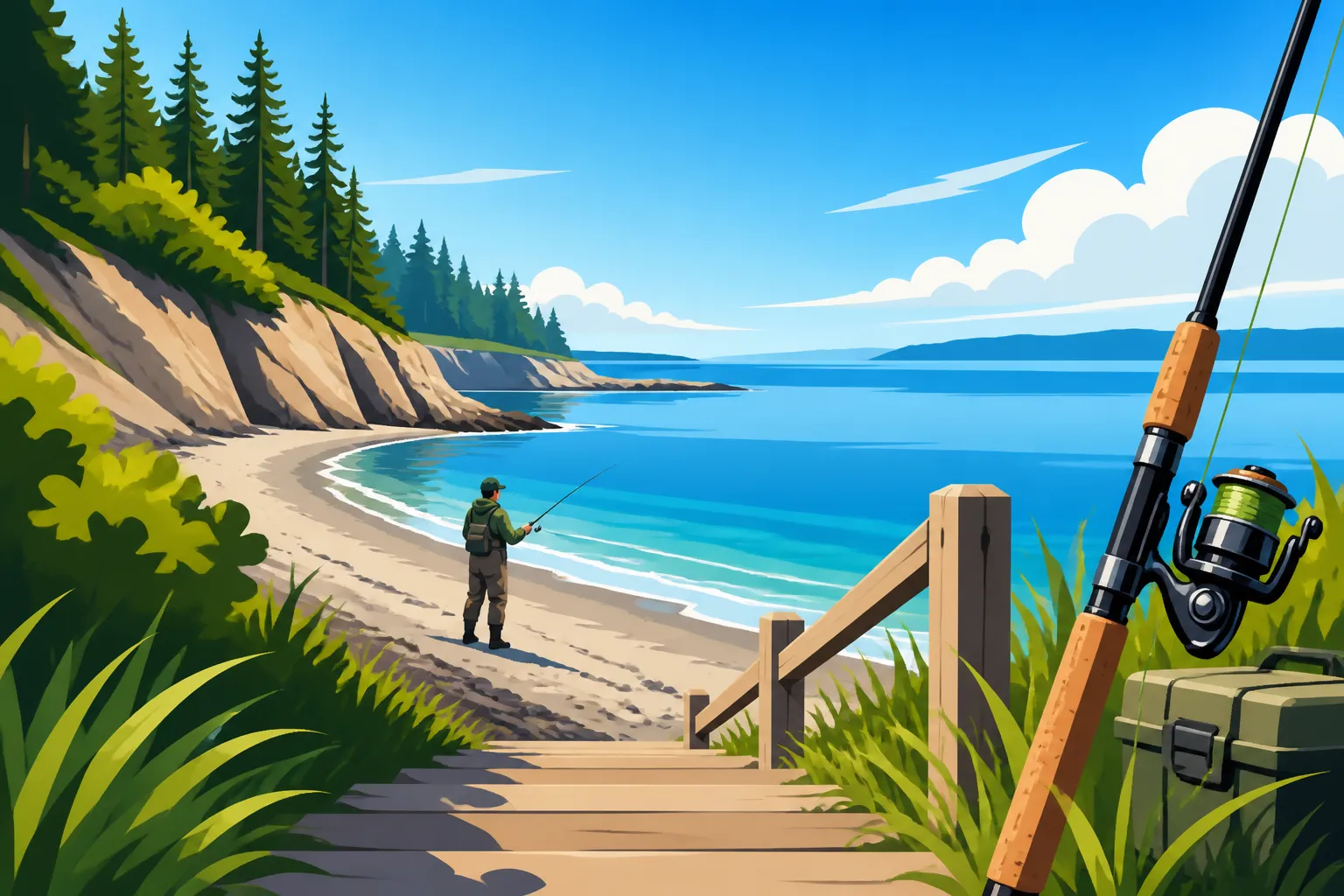
Trying to find those perfect spots to cast a line from the shore on Whidbey Island can feel like searching for a hidden treasure map without any actual map. You know the island is surrounded by productive waters, brimming with possibilities from salmon to rockfish, but actually figuring out where you can legally and effectively fish without stumbling onto private property or facing impossible terrain? That's the real challenge. This guide is here to unravel that mystery, offering you clear, detailed insights into the best, most accessible beach fishing spots on Whidbey Island so you can spend less time guessing and more time reeling in your next catch.
The Unique Appeal and Real Hurdles of Whidbey's Shorelines
Whidbey Island, nestled in Puget Sound, truly is a gem for outdoor enthusiasts, and particularly for anglers who love the peace and challenge of fishing from shore. Its diverse coastline offers everything from rocky points to sandy beaches and quiet bays, each holding the potential for a memorable fishing experience. But let's be honest, finding those sweet spots isn't always straightforward.
The Allure of Whidbey's Diverse Shorelines
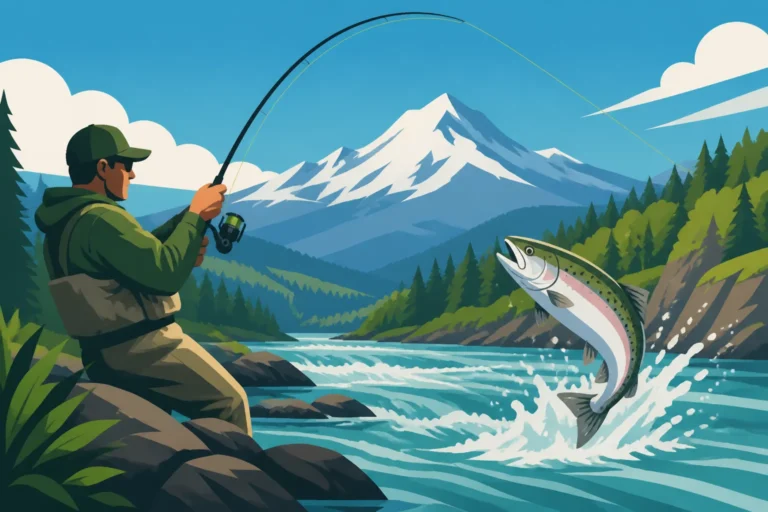
There’s something inherently special about standing on the rugged shores of Whidbey, watching the sunrise paint the water, and feeling that distinct tug on your line. It’s a primal connection to nature that few other experiences can match. Whidbey's waters are teeming with a variety of fish, making it an exciting destination for bank anglers. You could be targeting a feisty coho salmon one day, a powerful Chinook salmon the next, or perhaps some tasty lingcod or greenling lurking near the rocky structure. The sheer variety of species available throughout the year means there's almost always something biting if you know where to look and what techniques to use.
Beyond the fish themselves, the scenery on Whidbey is breathtaking. Imagine casting your line with the Olympic Mountains as your backdrop, or a historic lighthouse standing sentinel nearby. It's not just about the catch; it's about the entire experience – the crisp salt air, the call of seabirds, and the quiet satisfaction of a day spent in nature. Many anglers find the tranquility of shore fishing a perfect escape from the hustle and bustle of everyday life, and Whidbey provides countless opportunities for just that.
The Frustration of Limited Public Access
Now, for the flip side: the frustration. Whidbey Island, despite its abundant coastline, presents a significant hurdle for bank anglers: public access. A large portion of the shoreline is privately owned, leaving many prime fishing areas tantalizingly out of reach. You might drive past what looks like an ideal stretch of beach, only to find "No Trespassing" signs or discover it's part of a private community with no public entry. This can be incredibly disheartening, especially if you've driven a good distance with high hopes.
Navigating these access issues requires a bit of local knowledge or careful planning. Beyond private land, some public areas might have challenging terrain, like steep cliffs or dense brush, making actual fishing from the beach difficult or even unsafe. The strong currents in certain areas, while excellent for bringing fish in, can also make casting and retrieving a challenge, especially for beginners. It's a common lament among bank anglers that finding clear, legal, and fishable access points can be half the battle. This guide aims to help you cut through that frustration by highlighting spots where access is a known and welcomed commodity.
Top Public Beach Access Points for Fishing on Whidbey Island
When it comes to putting your line in the water from shore on Whidbey Island, knowing the specific, reliable public access points is key. You don't want to waste precious fishing time trying to guess where you can actually get down to the water without trouble. Let's dive into some of the best and most well-known spots where you can actually wet a line.
Deception Pass State Park: A Salmon and Bottomfish Hotspot
Deception Pass State Park isn't just one of Washington's most iconic natural landmarks; it's also a fantastic, albeit challenging, spot for bank fishing. Known for its breathtaking views, dramatic currents, and the famous bridge, this park offers several areas where anglers can find success. The pass itself is a funnel for tidal currents, drawing in a rich diversity of marine life, including salmon on their migratory routes.
The strong, swirling currents under the Deception Pass Bridge are legendary, making it an incredible place for fishing, but also demanding respect and proper technique. Anglers here often target salmon, especially during the fall runs of coho and Chinook. You'll also find various bottomfish like greenling, cabezon, and even lingcod lurking in the deeper, rocky areas. Access points include Bowman Bay and Rosario Head, which offer more sheltered coves for casting, as well as several spots right near the bridge where you can fish from the rocks, keeping a keen eye on the tides. Always check the current Washington Sport Fishing Seasons and Emergency Closures before heading out, as regulations can change.
Fishing the powerful currents requires heavy gear – think stout rods, strong lines, and heavy lead jigs or bait setups to get down to where the fish are holding. Many anglers use heavy casting spoons or jigs, sometimes tipped with a piece of herring or squid, to entice strikes. The best times are often around the tide changes, particularly the slack tide before or after the peak current, when fish might be more willing to bite and your gear is easier to control. Just be prepared for potential snags among the rocks and the need for a strong retrieve.
Bush Point: A Renowned Salmon Fishing Destination
If you ask seasoned Whidbey Island anglers about salmon from shore, Bush Point is a name that will undoubtedly come up. Located on the southwest side of the island, facing Admiralty Inlet, Bush Point is famous for its productive salmon fishing, particularly for Chinook and coho. The underwater contours and currents here create a natural pathway for migrating salmon heading into Puget Sound, making it a prime intercept point for bank anglers.
Bush Point offers decent public beach access, primarily near the boat launch and the public beach areas. While boats certainly get into the action, many anglers find success casting from shore, especially during the peak summer and fall salmon runs. The fish here are often aggressive, responding well to casting jigs, spoons, or even bait under a float. It's a bustling spot during the height of the season, a testament to its reputation, so expect company, but also the shared excitement of a hooked fish. Understanding Best Time to Fish for Chinook in Washington's Puget Sound can significantly improve your odds here.
When fishing Bush Point, many anglers opt for long casting rods to reach the deeper water where salmon often travel. Popular lures include Buzz Bombs, P-Line Lazer Minnows, and various casting spoons in chrome or chartreuse colors. A crucial element here is understanding the tidal push; fish often move with the currents, so knowing when the tides are favorable is essential. You’ll definitely want to carry a The Washington Catch Record Card and What It Requires as you're very likely to hook into some salmon here. Keep an eye out for surfacing baitfish or jumping salmon, as these are sure signs of activity. The fishing can be fast and furious when the bite is on, making it an exhilarating experience for anyone lucky enough to be there.
Fort Casey State Park and Admiralty Head: Pier and Beach Variety
Fort Casey State Park, with its historic lighthouse and military batteries, offers a unique blend of history, stunning views, and excellent fishing opportunities. This park features a publicly accessible fishing pier and extensive beach access, providing options for various fishing styles and target species.
The Fort Casey Pier is a fantastic option, especially for families or those looking for an easier fishing experience. From the pier, you can target a variety of fish, including perch, flounder, greenling, and sometimes even squid, particularly in the fall. During salmon seasons, it's not uncommon for anglers to hook into passing coho or Chinook, though the main thrust of salmon fishing might be further out. The pier provides a safe, stable platform to fish from, and you don't need heavy casting gear to reach productive waters. Basic bait-and-bottom rigs with clam necks, squid, or bits of shrimp are often effective here. This is also a great spot for crabbing with pots or rings, offering another layer of fun.
Beyond the pier, the beaches around Fort Casey and nearby Admiralty Head provide opportunities for casting into the sound. The rocky shoreline and kelp beds are excellent habitats for bottomfish, and anglers using spoons or jigs can often connect with greenling or even smaller rockfish. The currents here are less intense than at Deception Pass, making it more manageable for lighter tackle. It's a beautiful area to simply enjoy the views and soak in the coastal atmosphere, even if the fishing is a bit slower. This area also sees good crabbing opportunities. For those interested in expanding their horizons, looking into Crabbing With Pots vs Rings in Puget Sound can be very rewarding in this area.
Essential Tips for Successful Whidbey Island Bank Fishing
Alright, so you’ve got your spots in mind. Now, let’s talk about how to make your Whidbey Island bank fishing trip as successful and enjoyable as possible. It’s more than just showing up with a rod; a bit of knowledge about the tides, the right gear, and understanding local rules can make all the difference between a frustrating day and a fantastic one.
Understanding Tides and Currents: The Angler's Compass
In Puget Sound, particularly around Whidbey Island, understanding the tides and currents isn't just helpful; it's absolutely crucial for successful bank fishing. These dynamic forces dictate when and where fish will be, how they feed, and how easy or difficult it will be to present your lure or bait effectively. Strong tidal exchanges, like those at Deception Pass, can create incredibly productive feeding zones, but also make fishing challenging.
Generally, the best fishing often occurs during the periods of changing tides – specifically, the hour or two leading up to and following the peak of the high or low tide. These "slack tide" periods, where the current is weakest, are when baitfish become disoriented and salmon or bottomfish are more actively feeding. As the tide starts to pick up speed again, the current can sweep bait past holding fish, triggering strikes. However, if the current becomes too strong, it can be impossible to keep your lure down where the fish are, and they may also retreat from the most powerful flows. Always consult a local tide chart before you go, and plan your fishing around these crucial windows. Ignoring the tides is like trying to navigate without a compass – you might get somewhere, but it'll be by pure luck.
Gear and Bait Considerations: What to Pack
Your gear choice for Whidbey Island bank fishing will depend heavily on what you're targeting and where you're fishing. For salmon, especially at spots like Bush Point or Deception Pass, a medium-heavy to heavy casting rod (8-10 feet) paired with a robust spinning reel spooled with 20-30 lb braided line is a good starting point. This setup allows for long casts and the power needed to fight strong fish in current. Common lures include heavy metal jigs (e.g., Buzz Bombs, P-Line Lazer Minnows), casting spoons, and sometimes even plastic swimbaits rigged with heavy jig heads. For these, consider Best Spoon Size for Washington Steelhead, as the principles often apply to salmon too.
If you're targeting bottomfish from piers or calmer beaches, a medium-action spinning rod (7-9 feet) with 10-20 lb mono or braid is usually sufficient. Simple bait rigs, like a Sabiki for baitfish, or a bottom rig with a weight and a couple of hooks, work well. Squid, clam necks, bits of shrimp, or even Gulp! sandworms are all excellent choices for enticing perch, flounder, or greenling. Always carry a selection of weights, swivels, and extra hooks, as snags are an inevitable part of shore fishing in rocky areas. Don't forget a sturdy landing net or a gaff if you're targeting larger salmon; trying to hand-land a thrashing Chinook on slippery rocks is a recipe for disaster.
Navigating Regulations and Etiquette: Being a Responsible Angler
Washington has a comprehensive set of fishing regulations, and they are crucial to follow for a responsible and enjoyable experience. Before heading out, always grab a copy of the current Washington Sport Fishing Regulations pamphlet (available online at WDFW or at most tackle shops). Pay close attention to species-specific rules, daily limits, and any special restrictions for the specific marine area you'll be fishing. For instance, Barbless Hook Requirements on Washington Rivers are often in effect for salmon and steelhead, and sometimes in marine areas during specific seasons. It's vital to know if your chosen spot falls under such a rule.
You'll definitely need a valid Washington fishing license, which you can purchase online or at many sporting goods stores. If you plan to keep salmon or steelhead, a Catch Record Card is also mandatory, and you must fill it out immediately upon retaining a fish. Familiarize yourself with how to use it; there's a good guide on How to Fill Out a Washington Catch Record Card. Beyond the official rules, always practice good angling etiquette. Be respectful of other anglers, give them space, and never leave trash behind. Leave the area cleaner than you found it. If you're fishing near private property, ensure you're well within public access zones to avoid conflicts.
Safety First on the Shore: Staying Prepared
Shore fishing on Whidbey Island, while incredibly rewarding, also comes with its share of potential hazards. The most significant concern is often the rapidly changing tides and swift currents, especially in areas like Deception Pass. Wet, slippery rocks can lead to dangerous falls, and outgoing tides can strand you if you're not careful. Always wear appropriate footwear with good grip – sturdy wading boots or non-slip hiking shoes are a must. Avoid flip-flops or smooth-soled shoes.
Be aware of your surroundings: rogue waves can unexpectedly crash ashore, and incoming tides can quickly cut off escape routes. If you're fishing from rocky points, consider wearing a PFD (personal flotation device), especially if you're alone or in an area with strong currents. Always tell someone where you're going and when you expect to return. Pack essentials like water, snacks, a first-aid kit, a headlamp (if fishing near dawn or dusk), and a charged cell phone. The weather in Puget Sound can also change rapidly, so dress in layers and bring rain gear, even if the forecast looks clear. Taking these precautions ensures your focus stays on the fish, not on potential dangers.
Planning Your Whidbey Island Fishing Excursion
Getting out on Whidbey Island for some fishing is exciting, but a little planning goes a long way to ensure a smooth and memorable trip. From thinking about alternative fishing options to knowing where you can find a place to stay and grab supplies, considering the practicalities beforehand can save you headaches.
Beyond Bank Fishing: Charters and Other Options
While this guide focuses on bank access, it's worth remembering that Whidbey Island offers a wealth of other fishing opportunities if you're looking to broaden your horizons or enhance your chances of a big catch. Many anglers, especially those targeting specific species like salmon or halibut offshore, opt for guided fishing charters. These experienced captains know the local waters intimately, providing all the necessary gear and putting you directly on the fish. If you're visiting and want a hassle-free, productive day on the water, booking a charter can be an excellent investment. You can often find a variety of options by checking platforms like FishingBooker, which lists many reputable local guides.
For instance, a Washington's Puget Sound Salmon Charters: What to Expect can take you to deeper grounds where the biggest Chinook often cruise, or out to offshore banks for bottomfish. While it's a different experience than the solitude of bank fishing, it dramatically increases your chances of success, especially if you're short on time or don't have your own boat. It's a great way to learn about the area from a local expert, and guides often have up-to-the-minute knowledge of where the fish are biting. Many visitors, after trying their hand at shore fishing, consider how to book a local guide for an unforgettable experience on the Sound. A comprehensive guide on How to Book a Fishing Charter in Washington can walk you through the process, and again, sites like FishingBooker are a fantastic resource for comparing options and reviews.
Accommodations and Local Amenities: Making Your Stay Comfortable
Whidbey Island is a popular destination, and as such, it offers a wide range of accommodation options to suit different preferences and budgets. From charming bed and breakfasts in towns like Langley and Coupeville to vacation rentals overlooking the water and several state park campgrounds (like Deception Pass, Fort Ebey, and Fort Casey State Parks), you'll find plenty of choices. Booking in advance, especially during peak season (summer and fall salmon runs), is highly recommended to secure your preferred spot.
When it comes to local amenities, you'll find what you need. Both Oak Harbor and Coupeville have grocery stores where you can stock up on food and drinks. For fishing-specific supplies, local tackle shops are invaluable. Stores like Ace Hardware in Coupeville or some smaller bait shops around the island often carry essential gear, live bait, and the most current local fishing reports. These local shops are also fantastic resources for up-to-date information on what's biting and any recent rule changes. Additionally, there are plenty of excellent restaurants, cafes, and breweries across the island where you can enjoy a delicious meal after a long day of fishing. Having these resources planned out will make your Whidbey Island fishing trip much more enjoyable and less stressful.
Whidbey Island Beach Fishing Access Quick Reference
To help you quickly compare some of the best bank fishing spots on Whidbey Island, here's a handy table outlining key features:
| Location | Primary Target Species | Accessibility Notes | Best For | Specific Considerations |
|---|---|---|---|---|
| Deception Pass SP | Salmon, Greenling, Lingcod | Steep access to rocks; strong currents. | Experienced anglers, active jigging | Heavy gear needed, mind the tides, potential snags |
| Bush Point | Chinook Salmon, Coho Salmon | Public beach near boat launch; open shoreline. | Salmon during runs, long casting | Popular, expect crowds, check WDFW reports |
| Fort Casey State Park | Perch, Flounder, Greenling, Squid, occasional Salmon | Pier fishing; accessible beach. | Family fishing, bottomfishing, crabbing | Less current, good for bait, pier provides easy access |
| Admiralty Head | Bottomfish, occasional Salmon | Rocky shoreline, good viewpoints. | More serene fishing, exploring | Slippery rocks, potential for longer walks |
| Cornet Bay | Perch, Flounder, baitfish | Dock and pier fishing, sheltered bay. | Easy access, calmer water, family friendly | Less prime for salmon, good for relaxing fishing |
Disclaimer
Please remember that fishing regulations, seasons, and access can change. Always consult the latest Washington Department of Fish and Wildlife (WDFW) regulations before any fishing trip. This guide is for informational purposes only, and anglers are responsible for their own safety and adherence to all local and state laws.