Bottom Fishing for Lingcod and Rockfish off Washington
There’s nothing quite like the feeling of a heavy thud on your line as you drop a jig down to the depths, signaling that a toothy lingcod or a colorful rockfish has decided to make your acquaintance. But let's be real, figuring out where to go, what gear to use, and how to actually catch these bottom-dwelling beauties in Washington can feel like cracking a secret code. This comprehensive guide is designed to demystify bottom fishing off the Washington coast and in Puget Sound, giving you the practical knowledge and confidence to target lingcod and rockfish successfully.
Understanding Washington's Bottomfish Bounty
Washington's diverse marine environment is home to an incredible array of fish, and for those who love the thrill of feeling a strong tug from the deep, our bottomfish species are a true prize. Lingcod and various rockfish species are not only exciting to catch but also provide some fantastic table fare. However, they're not all the same, and understanding their unique characteristics is key to successful and responsible angling.
Lingcod: The Apex Predator of the Reef
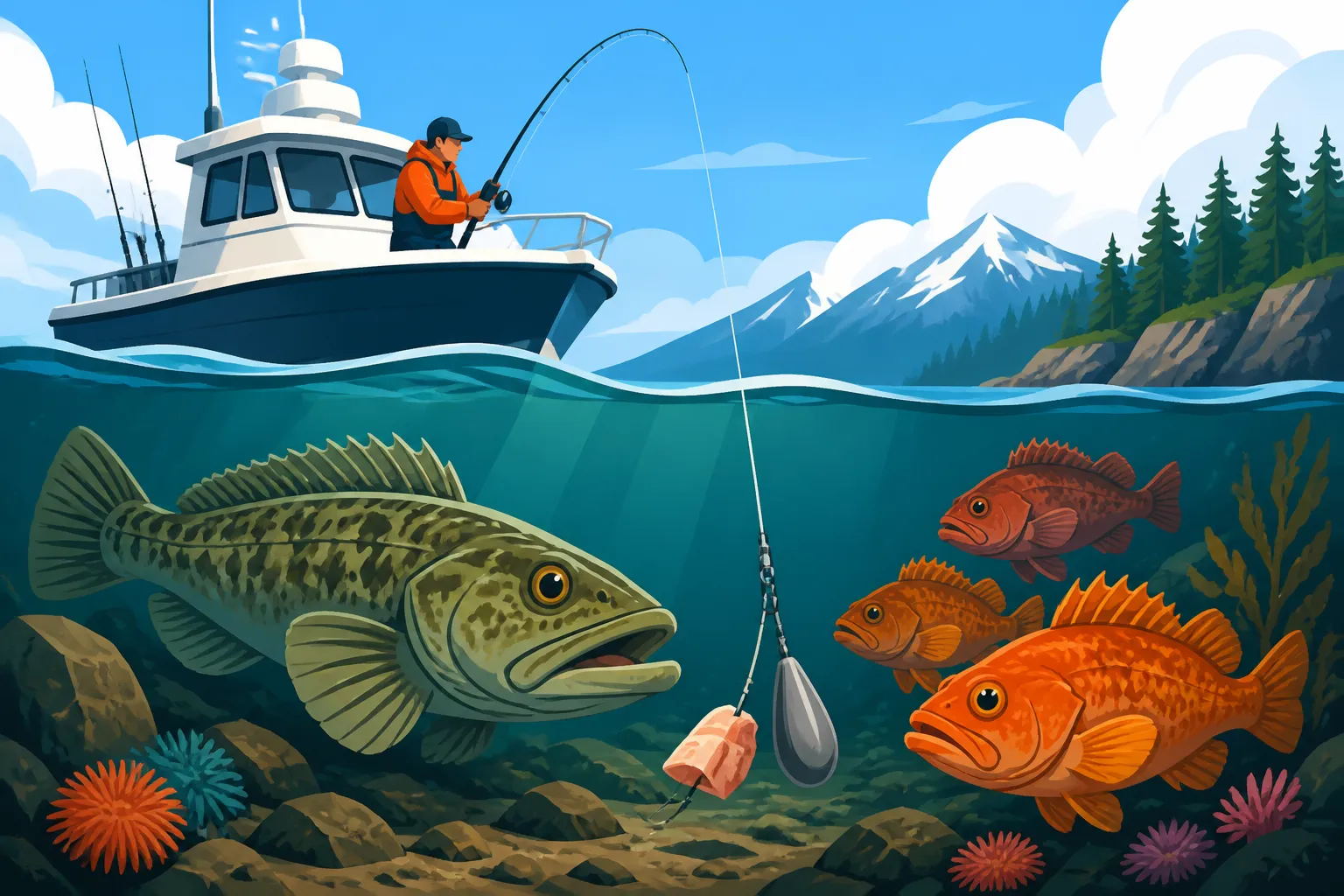
Ah, the lingcod – often misunderstood, sometimes considered ugly, but undeniably a powerhouse of the deep. These creatures aren't technically cod at all; they're actually a member of the greenling family, and they are absolute masters of ambush predation. They love rocky reefs, kelp beds, and any kind of structure where they can hide and dart out to snatch unsuspecting prey. Their massive mouths, packed with needle-sharp teeth, are perfectly adapted for grabbing smaller fish, octopus, and even other lingcod.
What makes lingcod such a sought-after catch? Beyond their aggressive strikes, their firm, white, flaky meat is absolutely delicious, making them a favorite among Washington anglers. They can grow quite large, with some specimens exceeding 50 pounds, although most average between 10 and 20 pounds. When you hook into a big one, you'll know it – they fight hard all the way to the surface, making for an exhilarating battle. Knowing how to identify a Washington Chinook Salmon is useful for other fisheries, but for these guys, it’s all about the teeth!
Rockfish: A Diverse and Colorful Cast
Unlike the solitary lingcod, rockfish are a vast and incredibly diverse group of species, with over 70 different types found along the Pacific Coast. In Washington, you might encounter anything from the vibrant vermilion rockfish to the mottled quillback or the common black rockfish. They are, as their name suggests, rock dwellers, preferring reefs, ledges, wrecks, and any other structure that provides shelter and hunting grounds. They tend to be slower-growing and longer-lived than many other fish species, which makes their conservation incredibly important.
Because of their longevity and tendency to stay in specific areas, many rockfish populations are highly susceptible to overfishing. This has led to strict regulations in Washington, including depth restrictions in certain areas and species-specific rules. For instance, some species, like Yelloweye Rockfish, are completely off-limits to retain due to their protected status. Understanding the nuances of these regulations, including those outlined in "Rockfish Species That Must Be Released in Washington", is paramount for any angler venturing out for bottomfish. The good news is that many species are still abundant and provide fantastic fishing opportunities, especially when handled with care.
Knowing Your Target: Identification and Regulations
Before you even think about dropping a line, it's crucial to be able to identify your target fish and understand the regulations that apply. Misidentification can lead to serious fines, especially with species that have specific size limits, bag limits, or are protected entirely. Many of Washington's rockfish look similar, and it takes a keen eye to tell them apart, particularly when they're coming up from the deep.
The Washington Department of Fish and Wildlife (WDFW) provides detailed guides, often with clear photos, to help anglers distinguish between different rockfish species. Always consult the most current "Washington Fishing Regulations Every Angler Should Know" pamphlet before heading out. Pay close attention to specifics like "Lingcod Identification and Where They Hide" and the various species of "Rockfish Species Along the Washington Coast". This knowledge isn't just about avoiding a ticket; it's about being a responsible steward of our marine resources and ensuring these incredible fish populations thrive for future generations.
Essential Gear for Washington Bottom Fishing
Successfully bottom fishing for lingcod and rockfish requires the right tools for the job. You're not fly-fishing for delicate trout here; you're often dropping heavy weights to considerable depths and battling powerful fish in strong currents. Having appropriate, robust gear will not only increase your chances of success but also make the experience much more enjoyable and less prone to frustrating break-offs or equipment failures.
Rods, Reels, and Line: The Core Setup
When it comes to bottom fishing, you want a rod with plenty of backbone and a sensitive tip. A medium-heavy to heavy action rod, typically between 6'6" and 8' in length, is ideal. The stout backbone is necessary for muscling strong fish away from structure and for lifting heavy lead, while a sensitive tip allows you to feel those subtle bites even in deep water. Graphite composite rods are a popular choice as they offer a good balance of strength and sensitivity. You can find a huge selection of robust rods and reels on Amazon, often at competitive prices.
For reels, a conventional star drag or lever drag reel is generally preferred over a spinning reel for heavy bottom fishing, especially in deeper water. Look for a reel with a good line capacity, a strong drag system, and a robust gear ratio for cranking up heavy fish and tackle. Brands like Penn, Shimano, and Daiwa offer excellent options that can withstand the rigors of saltwater bottom fishing. As for line, braided line is almost universally recommended. Its lack of stretch provides superior sensitivity, allowing you to feel every bump and bite, and its thin diameter for its breaking strength allows for less current drag and lighter weights. A 50-80 lb braided mainline is a good starting point, often paired with a fluorocarbon or monofilament leader in the 40-80 lb range.
Terminal Tackle: Jigs, Rigs, and Baits
This is where the real fun begins! Your terminal tackle—the business end of your fishing line—will vary depending on your target and technique. For lingcod, heavy metal jigs are king. Knife jigs, lead jigs, and swimbaits ranging from 6 to 16 ounces (or even heavier in strong currents) are highly effective. Bright colors like chartreuse, pink, and glow-in-the-dark are often productive, as are more natural patterns. Soft plastic swimbaits on heavy jig heads are also excellent for lingcod, mimicking their favorite prey.
For rockfish, a variety of setups can work. Scented soft plastics on lead-head jigs, often in smaller sizes (2-6 ounces), are deadly. Prawn flies, shrimp flies, or multi-hook sabiki-style rigs (check regulations, as the number of hooks is often limited) tipped with small pieces of bait like squid or herring can also be incredibly effective for schooling rockfish. Many anglers use a simple "dropper loop" rig with a weight at the bottom and one or two hooks above it, baited with squid, herring, or artificial scents. For a wide variety of jigs, soft plastics, and bait rigs, check out what's available on Amazon – the selection is often better than what you'll find in local shops. Don't forget an ample supply of lead weights, as snagging on structure is an inevitable part of bottom fishing.
Safety and Navigation Equipment
Beyond just catching fish, your safety on the water is paramount. Washington's coastal waters and even parts of Puget Sound can be unpredictable, with strong currents, sudden squalls, and heavy boat traffic. Always ensure your vessel is equipped with all required safety gear, including life jackets for everyone on board, a sound-producing device, fire extinguisher, visual distress signals, and navigation lights.
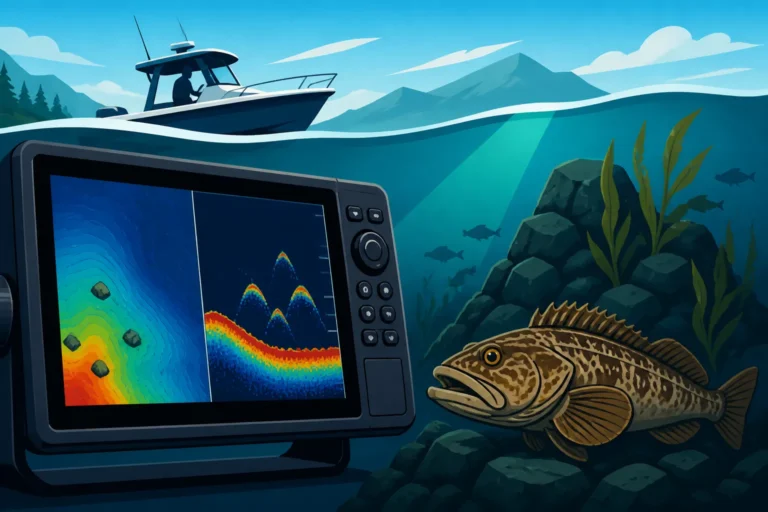
A good GPS/chartplotter is essential for navigating to prime fishing spots and, crucially, for marking hazards and safe routes. A reliable depth sounder or fish finder will help you locate structure and identify schools of fish. VHF radio for communication and a first-aid kit are also non-negotiables. Good quality rain gear, like sets you can easily find on Amazon, is non-negotiable, even on sunny days, as spray and sudden showers are common. Finally, always let someone know your float plan—where you're going and when you expect to return—before you head out.
Prime Bottom Fishing Grounds in Washington
Washington offers a diverse range of bottom fishing opportunities, from the relatively protected waters of Puget Sound to the wild Pacific Coast and the intricate reefs of the San Juan Islands. Each area presents its own unique challenges and rewards, and understanding these differences can help you plan your trip for maximum success.
Puget Sound: Structure and Deepwater Haunts
Puget Sound, while famous for its salmon runs, also offers excellent bottom fishing, particularly for rockfish and resident lingcod. The deep, glacially carved channels and numerous underwater structures provide ideal habitat. Areas like the eastern side of Whidbey Island, near Possession Bar, or the deeper waters around the San Juan Islands can hold good numbers of fish. You might also find productive spots in the southern Sound, although depth restrictions and closures are more common here.
When fishing Puget Sound, look for abrupt depth changes, rocky pinnacles, and old wrecks. The currents can be very strong, so heavy lead and precise boat control are often necessary. Many of the techniques discussed in "Trolling for Salmon in Washington's Puget Sound" can be adapted for bottomfish, particularly when using downriggers to get your gear to the desired depth. Remember, some areas within Puget Sound are designated as Rockfish Conservation Areas (RCAs) where bottom fishing is restricted or prohibited, so always check your specific marine area regulations.
The Washington Coast: Westport, Ilwaco, and Beyond
For those seeking larger lingcod and a wider variety of rockfish, the open Pacific Coast is often the destination of choice. Major charter hubs like Westport and Ilwaco offer access to productive offshore reefs and rocky bottom, often within a few miles of shore. These areas are characterized by extensive rocky structure, ledges, and pinnacles that hold an abundance of baitfish, attracting hungry lingcod and robust schools of rockfish.
Fishing out of Westport and Ilwaco means contending with ocean swells and currents, so a stout boat and a crew ready for a lively ride are essential. Depths can range from 80 to 300 feet, requiring heavy jigs and accurate depth sounders. Many anglers find the "Fishing Westport and the Washington Coast" experience exhilarating, with the potential for multiple species on the same trip. Beyond these ports, more adventurous anglers might explore other coastal access points, always bearing in mind the specific marine area boundaries and depth restrictions.
San Juan Islands: Rocky Reefs and Currents
The San Juan Islands are renowned for their stunning scenery and incredible salmon fishing, but they also boast some fantastic bottom fishing opportunities. The intricate network of islands, passages, and deep channels creates a complex underwater landscape of rocky reefs, kelp forests, and strong current breaks – perfect habitat for lingcod and a diverse array of rockfish. Areas with significant current and rocky structure, especially around passes like Deception Pass, can be particularly productive.
However, fishing in the San Juans comes with its own set of rules and challenges. Many areas are sensitive habitats, and conservation efforts are a high priority. Always be aware of no-fishing zones, depth restrictions, and specific species regulations. The strong currents in some of the passes also demand very heavy tackle and careful boat handling. Despite the complexities, the reward of pulling up a big lingcod from a pristine reef amidst the beauty of the "Washington's San Juan Islands for Salmon and Lingcod" can be an unforgettable experience.
| Feature | Lingcod | Rockfish (General) |
|---|---|---|
| Typical Habitat | Rocky reefs, kelp beds, wrecks, ledges | Rocky reefs, ledges, wrecks, structure |
| Diet | Fish, octopus, crab, other lingcod | Small fish, crustaceans, squid |
| Size | Can exceed 50 lbs (avg 10-20 lbs) | Highly variable (1-20+ lbs depending on species) |
| Fight | Aggressive, strong pulls | Usually good, sometimes headshakes |
| Conservation | Managed with seasons, bag limits | Highly managed, species-specific rules, RCAs, descending devices critical |
| Preferred Depth | Varies, often 60-300 ft | Varies, often 30-600 ft |
| Best Lures/Bait | Large jigs, swimbaits, live bait | Smaller jigs, soft plastics, bait rigs |
Effective Techniques for Catching Lingcod
Lingcod are aggressive predators, and they often react well to presentations that mimic injured baitfish or provoke a territorial strike. Getting your lure or bait down to their rocky lairs and presenting it enticingly is the name of the game.
Jigging for Aggressive Lingcod
Jigging is perhaps the most popular and effective method for targeting lingcod. The idea is to drop a heavy metal jig or a large soft plastic swimbait rigged on a heavy lead head down to the bottom, then work it aggressively to attract attention. The retrieve typically involves lifting the rod tip sharply to impart a darting action to the jig, then letting it fall back on a controlled slack line. Many strikes occur on the fall, so pay close attention to any hesitation or sudden weight when the jig is dropping.
Different jigging styles work in different conditions. "Jigging Herring for Lingcod in Washington" is a classic technique, often involving vertical jigging directly beneath the boat. When drifting, you can cast your jig ahead of the drift, allowing it to hit bottom, then work it back as the boat moves over the structure. Experiment with the speed and intensity of your jigging; sometimes a fast, erratic retrieve works best, other times a slower, more deliberate lift and fall can be more effective. Lingcod are not shy, and if they're around, they'll usually hit a well-presented jig with conviction.
Drifting with Live Bait or Cut Bait
While jigs are highly effective, sometimes nothing beats natural bait, especially for finicky or trophy-sized lingcod. Drifting over rocky structure with live bait is a deadly technique. Popular live baits include smaller rockfish (if legal to use as bait and caught within regulations), herring, or squid. Rig these on a heavy leader with a large, strong hook (e.g., a 7/0 to 10/0 circle hook) and a sufficient weight to get them to the bottom, usually a dropper loop or slider rig.
When drifting, allow your bait to bounce along the bottom, mimicking a struggling fish or squid. The natural scent and action of live bait can entice strikes from lingcod that might ignore artificial lures. If live bait isn't available, fresh cut bait like squid, herring fillets, or even chunks of mackerel can also be very effective. Ensure your bait is securely hooked and presented naturally. The key is to cover ground over known lingcod structure, letting the current and boat drift do some of the work, while maintaining constant contact with the bottom.
Targeting Structure and Current Seams
Lingcod are ambush predators, and they live where they can hide and find food. This means focusing your efforts on structure. Underwater pinnacles, rock piles, ledges, submerged wrecks, and even thick kelp beds are prime lingcod territory. These features provide cover from currents, places to hide from prey, and attract baitfish. Use your fish finder to meticulously scan the bottom for these features before dropping a line.
Current seams—areas where strong currents meet slack water or eddy out around structure—are also excellent places to target. Baitfish often congregate in these calmer areas, making them feeding zones for lingcod. Positioning your boat upstream of a promising piece of structure or a current seam and allowing your lure or bait to drift naturally into the strike zone can be incredibly effective. Remember that bottom fishing in Washington is often about precision, knowing exactly where your lure is in relation to the structure, and constantly adjusting your drift or retrieve to stay in the zone.
Mastering Rockfish Techniques
While lingcod are solitary hunters, rockfish often congregate in schools, making it possible to catch multiple fish from a single spot. However, their slower growth and longer lifespans mean responsible angling practices are even more crucial.
Light Jigging and Bait Presentation
For many rockfish species, particularly the smaller and medium-sized ones, a lighter approach than lingcod fishing can be highly effective. Smaller metal jigs, soft plastic swimbaits on lighter jig heads (e.g., 1-4 ounces), or even weighted shrimp flies are excellent choices. The presentation is similar to lingcod jigging but often less aggressive, with shorter lifts and slower drops. Rockfish, especially when schooled up, can be quite competitive, so a lively presentation can often draw strikes.
Bait rigs, often consisting of multiple hooks (check your specific marine area regulations for hook limits) with small pieces of squid, shrimp, or herring, are also very productive for rockfish. The "Bait Rigs for Rockfish on the Washington Coast" are often deployed with a weight at the bottom, allowing several baited hooks to suspend above the seafloor, covering a wider water column. Drop the rig to the bottom, then lift and drop it slowly, allowing the baits to flutter and entice nearby rockfish. Sometimes simply leaving the rig stationary on the bottom can also work, especially if the current is providing enough action to the bait.
Understanding Depth and Habitat
Rockfish species often stratify by depth and prefer specific types of habitat. Some species, like black rockfish, are often found relatively shallow (20-100 feet) and near kelp beds or rocky outcrops. Others, like canary rockfish or quillback rockfish, prefer deeper waters and more complex rocky reefs. Your fish finder is your best friend here. Pay attention to where you're marking fish and the associated depths and structures. If you're consistently catching one species, and you want to target another, try moving to different depths or looking for different types of bottom features.
Additionally, rockfish are often found in schools, so once you find one, there are often more. Make a mental note (or better yet, mark it on your GPS) of the depth and location where you get bites. Sometimes simply raising or lowering your lure by 10-20 feet can put you into a different school or species. Remember that rockfish are often very vulnerable to barotrauma when brought up from deep water, so minimizing the time they spend on the surface is important, especially for those you intend to release.
The Importance of Descending Devices
One of the most critical aspects of responsible rockfish angling in Washington is the use of descending devices. When rockfish are brought up from significant depths, the rapid change in pressure causes their swim bladder to expand, making it difficult or impossible for them to swim back down on their own. This phenomenon is known as barotrauma. A fish suffering from severe barotrauma will float helplessly on the surface, often dying. "Why Do Some Rockfish Need a Descending Device?" highlights this crucial issue.
A descending device is a weighted clip or cage that allows you to safely lower a rockfish back to the depth from which it was caught. Once it reaches the appropriate depth, the device releases the fish, allowing it to recompress its swim bladder and swim away. This practice dramatically increases the survival rate of released rockfish. Many anglers now carry these devices as standard equipment. Descending devices are becoming more readily available, and you can even pick them up from retailers like Amazon or your local tackle shop. Using one is not just good practice; it’s a vital part of conserving these slow-growing species and ensuring the sustainability of our fisheries.
Seasonal Considerations and Best Times
Fishing isn't just about gear and technique; it's also about timing. Washington's bottom fishing seasons can vary significantly by species, marine area, and even year to year, depending on stock assessments and conservation needs. Understanding these seasonal nuances can greatly impact your success and compliance.
When Lingcod are Most Active
Lingcod typically have a spawning season in late winter and early spring, during which they become very aggressive while guarding their nests. This period often coincides with the peak of the lingcod fishing season in many areas of Washington, particularly from March through June. During these months, lingcod are often found in shallower water than usual, making them more accessible to anglers. Their aggressive nature means they'll readily strike jigs and baits presented near their rocky hideouts.
However, precise seasons can vary. For example, some areas might open earlier or close later depending on specific WDFW management goals. Always consult the official WDFW regulations pamphlet for the marine area you plan to fish to confirm exact dates and any emergency closures. Outside of the peak spawning season, lingcod can still be caught year-round in many areas, but they tend to be deeper and less concentrated, requiring more effort to locate. They are hearty eaters, so a consistent presence of baitfish will keep them active.
Rockfish Seasons and Accessibility
Rockfish seasons are often more complex than lingcod seasons, largely due to the diverse number of species and varying conservation concerns. Many rockfish species are managed with specific depth restrictions, meaning you can only fish for them above a certain depth, or in designated "outside" areas to avoid sensitive populations. Other rockfish, like yelloweye, are completely prohibited to retain statewide.
Generally, rockfish opportunities are available year-round in many parts of the Washington coast and outer Puget Sound, but specific species and bag limits will fluctuate. Coastal areas typically have more liberal access, while inner Puget Sound tends to have more restrictions. Always refer to the most current WDFW regulations for your specific marine area and species. For example, understanding "Rockfish Species That Must Be Released in Washington" is critical. These regulations can change frequently, so checking just before your trip is always a good idea to ensure you are compliant.
Weather, Tides, and Ocean Conditions
Weather and ocean conditions play a massive role in bottom fishing success and safety. On the open coast, calm seas are almost a prerequisite for a comfortable and productive trip. Strong winds and heavy swells can make it impossible to hold bottom, uncomfortable for anglers, and outright dangerous. Always check the marine forecast before heading out, paying close attention to wind speed, wave height, and swell period.
Tides and currents are also extremely important, especially in areas like Puget Sound and the San Juan Islands. Strong tidal exchanges can create powerful currents that make it difficult to get your gear to the bottom or hold your boat in position. Often, the slack tide periods (the hour or so around high or low tide when the current is at its weakest) are the most productive times for bottom fishing, as they allow for better bait presentation and easier boat control. However, moving water can also trigger feeding frenzies, so some anglers prefer to fish during moderate current flows. Knowing the tide charts for your chosen fishing location is crucial for planning your day.
Regulations, Conservation, and Responsible Angling
Bottom fishing in Washington isn't just about filling a cooler; it's about doing so responsibly and sustainably. Due to the unique biology of many bottomfish species, particularly rockfish, strict regulations are in place to ensure their populations remain healthy. As anglers, we have a vital role to play in conservation.
Navigating Washington's Bottomfish Regulations
Washington's fishing regulations can be complex, and bottom fishing is no exception. They often include:
- Seasons: Specific opening and closing dates for various species in different marine areas.
- Bag Limits: The maximum number of fish you can keep per person per day, often with species-specific limits (e.g., Lingcod daily limit, various rockfish daily limits).
- Possession Limits: The maximum number of fish you can have in your possession, which may be higher than the daily bag limit if you're on a multi-day trip.
- Size Limits: Minimum or maximum sizes for certain species, ensuring younger fish can reproduce and older fish aren't overharvested.
- Depth Restrictions: In many areas, especially Puget Sound, you cannot fish for bottomfish below a certain depth to protect sensitive, deepwater rockfish populations.
- Gear Restrictions: Limitations on the number of hooks, lure types, or use of certain baits.
Always obtain and thoroughly read the most current WDFW Sport Fishing Regulations pamphlet. Pay close attention to the marine area you plan to fish and the specific rules for lingcod and various rockfish species. A quick review of "Washington Fishing Regulations Every Angler Should Know" before each trip is non-negotiable. Ignorance of the rules is not an excuse for violations, and fines can be substantial.
Catch-and-Release Practices and Descending Devices
For species that you're not allowed to keep, or if you've already filled your limit, effective catch-and-release practices are paramount. Minimizing the time a fish spends out of water, handling it gently, and releasing it quickly will increase its survival rate. Avoid dropping fish onto hard surfaces or allowing them to flop around excessively.
As discussed earlier, for rockfish caught from depths greater than 30 feet, a descending device is crucial. Even if a rockfish appears lively on the surface, its expanded swim bladder means it cannot swim back down. A descending device allows you to bypass this barotrauma issue, giving the fish a second chance at survival. Always have one readily available and know how to use it properly. The conversation around "Why Do Some Rockfish Need a Descending Device?" emphasizes how vital this tool is for modern bottom fishing.
Protecting Our Fisheries for Future Generations
Responsible angling extends beyond just following the rules. It means making conscious decisions to minimize your impact. This includes:
- Minimizing Waste: Only keep what you intend to eat and process it properly. Avoid leaving fish waste at launch sites or docks.
- Reducing Snagging: While structure is key, try to minimize snagging your gear and leaving lead weights or lost tackle on the bottom. Consider using biodegradable weights where appropriate.
- Reporting Violations: If you witness illegal fishing activity, report it to WDFW enforcement. Poaching and overharvesting harm everyone.
- Supporting Conservation: Participate in angler surveys, purchase fishing licenses, and support organizations dedicated to marine conservation.
Our Washington fisheries are a precious resource. By understanding and respecting the regulations, practicing ethical catch-and-release, and actively engaging in conservation efforts, we can ensure that the thrill of bottom fishing for lingcod and rockfish remains for generations to come.
Preparing Your Catch: From Boat to Plate
After all the effort, the real reward of bottom fishing is often bringing home some delicious, fresh seafood. Lingcod and rockfish are highly prized for their firm, white, flaky meat, which stands up well to a variety of cooking methods. Proper handling from the moment they hit the deck ensures the best possible flavor and texture.
Field Dressing and Storage on the Water
The quality of your fish starts immediately after it's caught. To maintain freshness, it's critical to dispatch your catch quickly and humanely. A sharp blow to the head or a cut to the gills (known as "bleeding out") will rapidly cool the fish and improve the taste of the meat by removing blood. Once dispatched, the fish should be immediately placed on ice. A dedicated cooler filled with ice is an essential piece of equipment for any bottom fishing trip.
Do not just throw fish into a warm cooler or leave them exposed to the sun. The goal is to drop their internal temperature as quickly as possible to slow bacterial growth. Some anglers prefer to gut their fish immediately while on the boat, especially for larger specimens, as this further helps to cool the body cavity. If gutting, rinse the cavity with saltwater, then pack it with ice. For longer trips, consider investing in a cooler bag or insulated fish kill bag to supplement your main cooler, especially if you expect to catch a lot of fish.
Filleting Lingcod and Rockfish
Once you're back on shore, it's time to transform your catch into delicious fillets. Both lingcod and rockfish are relatively easy to fillet, with firm flesh that holds its shape well.
For lingcod, start by making a cut behind the pectoral fin, down to the backbone. Then, run your knife along the backbone towards the tail, keeping the blade angled slightly down to maximize meat yield. Repeat on the other side. You'll then have two large, thick fillets. You can choose to skin them (the skin is edible but can be tough) or leave the skin on for certain cooking methods. Lingcod often have an iridescent blue or green tint to their meat when raw, which can be surprising, but it cooks to a beautiful white.
Rockfish filleting is similar, though they are generally smaller and rounder. Make your initial cut behind the gill plate, down to the backbone. Then, guide your knife along the backbone, separating the fillet from the rib cage. You might need to make a second cut to remove the belly flap. Skinning is usually recommended for rockfish as their skin can be quite thick and scaly. Regardless of the species, always use a sharp, flexible filleting knife and take your time to learn the anatomy to maximize your yield. If you're new to filleting, there are countless instructional videos online that can guide you through the process.
Cooking Tips and Recipes
Lingcod and rockfish are incredibly versatile in the kitchen. Their firm, white, and mild-flavored meat makes them suitable for almost any preparation.
- Baking or Broiling: A simple preparation is often best. Season fillets with salt, pepper, garlic powder, and a squeeze of lemon juice, then bake at 375°F (190°C) or broil until flaky.
- Pan-Seared: For a crispy exterior, dredge fillets lightly in flour or a seasoned breading, then pan-sear in butter or olive oil until golden brown.
- Fish Tacos: Both lingcod and rockfish make excellent fish tacos. Cut the fillets into strips, batter and fry them, then serve in tortillas with your favorite slaw and sauce.
- Soups and Stews: The firm flesh holds up well in heartier dishes like cioppino, fish chowder, or a Thai-inspired curry.
- Grilling: Thicker lingcod fillets are fantastic on the grill. Marinate them briefly in olive oil, lemon, and herbs before grilling over medium-high heat.
Don't be afraid to experiment with different spices and cooking methods. The freshness of your Washington-caught lingcod and rockfish will shine through, providing a delicious and healthy meal that truly is the culmination of a rewarding day on the water.
Disclaimer
Fishing regulations, seasons, and openings can change frequently due to biological data, stock assessments, and emergency rule changes by the Washington Department of Fish and Wildlife (WDFW). While this guide provides comprehensive information, it is not a substitute for checking the official WDFW regulations before every fishing trip. Always consult the most current WDFW regulations pamphlet and emergency rule updates for the specific marine area you plan to fish to ensure compliance.